Crawl space encapsulation for Boone, NC homes
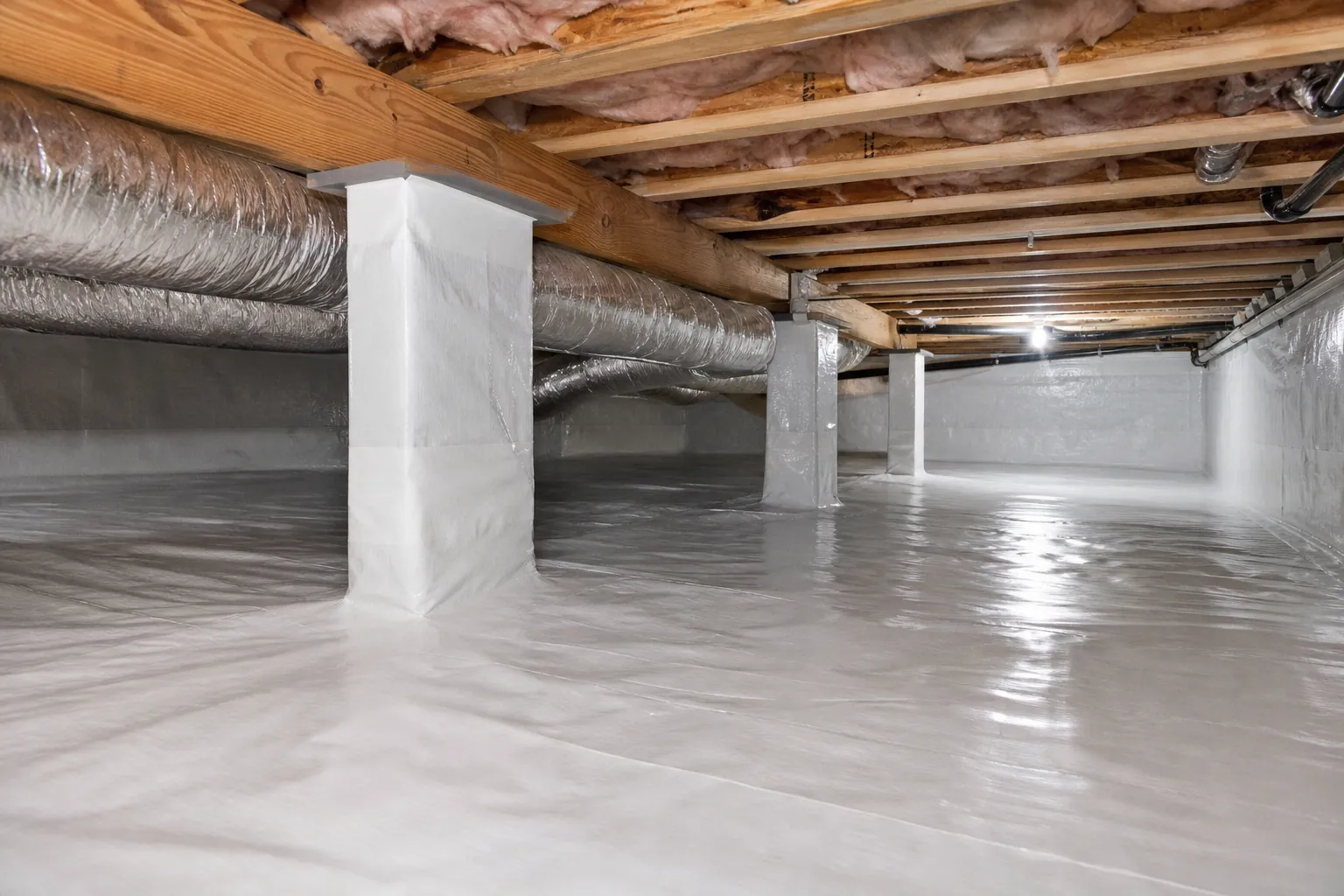
Homes in Boone face a demanding mix of mountain weather, seasonal rain, cool temperatures, and humid summer air. When moisture enters the area beneath a house, it can create musty odors, damp insulation, uncomfortable rooms, and conditions that support mold growth. Crawl space encapsulation helps manage these problems by separating the crawl space from exposed soil and humid outdoor air.
Carolina Encapsulation Company provides crawl space encapsulation in Boone, NC, with solutions based on the condition of each property. The goal is not simply to cover the ground. A well-designed system addresses moisture sources, improves humidity control, and helps create a cleaner environment below the living area.
Why Boone Crawl Spaces Develop Moisture Problems
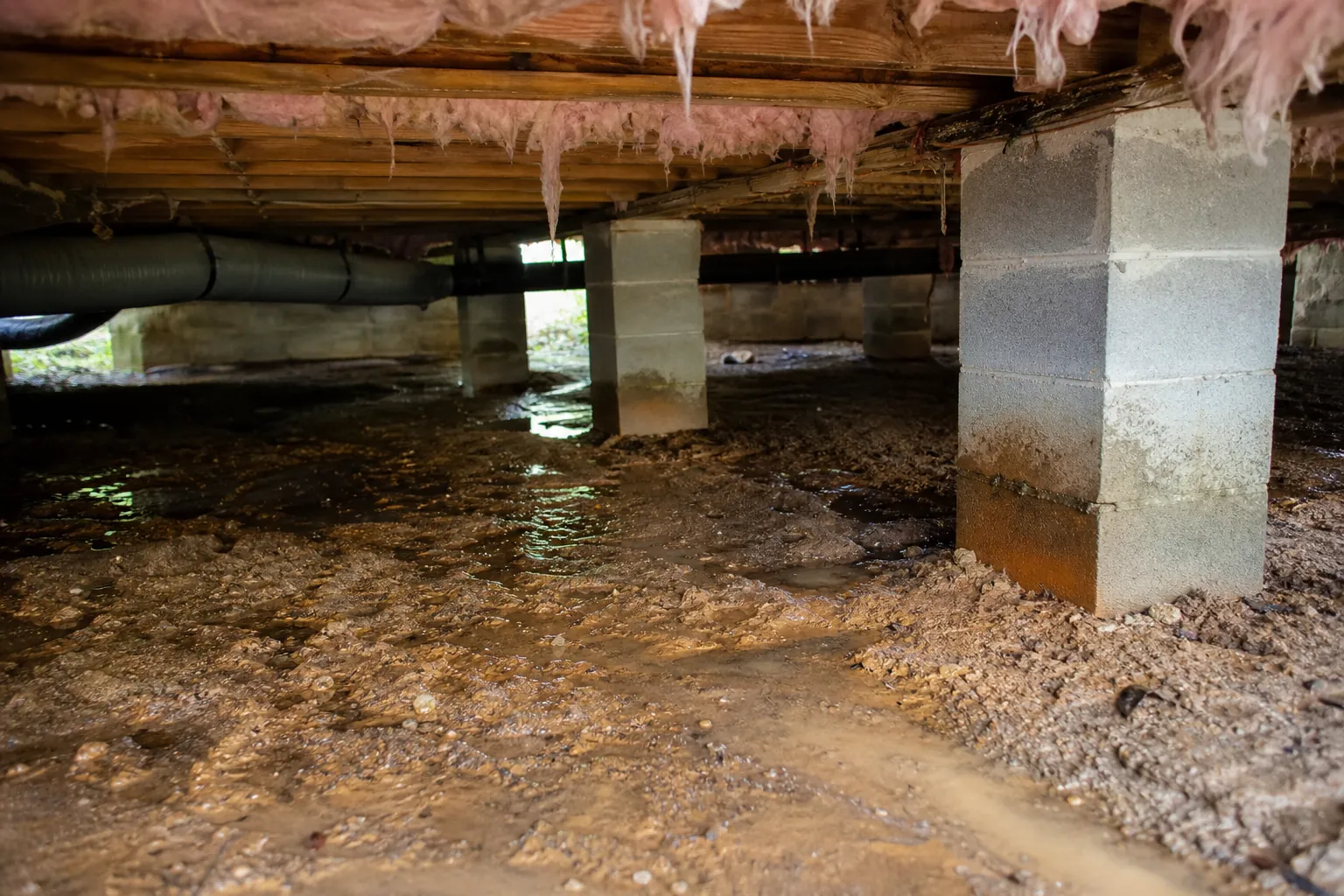
Boone's elevation and climate can be challenging for vented crawl spaces. Outdoor air enters through foundation vents and meets cooler surfaces under the home. When conditions are right, water vapor condenses on joists, ducts, pipes, and insulation. Bare soil can also release a steady supply of moisture into the space.
Rainwater adds another concern. Sloped lots, clogged gutters, short downspouts, and poor grading can direct runoff toward the foundation. Water may seep through masonry walls or collect at low points in the crawl space. Plumbing leaks and air-conditioning condensation can make existing dampness worse.
Because several sources may be involved, covering the floor without inspecting drainage, ventilation, and humidity can leave the main issue unresolved. A complete assessment should identify how moisture enters and determine which controls are appropriate for the home.
What A Complete Encapsulation System Includes
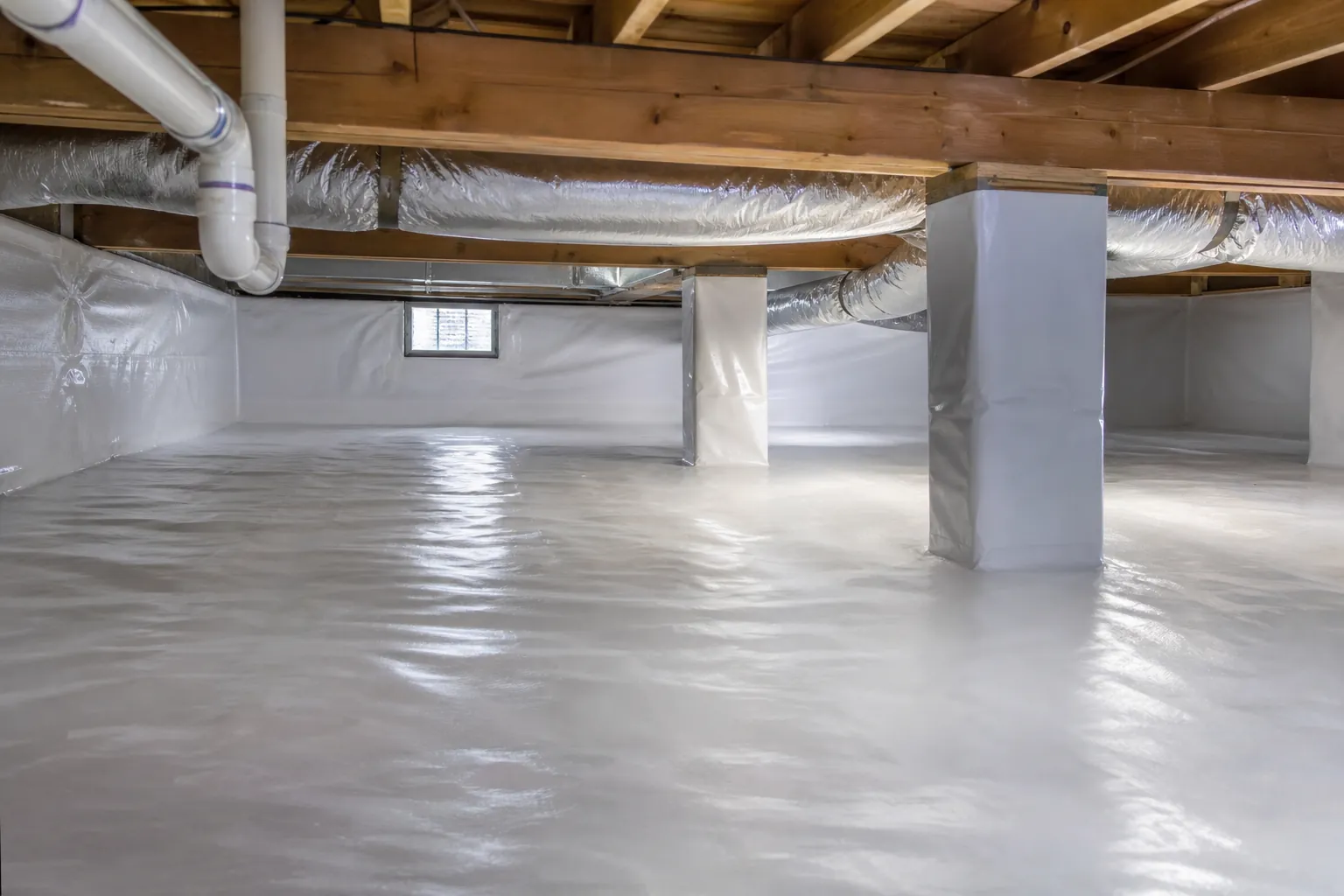
Encapsulation creates a sealed or controlled crawl space using a durable vapor barrier across the floor and up foundation walls or supports. Seams and penetrations are carefully sealed to reduce water vapor from the ground. Foundation vents and other outside-air openings are typically closed as part of the system.
Depending on site conditions, a project may also include drainage improvements, a sump pump, insulation adjustments, air sealing, or a crawl space dehumidifier. These components serve different purposes. Drainage handles liquid water, the liner limits ground vapor, and dehumidification helps control moisture in the air.
A professional plan may include:
- Detailed inspection: Checking wood, insulation, masonry, plumbing, ducts, grading, and visible signs of moisture.
- Site preparation: Removing debris and, when appropriate, damaged insulation or contaminated materials before installation.
- Water management: Addressing seepage or standing water with drainage channels, sump equipment, or exterior recommendations.
- Vapor barrier installation: Covering exposed soil with reinforced material and sealing overlapping seams.
- Wall and pier detailing: Extending and fastening the liner around foundation features while preserving suitable inspection areas.
- Vent and gap sealing: Reducing uncontrolled exchanges with humid outdoor air.
- Humidity control: Installing correctly sized dehumidification when passive moisture control is not enough.
- Final review: Confirming that seams, edges, access points, and equipment are secure and serviceable.
Signs Your Home May Need Encapsulation
A crawl space problem is not always obvious from inside the home. Moisture-related symptoms can appear gradually, and they may change with the season. A musty smell after heavy rain is a common warning, especially when the odor reaches first-floor rooms or closets.
Other signs include sagging or damp fiberglass insulation, condensation on ducts or pipes, rusted metal components, visible fungal growth, soft wood, or persistent insect activity. Floors may feel unusually cold, and indoor humidity may remain high even when the heating or cooling system is operating normally.
Not every symptom automatically means full encapsulation is required. A plumbing leak, failed gutter, or isolated drainage defect may need to be corrected first. An inspection helps distinguish a localized repair from a broader moisture-control need.
Benefits For Comfort And Building Protection
Encapsulation can make the crawl space cleaner, drier, and easier to inspect. By limiting ground vapor and humid outdoor air, the system helps reduce conditions that contribute to mold growth, wood decay, corrosion, and insulation damage. It can also reduce musty air movement into the home.
Because air naturally moves between a crawl space and the rooms above, improving conditions below the floor can support better indoor comfort. Results vary by home, but many owners value steadier humidity and fewer crawl space odors. Sealing uncontrolled openings may also reduce drafts and lessen the burden on heating and cooling equipment.
Encapsulation is not a substitute for structural repair, pest treatment, or plumbing work. Those issues should be handled by the appropriate professionals. It is most effective as part of a complete strategy that controls roof runoff, foundation drainage, bulk water, air movement, and vapor.
How To Compare Encapsulation Proposals
Price is important, but proposals should also be compared by scope. Ask what liner material will be used, how seams will be sealed, how walls and piers will be treated, and whether existing water must be managed before encapsulation. The estimate should explain cleanup, insulation work, electrical requirements, equipment, and warranties.
Also ask how the contractor plans to maintain access for termite inspections and future plumbing, electrical, or HVAC service. A neat installation should protect the crawl space while allowing technicians to reach important systems. Clear documentation helps prevent surprises once work begins.
Be cautious of one-size-fits-all recommendations. A dry crawl space on a well-drained lot does not require the same plan as a low area with seepage after storms. Boone properties can vary significantly in foundation design, slope, age, and exposure, so recommendations should reflect the actual building.
Planning A Long-Lasting Moisture Solution
Even a properly encapsulated crawl space benefits from routine attention. Gutters should stay clear, downspouts should discharge away from the foundation, and exterior grading should continue to direct water away from the house. Dehumidifiers and sump pumps need periodic cleaning and testing according to manufacturer guidance.
Homeowners should look for new plumbing leaks, unusual odors, damaged liner sections, or changing humidity levels. Early maintenance can prevent a small issue from affecting insulation or framing. It is also wise to inspect the space after severe storms or major work beneath the home.
If you are considering crawl space encapsulation in Boone, NC, Carolina Encapsulation Company can evaluate the space and explain practical options without unnecessary pressure. Call 704-207-9348 to schedule an assessment and discuss a moisture-control plan suited to your North Carolina home.
Call 704-207-9348 to talk through next steps.