Crawl space encapsulation for Concord, NC homes
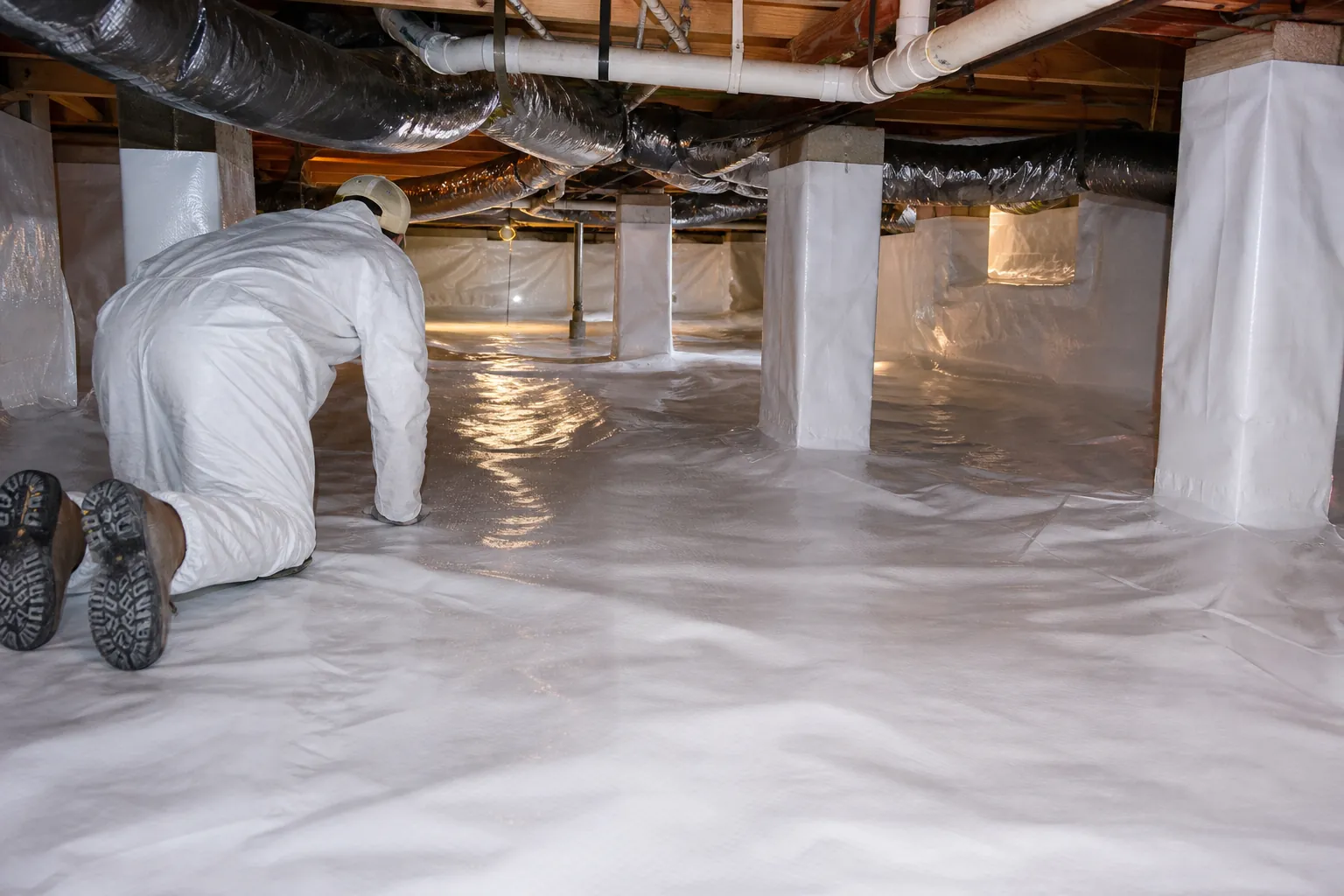
In Concord, moisture under a home can affect far more than the crawl space. Damp outdoor air, plumbing leaks, groundwater, and exposed soil may contribute to musty odors, damaged insulation, wood decay, and uncomfortable indoor conditions. Because air can move from the crawl space into the living area, problems below the floor may also influence the rest of the home.
Carolina Encapsulation Company provides crawl space encapsulation in Concord, NC, with solutions based on the property’s actual conditions. The goal is not simply to cover the ground. A well-planned system addresses moisture entry, air leakage, drainage concerns, and humidity control so the crawl space can remain cleaner, drier, and easier to monitor.
Why Concord Crawl Spaces Develop Moisture Problems
North Carolina’s warm, humid summers create difficult conditions for traditional vented crawl spaces. When humid outdoor air enters through foundation vents, it can contact cooler framing, ductwork, or plumbing. As that air cools, relative humidity rises, increasing the risk of condensation and damp building materials.
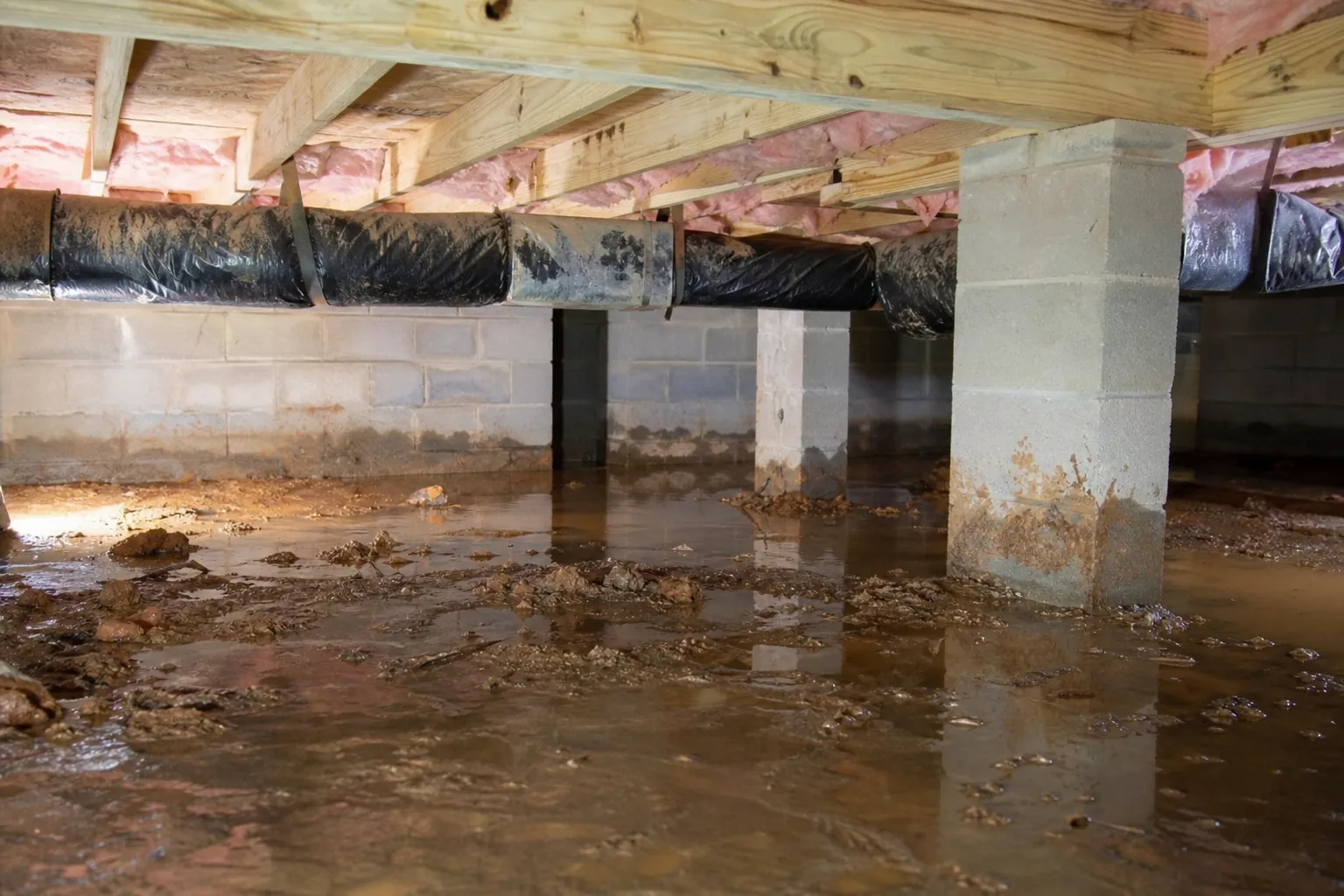
Moisture can also enter from the soil. Even when the ground appears dry, water vapor may migrate upward into the crawl space. Poor grading, clogged gutters, short downspouts, foundation openings, or drainage issues can add bulk water after heavy rain. Small plumbing leaks may create localized damage that remains hidden for months.
Every property is different. A home on a sloped lot may have different needs from one with a low foundation or a history of standing water. That is why an inspection should come before a recommendation.
What A Complete Encapsulation System May Include
Encapsulation separates the crawl space from exposed earth and humid exterior air. The exact scope depends on the home, but an effective project commonly combines a durable vapor barrier with careful sealing and a strategy for controlling humidity.
- Ground vapor barrier: A reinforced liner covers exposed soil to reduce water vapor entering the space.
- Wall coverage: Liner material may extend up foundation walls while leaving appropriate inspection areas accessible.
- Sealed seams and penetrations: Overlaps, piers, plumbing lines, and other openings are detailed to limit air and moisture movement.
- Vent sealing: Exterior vents can be closed as part of a controlled crawl space design rather than left open to humid summer air.
- Drainage improvements: Standing water may require grading corrections, drain installation, a sump system, or exterior water management before encapsulation.
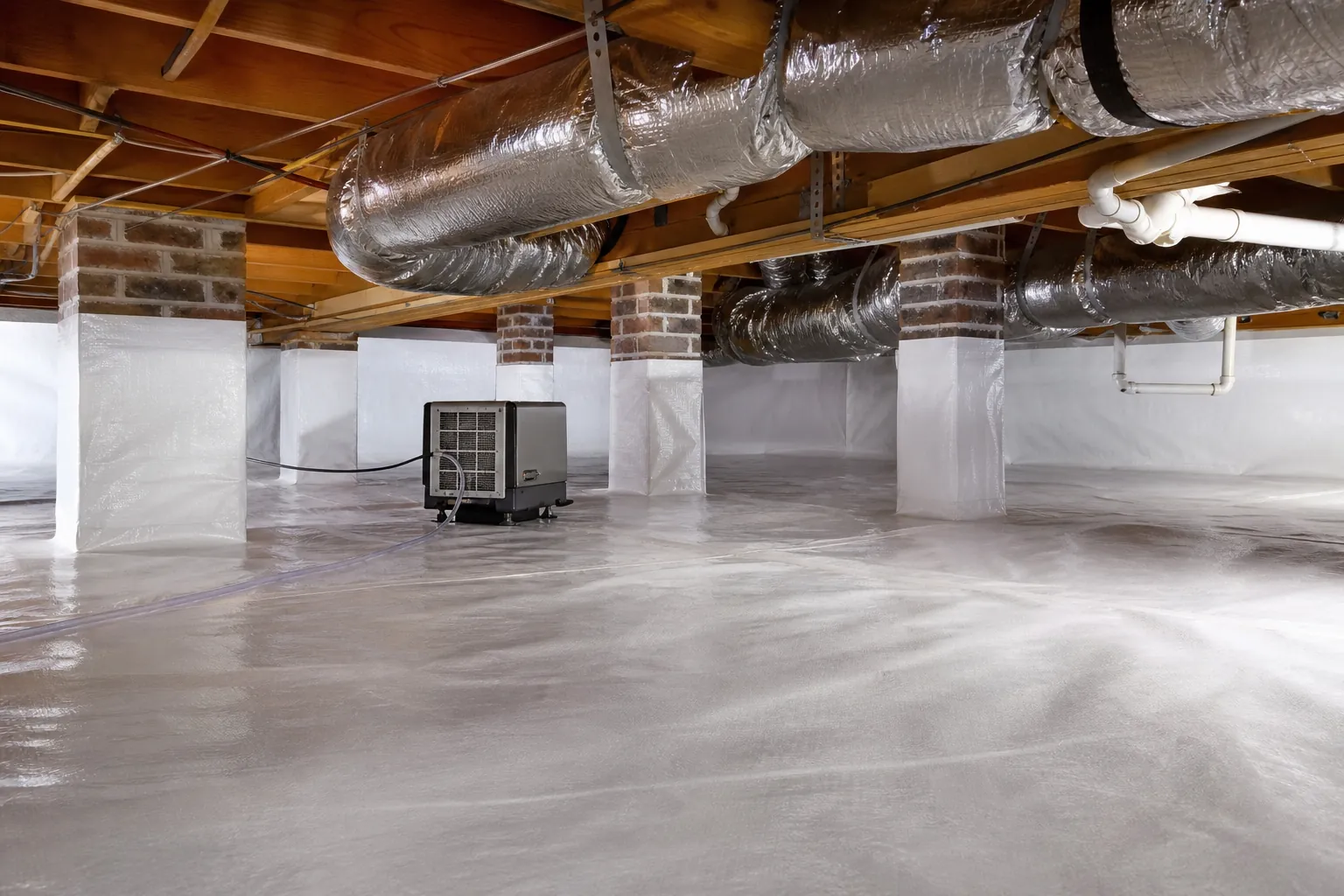
- Humidity control: A properly sized crawl space dehumidifier may be recommended to maintain more stable conditions.
- Access detailing: Entry doors and access points can be improved to reduce leakage while preserving service access.
- Monitoring: A hygrometer or remote humidity sensor helps homeowners track conditions after installation.
Insulation, damaged wood, and microbial growth also require evaluation. Wet or fallen insulation may need to be removed, and wood repairs should be identified before they are concealed. Encapsulation controls moisture, but it does not reverse existing structural damage or replace necessary remediation.
Signs Your Home May Need Attention
Crawl space problems are not always obvious from inside the home. Some owners first notice an earthy smell, uneven indoor humidity, or floors that feel unusually cold. Others discover trouble during a termite inspection, plumbing repair, or real estate transaction.
Common warning signs include condensation on ducts or pipes, damp joists, rusting metal components, sagging insulation, visible staining, pest activity, and water collecting on the ground. Cupped hardwood floors or persistent odors can also point to elevated moisture below.
A single symptom does not automatically mean full encapsulation is required. For example, a plumbing leak should be repaired at its source, while roof runoff may call for gutter and downspout changes. A professional assessment can distinguish isolated defects from broader humidity and groundwater concerns.
How Encapsulation Can Benefit The Home
A dry, sealed crawl space can provide several practical benefits. Reduced moisture helps protect joists, subflooring, insulation, wiring, and mechanical equipment. It can also make the area less attractive to moisture-seeking pests and reduce the conditions that support fungal growth.
Encapsulation may help limit musty air moving into occupied rooms. It can also support more consistent indoor comfort by reducing exposure to humid exterior air beneath the floor. Energy results vary by home, HVAC design, insulation, and occupant habits, so homeowners should be cautious of promises about guaranteed utility savings.
Another benefit is visibility. A bright liner creates a cleaner surface that makes plumbing drips, pest evidence, and other changes easier to spot. Regular access remains important because no moisture-control system should be installed and forgotten.
What To Expect During The Process
The process should begin with a detailed crawl space inspection. The technician evaluates ground conditions, foundation vents, drainage patterns, access, insulation, visible wood condition, ductwork, plumbing, and existing equipment. Humidity or wood-moisture readings may help establish a baseline.
Before liner installation, crews typically remove debris and address materials that would interfere with the system. Bulk water sources must be corrected first. The ground is then prepared, the liner is fitted around piers and penetrations, seams are secured, and wall terminations are completed. Vent covers, access improvements, drainage equipment, or a dehumidifier may be added according to the plan.
After installation, the system should be checked for gaps, drainage function, and proper equipment operation. Homeowners should receive clear guidance on filter changes, humidity settings, sump pump testing, and periodic inspections.
Choosing A Crawl Space Contractor In Concord
Ask prospective contractors to explain why each component is recommended. A useful proposal should identify moisture sources, describe materials and coverage, clarify how walls and piers will be treated, and state whether drainage or humidity equipment is included. It should also distinguish moisture control from mold remediation, pest treatment, and structural repair.
Be wary of one-size-fits-all estimates or claims that a liner alone will solve active flooding. Good results depend on preparation, detailed installation, and a plan that matches the property. Warranty terms, maintenance responsibilities, and equipment coverage should be provided in writing.
Plan A Drier Crawl Space
If you are concerned about odors, condensation, standing water, or high humidity, Carolina Encapsulation Company can evaluate the crawl space and discuss appropriate options for your Concord home. The recommendation can be tailored to the foundation, drainage conditions, and long-term maintenance needs.
For a calm, practical conversation about crawl space encapsulation in Concord, NC, call 704-207-9348. An inspection can help clarify where the moisture is coming from and which improvements are worth considering.
Call 704-207-9348 to talk through next steps.