Crawl space encapsulation for Goldsboro homes
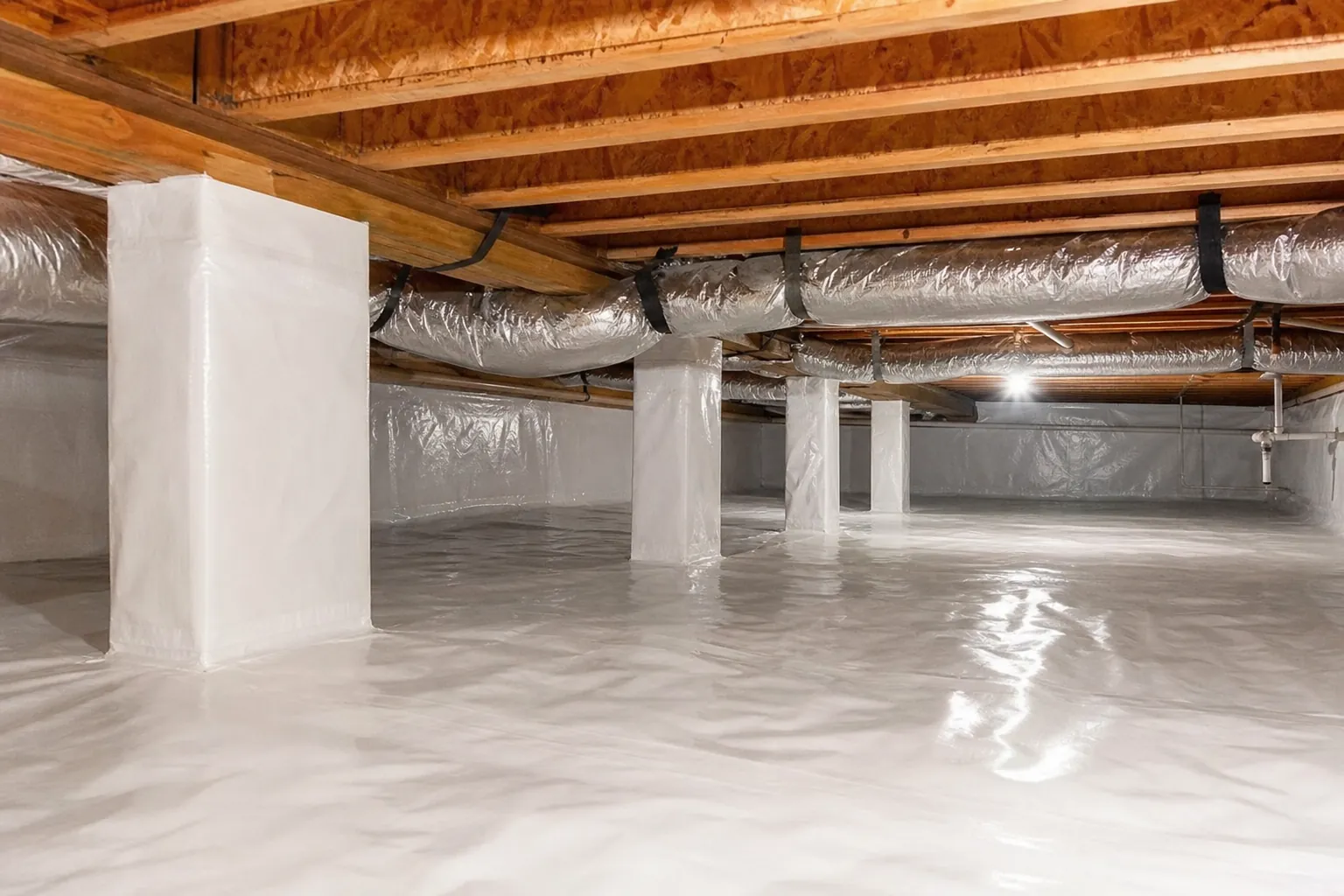
Moisture beneath a home can affect far more than the crawl space itself. Damp air, musty odors, pests, and damaged insulation may influence indoor comfort and create conditions that threaten wood framing over time. For homeowners considering crawl space encapsulation in Goldsboro, NC, the goal is to create a cleaner, drier, and more manageable area below the living space.
Carolina Encapsulation Company helps North Carolina homeowners address crawl space moisture with solutions based on the property's actual conditions. A thoughtful encapsulation project does not simply cover the soil. It considers drainage, outside water sources, foundation vents, insulation, air sealing, and humidity control as parts of one system.
Why Goldsboro Crawl Spaces Develop Moisture Problems
Goldsboro's warm, humid seasons can be difficult for traditional vented crawl spaces. Outdoor air entering through foundation vents may contain substantial moisture. When that air reaches cooler surfaces beneath the home, relative humidity rises and condensation can form on ductwork, pipes, insulation, or framing.
Ground moisture is another common contributor. Exposed soil continually releases water vapor into the crawl space. A thin, loose, or damaged ground cover may not provide enough protection, especially if seams are open or the material does not extend securely to foundation walls and supports.
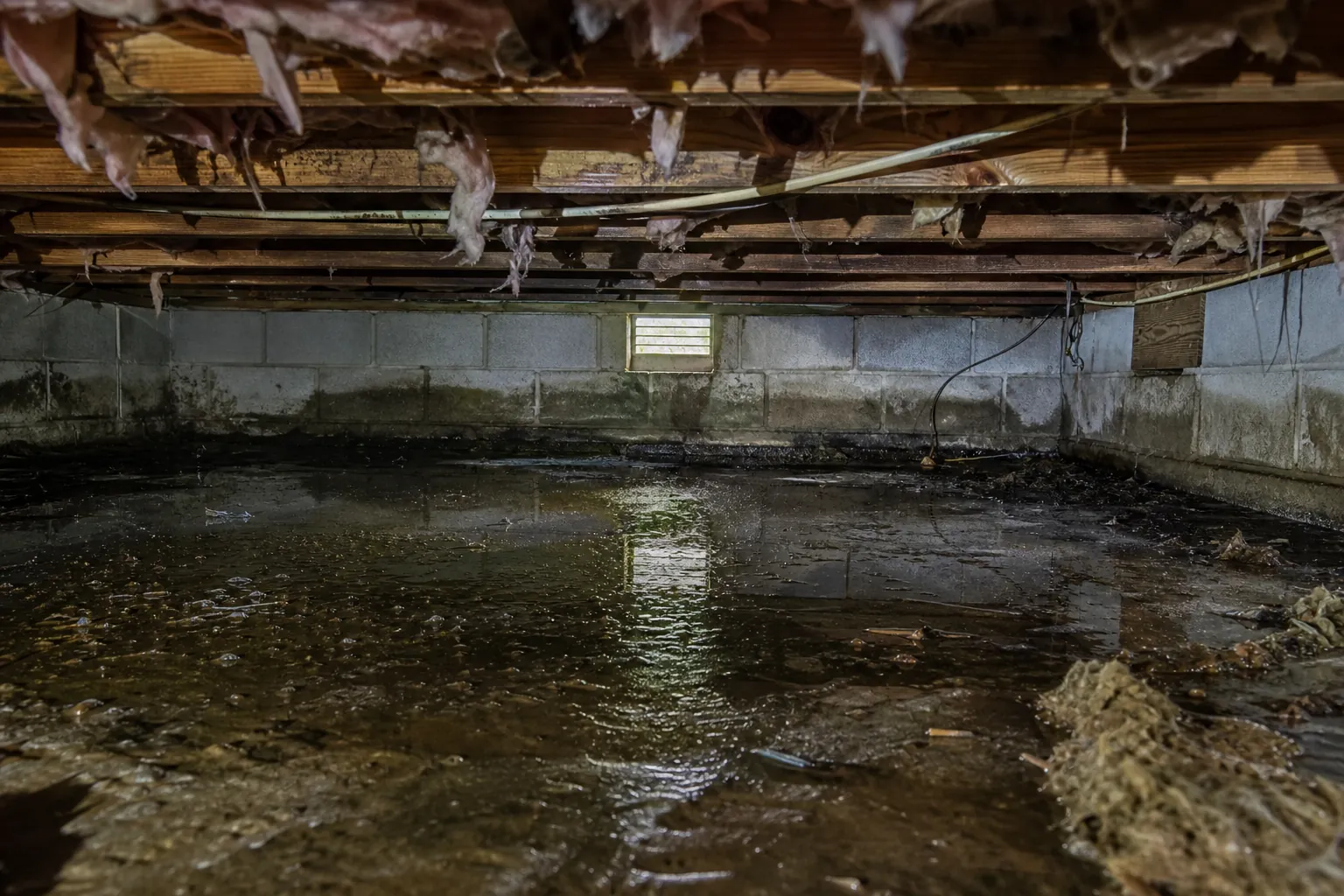
Rainwater can also collect near the foundation due to clogged gutters, short downspouts, poor grading, plumbing leaks, or drainage issues. Encapsulation can control vapor and humid air, but active bulk water should be corrected as part of the overall moisture plan. Otherwise, water may remain trapped beneath or around the liner.
Signs Your Home May Need Encapsulation
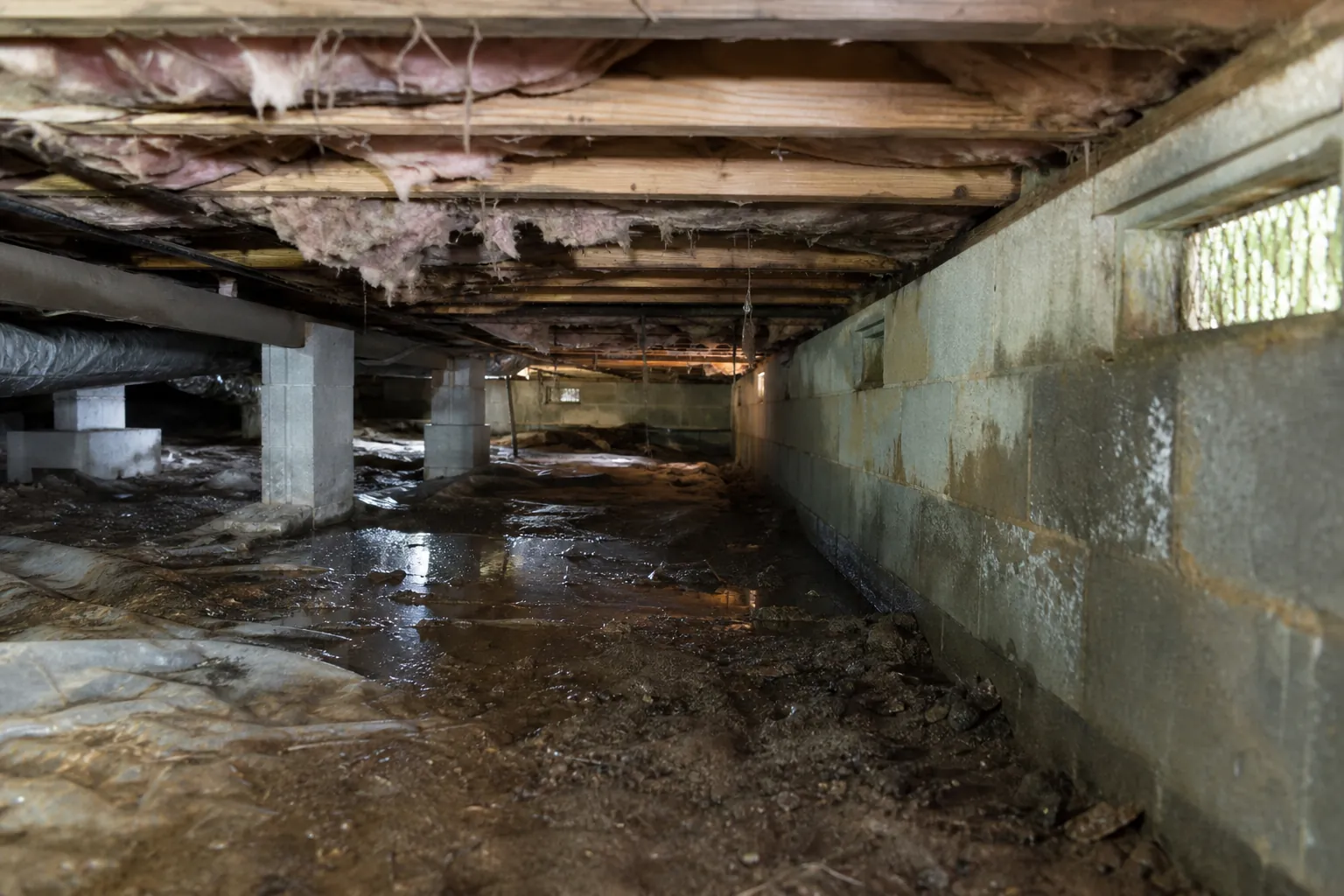
Crawl space trouble is not always visible from inside the house. Some warning signs are subtle, while others appear only during humid weather or after heavy rain. A professional inspection can identify the source and extent of the problem rather than relying on guesswork.
Common signs that deserve attention include:
- Musty or earthy odors that reach first-floor rooms
- Standing water, damp soil, or condensation below the home
- Sagging, stained, or fallen fiberglass insulation
- Visible fungal growth or discoloration on floor joists
- Rust on metal supports, fasteners, pipes, or HVAC equipment
- Soft wood, damaged subflooring, or uneven floors
- Elevated indoor humidity or persistent comfort problems
- Pest activity, torn vapor barriers, or debris in the crawl space
- Unusually high heating and cooling use without an obvious cause
These symptoms do not all have the same cause. For example, a plumbing leak requires a different correction than humid air entering through open vents. A good assessment separates water intrusion, vapor movement, condensation, and existing material damage before work begins.
What A Complete Encapsulation System Includes
A crawl space encapsulation system creates a sealed boundary between the home and moisture sources below it. The process typically begins with clearing debris and evaluating any damaged insulation or organic growth. Necessary drainage or repair work should be addressed before the new liner is installed.
A durable vapor barrier is then fitted across the ground and extended up foundation walls and around piers. Seams, penetrations, and edges are sealed to limit exposed soil and reduce vapor entry. Wall attachments must be secure and detailed carefully around supports, access doors, plumbing lines, and other obstacles.
Foundation vents and other unwanted air pathways are commonly sealed. The access door may also need weather-resistant improvements so humid outdoor air does not continuously enter the enclosed area. Depending on the home, rim joist air sealing and appropriate insulation strategies may further improve performance.
Humidity control is an essential part of many systems. A crawl space dehumidifier can remove moisture from enclosed air and drain automatically. Equipment selection should account for crawl space dimensions, conditions, and drainage options. Hygrometers or remote monitors can help homeowners track humidity after installation.
Benefits For Comfort And Home Protection
Encapsulation is primarily a moisture-management improvement. By reducing ground vapor and humid outdoor air, it helps create conditions that are less favorable for odors, condensation, wood decay, and moisture-related pest activity. It can also keep insulation and mechanical components in a cleaner environment.
Because air moves between the crawl space and living areas through gaps in the floor system, conditions below the home may influence the air above. Sealing the crawl space can reduce the movement of musty air and outdoor humidity into first-floor rooms. Results vary based on HVAC performance, building leakage, and other sources of indoor moisture.
A sealed crawl space may also support more consistent floor temperatures and reduce uncontrolled air exchange. Encapsulation should not be presented as a guaranteed cure for high energy bills, but it can be a useful component of a broader home performance plan when air leakage and insulation are addressed correctly.
How To Plan The Right Project
Not every home needs the same materials or equipment. Crawl space size, foundation type, drainage, grading, ductwork, plumbing, existing insulation, and access conditions all affect the scope. Homes with recurring standing water may need an interior drainage channel, sump pump, exterior corrections, or a combination of measures before encapsulation.
Ask for an explanation of the recommended liner, seam treatment, wall coverage, vent sealing, drainage approach, dehumidification, and warranty. It is also wise to clarify how termite inspection gaps will be handled. In North Carolina, maintaining visibility where required can help support future pest inspections without undermining moisture control.
After installation, homeowners should keep gutters clear, direct downspouts away from the foundation, watch for plumbing leaks, and check humidity readings periodically. The dehumidifier filter and drain should be maintained according to the manufacturer's instructions. Occasional inspections can catch accidental liner damage or drainage problems early.
Schedule A Crawl Space Evaluation
If your Goldsboro home has musty odors, damp insulation, condensation, or persistent crawl space humidity, an evaluation can provide a clearer path forward. Carolina Encapsulation Company can review the area, identify likely moisture sources, and explain practical options suited to the property.
For calm, straightforward guidance on crawl space encapsulation in Goldsboro and other North Carolina communities, call Carolina Encapsulation Company at 704-207-9348. The first step is understanding what is happening below your home and choosing a solution that addresses the cause.
Call 704-207-9348 to talk through next steps.