Understanding crawl space encapsulation costs in Greensboro
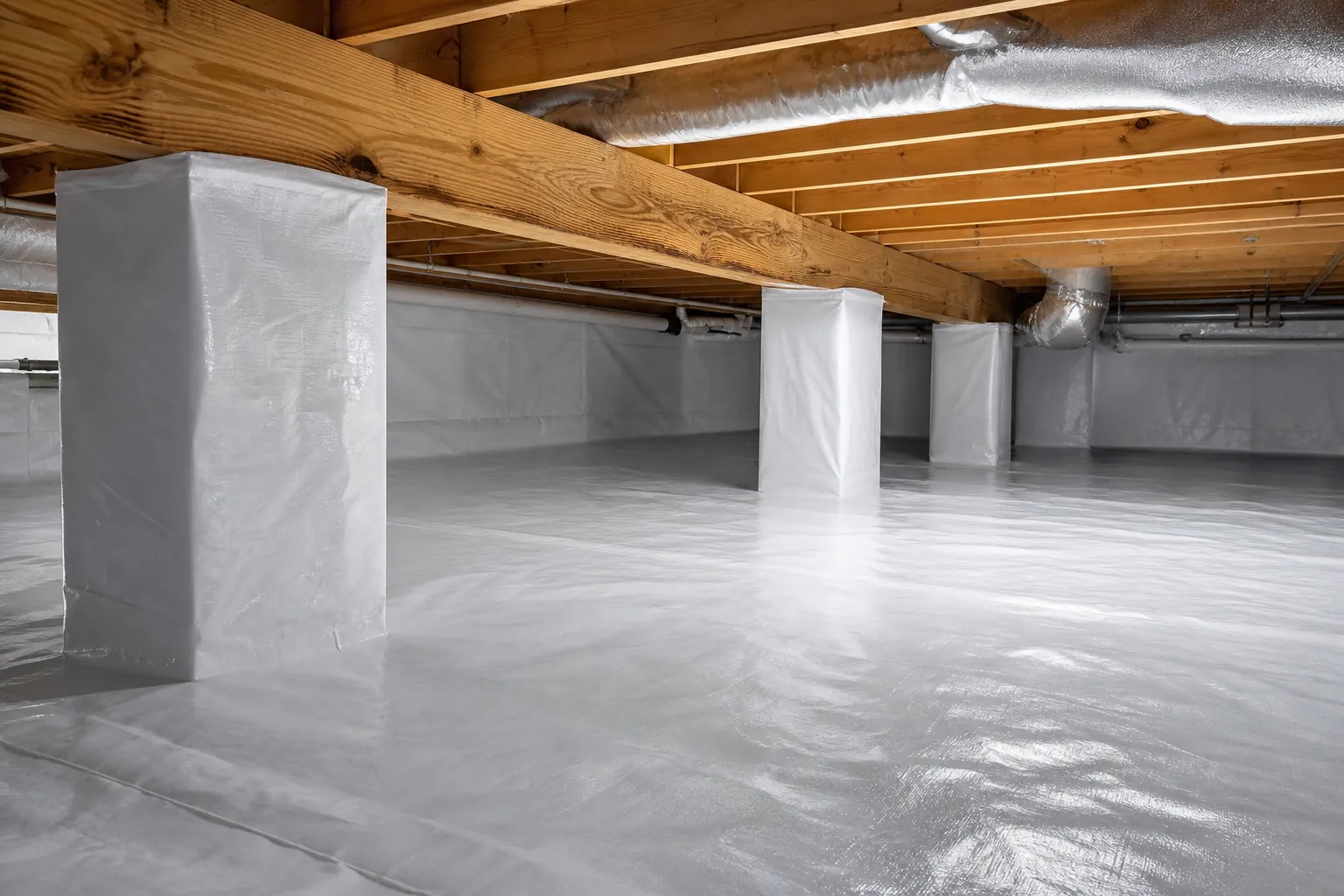
Homeowners researching crawl space encapsulation Greensboro cost often find a wide range of numbers. That is because every crawl space has a different size, moisture level, access point, foundation layout, and repair history. A short, dry crawl space with no damage requires a different plan than a large area with standing water, mold growth, or failing insulation.
In Greensboro, North Carolina, humid summers, periods of heavy rain, and moisture rising from exposed soil can create persistent crawl space problems. Encapsulation helps control that environment by separating the crawl space from ground moisture and humid outdoor air. Understanding the work involved makes it easier to compare proposals based on value rather than price alone.
What does crawl space encapsulation cost in Greensboro?
A professional encapsulation project may cost several thousand dollars, with many complete systems falling roughly between $5,000 and $15,000. Small, straightforward projects can be lower, while large crawl spaces requiring drainage, structural work, mold treatment, or extensive preparation may exceed that range.
Square-foot pricing can be useful for early budgeting, but it rarely tells the whole story. Two crawl spaces with the same footprint may have significantly different costs if one is clean and accessible while the other has standing water, debris, damaged insulation, or limited working clearance.
A dependable estimate should be based on an on-site inspection. The proposal should explain the moisture sources, recommended materials, preparation work, equipment, and any repairs priced separately. This gives you a clearer picture of what you are buying and reduces the chance of unexpected additions after work begins.
Factors that influence the final price
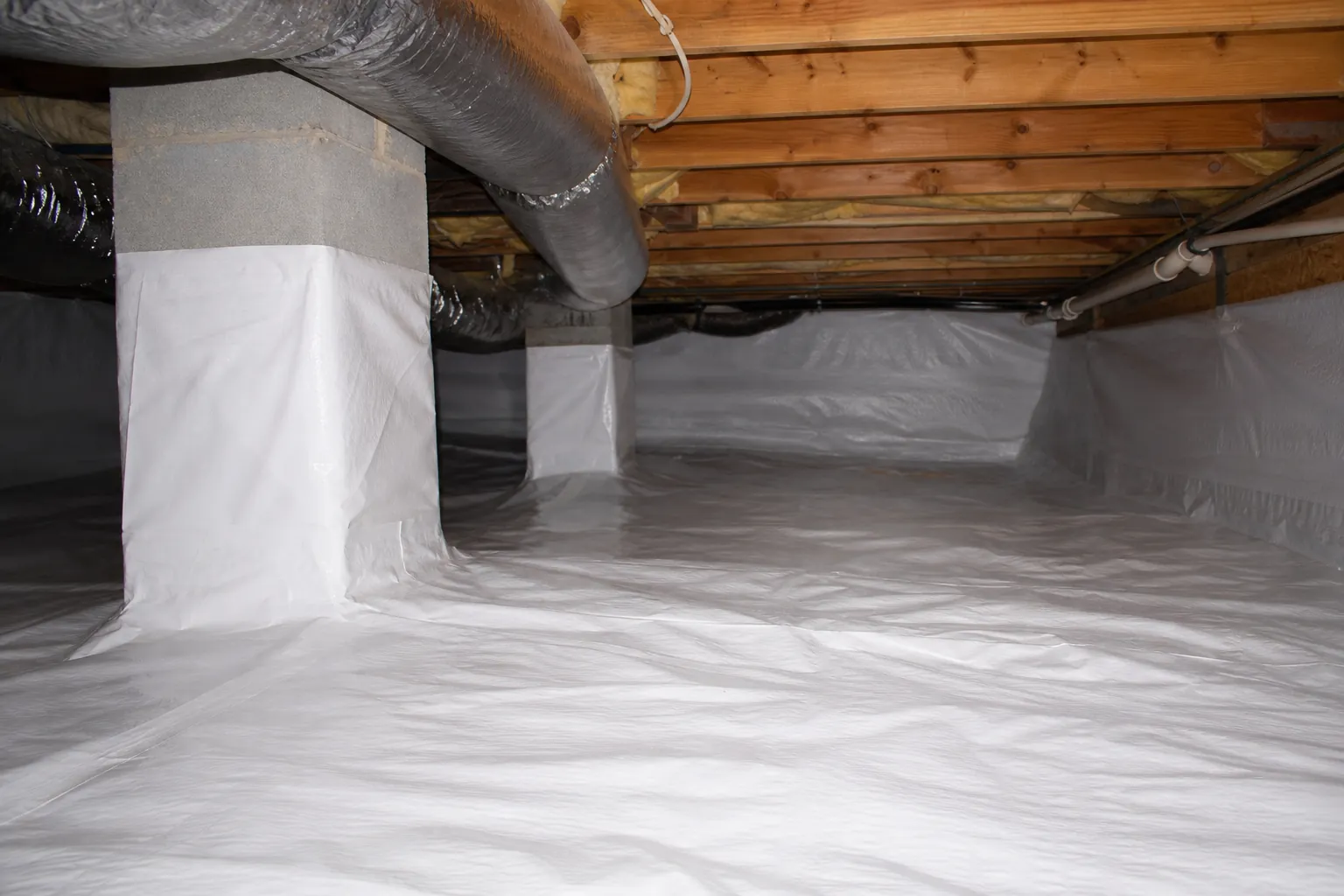
The size of the crawl space is an important factor because larger areas need more liner, sealing materials, labor, and installation time. Height and accessibility matter too. Tight areas around ductwork, plumbing, piers, and additions can require more detailed cutting and sealing.
Water conditions also affect scope. A vapor barrier can limit moisture vapor from the soil, but it cannot correct active flooding by itself. If rainwater enters through foundation walls or collects at low points, the plan may need drainage improvements, a sump pump, or exterior water-management recommendations.
Common price factors include:
- Crawl space dimensions: Total floor area, wall area, height, and number of foundation piers influence material use.
- Existing insulation: Wet, fallen, or contaminated insulation may need to be removed and disposed of before encapsulation.
- Moisture and microbial growth: Surface cleaning or professional remediation may be recommended when growth is present.
- Water intrusion: Interior drains, sump equipment, grading corrections, or gutter improvements can add to the project.
- Vapor barrier quality: Liner thickness, durability, seam treatment, and attachment methods affect performance and price.
- Air sealing: Closing vents and sealing wall penetrations, access doors, and gaps requires careful labor.
- Humidity control: A correctly sized crawl space dehumidifier adds equipment and electrical costs.
- Repairs: Damaged joists, subflooring, support posts, or ductwork may require attention before the space is sealed.
What a complete encapsulation system should include
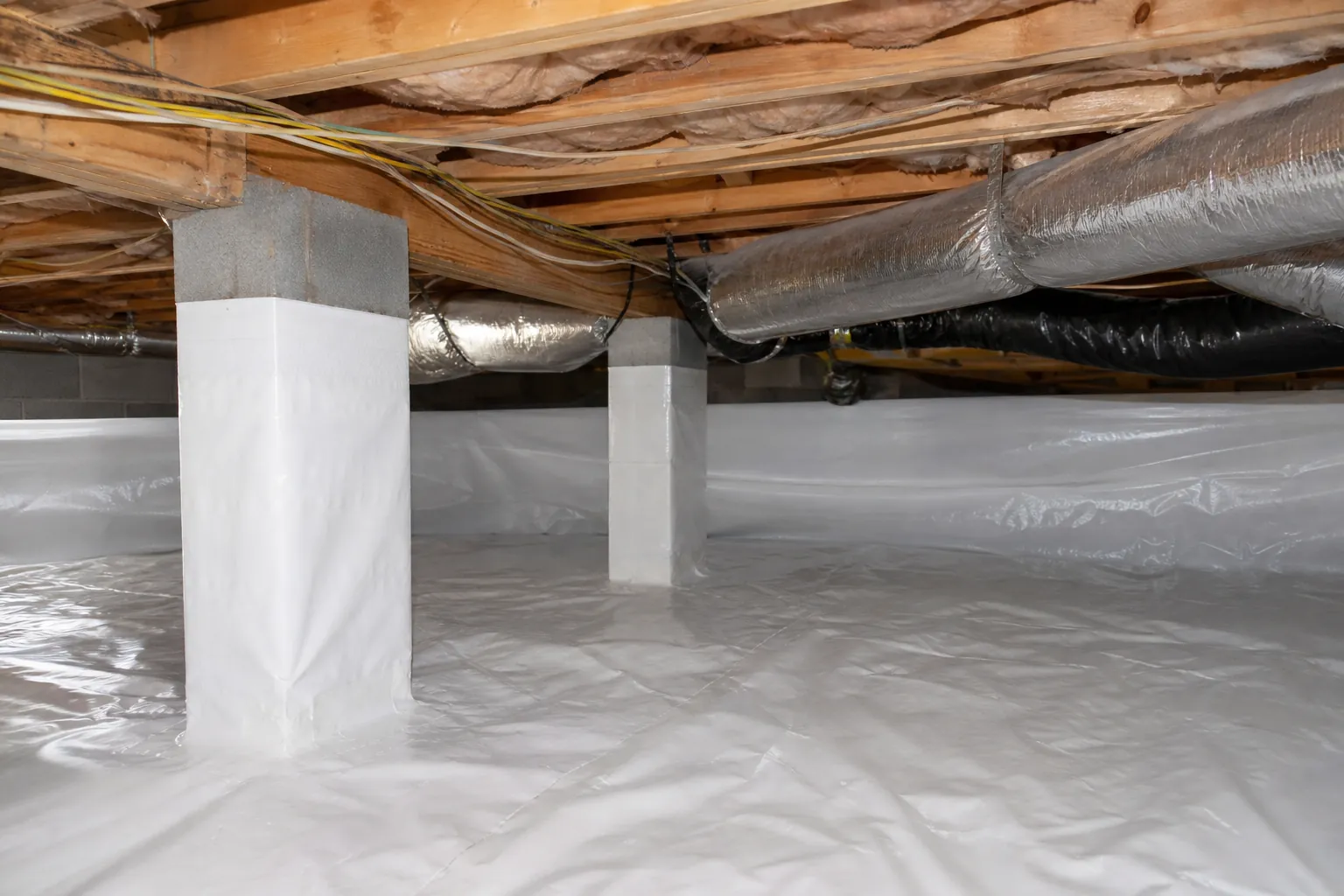
Encapsulation is more than placing plastic over the ground. A complete system creates a continuous moisture barrier and establishes a practical way to manage humidity. Preparation usually begins with removing debris, evaluating insulation, identifying leaks, and addressing standing water.
A reinforced liner is then fitted across the floor and around piers. Seams are overlapped and sealed, while the liner is extended and secured up foundation walls according to the system design. Open vents and penetrations are sealed to reduce humid outside air entering the space. The access door may also need weatherstripping or replacement.
Many Greensboro homes benefit from a dehumidifier designed for crawl space conditions. Its capacity should match the space, and condensate needs a dependable discharge route. In homes with water intrusion, drainage and sump components should be installed before the area is encapsulated.
Ask whether the estimate includes cleanup, insulation removal, wall coverage, pier sealing, vent closures, the access door, humidity equipment, drainage, electrical work, and post-installation testing. Clear inclusions make contractor comparisons more meaningful.
Why the lowest quote may not be the lowest cost
A low proposal may cover only a basic ground liner, leaving vents open and foundation walls exposed. It may also exclude preparation, disposal, dehumidification, drainage, or detailed sealing around supports. Such an installation can look finished while still allowing moisture into the crawl space.
Materials matter, but installation quality is equally important. Loose seams, incomplete wall attachment, and unsealed penetrations can reduce effectiveness. Durable work should be neat, continuous, serviceable, and designed around actual site conditions.
When comparing estimates, request the liner specifications, equipment model, warranty terms, payment schedule, and written scope. Ask how the contractor determined the moisture source and how the proposed system addresses it. A thoughtful answer is more valuable than a generic package description.
Ways to plan your budget wisely
Start by separating essential moisture-control work from optional upgrades. Active water entry, plumbing leaks, unsafe wiring, and structural damage should be handled before cosmetic improvements. Addressing the cause first protects the encapsulation investment.
You can also ask whether the project can be completed in logical phases. However, avoid skipping components that must work together. Installing a premium liner without correcting regular standing water, for example, is unlikely to deliver the desired result.
After installation, monitor relative humidity and inspect the crawl space periodically. Keep gutters clear, direct downspouts away from the foundation, and correct plumbing leaks promptly. Routine maintenance can help the system perform well and prevent minor issues from becoming expensive repairs.
Get a site-specific Greensboro estimate
Online price ranges are useful for planning, but an inspection is the best way to determine the appropriate scope for your North Carolina home. Carolina Encapsulation Company can evaluate access, moisture, drainage, insulation, and existing damage before providing recommendations.
For a calm, straightforward conversation about your crawl space and expected costs, call Carolina Encapsulation Company at 704-207-9348. A site-specific estimate can help you compare solutions confidently and choose work that fits the conditions beneath your home.
Call 704-207-9348 to talk through next steps.