Crawl space encapsulation for Greensboro homes
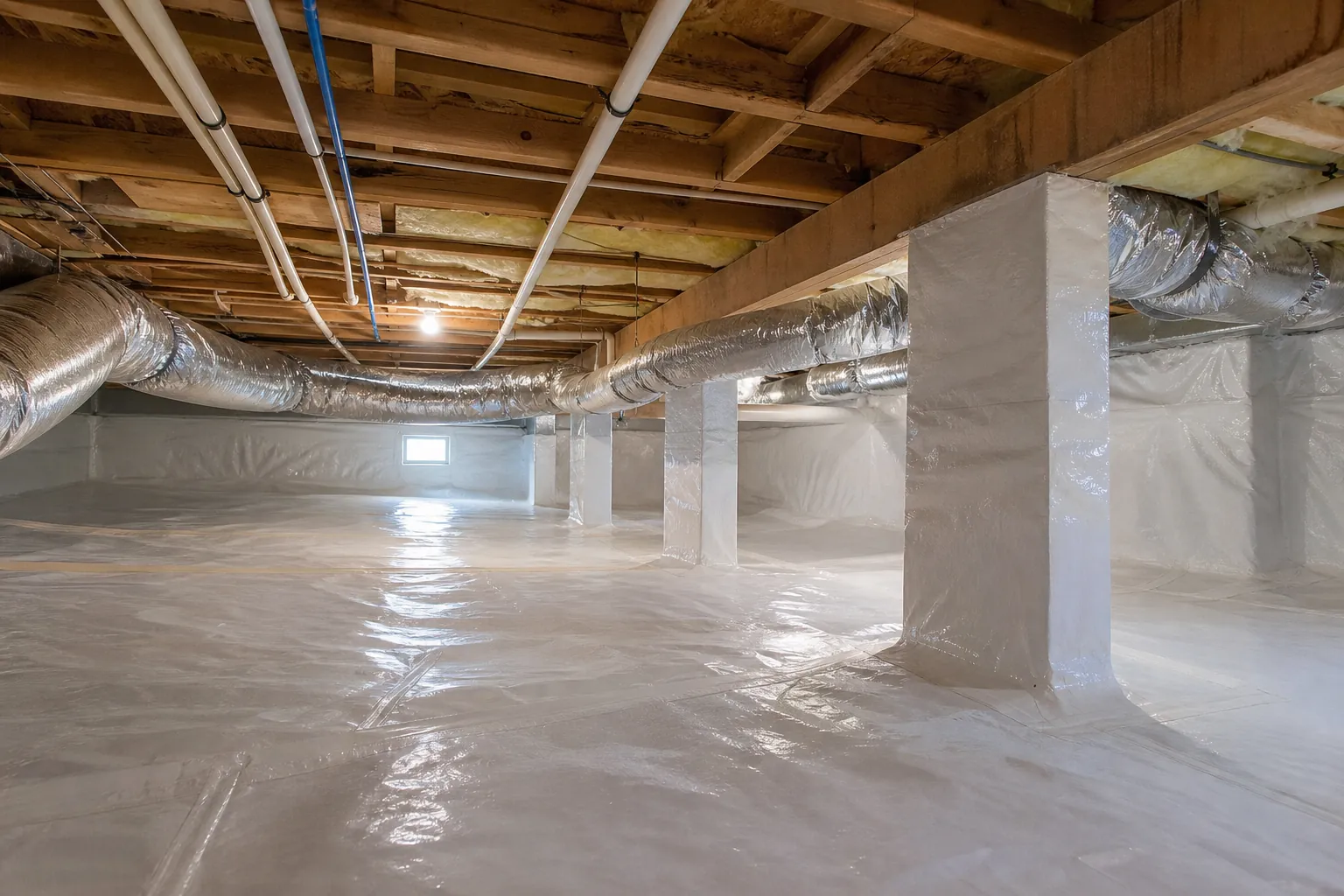
Moisture beneath a home rarely stays confined to the crawl space. Damp air, musty odors, and high humidity can move upward through gaps around plumbing, wiring, and flooring. Over time, those conditions may affect indoor comfort, wood framing, insulation, and air quality.
Carolina Encapsulation Company provides crawl space encapsulation in Greensboro, NC, for homeowners who want a practical way to manage moisture below their living space. A properly designed system addresses the sources of dampness instead of simply covering visible soil or replacing damaged insulation.
Why Greensboro Crawl Spaces Develop Moisture Problems
North Carolina's humid climate creates persistent challenges for vented crawl spaces. During warm weather, outdoor air enters through foundation vents and meets cooler surfaces below the home. As that air cools, relative humidity rises, sometimes creating condensation on ductwork, pipes, joists, and other building materials.
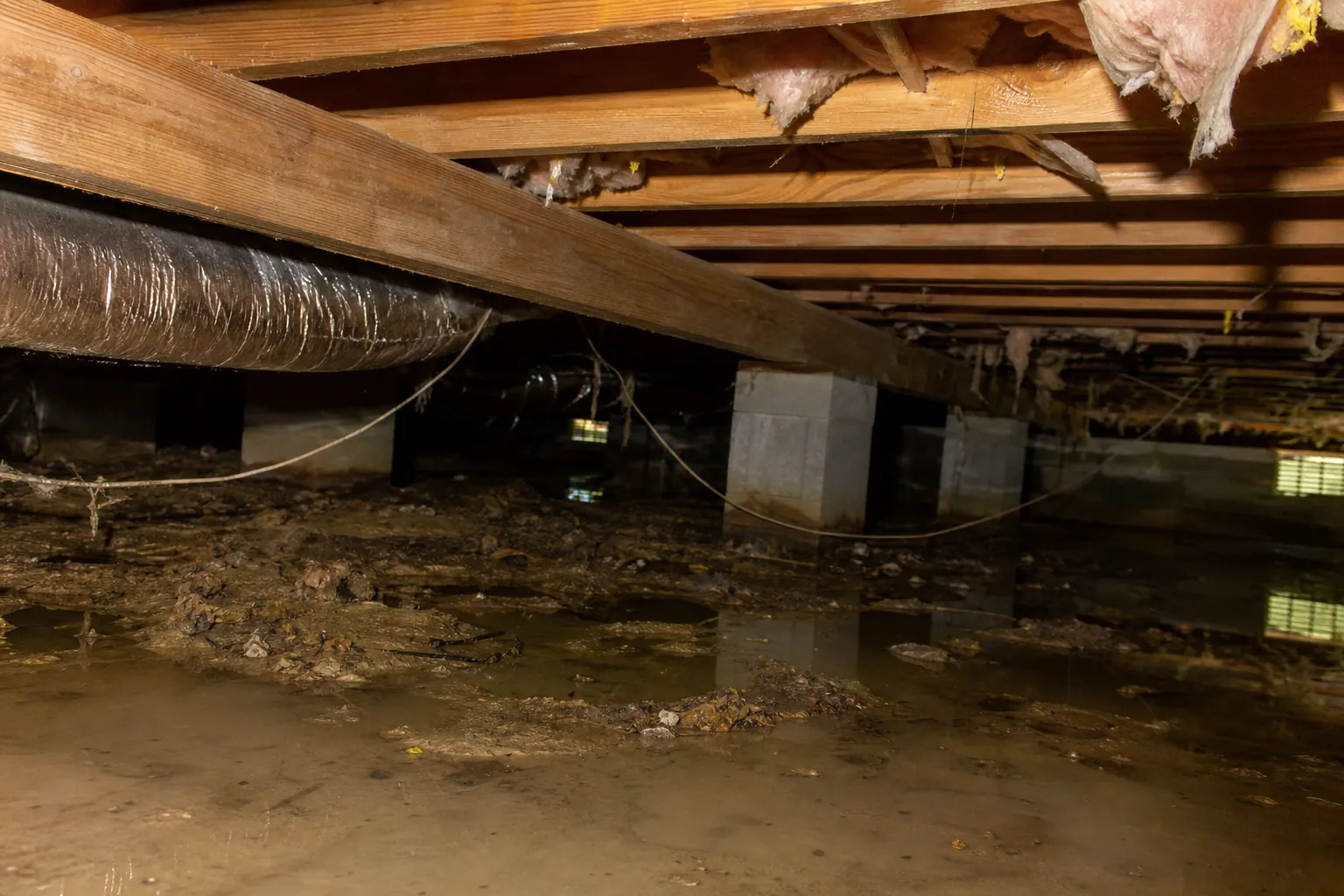
Ground moisture is another common contributor. Even when soil appears dry, water vapor can migrate upward into the crawl space. Poor grading, clogged gutters, short downspouts, plumbing leaks, and inadequate drainage may add even more moisture.
Because several issues can occur at once, an effective plan should begin with a careful inspection. The goal is to identify where water and humid air are entering, then select components that fit the home's actual conditions.
What Crawl Space Encapsulation Includes
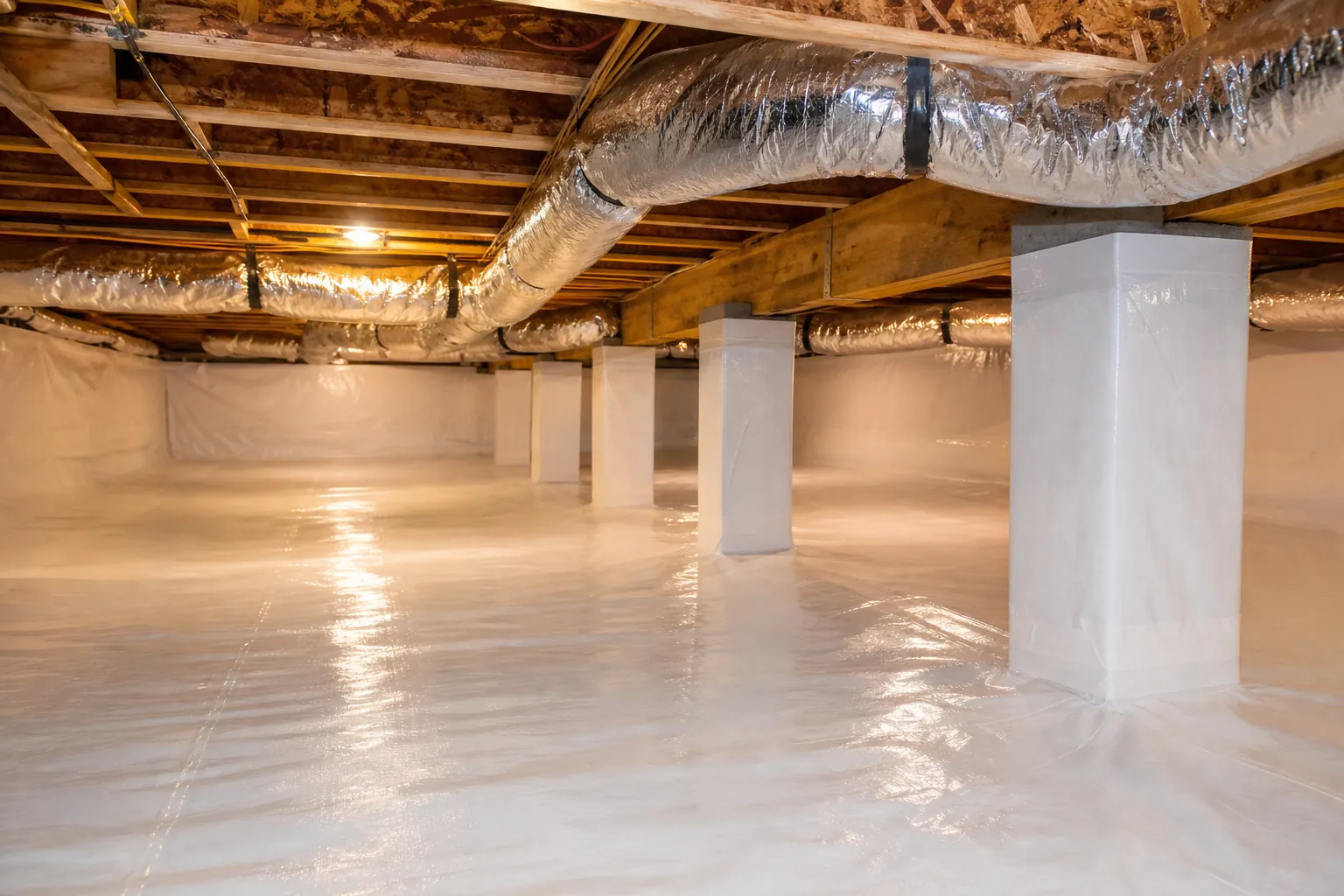
Encapsulation creates a cleaner, more controlled environment beneath the home. The process typically involves covering exposed soil and foundation surfaces with a durable vapor barrier, sealing outside vents and air gaps, and managing remaining humidity. Details matter because loose seams, uncovered walls, or unsealed penetrations can reduce the system's performance.
Depending on the crawl space, a complete project may include:
- A detailed moisture evaluation: Humidity readings, visible water patterns, drainage conditions, insulation, wood, and ductwork are reviewed before recommendations are made.
- Ground preparation: Debris and materials that could damage the liner are removed or adjusted to create a suitable installation surface.
- A reinforced vapor barrier: Heavy-duty material is installed across the ground and secured at seams, piers, and foundation walls to limit soil vapor.
- Vent and penetration sealing: Foundation vents and gaps around utilities are sealed to reduce the entry of humid outdoor air.
- Drainage corrections: When standing water or seepage is present, solutions such as improved exterior drainage, interior channels, or a sump pump may be considered.
- Humidity control: A properly sized crawl space dehumidifier can help maintain stable conditions after air and ground moisture sources are addressed.
- Insulation planning: Wet, fallen, or contaminated insulation may need removal, followed by an approach appropriate for the encapsulated space.
Not every home needs every component. A clear proposal should explain which measures are recommended, what each one accomplishes, and how they work together.
Signs Your Home May Benefit From Encapsulation
Crawl space trouble is not always obvious from inside the house. Some homeowners first notice an earthy smell, cold floors, or indoor humidity that seems difficult to control. Others discover the issue during a plumbing repair, pest inspection, or home sale.
Visible condensation on ducts, damp soil, rusty fasteners, sagging insulation, efflorescence on masonry, or fungal-like growth on wood can indicate excess moisture. Pooled water after heavy rain deserves prompt attention because encapsulation alone is not intended to trap active water beneath a liner.
Floor movement, soft wood, or persistent odors may point to more advanced conditions. These symptoms do not automatically reveal the cause, so professional evaluation is important. Structural damage, plumbing leaks, and suspected mold may also require input from appropriately qualified specialists.
How Encapsulation Can Support The Entire Home
A sealed and conditioned crawl space can help reduce the moisture load beneath the floor system. This may make indoor humidity easier to manage and limit the pathways through which musty air enters occupied rooms. It can also protect fiberglass insulation from becoming damp, heavy, or displaced.
Wood framing performs best when it remains dry. By reducing chronic humidity and ground vapor, encapsulation helps create conditions that are less favorable for moisture-related deterioration. It can also make the area brighter and cleaner for future inspections, HVAC service, and plumbing work.
Energy performance may improve in some homes, especially when leaky vents and air gaps are sealed. Actual results vary based on HVAC design, insulation levels, building condition, and occupant habits. Encapsulation should be viewed as part of a broader moisture and home-performance strategy rather than a one-size-fits-all repair.
Why Installation Quality Matters
Installing plastic over the dirt is not the same as encapsulating a crawl space. Thin material can tear, poorly taped seams can separate, and uncovered foundation areas can continue releasing moisture. If bulk water is ignored, it may collect underneath the barrier and conceal an unresolved drainage problem.
A professional installation accounts for columns, steps, irregular walls, low-clearance areas, access doors, and utility penetrations. It also considers how equipment will be serviced and how the system can be inspected over time. Neat attachment points and properly sealed transitions improve both durability and moisture control.
Homeowners should ask what liner is being used, how seams and piers will be sealed, whether wall coverage is included, and how humidity will be monitored. It is also helpful to understand the maintenance needs of dehumidifiers, sump pumps, discharge lines, and filters.
Planning A Crawl Space Project In Greensboro
The best time to address crawl space moisture is before it leads to widespread damage, but it is never wise to rush into a generic solution. Start with an inspection that separates groundwater, surface runoff, plumbing leaks, outdoor humidity, and soil vapor. Each source calls for a different response.
Before the appointment, note when odors are strongest, whether water appears after storms, and which rooms feel humid or uncomfortable. Make sure the crawl space entrance is accessible if possible. These details can help connect conditions below the home with symptoms upstairs.
Carolina Encapsulation Company helps North Carolina homeowners understand their crawl spaces and evaluate sensible moisture-control options. For a calm, straightforward discussion about your Greensboro property, call 704-207-9348 to arrange an assessment.
Call 704-207-9348 to talk through next steps.