Crawl space encapsulation for Mooresville homes
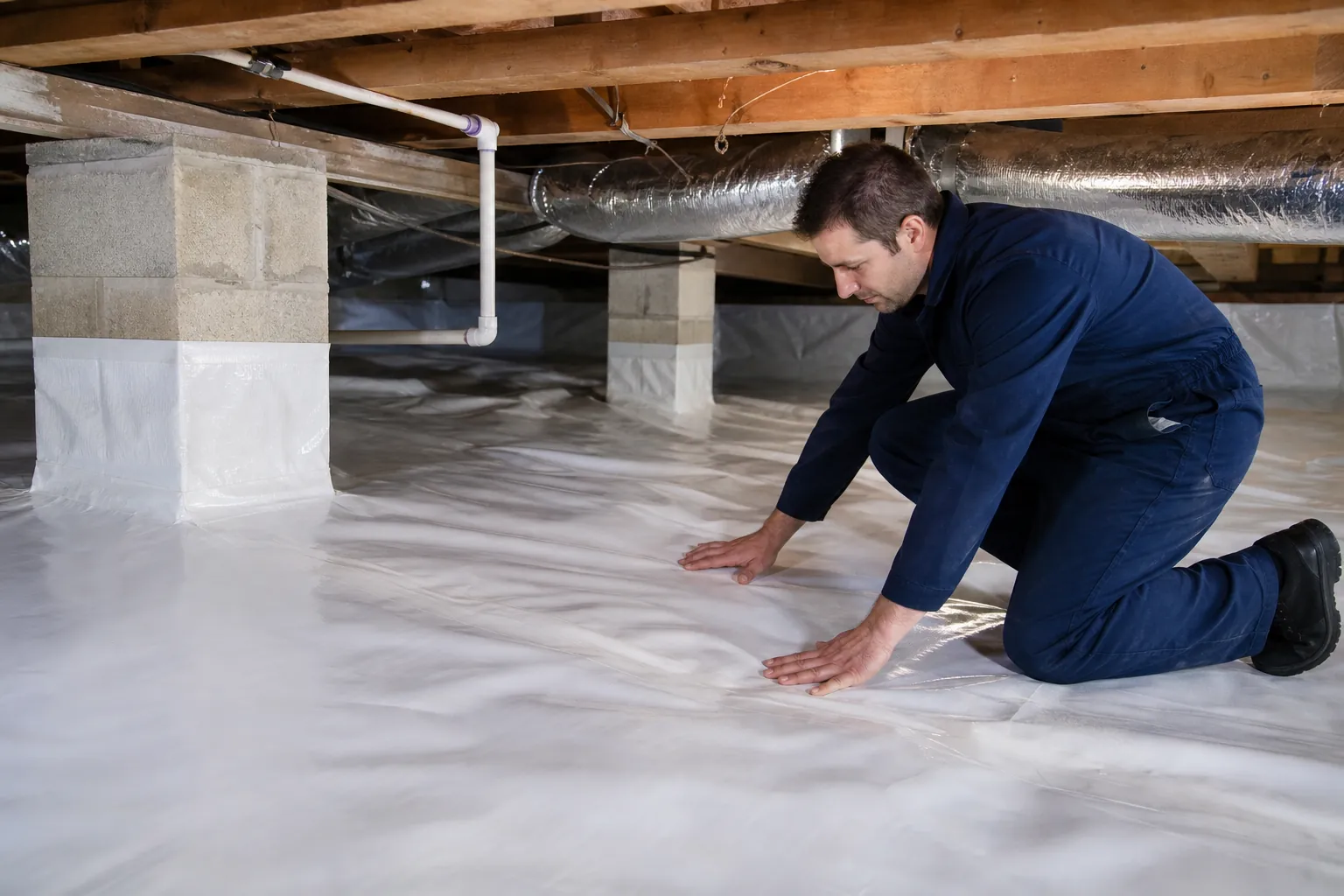
Mooresville homeowners may not spend much time thinking about the area beneath their floors, but the crawl space can have a major effect on indoor comfort, air quality, and structural conditions. North Carolina's warm, humid seasons create an environment where ground moisture and outdoor air can collect below a home. Over time, that moisture may contribute to musty odors, damp insulation, wood decay, pest activity, and uneven indoor humidity.
Professional crawl space encapsulation in Mooresville, NC, helps create a cleaner, drier, and more controlled area beneath the house. Carolina Encapsulation Company evaluates each property individually and recommends practical moisture-control measures based on the home's construction, drainage, and current crawl space conditions.
Why Mooresville Crawl Spaces Develop Moisture Problems
Traditional vented crawl spaces were designed to move outdoor air below the home. In a humid climate, however, that air can carry substantial moisture. When warm outdoor air enters a cooler crawl space, condensation may form on ductwork, plumbing, floor framing, and other surfaces.
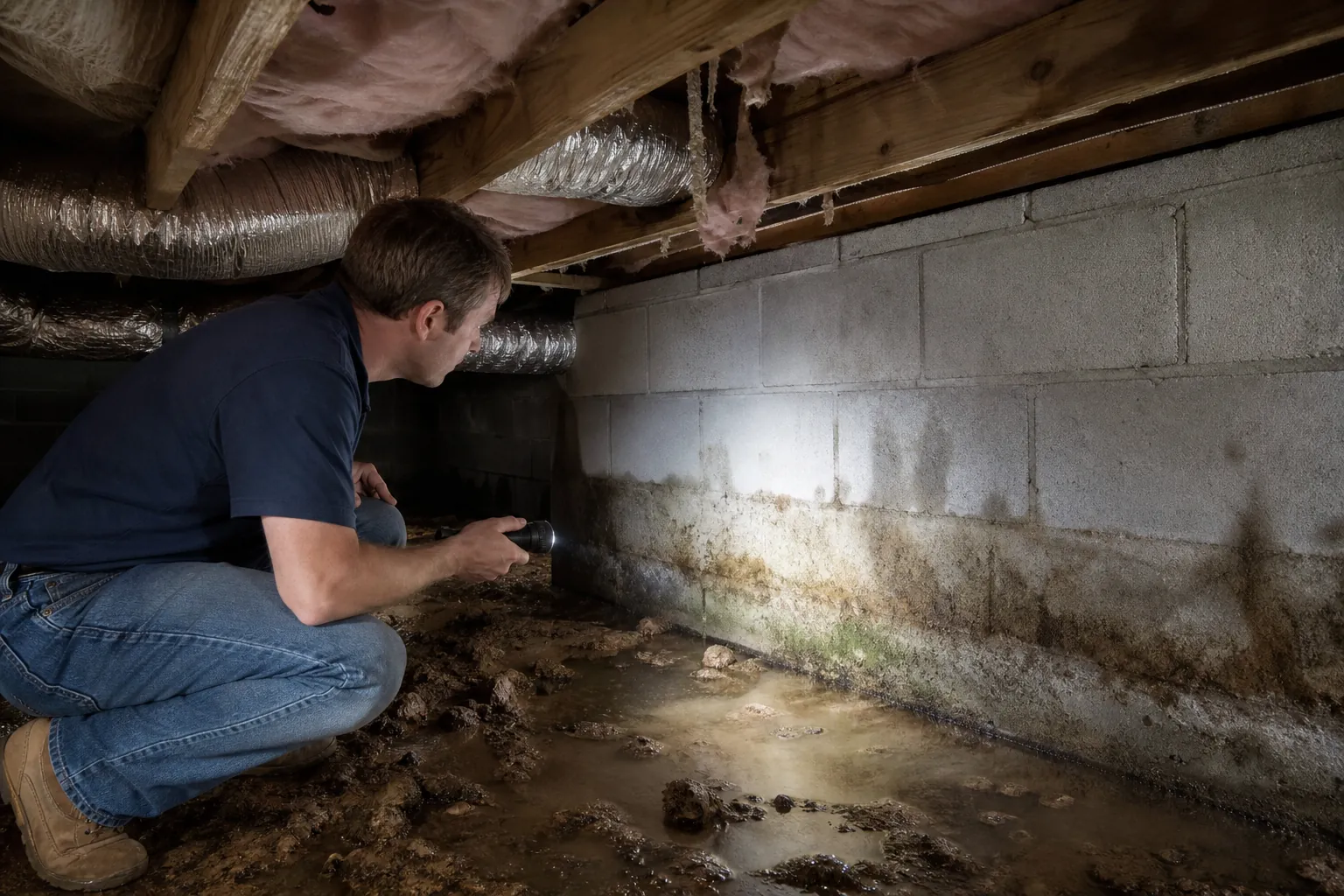
Moisture can also rise naturally from exposed soil. Even ground that looks dry can release water vapor into the crawl space. Plumbing leaks, poor grading, clogged gutters, short downspouts, and groundwater intrusion can add to the problem. Because several moisture sources may be present at once, simply covering one damp spot or installing a fan is not always enough.
A thorough inspection helps identify where water and humidity originate. This allows the encapsulation plan to address the actual causes instead of temporarily covering visible symptoms.
What Crawl Space Encapsulation Typically Includes
Encapsulation is a moisture-management system rather than a single product. The process generally involves isolating the crawl space from exposed earth and humid outside air. Before installation, debris and damaged materials may need to be removed, and active leaks or drainage concerns should be corrected.
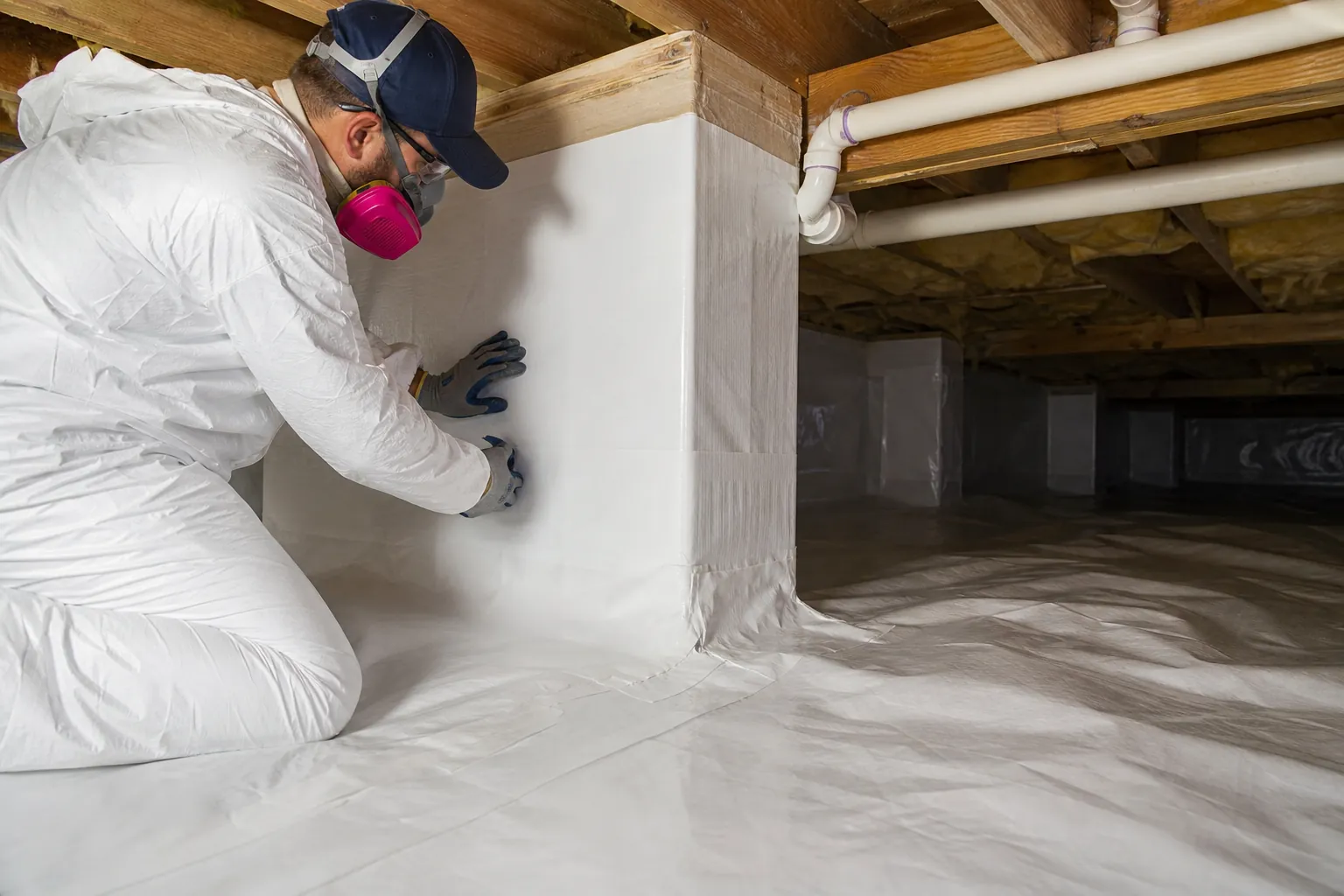
A durable vapor barrier is then installed across the ground and extended to appropriate vertical surfaces. Seams, penetrations, piers, and edges are carefully sealed to reduce pathways for water vapor. Crawl space vents and other outside-air openings may also be sealed when appropriate for the home.
Depending on site conditions, a complete project may involve:
- Ground vapor protection: A reinforced liner limits moisture evaporation from exposed soil.
- Wall and pier detailing: Proper attachment and sealing create a more continuous moisture barrier.
- Vent and air-gap sealing: Closing uncontrolled openings helps reduce humid outdoor air infiltration.
- Drainage improvements: Interior drains, sump systems, or exterior water-management corrections may be recommended where water enters.
- Humidity control: A crawl space dehumidifier can help maintain more stable conditions after sealing.
- Insulation assessment: Wet, fallen, or contaminated insulation may require removal or replacement.
- Access-door upgrades: A fitted, insulated door can improve the integrity of the sealed area.
Not every house needs every component. A reputable contractor should explain which measures are appropriate, why they matter, and how they work together.
Benefits Of A Cleaner, Drier Crawl Space
Encapsulation can help reduce the persistent dampness that allows mold and mildew to thrive. It may also lessen musty odors that migrate through gaps around wiring, plumbing, ductwork, and flooring. Since air from below the home can influence living areas, improving crawl space conditions may support a fresher indoor environment.
Lower moisture levels also help protect floor joists, subflooring, support beams, and other wooden components. Encapsulation cannot repair existing structural damage, but keeping the area drier may reduce the risk of continued moisture-related deterioration.
Home comfort can improve as well. A properly sealed and conditioned crawl space may reduce humid air entering the home and ease some of the workload on heating and cooling equipment. Actual energy results vary based on insulation, HVAC design, air sealing, and household habits, so homeowners should be cautious of guaranteed savings claims.
Encapsulation can also make the crawl space more accessible for inspections and maintenance. A bright, secured liner provides a cleaner surface for technicians who need to reach plumbing, electrical lines, or mechanical equipment.
Signs Your Home May Need An Evaluation
Some moisture issues are easy to see, while others appear first inside the home. Musty smells, high indoor humidity, cold or uneven floors, condensation on ducts, and recurring pest activity can all justify a closer look below the house.
Visible standing water calls for prompt attention because a vapor barrier alone is not designed to solve active flooding. Similarly, sagging floors, soft wood, extensive fungal growth, or damaged supports may require input from additional qualified professionals. Encapsulation is most effective when drainage, leaks, and structural concerns are handled in the correct order.
Homeowners should also schedule an inspection after major plumbing leaks, stormwater intrusion, or long periods of unusually wet weather. Catching developing issues early can make the recommended solution more focused and manageable.
How To Compare Encapsulation Proposals
Price is important, but two estimates may describe very different scopes of work. Ask each contractor how the crawl space will be prepared, what liner thickness and reinforcement will be used, how seams and supports will be detailed, and whether drainage or humidity equipment is included.
The proposal should clarify how termite inspection gaps are handled, particularly because North Carolina homes require ongoing access for pest monitoring. It should also identify any exclusions, electrical requirements, warranties, and recommended maintenance. Clear photos and plain-language explanations make it easier to understand the home's current conditions and compare solutions fairly.
Avoid choosing a system based only on liner appearance. Long-term performance depends on preparation, water control, careful sealing, suitable equipment, and workmanship around difficult areas.
Maintaining Your Encapsulated Crawl Space
A sealed crawl space still benefits from periodic attention. Homeowners should keep gutters clear, direct downspouts away from the foundation, watch for plumbing leaks, and confirm that exterior soil slopes away where practical. Dehumidifiers, sump pumps, and drainage components should be checked and serviced according to manufacturer guidance.
Routine inspections can identify torn liner sections, shifted seals, equipment faults, pest activity, or new water entry before conditions worsen. It is also wise to inspect after severe storms or repairs that require contractors to enter the crawl space.
Request A Crawl Space Assessment
Every home has different moisture pressures, access limitations, and construction details. Carolina Encapsulation Company provides crawl space evaluations for Mooresville homeowners seeking a clear understanding of conditions beneath their property. To discuss your crawl space and arrange an assessment, call 704-207-9348. The team can explain practical options without pressuring you into features your home may not need.
Call 704-207-9348 to talk through next steps.