Planning crawl space encapsulation for new construction
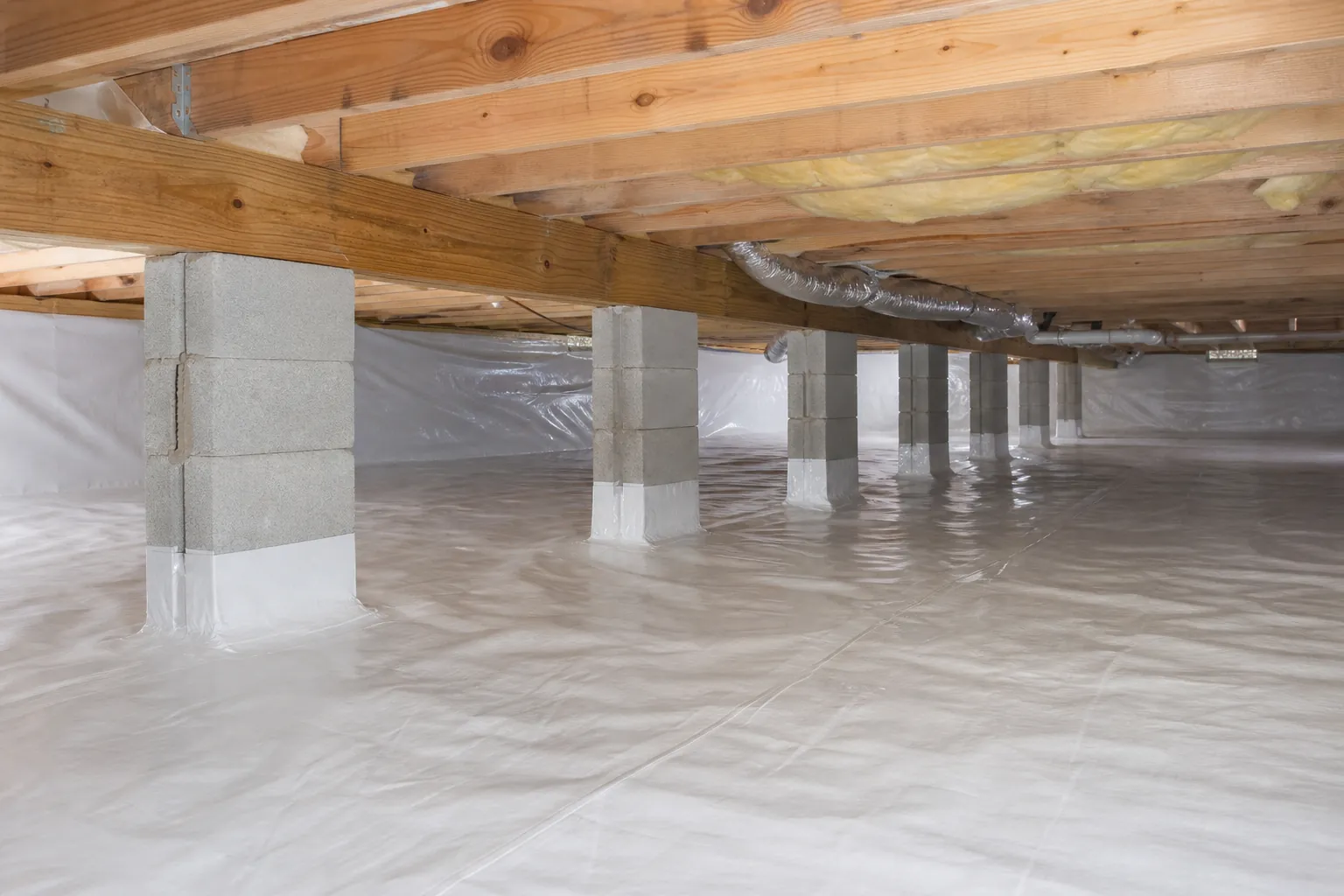
A new home offers a valuable opportunity to address crawl space moisture before it becomes a persistent problem. Instead of working around damp insulation, stored belongings, or existing mechanical systems, builders and homeowners can coordinate moisture control from the beginning.
In North Carolina, this planning matters. Humid summers, frequent rain, clay soils, and seasonal temperature changes can expose a vented crawl space to moisture. Crawl space encapsulation in new construction creates a cleaner, more controlled area beneath the home and helps protect the structure from long-term humidity.
Why New North Carolina Homes Need Moisture Planning
A newly built house is not automatically protected from crawl space moisture. Concrete, masonry, framing, and other construction materials can hold moisture while the home is being completed. Rain may also enter the foundation before the roof, grading, gutters, and drainage systems are finished.
After construction, outdoor air can carry additional humidity through traditional foundation vents. When warm, moist air reaches cooler crawl space surfaces, condensation may form on ductwork, plumbing, joists, or subflooring. Exposed soil can also release water vapor into the space.
An encapsulation system helps separate the crawl space from ground moisture and humid exterior air. When paired with drainage, air sealing, and appropriate humidity control, it supports more stable conditions below the living area.
What A New-Construction Encapsulation System Includes
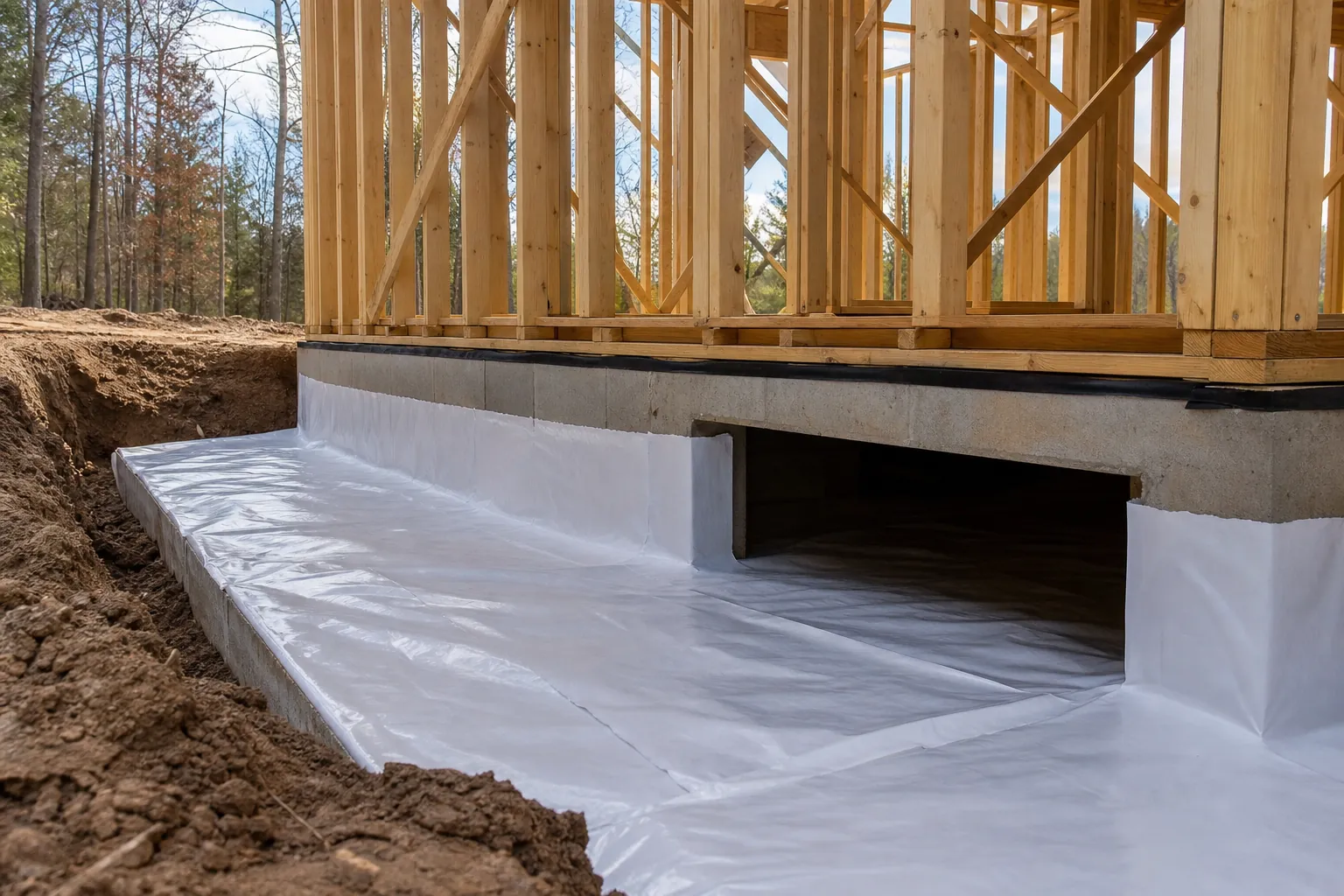
Encapsulation involves more than placing plastic over the soil. An effective system accounts for water management outside the foundation, potential water entry inside it, ground vapor, penetrations, access points, insulation, and mechanical equipment.
Depending on the site and house design, a new-construction plan may include:
- A durable ground vapor barrier: The liner covers exposed soil and is fitted around piers, pipes, and other obstacles.
- Sealed seams and edges: Compatible tapes, fasteners, and sealants help create continuous coverage rather than disconnected sheets.
- Foundation wall coverage: Extending material up the walls may reduce vapor movement through porous masonry while preserving any required inspection gap.
- Closed foundation vents: Vents are sealed as part of converting the area from a vented crawl space to a controlled space.
- Sealed penetrations: Gaps around plumbing, wiring, ducts, and framing are addressed where practical.
- Drainage provisions: Grading, gutters, downspout discharge, perimeter drainage, or a sump system may be needed when liquid water is a concern.
- Humidity management: A properly sized dehumidifier or another code-compliant conditioning strategy may help maintain target moisture levels.
- Accessible service areas: Clearances around HVAC equipment, plumbing valves, drains, and electrical components make future maintenance easier.
No single material solves every moisture issue. Bulk water should be corrected rather than trapped beneath a liner. The system must also fit the foundation type, local conditions, applicable codes, and the builder's construction sequence.
When To Install Encapsulation During Construction
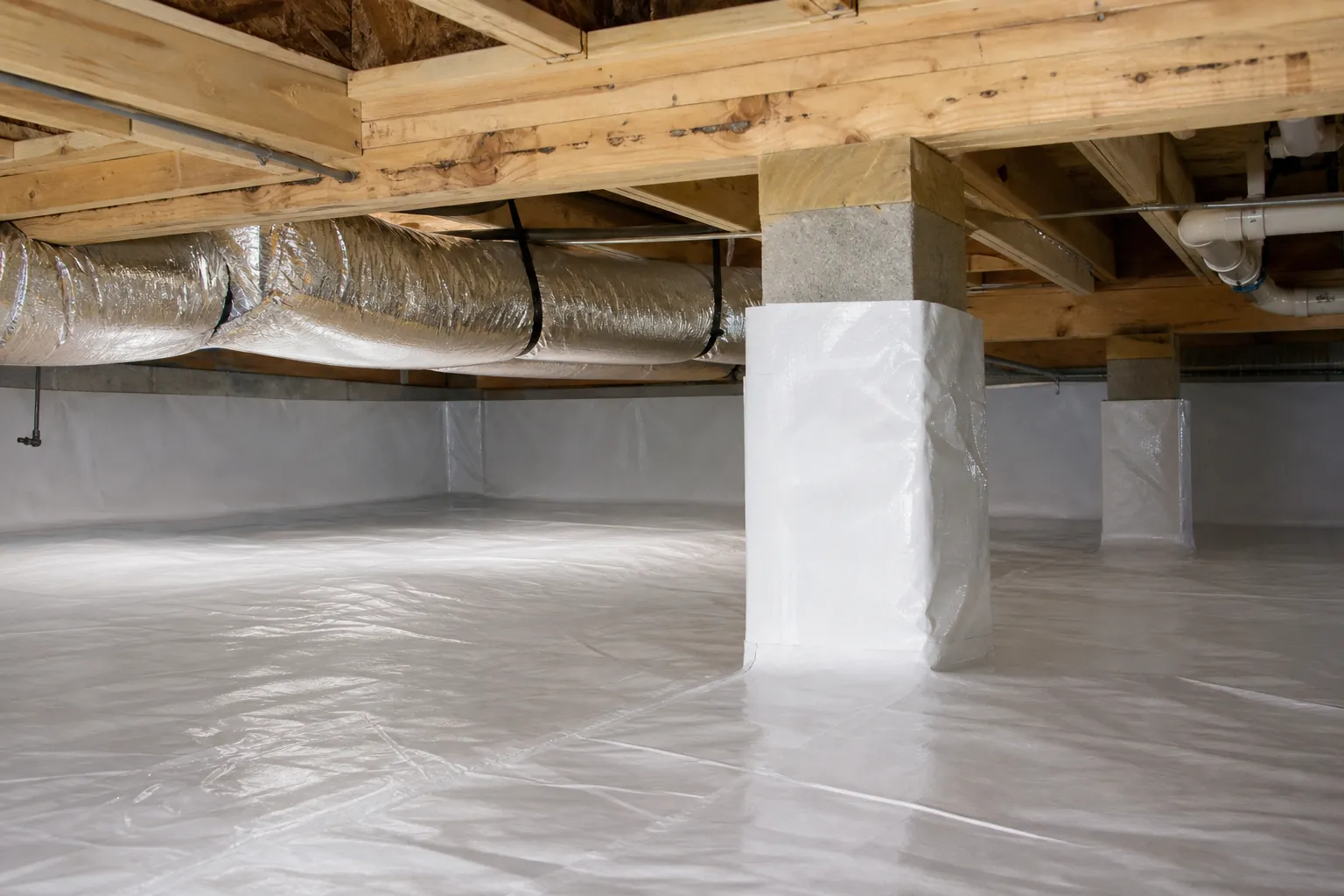
Early coordination is useful, but final installation should occur at the right stage. Installing a finished liner too soon can expose it to punctures, mud, masonry debris, sharp tools, and heavy trade traffic. Waiting until every system is complete, however, can make detailing around ducts and pipes more difficult.
The best schedule varies by project. Ideally, exterior grading and roof drainage are substantially complete, known water entry has been corrected, and major underfloor plumbing, electrical, and HVAC work is nearing completion. The crawl space should also be cleared of wood scraps, nails, masonry fragments, and organic debris.
Temporary ground coverage may be appropriate earlier in the build, with permanent sealing completed after high-traffic work subsides. The encapsulation contractor, builder, HVAC contractor, insulation team, and pest professional should communicate about access, inspection gaps, equipment clearances, condensate drainage, and code requirements.
How Encapsulation Supports The Home
A dry crawl space is not only about comfort when someone enters it. Moisture conditions beneath the floor can affect structural materials, insulation performance, mechanical systems, and indoor air quality.
Keeping humidity under control may reduce the conditions that support mold growth, wood decay, musty odors, and certain pest activity. It can also help protect metal components from corrosion and keep fiberglass insulation from absorbing moisture or sagging. Results depend on proper installation and continued maintenance.
Encapsulation may also make the area cleaner for technicians who need to inspect plumbing, wiring, ducts, or HVAC equipment. A bright, secured liner makes standing water, leaks, pest evidence, and other changes easier to notice during routine checks.
Important Details To Review Before Building
Site drainage should be evaluated before attention shifts below the house. The finished grade should direct water away from the foundation, and downspouts should discharge where roof runoff will not collect near crawl space walls. Low areas, hillside runoff, and high seasonal groundwater may require additional planning.
Termite inspection requirements are another important consideration in North Carolina. Depending on the construction and local requirements, part of the foundation wall may need to remain visible. Homeowners should confirm details with their builder, pest management provider, code official, and encapsulation contractor.
The team should also decide how humidity will be monitored. A dehumidifier needs appropriate capacity, safe electrical service, reliable condensate drainage, and access for filter changes. A remote humidity monitor can make it easier to identify unusual conditions without entering the crawl space frequently.
Maintaining The System After Move-In
Even a carefully installed system needs periodic attention. Homeowners should inspect the crawl space after severe storms and at least a few times each year. Look for plumbing leaks, standing water, loose seams, liner damage, unusual odors, condensation, or elevated humidity readings.
Dehumidifier filters and drains should be maintained according to the manufacturer's instructions. Gutters need cleaning, downspout extensions should remain connected, and landscaping should not direct irrigation toward the foundation. Any contractor entering the crawl space should avoid cutting or dragging equipment across the liner.
Carolina Encapsulation Company helps homeowners and building professionals plan crawl space encapsulation for new construction across North Carolina. A site-specific review can identify drainage concerns, installation timing, access needs, and humidity-control options before small oversights become expensive corrections. To discuss a new home or request an evaluation, call 704-207-9348.
Call 704-207-9348 to talk through next steps.