Crawl space encapsulation for Pinehurst homes
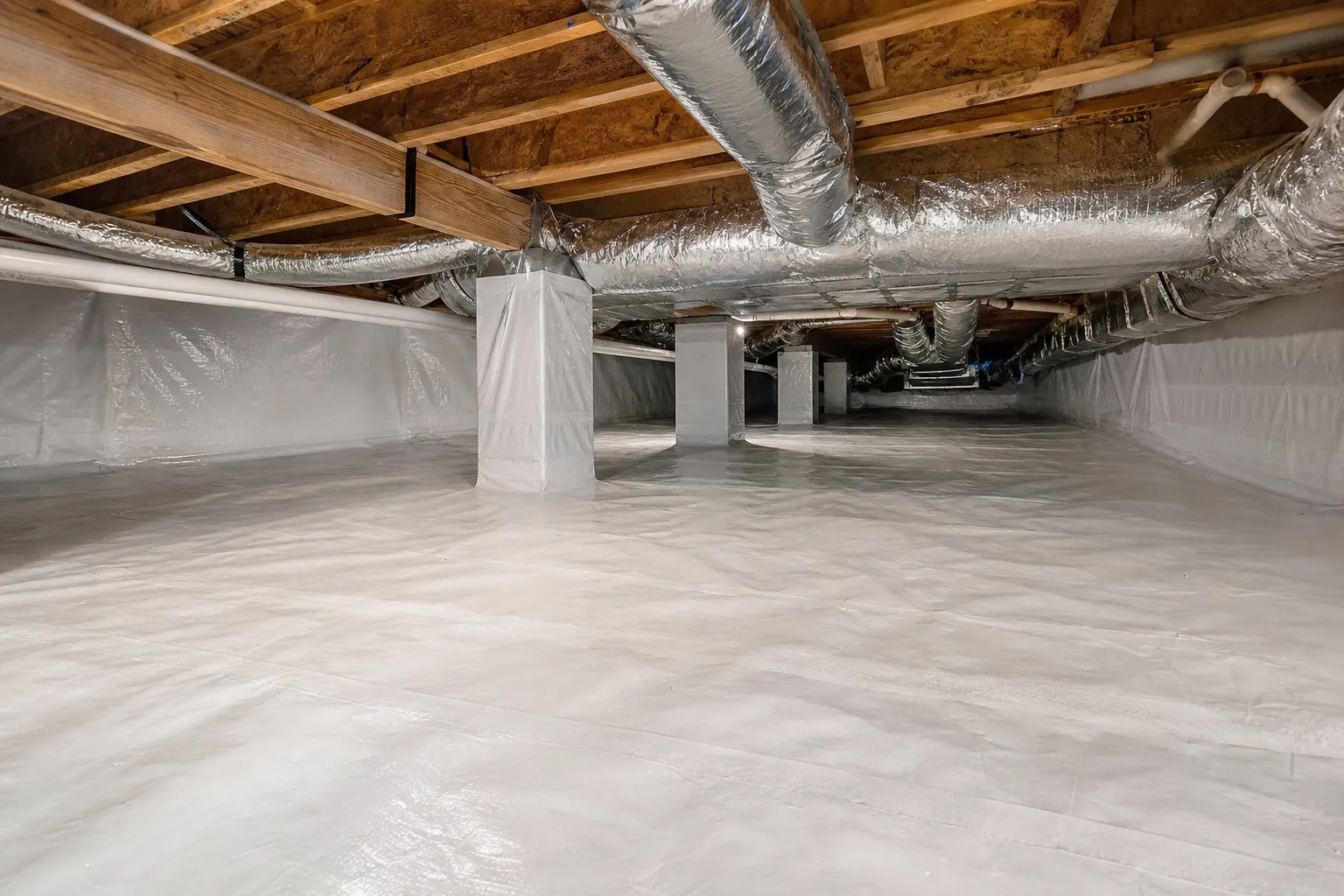
In Pinehurst, moisture beneath a home can quietly affect comfort, air quality, and structural materials. Warm, humid North Carolina weather allows damp outdoor air to enter a vented crawl space, where it can condense on cooler wood, ductwork, and plumbing. Over time, the space may develop musty odors, sagging insulation, wood deterioration, or conditions that support mold growth.
Professional crawl space encapsulation in Pinehurst, NC is designed to control that moisture at its source. Carolina Encapsulation Company helps homeowners create cleaner, drier spaces beneath their floors through careful inspection, sealing, and humidity management. The right solution depends on the home, so the process should begin with an evaluation rather than a one-size-fits-all package.
Why Pinehurst Crawl Spaces Become Damp
Crawl spaces are naturally vulnerable because they sit close to exposed soil. Even when the ground appears dry, water vapor can rise into the space. Foundation vents may also admit humid summer air. Once that air reaches cooler surfaces, relative humidity increases and condensation can form.
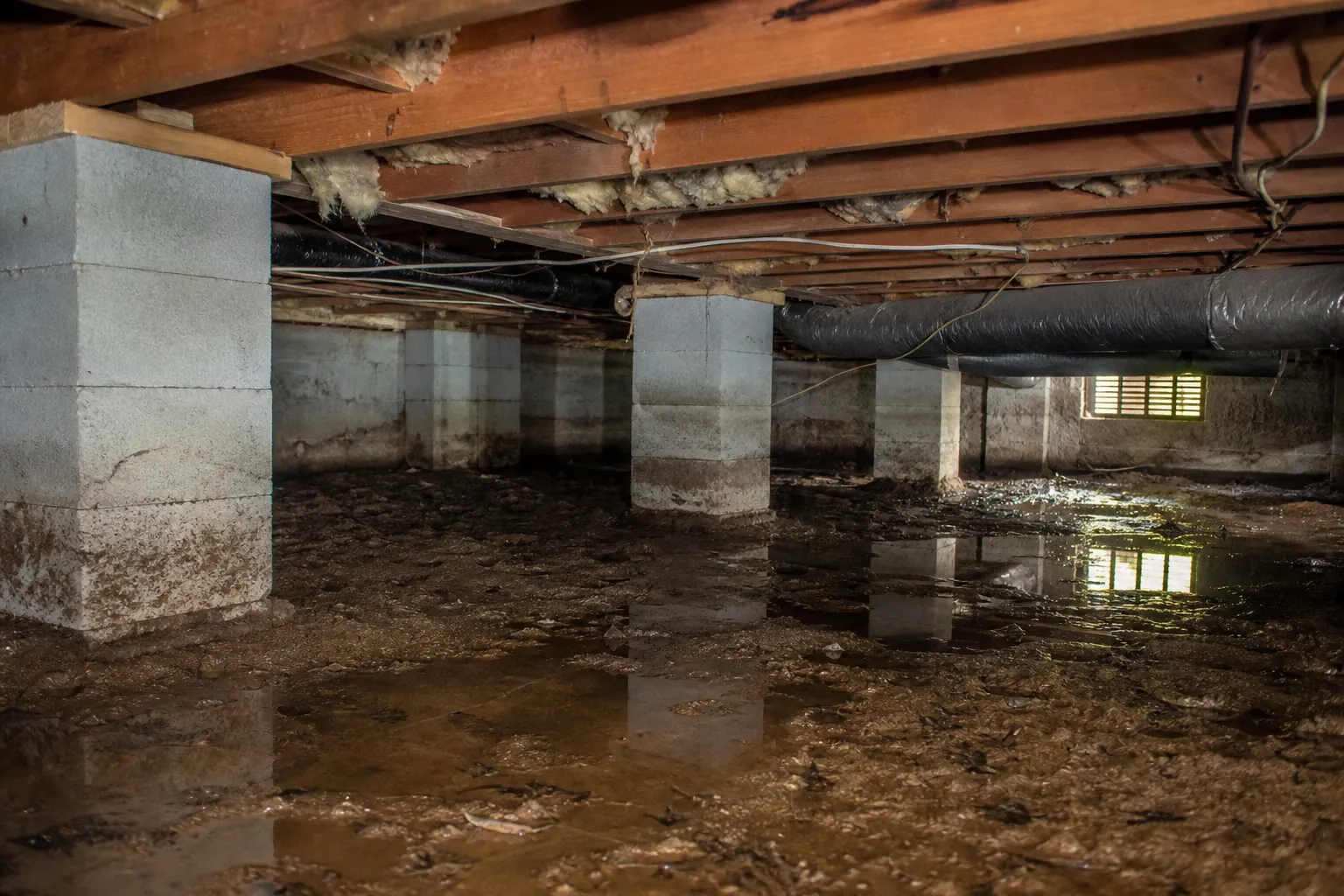
Drainage issues can make conditions worse. Roof runoff deposited near the foundation, low areas around the home, plumbing leaks, and groundwater can all contribute moisture. An encapsulation system controls vapor and humid air, but active water entry should also be identified and corrected.
Pinehurst homes vary in age, foundation layout, additions, and previous repairs. Some crawl spaces have torn ground covers or loose fiberglass insulation. Others have open vents, unsealed access doors, or disconnected ducts. A detailed inspection helps distinguish routine humidity from drainage, plumbing, or structural concerns.
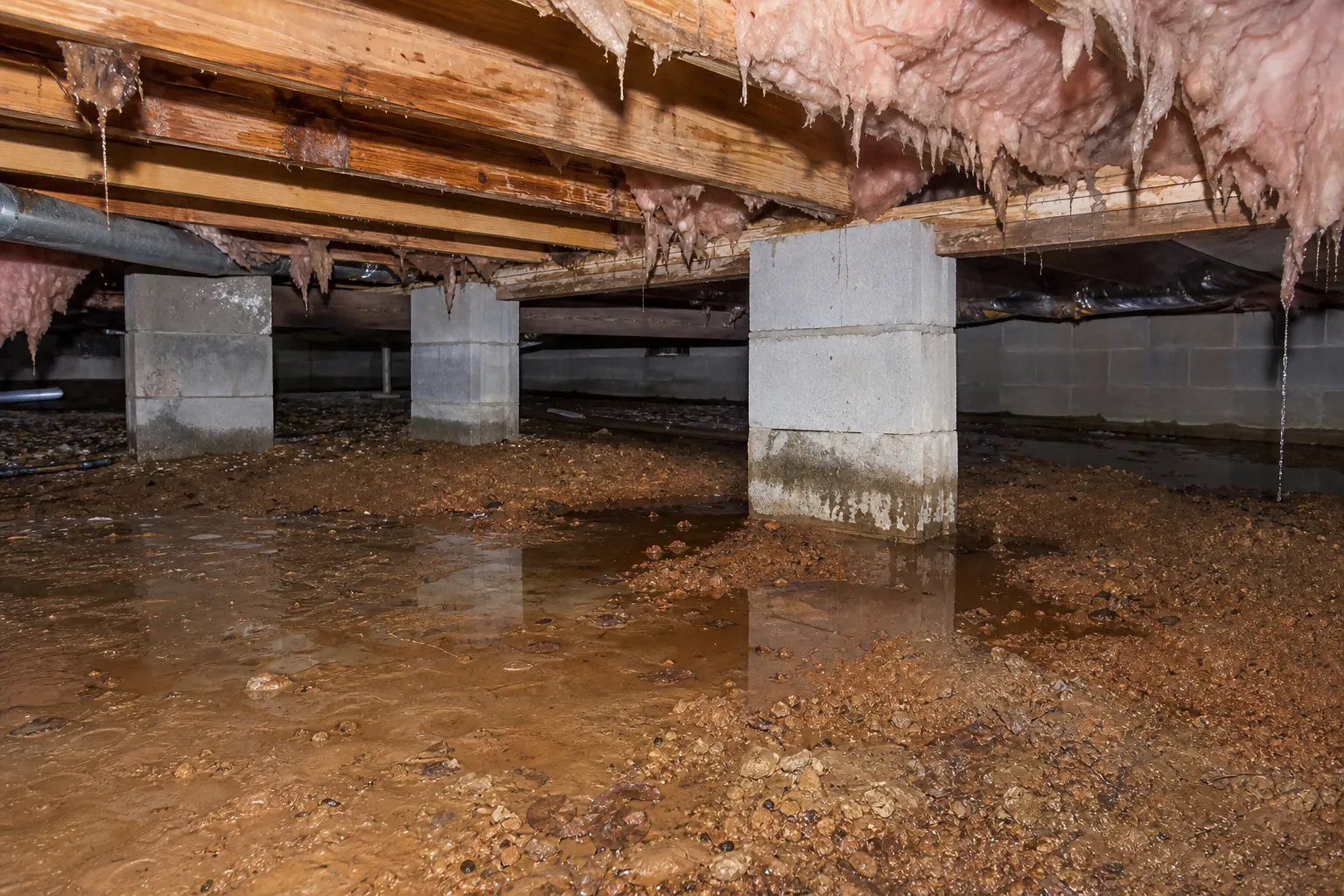
Signs Your Crawl Space May Need Attention
Many homeowners rarely enter the area beneath their home, so problems can remain unnoticed. Changes inside the living space may provide the first warning. A persistent earthy smell, uncomfortable floors, or unusually humid rooms can point to conditions below.
Common signs worth investigating include:
- Musty indoor odors: Air can move from the crawl space into the home and carry odors with it.
- Condensation: Moisture on ducts, pipes, joists, or foundation surfaces indicates elevated humidity.
- Damaged insulation: Fiberglass batts may sag, collect moisture, or fall from the floor system.
- Wood staining or softness: Darkened or deteriorating wood deserves professional evaluation.
- Visible microbial growth: Fuzzy, spotted, or discolored material may indicate a moisture problem that needs correction.
- Rust or corrosion: Metal fasteners, duct components, and mechanical equipment may corrode in damp conditions.
- Pest activity: Moist environments can be attractive to insects and other pests, although encapsulation is not a substitute for pest control.
- High indoor humidity: Moist air below the floor can contribute to an uncomfortable home and added demand on cooling equipment.
These signs do not automatically mean every component of an encapsulation system is required. They do mean the crawl space should be assessed before damage becomes more extensive.
What A Complete Encapsulation System Includes
Encapsulation separates the crawl space from exposed earth and humid exterior air. A durable vapor barrier is installed across the ground and carefully fitted around piers, walls, and other penetrations. Seams are overlapped and sealed to create a more continuous moisture boundary.
Foundation vents and unnecessary exterior openings are typically sealed. The access door may also need weather-resistant sealing, especially if it is warped or poorly fitted. These details matter because gaps can allow humid air to undermine the system.
Depending on site conditions, the vapor barrier may extend up foundation walls while leaving appropriate inspection clearances. Existing debris or damaged insulation may need removal before installation. If standing water or recurring water entry is present, drainage improvements or a sump system may be recommended before the space is sealed.
A crawl space dehumidifier can then maintain controlled humidity. It should be correctly sized, positioned for airflow, and drained reliably. Encapsulation and dehumidification perform different jobs: the liner limits moisture entry, while the dehumidifier manages humidity that remains.
How Encapsulation Benefits The Home Above
A dry crawl space protects more than an area used for pipes and ductwork. Floor joists, subflooring, beams, and other wood components generally perform better when they are not exposed to chronic moisture. Managing humidity may reduce the risk of decay and help preserve the foundation system.
Encapsulation can also reduce musty odors and limit the movement of damp crawl space air into living areas. Results vary based on the home, HVAC system, and other indoor sources, but controlling moisture beneath the floor supports a cleaner indoor environment.
There may be comfort and efficiency advantages as well. Sealing uncontrolled exterior air and addressing damaged insulation can help stabilize temperatures near the floor. Encapsulation is not an energy guarantee, but it can eliminate conditions that force heating and cooling equipment to manage avoidable humidity.
Why Inspection And Installation Details Matter
The quality of an encapsulation project depends heavily on preparation and workmanship. Covering the soil without correcting leaks, drainage concerns, or contaminated materials can conceal unresolved problems. Likewise, thin plastic loosely placed on the ground is not equivalent to a sealed system.
Carolina Encapsulation Company evaluates the crawl space as a whole. The inspection should consider ground moisture, exterior grading, vents, ductwork, insulation, plumbing, access points, wood condition, and existing drainage equipment. Recommendations can then focus on the conditions actually present.
Homeowners should also ask how seams, piers, walls, and penetrations will be treated; whether a dehumidifier is needed; and how the system can be monitored. Clear project scope and accessible equipment make future maintenance easier.
Caring For An Encapsulated Crawl Space
An encapsulated crawl space still benefits from periodic checks. The liner should be inspected for punctures or separated seams, particularly after plumbing, electrical, or HVAC work. Dehumidifier filters and drains require routine attention according to the manufacturer's guidance.
Exterior water management remains important. Keep gutters clear, direct downspouts away from the foundation, and watch for soil settlement that sends runoff toward the home. Address plumbing leaks promptly, even when the encapsulation liner prevents water from reaching the soil.
A humidity monitor can provide useful information between inspections. Unexpected increases may indicate an open access door, equipment issue, water leak, or damage to the vapor barrier. Catching those changes early helps the system continue performing as intended.
Schedule A Crawl Space Evaluation
If your Pinehurst home has odors, damp insulation, condensation, or elevated humidity, a professional evaluation can clarify the cause and the appropriate next step. Carolina Encapsulation Company provides crawl space solutions tailored to North Carolina homes, with attention to moisture sources, installation details, and long-term performance.
For a calm, straightforward discussion about your crawl space, call 704-207-9348. The team can help you understand current conditions and determine whether encapsulation, drainage, dehumidification, or a combination of measures is appropriate.
Call 704-207-9348 to talk through next steps.