Crawl space encapsulation for Rocky Mount homes
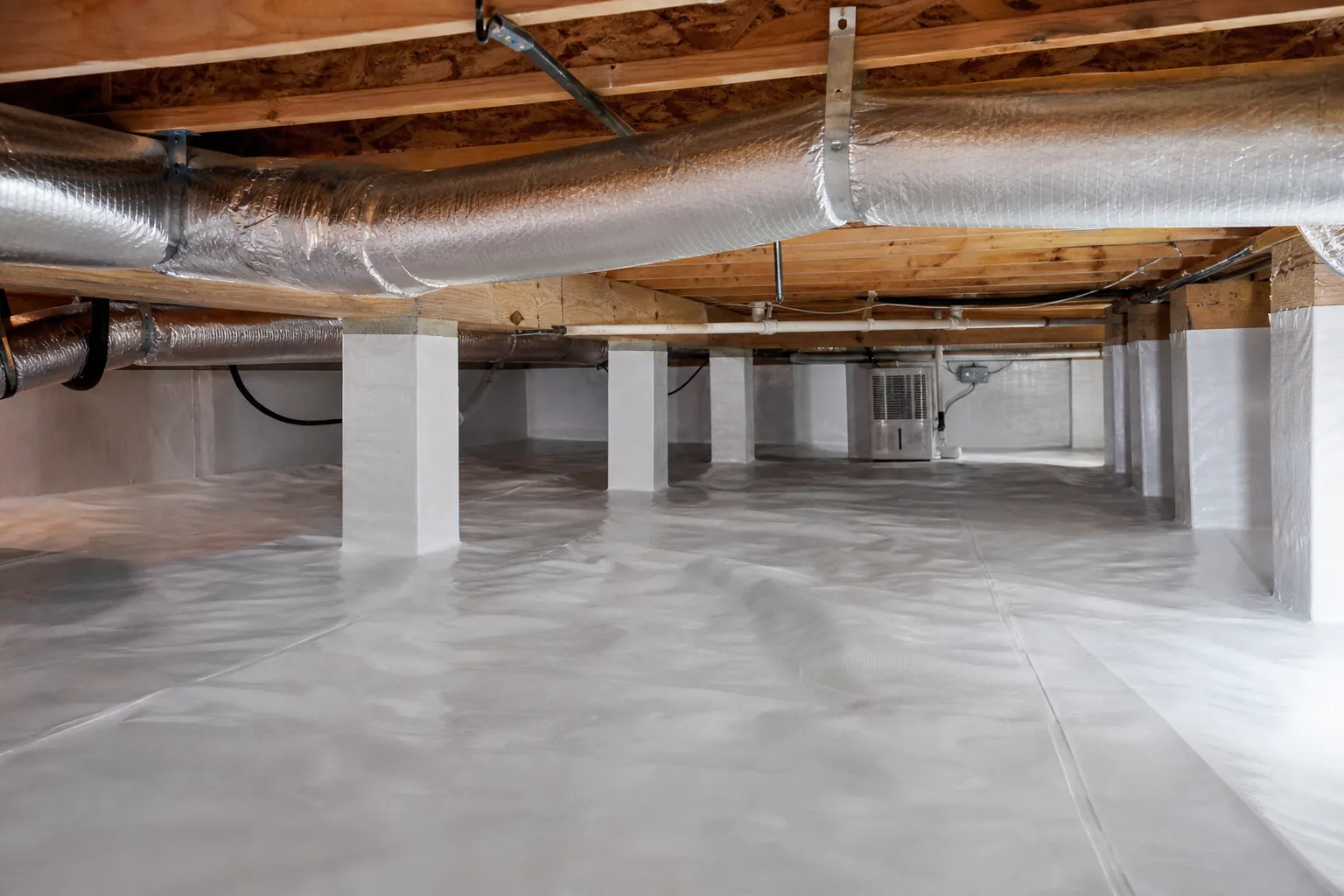
In Rocky Mount, moisture beneath a home can create problems that spread far beyond the crawl space. Humid air, exposed soil, plumbing leaks, and poor drainage may contribute to musty odors, damp insulation, wood decay, and uncomfortable indoor conditions. Because air can move from the crawl space into the living area, conditions below the floor deserve careful attention.
Carolina Encapsulation Company provides crawl space encapsulation in Rocky Mount, NC, for homeowners who want a cleaner, drier, and more manageable space beneath their homes. A properly designed system addresses moisture at its sources instead of simply covering visible symptoms.
Why Rocky Mount Crawl Spaces Develop Moisture
North Carolina's warm, humid climate can be hard on vented crawl spaces. Traditional foundation vents were intended to improve airflow, but hot outdoor air often carries significant moisture. When that air enters a cooler crawl space, relative humidity rises and condensation may form on ducts, pipes, joists, or other surfaces.
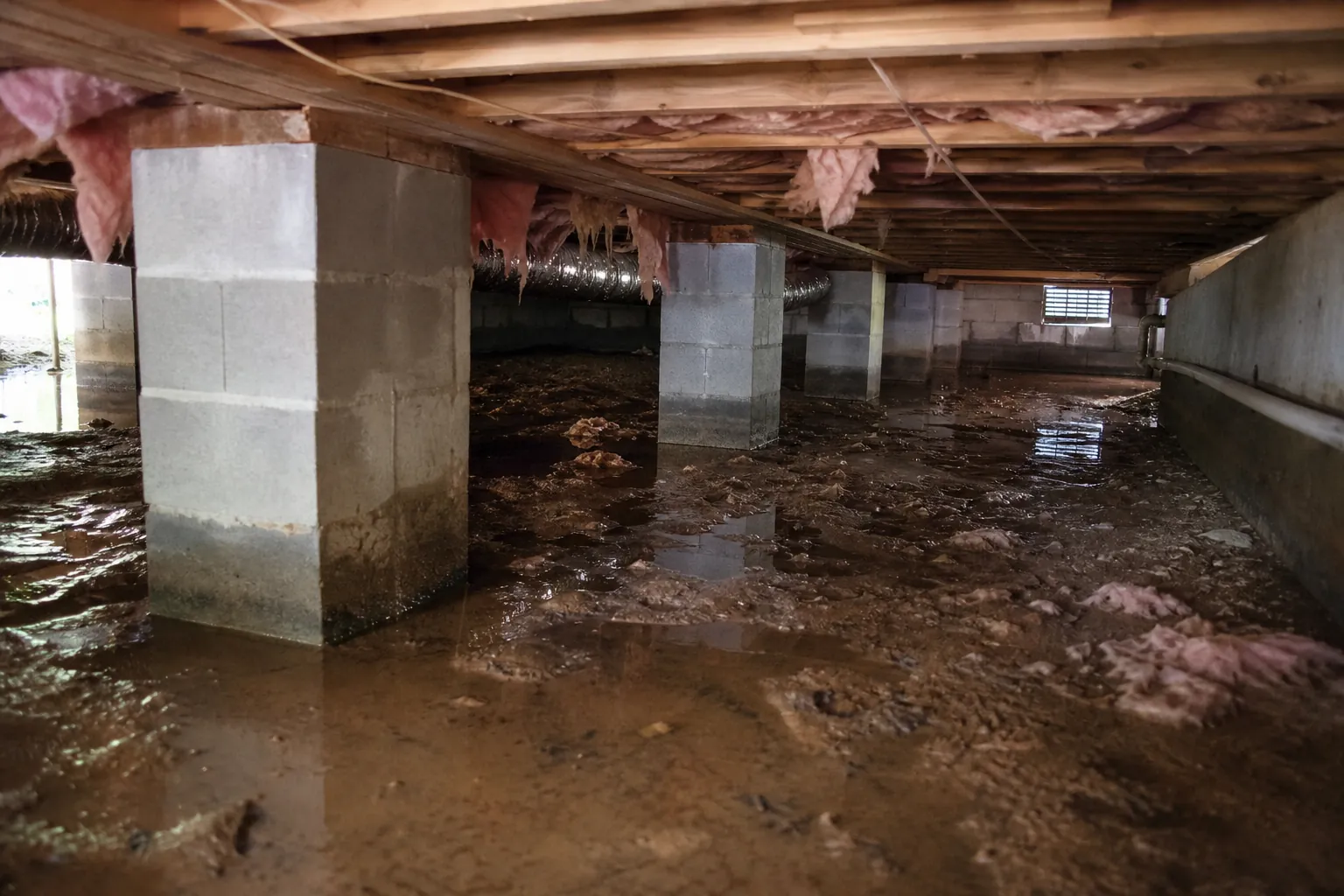
Ground moisture is another common concern. Bare soil continually releases water vapor into the enclosed area beneath a house. Standing water after storms, clogged gutters, short downspouts, improper grading, or plumbing leaks can add even more moisture.
These conditions may affect different homes in different ways. Warning signs can include:
- Musty or earthy odors inside the home
- Sagging, damp, or contaminated fiberglass insulation
- Condensation on ductwork, pipes, or foundation surfaces
- Visible mold-like growth on wooden framing
- Soft, stained, or deteriorating floor joists and subflooring
- Rust on metal supports, fasteners, or HVAC components
- High indoor humidity and floors that feel uneven or cool
- Pest activity in damp insulation or exposed soil
One sign does not automatically confirm a serious structural problem, but it does justify a closer inspection. Finding the actual moisture source is essential before selecting repairs.
What Crawl Space Encapsulation Includes
Encapsulation separates the crawl space from damp soil and humid outdoor air. The process typically begins with an evaluation of water entry, drainage, existing insulation, wood condition, vents, access doors, ductwork, and plumbing. Debris or damaged materials may need to be removed before the space is sealed.
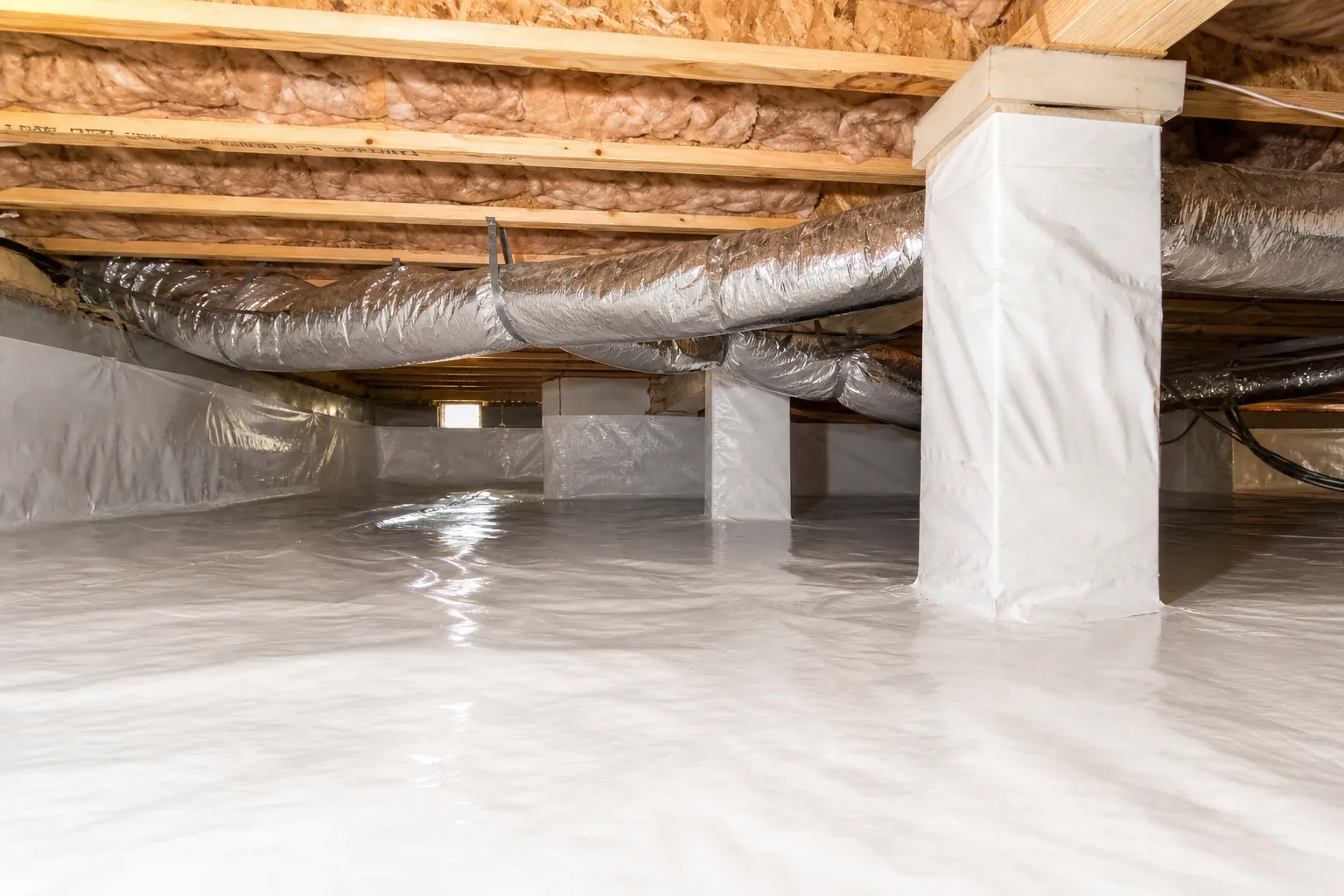
A durable vapor barrier is then installed across the ground and carefully extended around piers, supports, and other penetrations. Depending on the system and site conditions, the liner may continue up foundation walls. Seams and edges are sealed to create a more continuous moisture boundary.
Foundation vents and air gaps may also be sealed to reduce humid outdoor air entering the space. An insulated, well-fitted access door can improve the enclosure while preserving practical entry for future inspections and maintenance.
Encapsulation is not always the only recommendation. If bulk water enters during heavy rain, drainage improvements or a sump pump may be needed. If humidity remains elevated after sealing, a correctly sized crawl space dehumidifier can provide active moisture control. Each component should solve a documented condition rather than being added without a clear purpose.
How Encapsulation Can Benefit The Home
The most direct benefit is better moisture management. Covering exposed soil and limiting humid outside air can help create a more stable environment beneath the floor. This may lower the likelihood of condensation and reduce conditions that support fungal growth or wood deterioration.
A cleaner crawl space can also make HVAC, plumbing, and structural inspections easier. Technicians do not have to work directly over muddy soil, loose debris, or fallen insulation. If a future leak develops, it may be easier to notice against a clean liner.
Homeowners may also experience fewer musty odors. Encapsulation does not replace professional cleaning or remediation when contamination already exists, but controlling moisture helps address the conditions that allow odor problems to persist.
Energy benefits vary by home. Sealing uncontrolled air pathways and correcting damaged insulation may reduce the burden on heating and cooling equipment, especially where ductwork runs through the crawl space. However, results depend on the building, HVAC configuration, insulation strategy, and quality of installation. Encapsulation should be viewed first as a moisture-control improvement.
Why Water Management Comes First
A vapor barrier blocks water vapor from soil, but it is not designed to hide an active drainage problem. Water flowing through a foundation wall or collecting after storms should be addressed before or as part of encapsulation.
The evaluation may include exterior grading, gutters, downspout discharge, foundation openings, low areas, plumbing lines, and HVAC drainage. When necessary, solutions can include redirecting roof runoff, installing interior drainage, or adding a sump system with appropriate discharge.
This order matters because trapped water can remain beneath a liner or put unnecessary stress on the system. Carolina Encapsulation Company focuses on identifying how moisture enters and then matching the solution to the home. A dry-looking surface on inspection day does not always reveal what happens during a summer storm, so homeowner observations are valuable.
Choosing A System For Your Rocky Mount Home
No two crawl spaces have exactly the same layout or history. Some need a straightforward ground liner and vent sealing. Others have standing water, failing insulation, wood damage, tight clearances, or inaccessible sections that require additional planning.
A useful proposal should explain the scope clearly, including preparation, liner coverage, wall attachment, pier sealing, vent treatment, access improvements, drainage, humidity control, and cleanup. Homeowners should also understand which conditions are included in the work and which may require a plumber, electrician, HVAC contractor, pest professional, or structural specialist.
After installation, the crawl space should still be checked periodically. Look for plumbing leaks, equipment drainage issues, liner damage, unusual odors, and changes in humidity. If a dehumidifier or sump pump is installed, follow its maintenance requirements and keep discharge routes clear.
Schedule A Crawl Space Evaluation
If your Rocky Mount home has damp insulation, persistent odors, condensation, standing water, or high humidity, an evaluation can help clarify the next step. Carolina Encapsulation Company can assess the crawl space, discuss visible moisture sources, and recommend a practical encapsulation approach suited to the property.
For calm, straightforward guidance on crawl space moisture control in North Carolina, call Carolina Encapsulation Company at 704-207-9348. The goal is a cleaner, drier space and a solution built around the actual needs of your home.
Call 704-207-9348 to talk through next steps.