Should Termite Treatment Happen Before or After Crawl Space Encapsulation?
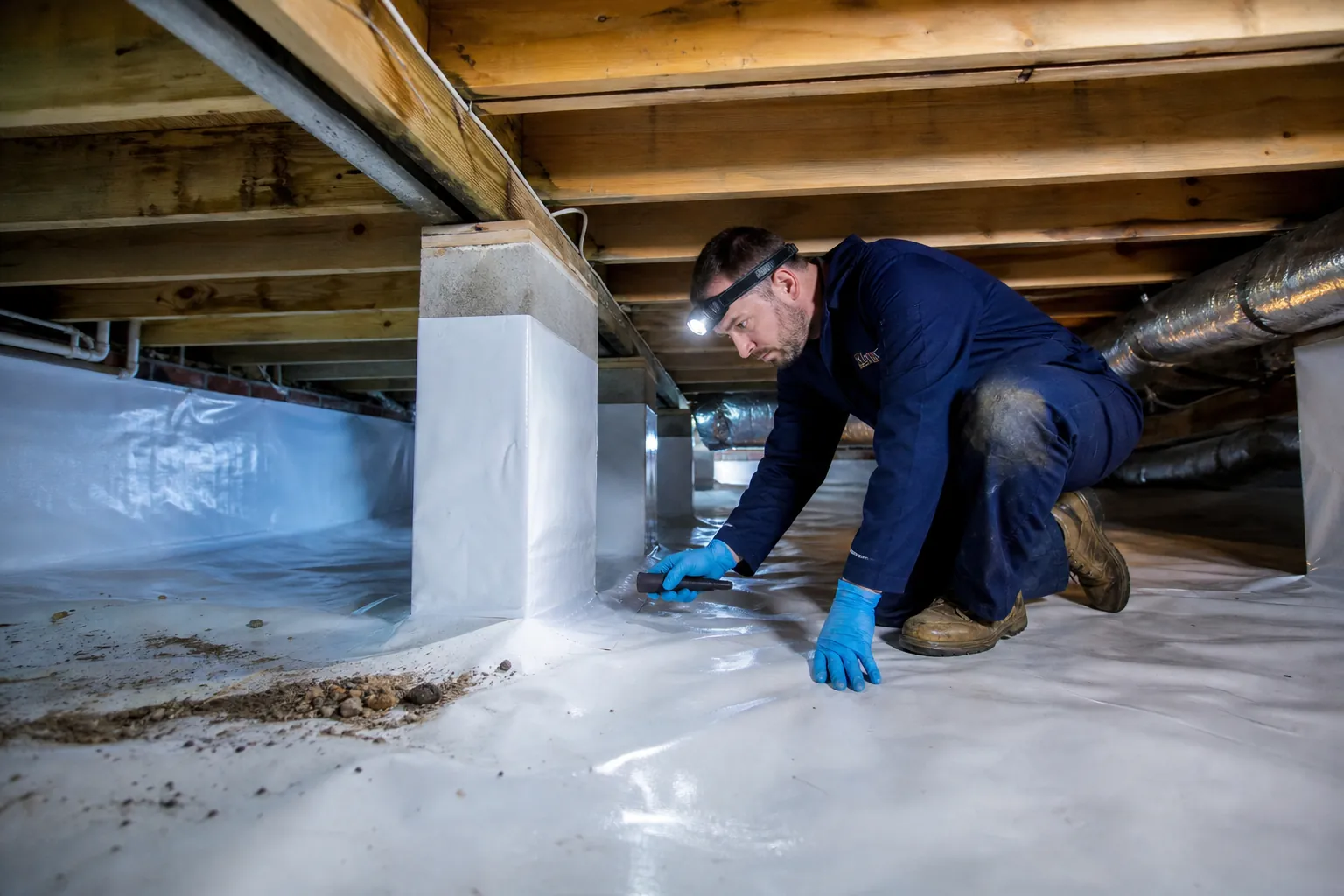
If you are planning termite treatment and crawl space encapsulation, timing matters. In most cases, the practical first step is to have the crawl space evaluated for termite activity and treatment needs before encapsulation begins. That sequence lets the appropriate providers document conditions, plan access, and avoid unnecessary disruption to newly installed materials. The exact order still depends on what is found, the termite treatment plan, and the encapsulation scope.
Start With Evaluation Before Setting the Schedule
Do not schedule both projects based only on whichever appointment is available first. Begin by identifying whether there is active termite activity, evidence of previous activity, an existing treatment plan, or an inspection requirement connected to your property. This information can affect where technicians need access and whether portions of the foundation or crawl space must remain visible.
Share the termite findings with the company planning the encapsulation. Also tell the termite professional that encapsulation is being considered. Each provider needs to understand the other project before work begins. Photos, diagrams, written treatment instructions, and notes about access points can make that coordination easier.
If you already have an encapsulation estimate, ask whether the planned materials would cover areas that need to be inspected or treated. If treatment has already occurred, confirm what follow-up access is required. The goal is not simply to choose “before” or “after.” It is to create a sequence that protects access and reduces avoidable rework.
Why Termite Work Often Comes Before Encapsulation
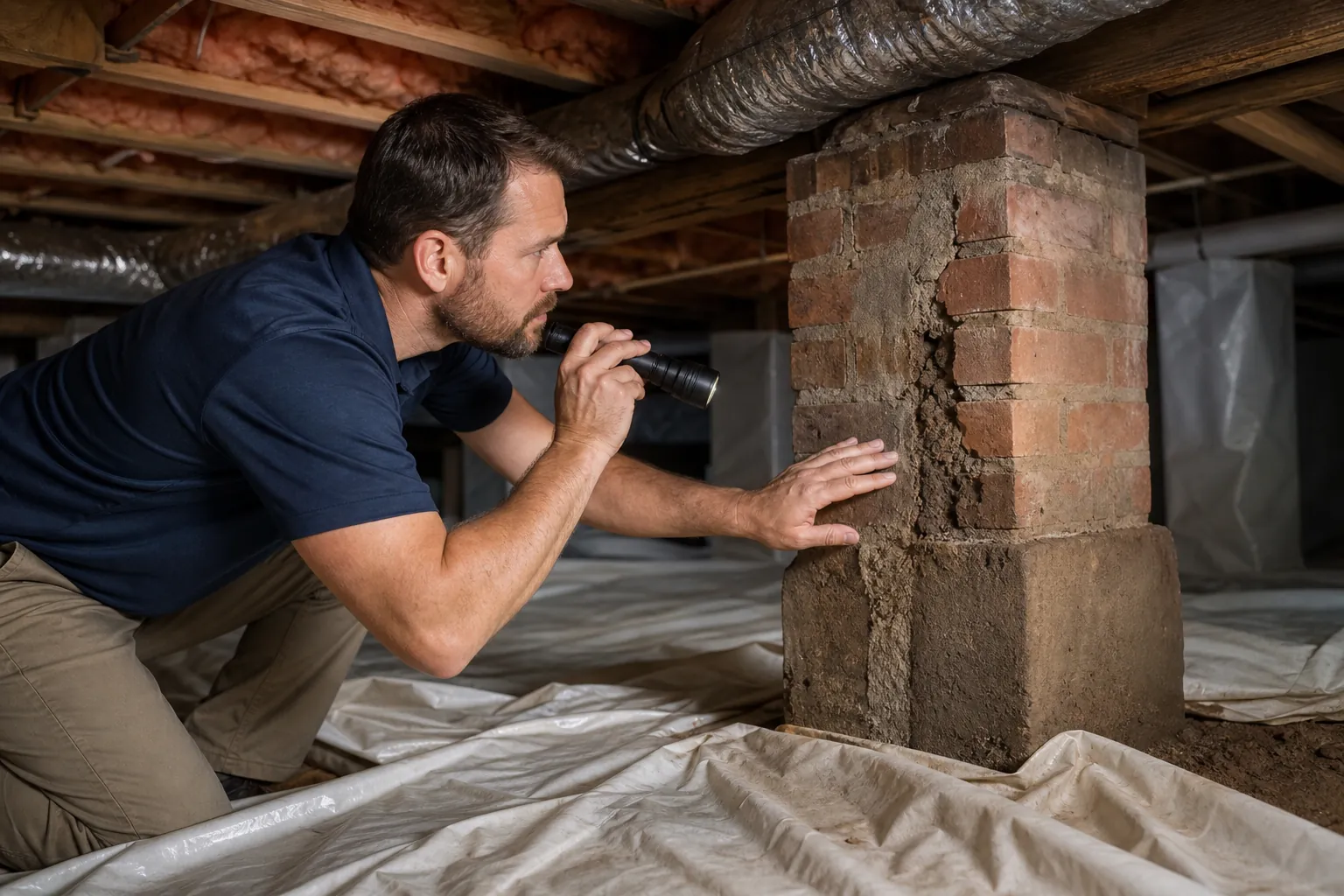
When termite activity or a treatment need has been identified, addressing that work before encapsulation is often the more orderly sequence. The crawl space remains open for examination, treatment planning, and documentation. Encapsulation materials can then be installed with awareness of any locations that must stay accessible or visible.
This order can also prevent new liner or sealing work from being disturbed soon after installation. If a termite professional needs to reach soil, foundation elements, piers, or other specific areas, completing that work first may simplify the process. However, the appropriate treatment method and access requirements must come from the termite provider. An encapsulation company should not guess about those needs.
After treatment, ask whether there is a waiting period, follow-up visit, or inspection provision to consider before encapsulation. Do not assume that work can proceed immediately. Obtain clear instructions, then provide them to the encapsulation team. Written communication helps both projects account for the same conditions and lowers the chance of conflicting plans.
When Encapsulation May Already Be in Place
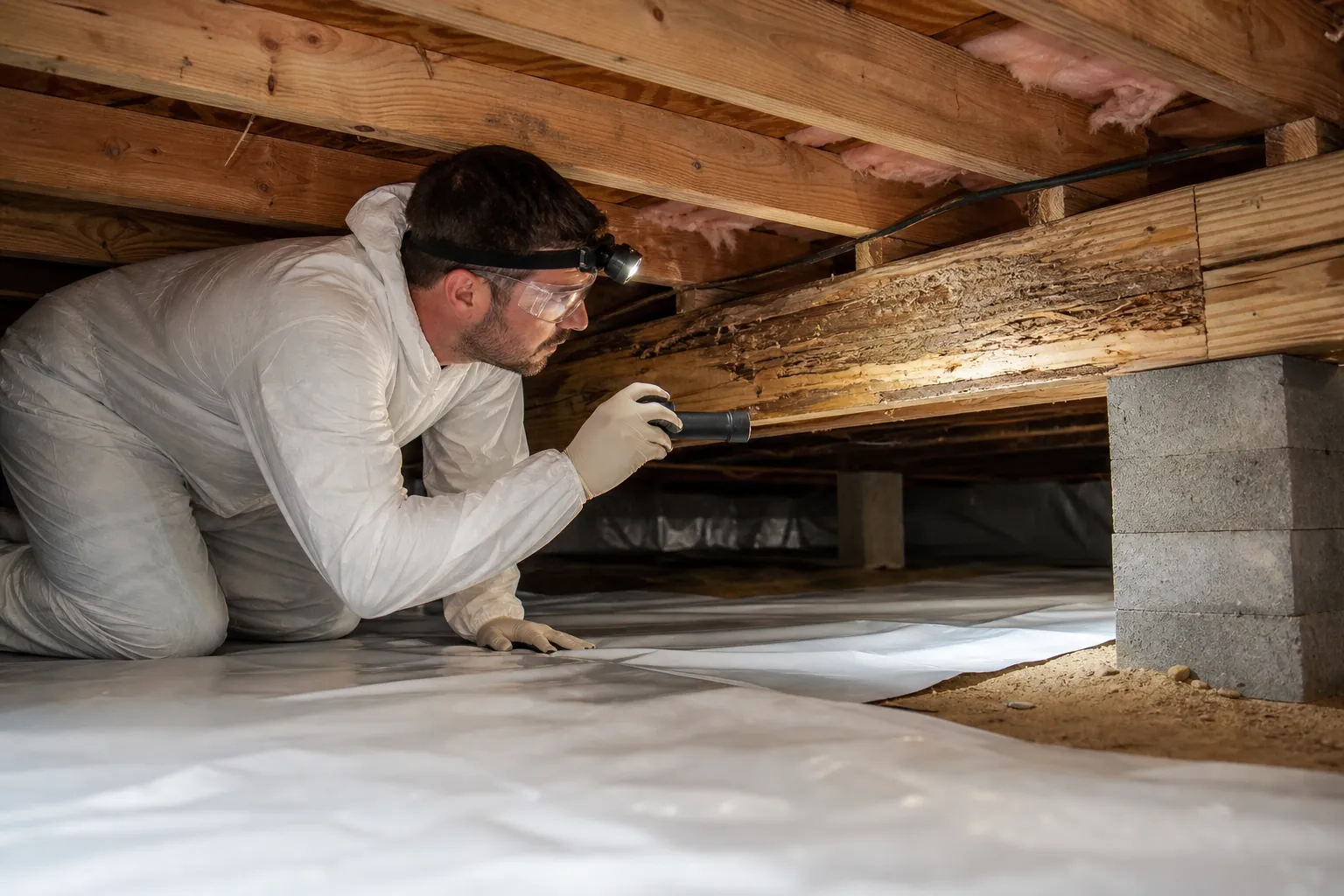
If your crawl space is already encapsulated, discovering a termite concern does not automatically mean the entire system must be removed. The next step is an inspection by the appropriate termite professional, with specific attention to where access is needed. Depending on the existing installation and treatment plan, selected materials may need to be moved, opened, or otherwise accommodated.
Before anyone alters the encapsulation, document its current condition with dated photographs. Identify seams, wall attachments, access doors, equipment, and any visibly damaged areas. Ask the termite provider to mark or describe the exact locations requiring access. Then discuss those locations with the encapsulation company rather than authorizing broad removal without a defined reason.
After termite-related work is complete, arrange for affected encapsulation areas to be reviewed. Open seams, displaced liner, or changes around penetrations can influence how the system functions. Coordinating a limited, clearly documented scope is usually more useful than treating the two projects as unrelated jobs. Keep all inspection and work records together for future reference.
Questions To Ask Before Either Project Begins
A short coordination conversation can reveal scheduling conflicts before materials are installed. Ask each provider to explain what must remain accessible, who will document existing conditions, and whether another visit will be required. Avoid relying on verbal assumptions when one project can physically affect the other.
- Has the crawl space been checked for current or previous termite evidence?
- Which foundation, soil, pier, or framing areas must remain accessible?
- Will the proposed encapsulation cover any required inspection area?
- Does the termite plan require follow-up access after initial work?
- Who should confirm that treatment-related access is complete?
- How will moved or opened encapsulation materials be restored?
- What photographs, diagrams, or written notes should be retained?
Also discuss moisture observations that could affect the overall crawl space plan. For example, visible moisture on mechanical components deserves separate attention. Our article about crawl space condensation on ductwork in North Carolina explains useful factors to review. Moisture observations do not replace a termite evaluation, but documenting both conditions helps you make a more informed decision.
Build a Clear Sequence for Your North Carolina Home
A practical sequence starts with information, not installation. First, document the crawl space as it currently exists. Next, obtain the termite evaluation or treatment instructions that apply to your property. Then give those instructions to the company discussing encapsulation. Ask both parties to identify access needs and confirm the order of work in writing.
If termite treatment is needed first, complete it and verify whether follow-up access or timing requirements remain. If no treatment is required, retain the inspection information and continue planning the crawl space project. If encapsulation is already installed, define only the access changes needed and arrange for affected sections to be reviewed afterward.
Do not cover uncertain conditions simply to keep a construction date. Likewise, do not remove an existing encapsulation system without a specific access plan. A brief delay for coordination can be more manageable than reopening completed work. The best timing is the sequence supported by the property’s documented conditions and the instructions of the professionals involved.
Discuss Your Crawl Space Plan
Planning encapsulation while coordinating termite-related access can feel complicated, but the next step can be simple. Gather any inspection notes, treatment instructions, and crawl space photos you have. Then call Carolina Encapsulation Company at 704-207-9348 for a calm discussion about your crawl space encapsulation plan and the information needed before scheduling.
Call 704-207-9348 to talk through next steps.