Protect your Wilmington home with crawl space encapsulation
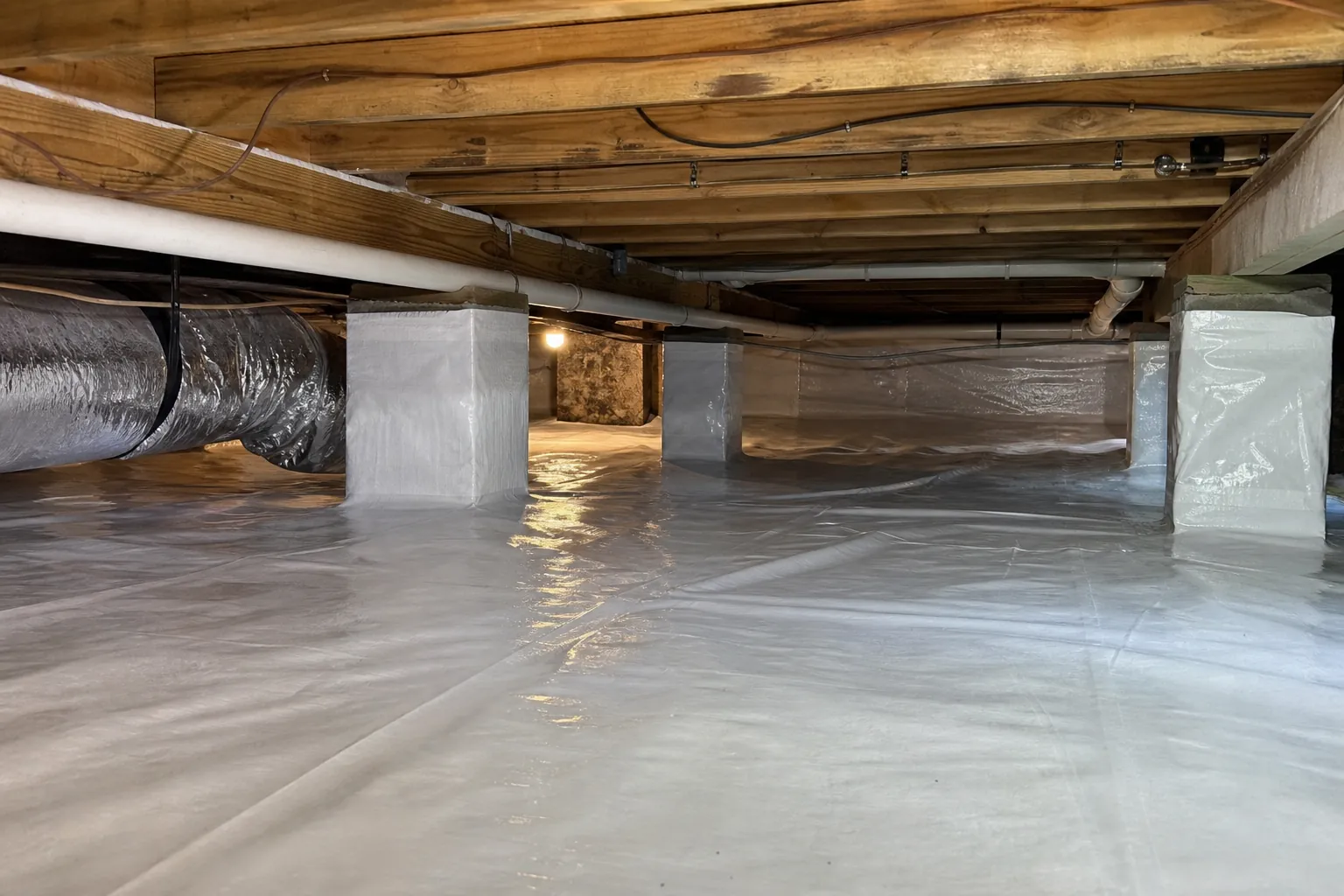
Living near the North Carolina coast has many advantages, but the humid climate can be hard on the area beneath your home. A vented crawl space may collect moisture from humid outdoor air, damp soil, plumbing leaks, and poor drainage. Over time, those conditions can affect insulation, wood framing, indoor comfort, and air quality.
Professional crawl space encapsulation in Wilmington, NC creates a cleaner, more controlled environment below the floor. Carolina Encapsulation Company evaluates the full moisture picture before recommending a solution, because covering the ground alone is not always enough. The best results come from addressing water entry, air movement, humidity, and drainage as one connected system.
Why Wilmington Crawl Spaces Stay Damp
Wilmington's long humid season can keep outdoor moisture levels elevated for months. Traditional crawl space vents were intended to promote drying, but warm, moisture-laden air entering a cooler crawl space may condense on joists, ducts, pipes, and other surfaces. Open vents can also allow wind-driven rain and damp air into the area.
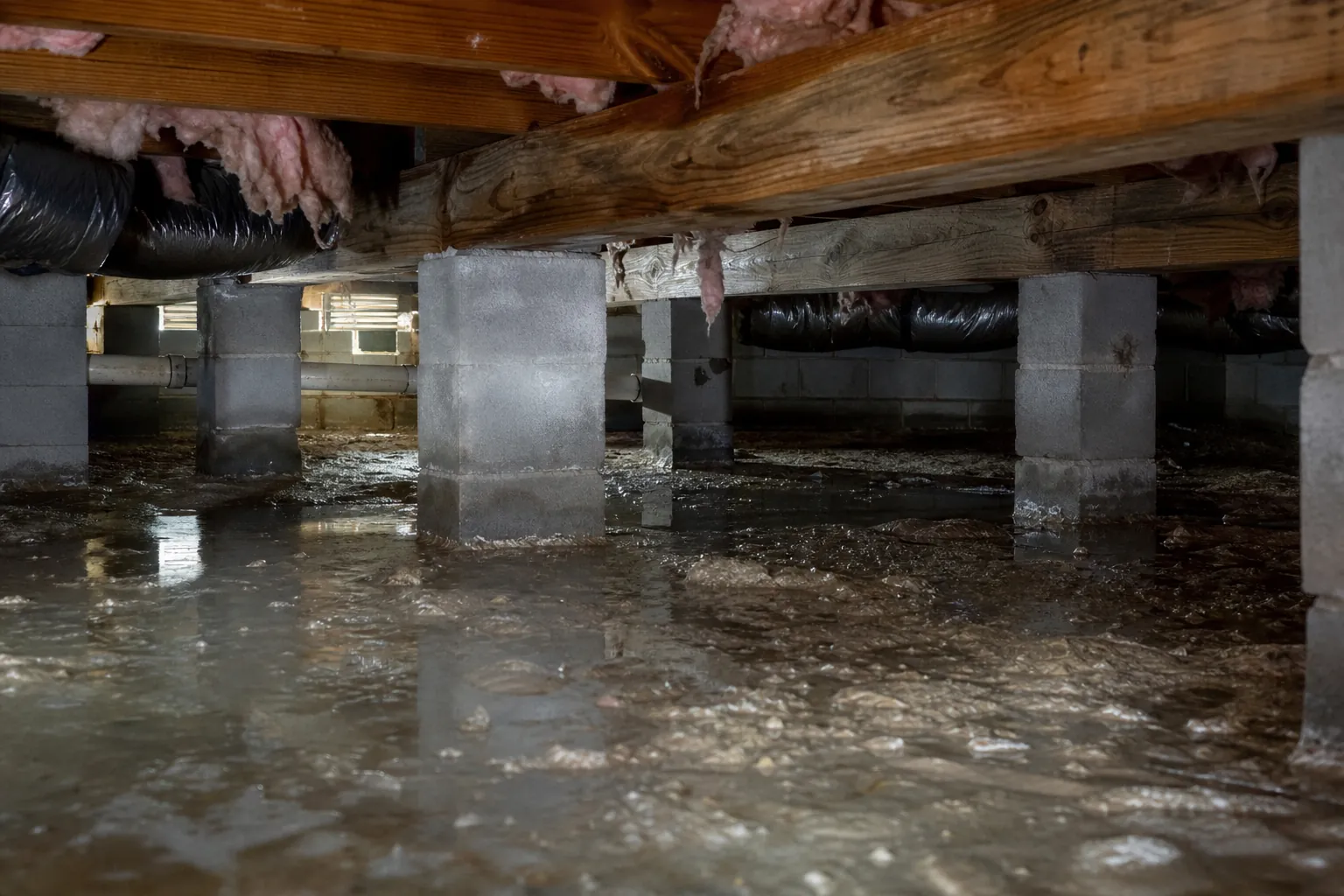
Ground moisture is another common source. Even when soil looks dry, water vapor can continually move upward into the crawl space. Low areas around the foundation, clogged gutters, short downspouts, grading problems, and groundwater can add to the burden.
Because every property is different, an inspection should identify where moisture originates. Encapsulation may need to be paired with drainage improvements, a sump pump, wood treatment, or dehumidification. Sealing a crawl space without correcting active water intrusion can conceal rather than solve the underlying issue.
What A Complete Encapsulation System Includes
Encapsulation separates the crawl space from damp soil and humid exterior air. The specific design depends on foundation conditions, access, drainage, and existing damage. A professional installation generally begins with removing debris and evaluating wet insulation, organic growth, standing water, and vulnerable wood.
A properly planned system may include:
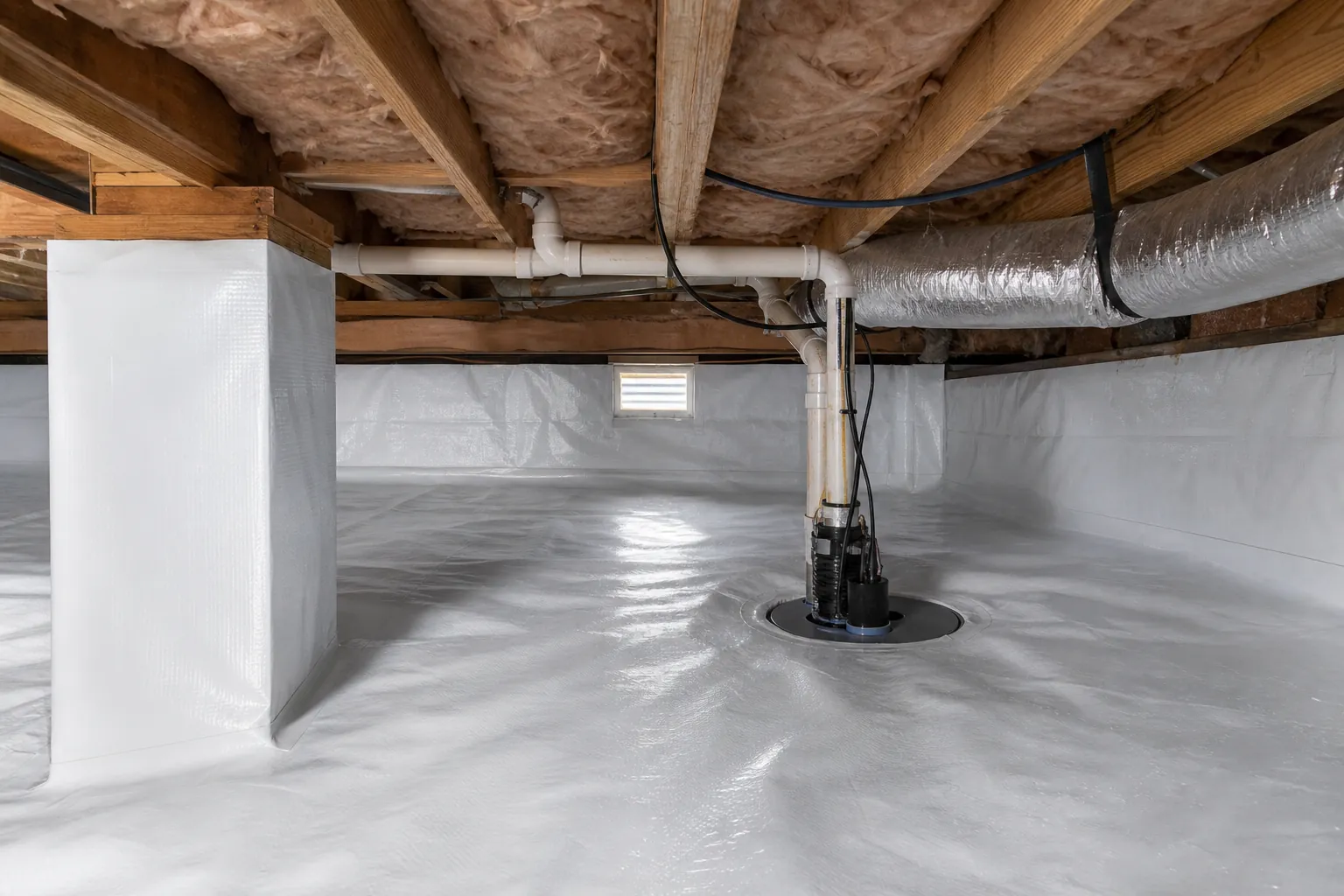
- A reinforced vapor barrier: Durable liner covers exposed soil and is carefully fitted around piers, supports, pipes, and other penetrations.
- Sealed seams and edges: Compatible tape and fastening methods help create a continuous barrier rather than a loose sheet on the ground.
- Closed vents and openings: Exterior air pathways are sealed to reduce the amount of coastal humidity entering the space.
- Drainage corrections: Interior drains, sump equipment, gutter changes, or grading work may be recommended when bulk water is present.
- Humidity control: A crawl space dehumidifier may maintain suitable conditions after the area is isolated from outside air and soil vapor.
- Insulation adjustments: Damaged or sagging insulation can be removed, and the home's thermal strategy can be reviewed for the sealed space.
- Monitoring access: The system should preserve reasonable access for future plumbing, electrical, pest, and moisture inspections.
Material thickness matters, but installation quality is equally important. Gaps around piers, unsecured edges, unsealed vents, or an undersized dehumidifier can limit performance. The system should be designed for the actual crawl space, not installed as a one-size-fits-all package.
Benefits For The Home Above
A large portion of the air inside a home can be influenced by conditions below it. Air naturally moves through gaps around wiring, plumbing, ductwork, and framing. When the crawl space is damp or musty, odors and airborne particles may travel into living areas.
Encapsulation helps reduce ground vapor and humid air exposure, creating conditions that are less favorable for musty odors and moisture-related deterioration. It can also protect floor framing from prolonged dampness. While encapsulation cannot reverse existing structural damage, maintaining lower humidity may reduce future moisture stress on accessible wood components.
Homeowners may also notice more consistent floor temperatures and fewer drafts after vents and air leaks are addressed. Energy results vary based on insulation, HVAC design, duct condition, and household habits, so dramatic savings should never be promised. The central goal is reliable moisture management and a more stable environment beneath the home.
Signs Your Crawl Space Needs Attention
Moisture problems are not always visible from inside the house. Some develop gradually and become noticeable only after odors, pests, or flooring changes appear. Schedule an assessment if you observe persistent mustiness, condensation on ducts, standing water, damp insulation, rusting metal, or white mineral deposits on masonry.
Soft or discolored wood, cupped hardwood flooring, and unusually humid rooms can also indicate a problem below. These signs do not automatically mean encapsulation is the only answer. A plumbing leak, roof drainage issue, HVAC condensation problem, or foundation concern may require separate repairs.
A careful inspection should document current conditions and explain priorities. Ask whether wood moisture readings will be taken, how exterior drainage will be evaluated, where water would go during a major storm, and how humidity will be controlled after sealing. Clear answers help homeowners compare proposals based on scope rather than price alone.
Encapsulation Versus A Basic Vapor Barrier
A basic vapor barrier usually covers part of the soil but leaves foundation vents open and may not be sealed around columns or walls. It can reduce some ground vapor, making it useful in certain situations, but humid outdoor air can still enter freely. Loose material may also shift, tear, or leave exposed areas.
Full encapsulation is more comprehensive. It aims to isolate the crawl space from soil and exterior humidity through sealed liner details, closed vents, and planned moisture control. Wilmington homes often benefit from this broader approach because coastal humidity is not limited to occasional rain.
The right option depends on the home's construction, moisture readings, drainage, budget, and long-term goals. An honest contractor should explain why each component is recommended and distinguish necessary work from optional upgrades.
How To Maintain An Encapsulated Crawl Space
Encapsulation is designed to provide lasting protection, but periodic checks remain important. Inspect the space after severe storms and at least once or twice a year. Look for plumbing leaks, liner damage, new standing water, unusual odors, pest activity, and changes in dehumidifier operation.
Keep gutters clear and direct downspouts away from the foundation. If a sump pump is installed, test it according to the manufacturer's instructions and discuss backup options for power outages. Replace or clean dehumidifier filters on schedule, and avoid storing sharp or heavy objects directly on the liner.
Carolina Encapsulation Company helps North Carolina homeowners understand what is happening below their floors and which improvements are appropriate. If you are concerned about moisture, odors, or visible crawl space damage, call 704-207-9348 to arrange an evaluation. A calm, methodical inspection is the best first step toward a drier, more dependable crawl space.
Call 704-207-9348 to talk through next steps.