Practical crawl space repair for Chapel Hill homes
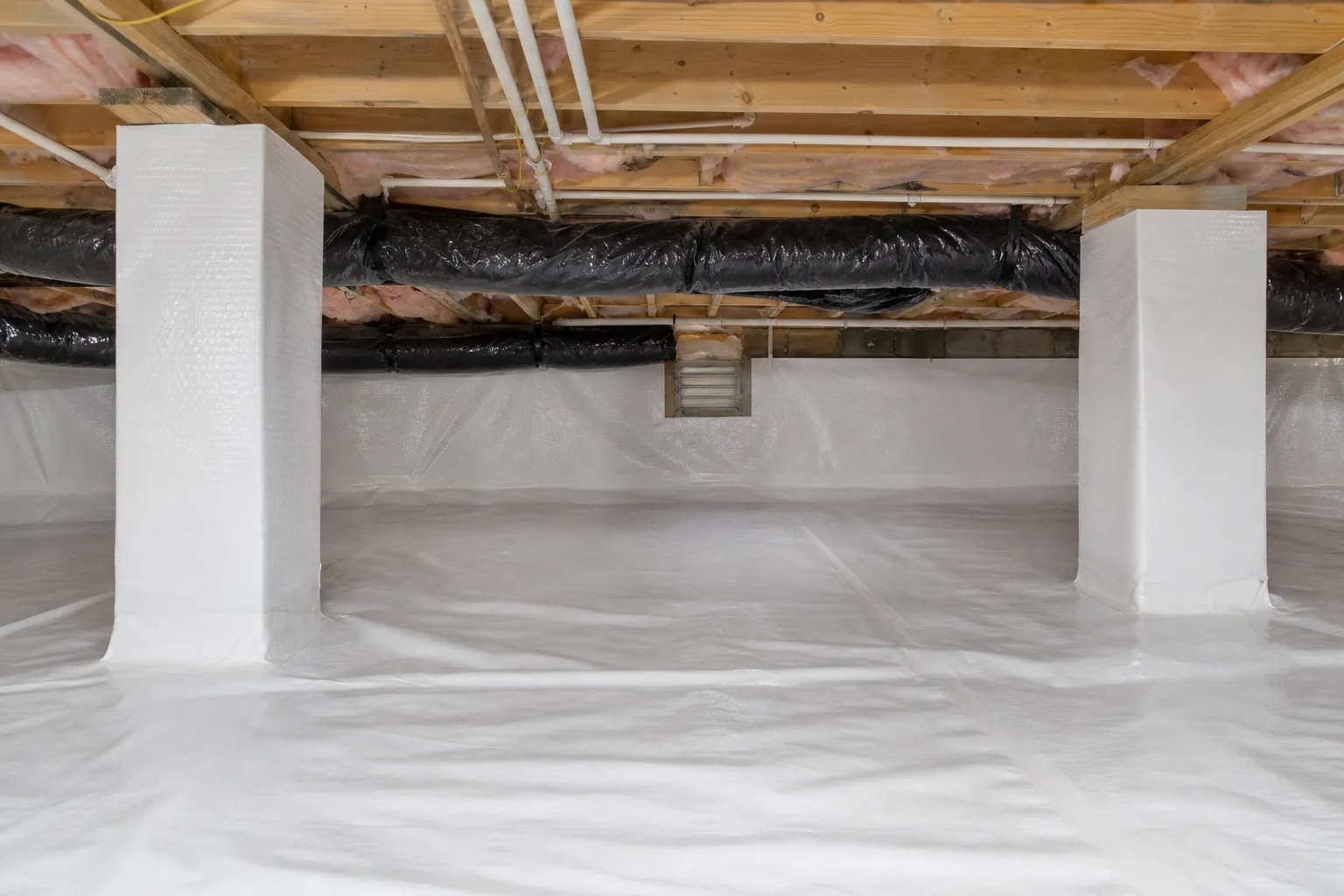
A damp crawl space can affect much more than the area beneath your home. Moisture may contribute to musty odors, damaged insulation, wood decay, pest activity, and uneven floors. Because air can move from the crawl space into the living area, conditions below the floor may also influence indoor comfort and air quality.
Carolina Encapsulation Company helps homeowners identify the source of crawl space problems and choose practical repairs. Every property is different, so an effective plan should reflect the home’s drainage, ventilation, structural condition, and moisture levels rather than relying on a one-size-fits-all package.
Why Chapel Hill crawl spaces develop moisture problems
North Carolina’s humid climate creates persistent challenges for vented crawl spaces. During warm weather, outdoor air enters through foundation vents and meets cooler surfaces beneath the house. When the air reaches its dew point, water can condense on ducts, pipes, joists, and insulation.
Rainwater is another common source. Poor grading, overflowing gutters, short downspout extensions, plumbing leaks, or groundwater seepage can introduce moisture faster than the area can dry. Bare soil also releases water vapor into the crawl space, even when the ground does not look visibly wet.
Older Chapel Hill homes may have fallen insulation, deteriorated vapor barriers, open vents, or aging support components. Newer properties are not immune, especially when drainage patterns change after landscaping, construction, or heavy storms. A thorough inspection should distinguish seasonal humidity from active water intrusion and structural damage.
Warning signs that deserve attention
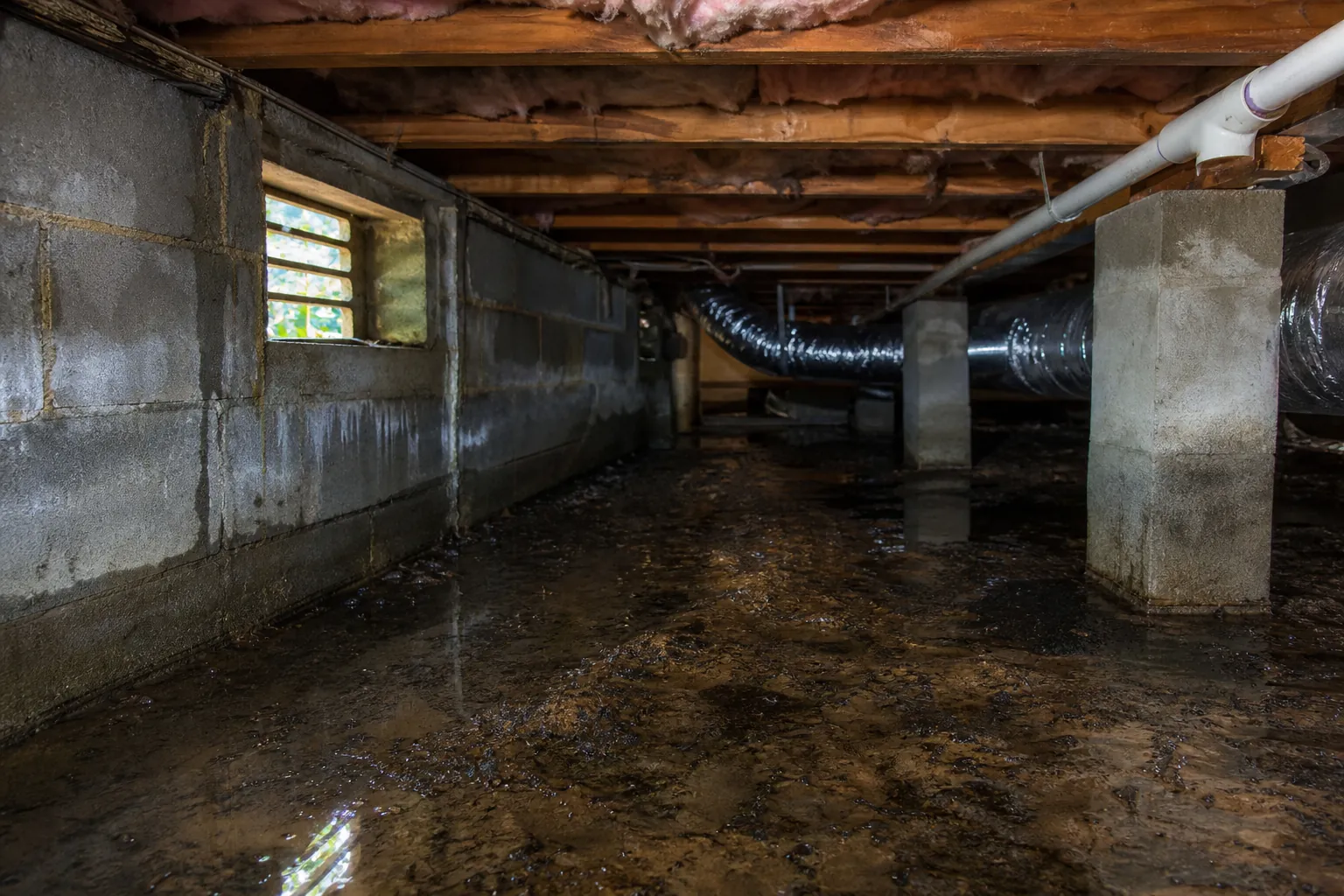
Crawl space damage often develops gradually. Homeowners may notice symptoms upstairs before realizing where they originate. A persistent earthy smell, for example, can travel through gaps around plumbing, wiring, and ductwork.
Common signs that indicate a professional evaluation may be useful include:
- Musty indoor odors: Persistent smells can indicate elevated humidity, damp materials, or microbial growth below the home.
- Sagging or uneven floors: Soft subflooring, weakened joists, or inadequate supports may cause floors to slope, bounce, or dip.
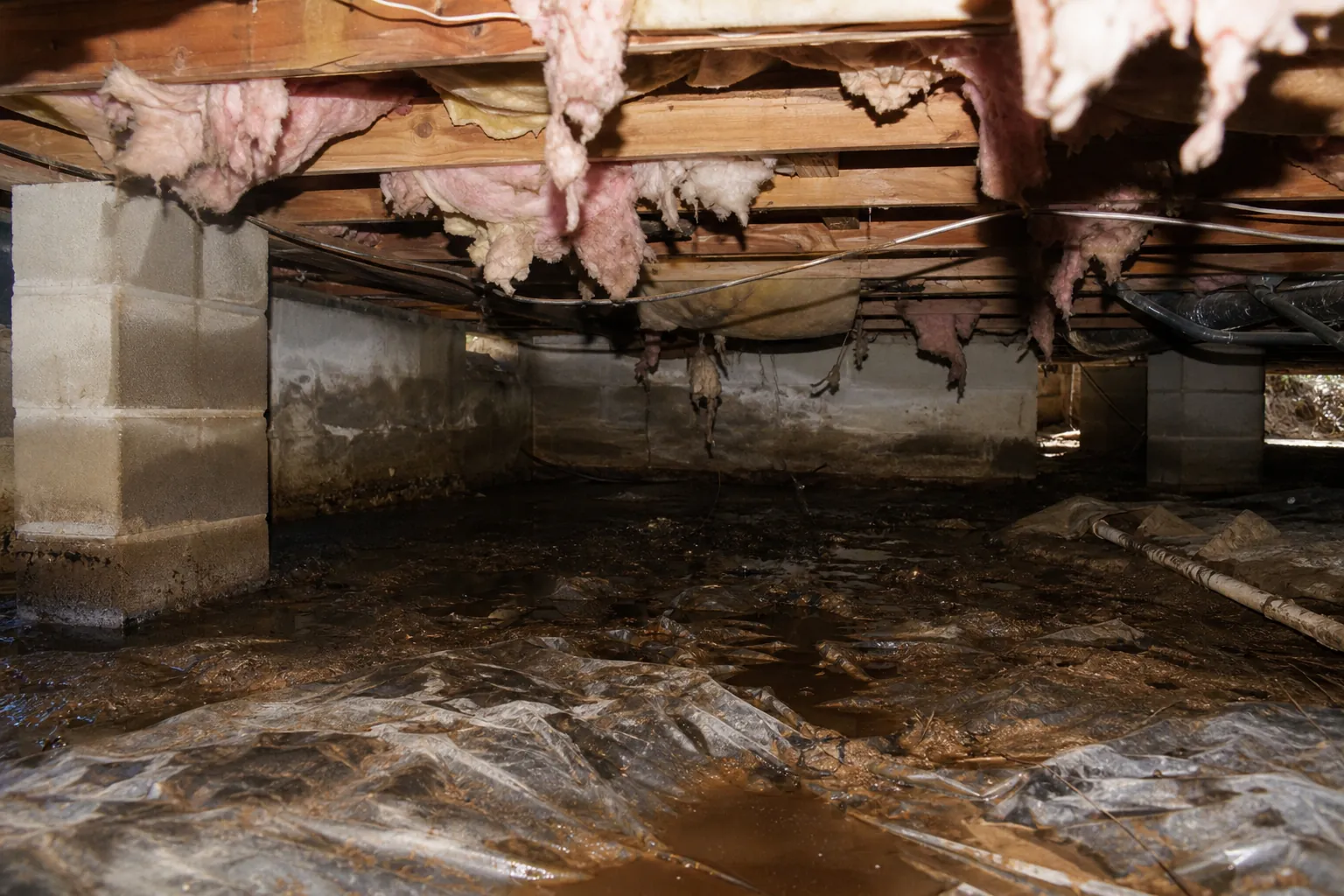
- Wet or fallen insulation: Fiberglass insulation can absorb moisture, lose effectiveness, and pull away from the floor system.
- Visible condensation: Water droplets on ducts, pipes, or framing suggest that humid air is contacting cool surfaces.
- Standing water: Puddles may point to drainage failures, groundwater entry, plumbing leaks, or grading issues.
- Pest activity: Damp, sheltered conditions can attract insects and other pests while accelerating damage to wood and insulation.
- High indoor humidity: Sticky air, window condensation, or an overworked cooling system may be connected to conditions below.
These symptoms can have multiple causes. An inspection helps prevent money from being spent on cosmetic fixes while the underlying moisture source remains active.
What a crawl space repair plan may include
Quality crawl space repair in Chapel Hill, NC begins with diagnosis. The contractor should inspect the ground, foundation walls, vents, drainage routes, insulation, wood framing, supports, plumbing, and mechanical equipment. Moisture readings can help determine whether building materials are dry, damp, or at risk of deterioration.
If bulk water is entering the crawl space, drainage usually needs attention before encapsulation. Depending on the property, the solution may involve correcting exterior runoff, extending downspouts, installing an interior drainage path, or adding a sump pump. Plumbing leaks should also be repaired before damaged materials are replaced.
Encapsulation creates a cleaner, more controlled environment by covering exposed soil and, when appropriate, foundation walls with a durable vapor barrier. Seams and penetrations are sealed to reduce ground moisture and humid outdoor air. Foundation vents and other openings may also be sealed as part of a complete system.
A dehumidifier can maintain appropriate humidity after air and ground moisture are controlled. It should be correctly sized, positioned, and drained. Encapsulation without a humidity strategy may leave the crawl space vulnerable, while a dehumidifier alone may run excessively if outside air and soil vapor continue entering.
Structural concerns require careful evaluation
Moisture damage can affect subflooring, floor joists, beams, sill plates, and support posts. Not every stain means the wood has lost strength, and not every uneven floor originates in the crawl space. That is why structural symptoms should be evaluated carefully before repairs begin.
Where damage is confirmed, work may include replacing compromised wood, reinforcing joists, improving beam support, or installing appropriate support components. The repair method should address both the damaged area and the moisture conditions that caused it. Repairing wood without controlling humidity can allow the same problem to return.
Homeowners should also understand the proposed scope. Ask which materials are damaged, what evidence supports that conclusion, and how the new components will transfer loads. For significant movement or complex structural conditions, input from a qualified engineer may be appropriate.
How encapsulation benefits the whole home
A properly designed encapsulation system can make the crawl space drier, brighter, and easier to inspect. It may reduce musty odors, protect insulation and wood, discourage moisture-loving pests, and lessen the amount of humid air entering the home.
Moisture control can also support more consistent indoor comfort. HVAC ducts located in a hot, humid crawl space face harsher conditions than ducts inside a controlled environment. Although energy results vary by house, reducing air leakage and humidity can help the heating and cooling system operate under better conditions.
Encapsulation is not a substitute for correcting active leaks or serious drainage failures. The best results come from treating the crawl space as a complete system that includes water management, air sealing, vapor control, humidity control, and ongoing maintenance.
Questions to ask before approving work
A clear proposal should explain what was found, which repairs are recommended, and why each step matters. It should identify vapor barrier coverage, sealing details, drainage components, dehumidification needs, structural work, warranties, and any maintenance responsibilities.
Ask how the system will be monitored after installation. Sump pumps, dehumidifiers, drains, and access doors should be checked periodically. Homeowners should also keep gutters clear, direct downspouts away from the foundation, and watch for plumbing leaks or landscape changes that send water toward the house.
Carolina Encapsulation Company provides crawl space evaluations and repair options for homeowners in Chapel Hill and surrounding North Carolina communities. If you have noticed dampness, odors, standing water, or uneven floors, call 704-207-9348 to schedule an inspection and discuss a practical next step for your home.
Call 704-207-9348 to talk through next steps.