Crawl space waterproofing for Raleigh, NC homes
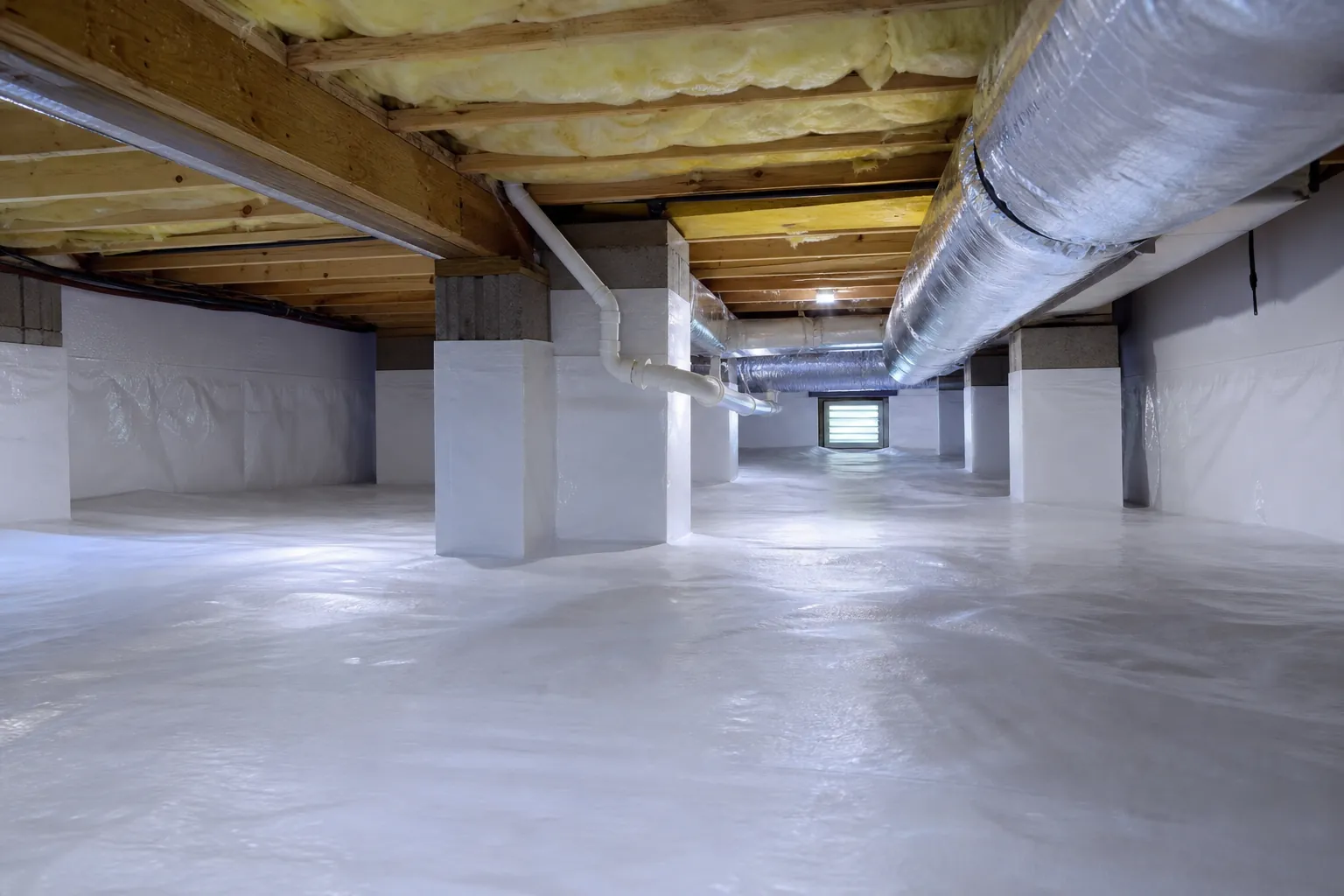
Moisture beneath a home can be easy to overlook until musty odors, damp insulation, wood damage, or uneven indoor comfort become noticeable. In Raleigh, warm summers, humid air, heavy rain, and moisture in the soil can create persistent problems below the first floor. Effective crawl space waterproofing addresses those conditions at their source rather than simply masking the symptoms.
Carolina Encapsulation Company helps North Carolina homeowners develop practical moisture-control plans for their properties. The right approach depends on how water enters the crawl space, how the site drains, and whether humidity, plumbing leaks, or groundwater are contributing to the problem.
Why Raleigh Crawl Spaces Develop Moisture Problems
Many homes have vented crawl spaces that allow outdoor air to move beneath the floor system. During warm, humid weather, that air can meet cooler surfaces inside the crawl space and produce condensation. Bare soil can also release water vapor continuously, even when the ground does not appear visibly wet.
Rain creates another challenge. Roof runoff, clogged gutters, short downspouts, poor grading, and low areas near the foundation may direct water toward the house. Moisture can then seep through foundation walls, enter at vents or access doors, or collect around piers and footings.
Because several sources may be active at once, a single improvement is not always enough. Adding a dehumidifier without controlling groundwater, for example, can force the equipment to work against an ongoing water source. A complete evaluation helps identify the correct order of repairs.
Signs That Your Crawl Space Needs Attention
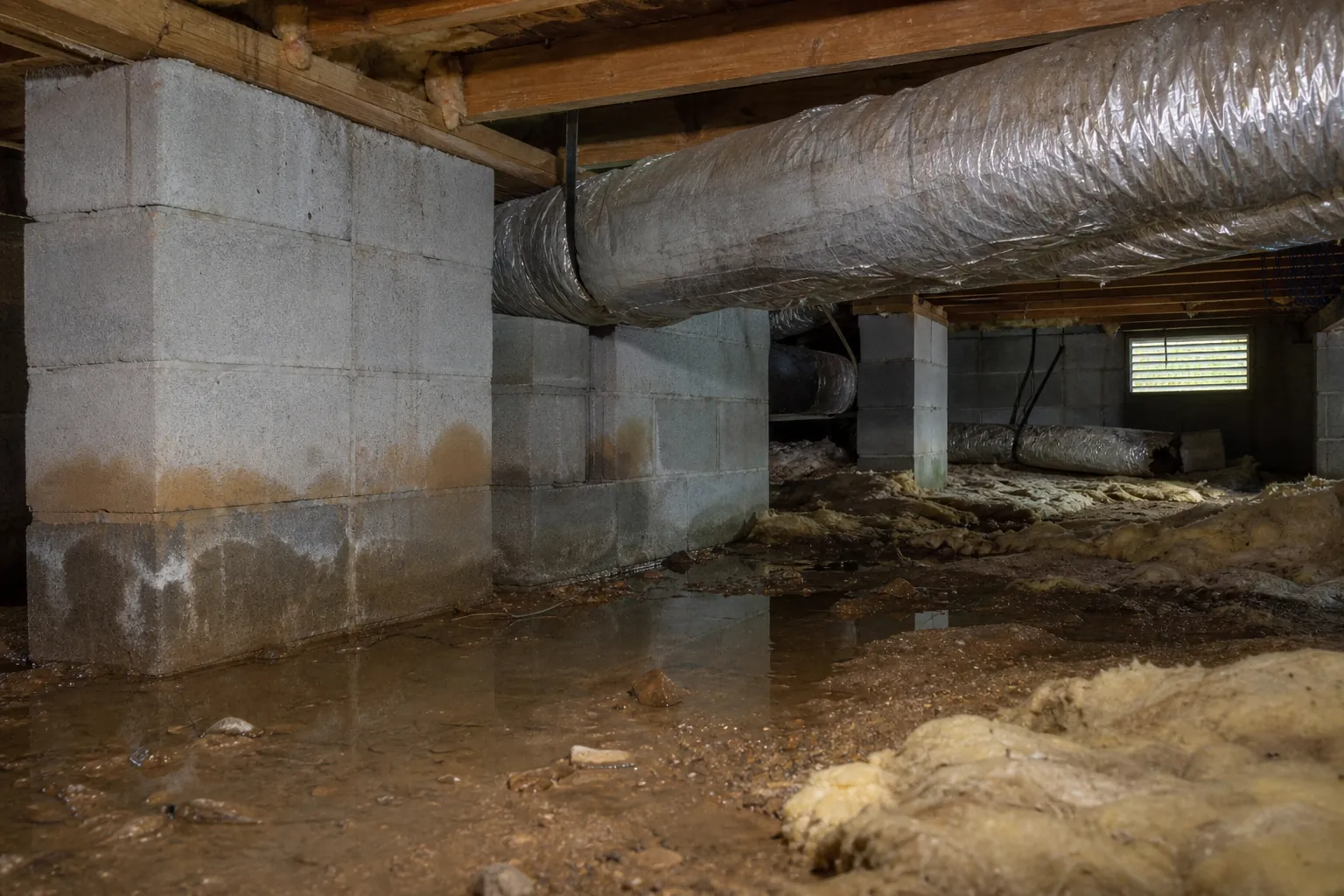
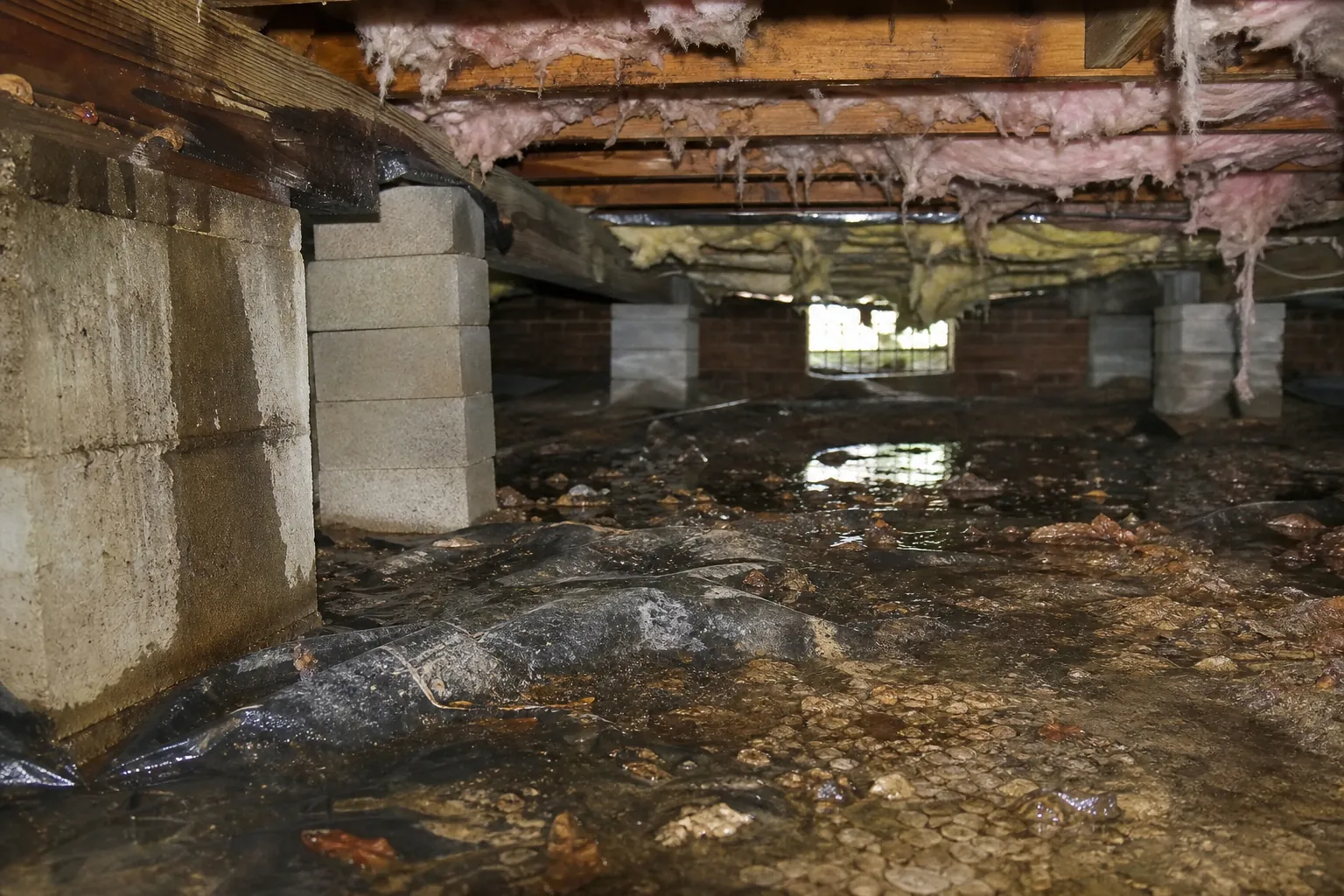
Standing water is an obvious warning, but many moisture issues begin with subtler signs. Homeowners may notice an earthy smell near floor vents, rooms that feel humid, or hardwood floors that cup and separate. Allergens and odors from the crawl space may also move into the living area through openings around plumbing, wiring, and ductwork.
Common indicators include:
- Water stains, damp soil, puddles, or mineral deposits near foundation walls
- Sagging, wet, or fallen fiberglass insulation between floor joists
- Condensation on ductwork, pipes, masonry, or mechanical equipment
- Visible fungal growth or musty odors beneath the home
- Soft, darkened, or deteriorating wood around joists and subflooring
- Rust on metal supports, fasteners, HVAC components, or stored items
- Pest activity encouraged by damp, sheltered conditions
- Indoor floors that feel unusually cold, damp, uneven, or bouncy
These conditions do not all prove that the same repair is needed. A careful crawl space inspection should document moisture patterns and distinguish drainage problems from condensation, plumbing failures, and structural concerns.
What A Waterproofing Plan May Include
Crawl space waterproofing in Raleigh, NC should be designed around the home rather than sold as a one-size-fits-all package. If liquid water is entering at the perimeter, the solution may involve an interior drainage channel that collects and directs it to a sump basin. A properly selected sump pump then discharges water away from the foundation.
Exterior improvements may also be important. Cleaning gutters, extending downspouts, correcting negative grading, or improving surface drainage can reduce the amount of water reaching the foundation. Plumbing leaks should be repaired before the space is sealed.
Once bulk water is controlled, a durable vapor barrier can isolate the home from soil moisture. Crawl space encapsulation typically extends the liner across the ground and up foundation walls and piers, with seams and penetrations sealed carefully. Vents and other exterior openings may be closed as part of creating a controlled environment.
A crawl space dehumidifier can help maintain appropriate relative humidity after water and vapor sources have been addressed. Depending on the home, air sealing and insulation improvements may also support comfort and energy performance. Equipment should remain accessible for maintenance, and termite inspection requirements should be considered when detailing the wall liner.
Waterproofing And Encapsulation Serve Different Roles
The terms waterproofing and encapsulation are often used together, but they describe related functions. Waterproofing focuses primarily on controlling liquid water. This may include drainage, sump pump installation, runoff management, and repairs at specific entry points.
Encapsulation focuses on separating the crawl space from ground vapor and humid outdoor air. A sealed liner, closed vents, sealed penetrations, and managed humidity can create more stable conditions under the home. Encapsulation alone may not solve recurring flooding, while drainage alone may leave the area exposed to vapor and summer humidity.
For many Raleigh properties, the strongest strategy combines both methods. The goal is not merely to make the crawl space look cleaner. It is to manage water, vapor, and humidity as a connected system.
How The Process Typically Works
A professional assessment begins outside the home. Roof drainage, downspout discharge, lot slope, foundation openings, and visible water pathways provide useful clues. Inside the crawl space, the evaluation should examine the soil, liner, wood framing, insulation, ductwork, plumbing, masonry, and any existing pump or dehumidifier.
After the moisture sources are identified, the contractor can explain priorities and recommend an appropriate scope of work. Preparation may include removing damaged insulation, debris, or an ineffective ground cover. Drainage components are installed where necessary, followed by vapor control, air sealing, and humidity management.
Final checks should confirm that water can reach the drainage system, the pump discharges to a suitable location, and the liner is secured around piers and penetrations. Homeowners should also receive guidance on maintaining pumps, dehumidifiers, gutters, and discharge lines.
Choosing A Crawl Space Contractor
A useful proposal should connect each recommendation to an observed condition. Ask where moisture is entering, whether the plan manages both liquid water and water vapor, and how discharge will be routed. It is also reasonable to ask about liner thickness, seam treatment, equipment access, warranties, and ongoing maintenance.
Be cautious of quick diagnoses based only on a brief look through the access door. Crawl spaces can vary significantly from one side of a house to the other. Clear photographs, moisture readings, and a written scope make it easier to understand the proposed work and compare options.
Schedule A Crawl Space Evaluation
Early moisture control can help protect wood components, insulation, mechanical systems, and indoor comfort. If you have noticed odors, condensation, standing water, or damaged insulation, Carolina Encapsulation Company can evaluate the conditions beneath your Raleigh home and explain suitable options without unnecessary pressure.
For a calm, straightforward conversation about crawl space waterproofing in Raleigh and nearby North Carolina communities, call 704-207-9348.
Call 704-207-9348 to talk through next steps.