
A crawl space can stay out of sight while still affecting the rooms above it. Damp soil, humid air, and wet insulation can contribute to musty odors, uncomfortable floors, and conditions that threaten wood framing. For homeowners in Fuquay-Varina, understanding where that moisture comes from is the first step toward choosing a lasting solution.
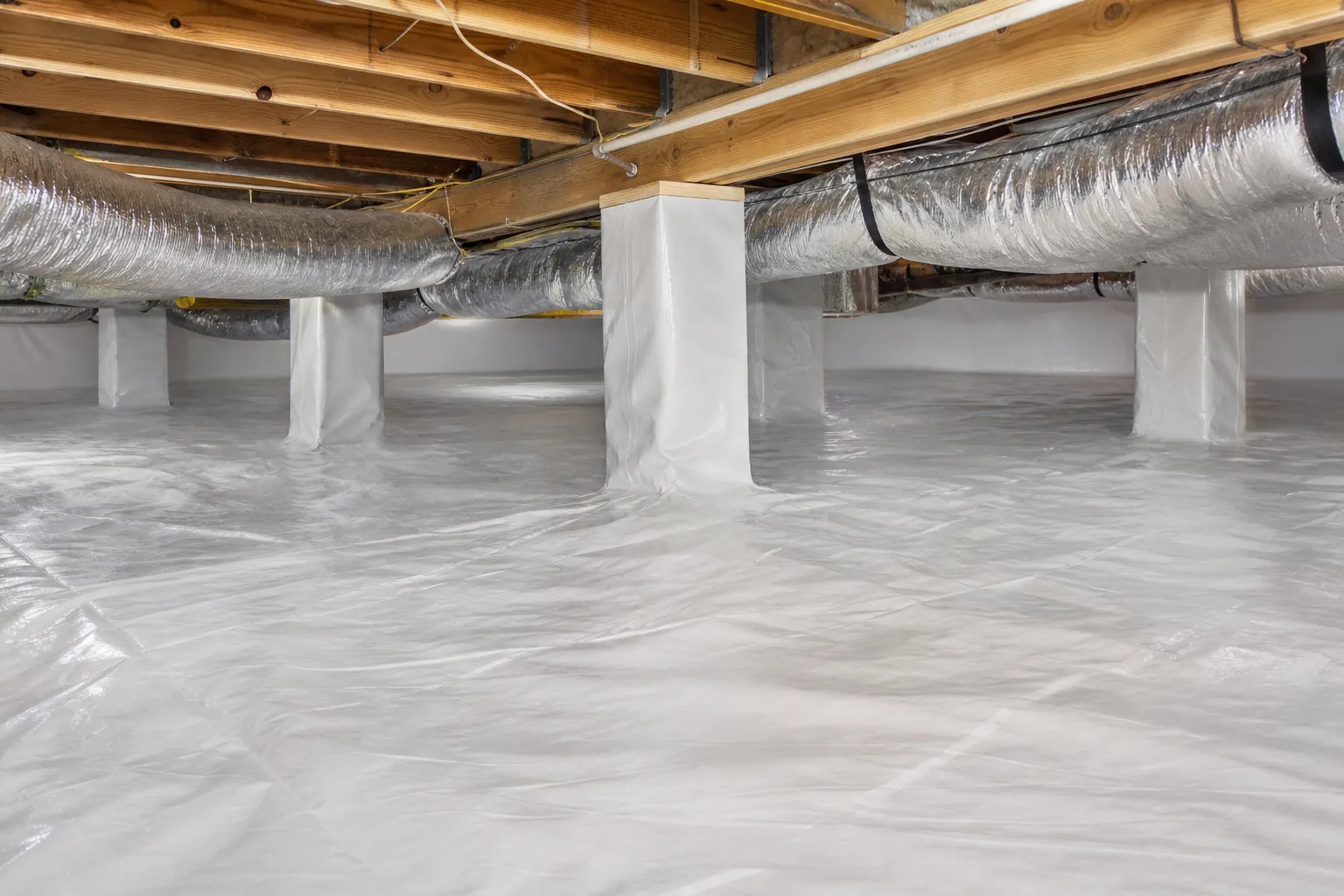
Crawl space encapsulation creates a controlled separation between the crawl space and outside moisture sources. A complete approach typically combines a sealed ground vapor barrier, careful air sealing, and an appropriate humidity-control strategy. When drainage problems exist, they need their own solution rather than being hidden beneath a liner.
Carolina Encapsulation Company helps homeowners understand the condition of their crawl spaces and the work needed to manage moisture. This guide explains what to look for, how an encapsulation system works, and which questions matter before making a decision.
Why Fuquay-Varina Crawl Spaces Can Become Damp
North Carolina's Triangle region has hot, humid summers. When warm outdoor air enters a cooler crawl space, its relative humidity rises. If surfaces are cool enough, condensation can form on ductwork, pipes, or other materials. Open foundation vents do not necessarily dry a crawl space during humid weather.
Many homes have vented crawl spaces designed around the idea that outdoor airflow removes moisture. That approach can be unreliable when the incoming air already contains substantial water vapor. A crawl space may feel damp even when there is no obvious plumbing leak or standing water.
Soil is another important source. Exposed earth continually releases moisture into the air above it. A thin sheet of plastic with loose overlaps or uncovered edges may reduce some evaporation, but gaps still allow moisture into the space.
Red clay soils common in parts of the region can hold water and drain slowly. Actual conditions vary by property, but poor grading, short downspout extensions, or low spots near a foundation can increase the moisture load around a home. Encapsulation must account for those site conditions.
The goal is not simply to cover dirt. It is to identify how water and humid air reach the crawl space, then address those pathways with a coordinated plan.
Signs Your Crawl Space Needs An Assessment
Some crawl space problems announce themselves with a strong musty smell. Others develop quietly. Homeowners may notice a change upstairs without realizing that conditions beneath the floor deserve attention.
- Musty odors that persist indoors can justify checking the crawl space, especially when they become more noticeable during humid weather.
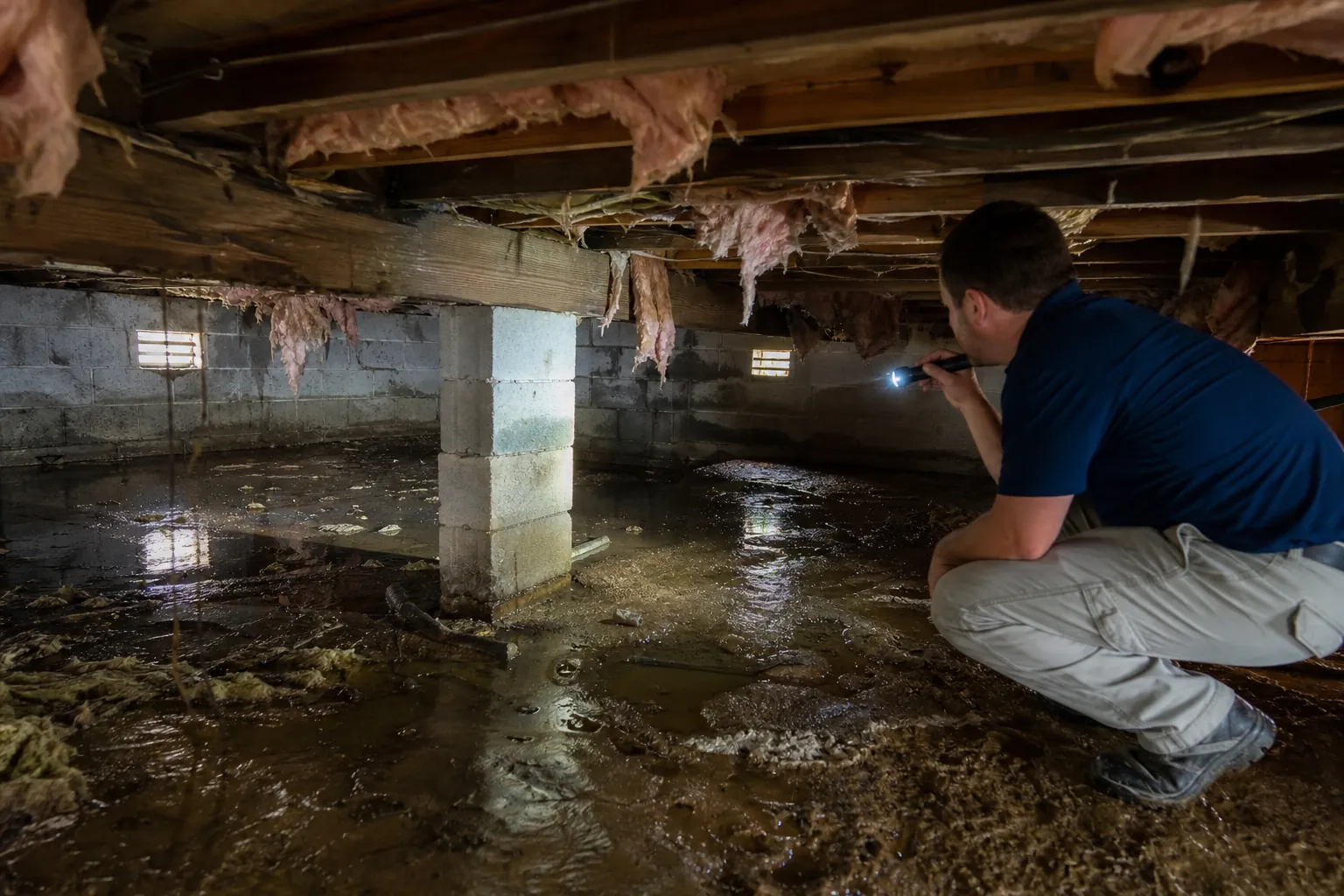
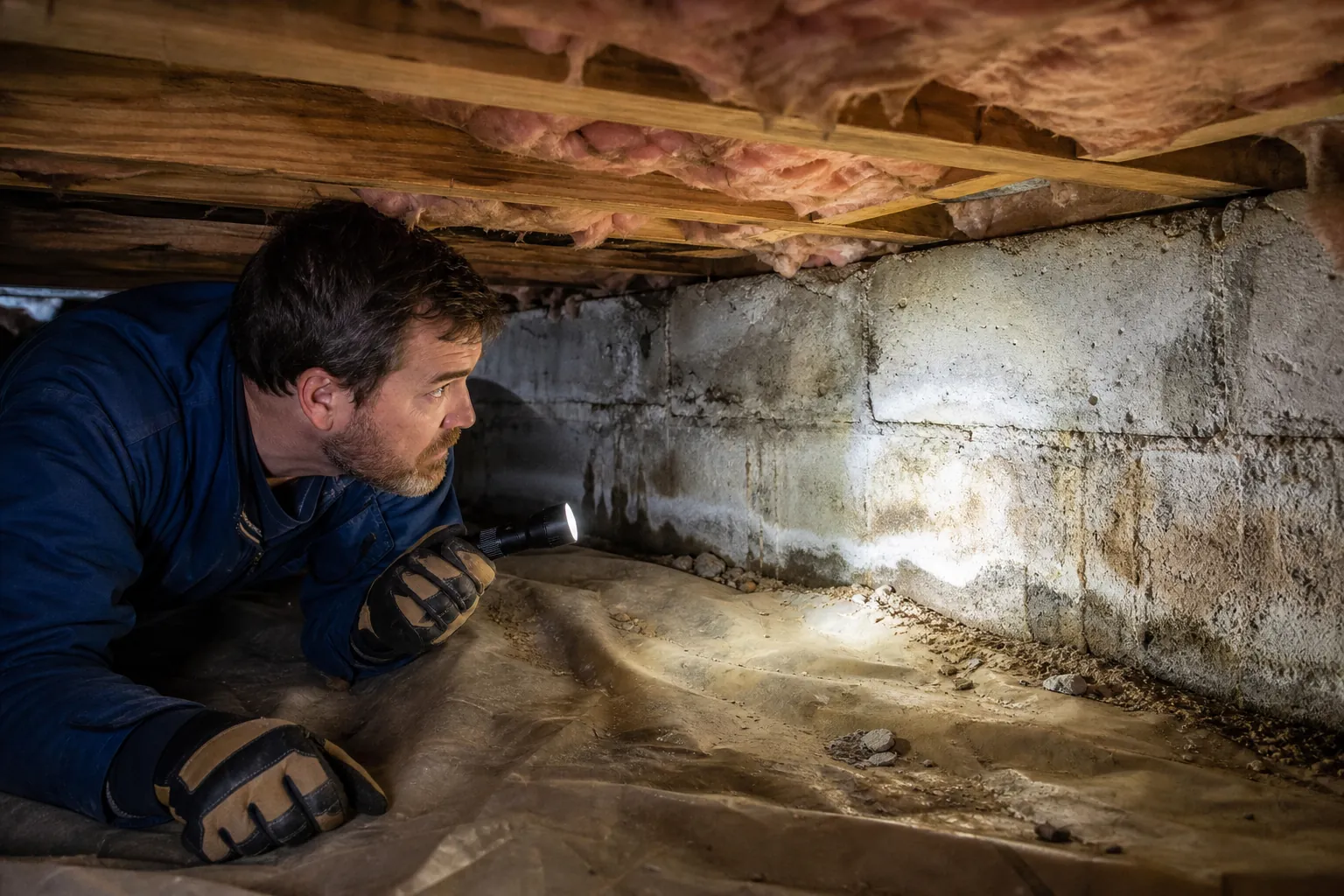
- Drooping or damp insulation may indicate moisture exposure, installation problems, or animal activity that needs further evaluation.
- Condensation on ducts or pipes suggests that surface temperatures and crawl space humidity are interacting in a way that needs correction.
- Visible fungal growth or discoloration on framing warrants professional assessment rather than an assumption based on appearance alone.
- Standing water, muddy ground, or water stains on foundation walls point to drainage or leakage issues that a vapor barrier alone cannot solve.
- Soft wood, uneven floors, or damaged supports should be evaluated for structural concerns before cosmetic or moisture-control work proceeds.
These signs are clues, not a diagnosis. A musty odor can have multiple sources, and a floor problem may not be moisture-related. A useful assessment includes visual observations, moisture measurements, and a review of the exterior conditions surrounding the foundation.
Avoid entering a crawl space with standing water near electrical equipment, damaged wiring, suspected sewage, or unstable supports. Those conditions call for appropriate professional help before routine inspection or installation.
What A Complete Encapsulation System Includes
Although materials and installation details vary, a well-planned crawl space encapsulation project should function as a system. Each component has a specific job. Leaving out an important piece can limit the performance of everything else.
A durable, sealed ground liner
The ground liner limits moisture vapor moving from soil into the crawl space. It should cover the intended area continuously, with seams sealed according to the material manufacturer's requirements. Piers, corners, and penetrations require attention because awkward shapes can leave small but meaningful gaps.
Liner selection should consider durability as well as thickness. Reinforcement, seam compatibility, expected foot traffic, and access for future repairs all matter. A thicker product is not automatically better if it is installed poorly or is unsuitable for the application.
Foundation and access sealing
Encapsulation generally includes sealing foundation vents and other unwanted outdoor air openings. Access doors should close securely and limit air leakage. Connections between the liner and foundation must follow an installation method appropriate for the materials and site.
Required termite inspection access must remain available. Details near the top of the foundation should be coordinated with applicable requirements and the homeowner's pest-control provider rather than improvised.
A defined humidity-control method
Sealing the space reduces moisture entry, but residual moisture and occasional air exchange still occur. A suitable dehumidifier or another code-compliant conditioning strategy helps maintain controlled conditions. The right approach depends on the crawl space, building systems, and installation requirements.
A dehumidifier needs suitable capacity, service access, power, and a reliable condensate discharge route. Choosing equipment without planning where its collected water will go leaves the project incomplete.
Drainage where needed
If bulk water enters the crawl space, drainage must be addressed before or alongside encapsulation. Depending on the source, that may involve exterior corrections, an interior drainage system, a sump pump, plumbing repairs, or a combination of measures.
Resolve Water Problems Before Sealing The Space
Moisture vapor and liquid water are different problems. A sealed liner helps control vapor from the ground, but it does not repair a leaking pipe or stop runoff from collecting against the foundation. Understanding that distinction prevents expensive disappointment.
Start outside. Gutters should collect roof runoff, and downspouts should discharge where water can move away from the home without creating another problem. Soil grading should discourage water from pooling at the foundation. Landscaping and irrigation should also be checked for persistent wet areas.
Inside the crawl space, evidence of water entry should be traced as closely as possible. Water around a plumbing line may have a different cause from water along an entire foundation wall. An inspection during or shortly after wet weather can sometimes reveal patterns that are absent during dry conditions.
If a sump pump is proposed, ask about basin location, discharge routing, maintenance access, and whether backup protection is appropriate. A pump is useful only when the overall system collects and discharges water effectively.
Encapsulation should not conceal unresolved damage. Wet materials, deteriorated insulation, and compromised framing need an explicit plan. Structural repairs may require a qualified specialist, and suspected microbial contamination should be evaluated separately from the liner installation.
What To Expect During Assessment And Installation
A careful project begins with access and documentation. The contractor should inspect the available crawl space areas, identify limitations, and explain any locations that cannot be reached safely. Photos help connect recommendations to actual conditions beneath your home.
Moisture readings provide useful context, but a single measurement is not the whole story. Weather, season, and recent rainfall can affect results. Wood moisture readings, relative humidity, visible water patterns, and exterior observations should be considered together.
- The assessment should identify likely moisture sources and distinguish immediate repairs from optional improvements.
- The written scope should describe preparation, liner coverage, seam treatment, vent sealing, and access-door work.
- The plan should explain how existing insulation, debris, and any damaged materials will be handled.
- The proposal should specify humidity-control equipment and the intended condensate drainage method.
- The contractor should explain how installation preserves access to plumbing, electrical components, and required inspection areas.
Preparation often includes removing debris and creating workable surfaces for sealing. Existing materials may need removal or adjustment, but the scope should state what is included rather than leaving that decision until installation day.
Once the liner, sealing details, and equipment are installed, the system should be checked for completeness. That includes inspecting seams and attachments, confirming drainage operation, and making sure service areas remain accessible.
Ask for a walkthrough or clear completion photos. You should understand how to monitor conditions, where equipment is located, and whom to contact if an alarm sounds or water appears.
Benefits To Expect, Without Overpromising
The central benefit of crawl space encapsulation is improved moisture control. Reducing exposed soil vapor and humid outdoor air entry can make conditions beneath the home more consistent. That helps reduce the environment that supports condensation and moisture-related deterioration.
Musty odors may improve when their underlying moisture source is corrected and affected materials are handled appropriately. However, encapsulation is not a universal treatment for every indoor air issue. Odors from plumbing, pests, or contamination require attention to their actual source.
Homes with ductwork in the crawl space may benefit from reducing exposure to extreme dampness. Energy and comfort outcomes still depend on duct leakage, insulation, equipment performance, and the rest of the building envelope. No responsible proposal should guarantee a particular utility-bill reduction without supporting analysis.
A cleaner, covered crawl space can also make future inspections and repair visits easier. Technicians can more readily observe leaks or displaced materials when the area is orderly. The liner still needs protection from sharp tools and careless foot traffic.
Encapsulation does not replace pest management, structural repair, or plumbing maintenance. Its value comes from controlling a significant moisture pathway while supporting, rather than substituting for, those other parts of home care.
How To Compare Encapsulation Estimates
The cost of a project depends on more than floor area. Crawl space height, access difficulty, foundation layout, current water problems, and preparation needs can all change the labor and materials required. Equipment and repair scope also affect the total.
Compare proposals by their included work, not just the final number. A lower price may reflect less preparation, fewer sealed surfaces, or no humidity-control equipment. Conversely, a larger package is not automatically the right choice if it includes work your crawl space does not need.
- Ask which moisture sources the proposed work addresses and which issues remain outside the contract.
- Confirm the liner specifications and how seams, walls, piers, and penetrations will be treated.
- Request equipment details, including dehumidifier sizing rationale and any proposed drainage components.
- Clarify whether electrical work, permits, debris disposal, and insulation changes are included or separately arranged.
- Read warranty terms carefully, including maintenance requirements, exclusions, transferability, and who handles service.
- Ask how unexpected damage discovered during preparation will be documented and approved before additional work occurs.
A useful estimate makes the reasoning understandable. You should be able to connect each major recommendation to an observed condition or a clear requirement of the proposed system.
Maintaining An Encapsulated Crawl Space
An encapsulated crawl space still needs periodic attention. A sealed system can be disrupted by plumbing leaks, equipment failures, stormwater changes, or later service work. Simple monitoring helps identify those problems before they become widespread.
A humidity monitor can help track trends. Many systems are operated to keep relative humidity below roughly 60 percent, but the appropriate operating target should be confirmed with the installer. Sensor location and accuracy matter, so investigate persistent changes rather than relying on one isolated reading.
Maintain the dehumidifier according to its manufacturer instructions. Filters, coils, and condensate drains may need cleaning or inspection. Keep the unit accessible and avoid blocking airflow with stored items.
Check visible liner areas for tears, loosened seams, and water above or beneath the material. After plumbing, electrical, or HVAC work, verify that access doors close properly and that penetrations or damaged sections have been resealed.
Continue maintaining gutters, downspouts, and exterior drainage. Encapsulation does not make the home independent of site conditions. Preserve termite inspection access and coordinate routine pest inspections with the system's layout.
Choosing The Next Step For Your Home
If your Fuquay-Varina home has recurring crawl space humidity, musty odors, or damp insulation, start with an assessment rather than choosing materials first. The best plan follows the moisture sources, condition of the structure, and practical requirements of the space.
Carolina Encapsulation Company can help you discuss crawl space encapsulation and the conditions that need attention before installation. Call 704-207-9348 to ask about an assessment and a clearly defined scope for your home.
You do not need to know which liner or dehumidifier to request. Bring your observations, describe when problems occur, and ask for an explanation of the findings. An informed decision begins with understanding what is happening beneath the floor.
Call 704-207-9348 to talk through next steps.