
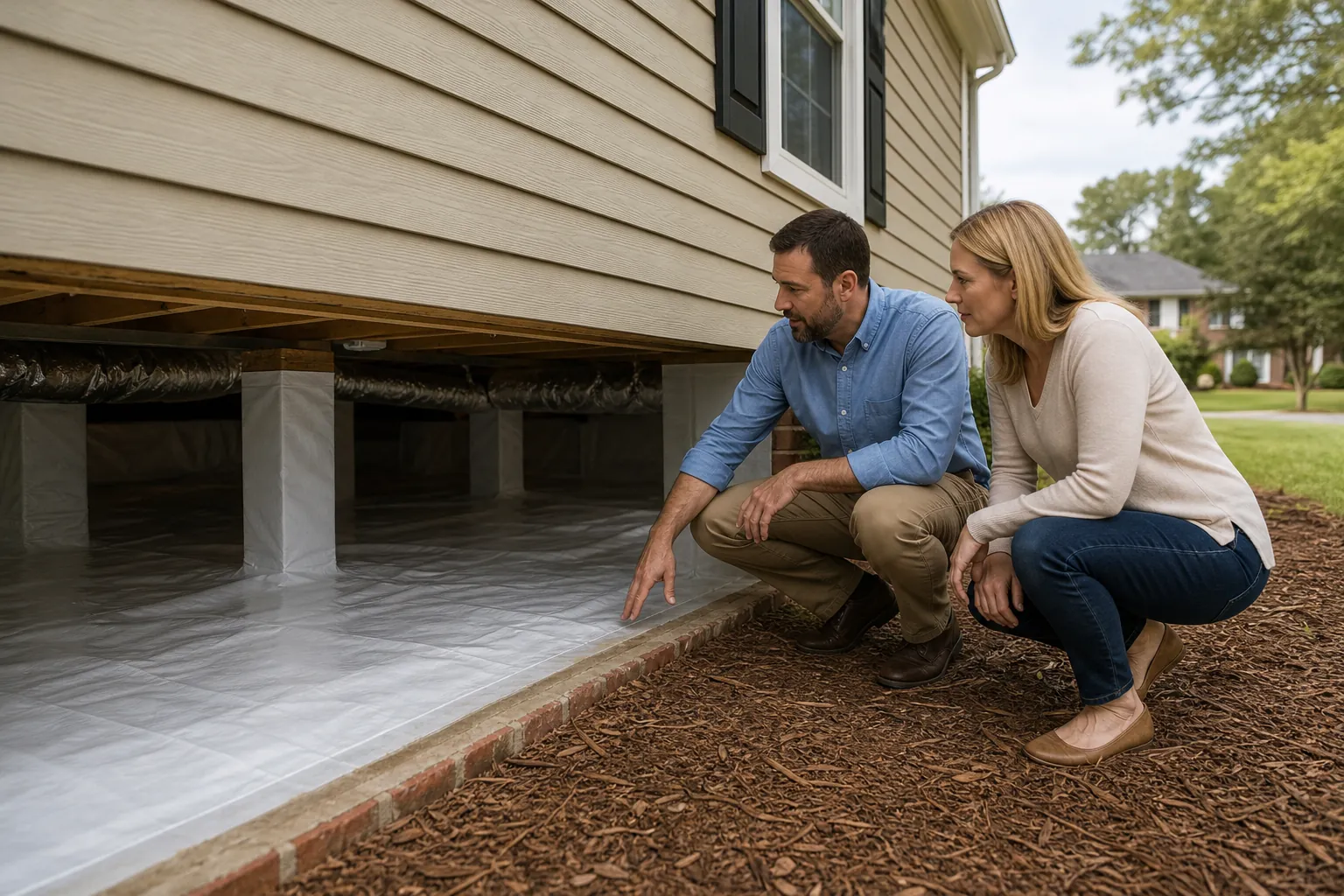
If you are preparing to sell a home in Clayton, you may wonder whether to encapsulate the crawl space before listing. The answer depends on what is happening beneath the house, how soon you plan to sell, and whether moisture issues could complicate inspections or negotiations.
A dry, well-maintained crawl space can support a smoother sale. However, encapsulation is not automatically necessary for every property, and it should never be used to cover up unresolved drainage, plumbing, or structural problems. The best starting point is an assessment that separates active defects from optional improvements.
This guide explains when it makes sense to encapsulate crawl space before selling, what the work should include, and how to present the results to prospective buyers. Carolina Encapsulation Company helps North Carolina homeowners evaluate crawl space conditions and make practical decisions without assuming that every home needs the same solution.
Why Crawl Space Conditions Matter When Selling
Buyers usually spend more time looking at kitchens and living rooms than inspecting the area beneath a house. Still, the crawl space can become an important part of the transaction once a home inspection takes place.
An inspector may report standing water, damaged insulation, wood deterioration, visible fungal growth, plumbing leaks, or an incomplete ground vapor barrier. These findings can lead to requests for further evaluation, repair estimates, price adjustments, or additional time before closing.
Encapsulation may address some moisture-related concerns, but it does not resolve every possible inspection finding. Damaged framing requires appropriate repair. A leaking pipe needs plumbing work. Water entering from outside needs its source identified and managed.
The goal before selling is not simply to make the crawl space look cleaner. It is to understand its condition, correct relevant problems, and provide documentation that helps buyers distinguish completed work from unresolved concerns.
A neat installation with clear records can be easier to explain than a last-minute repair completed without photographs, specifications, or supporting invoices.

How Clayton's Climate Influences The Decision
Clayton homeowners deal with the hot, humid summers typical of the Triangle region. During warm weather, outdoor air can carry substantial moisture. When that air enters a cooler crawl space, relative humidity can rise and condensation may develop on suitable surfaces.
Vented crawl spaces are common in North Carolina homes. Opening vents does not necessarily dry them during humid weather. Depending on conditions, bringing in more outdoor air can introduce additional moisture rather than remove it.
Local red clay soils can also hold water and drain slowly. Around a particular house, the effect depends on grading, soil disturbance, roof runoff, and nearby drainage features. Soil type alone does not prove that a crawl space needs encapsulation.
These conditions make a site-specific evaluation useful. A house on a well-drained lot may need modest improvements, while another property may require water management and humidity control before a sealed system can perform reliably.
If you are selling during a relatively dry period, remember that current appearances may not reflect summer humidity or conditions after heavy rain. Ask about moisture history rather than relying on one quick visit.
When Encapsulation Is Worth Considering Before Listing
Encapsulation is most relevant when the crawl space has an identifiable moisture problem that a properly designed system can address. It may also be worth considering when you plan to remain in the home long enough to benefit from improved moisture control before selling.
Look for these conditions when deciding whether to request an assessment:
- Persistent musty odors deserve investigation, especially when their source appears to be beneath the home.
- Repeated high humidity readings suggest that moisture control may require more than replacing a loose ground cover.
- Condensation on ductwork, pipes, or other cool surfaces warrants a review of humidity, insulation, and equipment conditions.
- Wet or fallen insulation should prompt a search for the cause before new insulation is installed.
- Visible staining or suspected fungal growth should be evaluated rather than hidden behind new materials.
- Water stains or recurring puddles indicate that drainage or leaks need attention before sealing the space.
None of these signs independently proves that full encapsulation is the best option. Together with measurements and an inspection, they help establish whether a comprehensive system is appropriate.
If a previous buyer's inspection identified crawl space concerns, use the actual report as a starting point. Ask the contractor to connect each proposed repair to a documented condition so you can understand the scope.
When A Smaller Repair May Be The Better Choice
A home with a dry crawl space, sound framing, and a serviceable vapor barrier may not need a full encapsulation project solely because it is going on the market. Spending more does not automatically produce a higher sale price.
Sometimes the problem is limited and has a clear cause. A disconnected downspout may direct roof runoff toward the foundation. A plumbing leak may wet one area. An access door may need repair, or a ground cover may need replacement and better coverage.
Targeted repairs can be reasonable when they address the actual defect and the remaining crawl space conditions are acceptable. They should not be presented as equivalent to full encapsulation if they do not include the same moisture-control measures.
Ask for an explanation of both the minimum corrective work and any broader recommended improvements. This makes it easier to separate necessary repairs from optional upgrades.
Your listing agent can help discuss how buyers may view the condition, but a sales strategy should not replace a technical assessment. The contractor should explain what is wrong, what each option accomplishes, and what limitations remain.
What A Proper Encapsulation Project Should Include
Encapsulation generally involves creating a continuous moisture-control barrier over the soil and along designated foundation surfaces, sealing appropriate openings, and providing a way to manage humidity. The exact design depends on the home and applicable requirements.
Before accepting a proposal, make sure it describes more than liner thickness. A durable liner matters, but seams, penetrations, edges, drainage, and ongoing humidity control are equally important.
- The contractor should inspect for water entry, plumbing leaks, damaged materials, and other conditions that need correction before installation.
- The ground liner should cover the intended area, with seams and penetrations sealed according to the system design.
- Wall attachments and access details should be specified so the barrier remains secure and serviceable.
- The plan should explain how vents and other openings will be handled under applicable requirements.
- Humidity control should be sized and arranged for the space, with a defined condensate disposal method when a dehumidifier is used.
- Required termite inspection access and inspection gaps should be maintained where applicable.
- The proposal should identify electrical, drainage, insulation, or structural work that is included or excluded.
If fuel-burning equipment is located in the crawl space, changes to ventilation or enclosure conditions may require additional evaluation. Ask how the design accounts for combustion air, equipment access, and relevant safety requirements.
A written scope helps you compare proposals and gives a future buyer a clearer understanding of what was installed. Confirm any required permits or inspections before work begins.
Fix Water Entry Before Sealing The Crawl Space
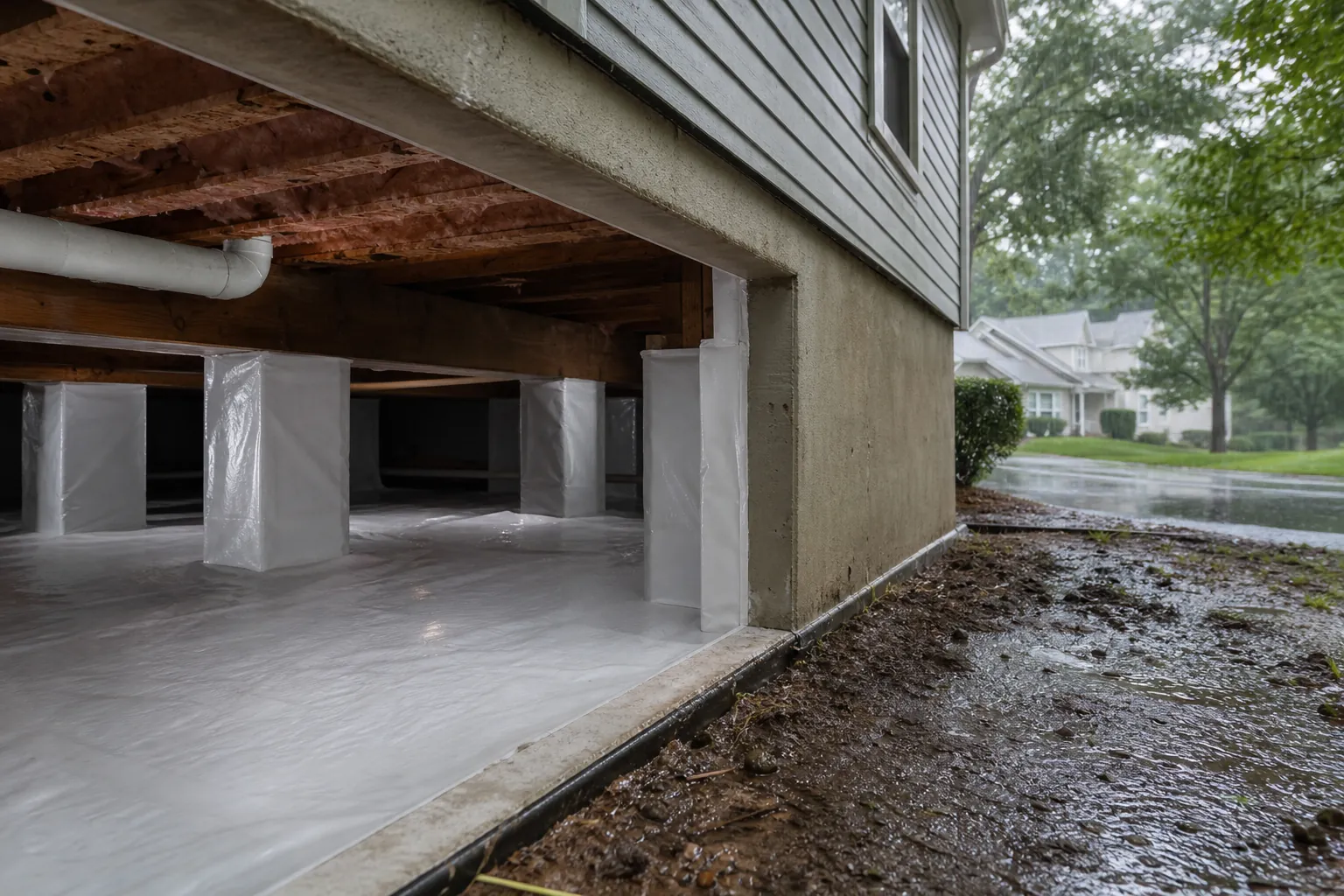
One of the most important distinctions is the difference between water management and vapor control. A liner can limit moisture vapor rising from exposed soil. It is not a substitute for correcting active water intrusion.
If rainwater regularly enters the crawl space, the contractor should investigate grading, gutter performance, downspout discharge, foundation openings, and other possible sources. Some homes may need a drainage system or sump arrangement, while others benefit from exterior corrections.
The right solution depends on where the water comes from and how it moves. Installing equipment without understanding the source can leave the underlying problem unresolved.
For sellers, this distinction matters because buyers may ask whether encapsulation solved a known issue or simply concealed it. Before-and-after photographs and a written explanation of drainage work can help answer that question.
Schedule the project with enough time to observe performance afterward when feasible. A follow-up visit or moisture check can provide useful information, although no single measurement guarantees performance under every weather condition.
Understand Cost, Value, And The Limits Of Return
Encapsulation costs vary with crawl space size, access, layout, liner specifications, cleanup needs, drainage work, humidity-control equipment, and the condition of existing materials. Structural repairs or significant water management can substantially change the total scope.
Without inspecting the property, a precise price can be misleading. Request an itemized proposal that identifies the base installation and any additional work needed to make it effective.
There is no universal resale return for crawl space encapsulation. Its value during a sale may come from addressing a defect, reducing uncertainty, or helping avoid a prolonged repair negotiation. It may not appear as a dollar-for-dollar increase in the sale price.
Consider three practical questions before committing:
- Does the proposed work correct an existing condition that could reasonably concern a buyer?
- Can the project be completed and documented before your listing or inspection deadline?
- Would a smaller repair responsibly address the issue without leaving significant moisture concerns unresolved?
Compare quotes using equivalent scopes rather than headline prices alone. A lower quote that omits drainage, necessary cleanup, or humidity control may not represent the same project.
Ask about operating costs and maintenance as well. Buyers will inherit those responsibilities, so a system that is straightforward to understand and maintain is easier to discuss honestly.
Plan The Work Around Your Selling Timeline
If you suspect a crawl space problem, investigate before listing whenever possible. That gives you more room to compare recommendations, arrange related repairs, and avoid making rushed decisions during a buyer's due-diligence period.
Start by gathering any previous inspection reports, pest reports, drainage records, and repair invoices. Tell the contractor about recurring odors, water after storms, or humidity concerns, even if they are not visible during the visit.
Next, obtain a written assessment and decide which issues need correction. If multiple trades are involved, confirm the sequence. Plumbing repairs, structural work, pest treatment, and drainage improvements may need to occur before encapsulation.
Once work is complete, request installation photographs, equipment information, and a clear maintenance outline. Keep the crawl space access available for future inspections rather than blocking it with stored items or landscaping materials.
If you are already under contract, coordinate access and deadlines with your agent. A contractor's availability, permit needs, and the complexity of repairs can affect scheduling. Do not assume that a comprehensive project can always be completed within a short negotiation window.
Give Buyers Clear Documentation, Not Broad Promises
A documented project can help buyers understand what changed beneath the home. Useful records include the signed scope, paid invoice, photographs, permit documentation where applicable, and manufacturer information for installed equipment.
Provide warranty terms in writing. Confirm whether coverage transfers to a new owner, whether transfer requires registration or a fee, and which maintenance conditions apply. Do not describe a warranty as transferable without checking the actual terms.
Maintenance instructions should explain how to monitor humidity, check drainage components, service equipment, and recognize warning signs. If the system includes a dehumidifier, buyers should know where it drains and how its filter is maintained.
Avoid claims that encapsulation makes the home mold-proof, eliminates every pest risk, or guarantees that water can never enter. Those promises exceed what a moisture-control system can reasonably establish.
North Carolina disclosure obligations can depend on the property, the transaction, and the facts involved. Discuss known conditions and completed repairs with your real estate agent or a qualified attorney. Encapsulation does not erase the history of a problem or replace accurate disclosures.
Questions To Ask Before Hiring A Contractor
The consultation should leave you with a clear explanation, not just a price. A contractor should be able to describe what was observed, why the recommended work fits the property, and how success will be evaluated.
- Ask which findings support full encapsulation rather than a smaller repair.
- Ask whether water intrusion, plumbing leaks, or damaged framing must be addressed first.
- Ask how the system will manage summer humidity and where collected condensate will discharge.
- Ask what access will remain for termite inspections, mechanical service, and future repairs.
- Ask who is responsible for permits, electrical work, and any subcontracted services.
- Ask which photographs, measurements, warranties, and maintenance instructions you will receive.
Also ask what the proposal does not include. Exclusions are important when selling because an unresolved item may still appear in the buyer's inspection report after the encapsulation project is complete.
Be cautious about recommendations based only on the fact that you are listing the house. The scope should be driven by crawl space conditions and your goals, not an assumption that every seller needs the largest available package.
Make A Practical Decision For Your Clayton Home
The decision to encapsulate crawl space before selling should begin with evidence. If your Clayton home has persistent humidity, recurring moisture, or conditions likely to raise inspection concerns, a properly designed project may be worthwhile. If the space is dry and the issues are minor, focused repairs may be enough.
In either case, prioritize correcting the cause, preserving inspection access, and keeping clear records. Those steps help you explain the property's condition without relying on exaggerated promises about resale value.
Carolina Encapsulation Company can help you evaluate the crawl space and discuss an appropriate scope for your selling timeline. Call 704-207-9348 to talk through the conditions beneath your home and whether encapsulation or targeted repairs make more sense before listing.
Call 704-207-9348 to talk through next steps.