
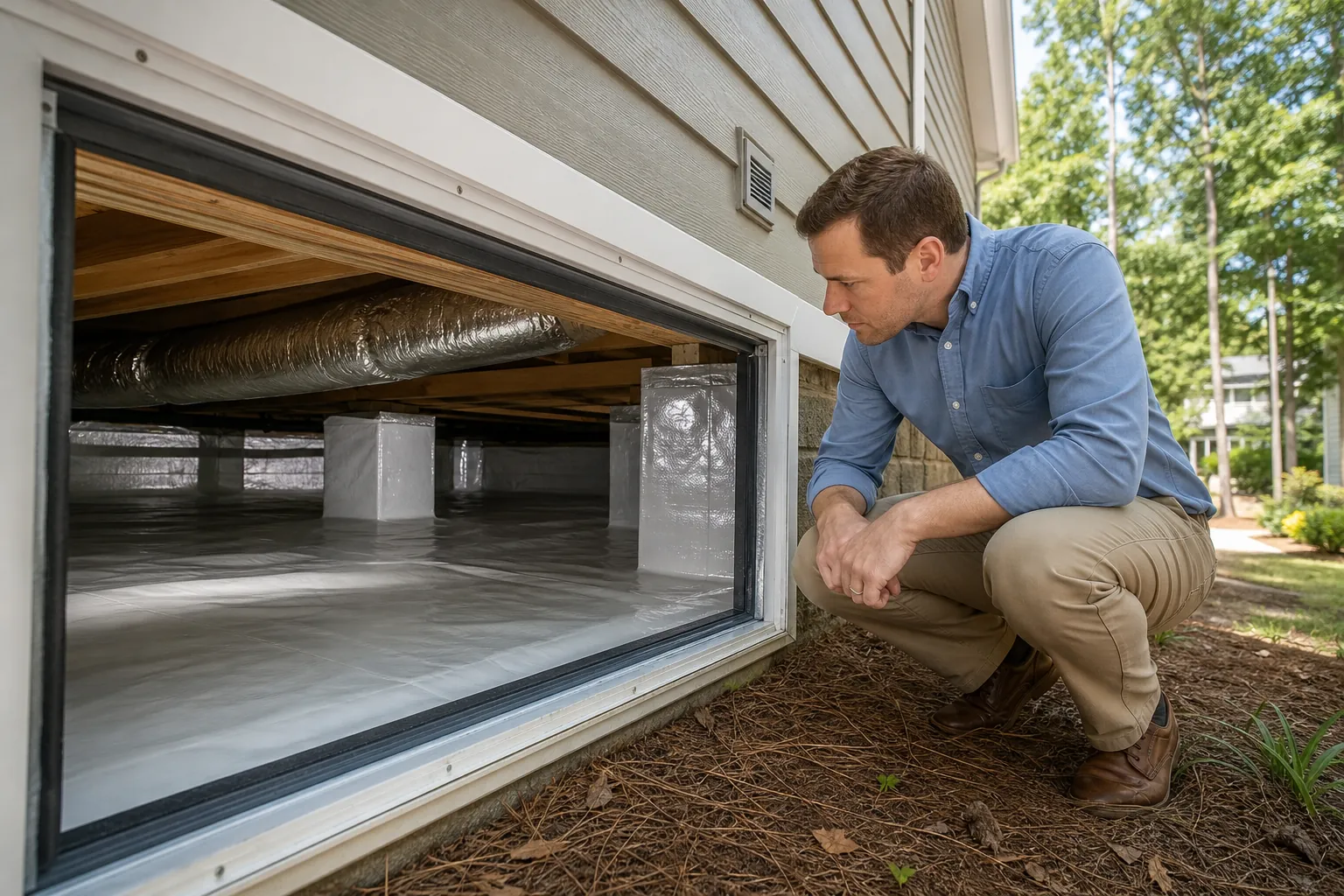
The choice to encapsulate crawl space before selling should follow an inspection, not a hoped-for sale price. First, find the moisture source and assess needed repairs. Then compare the work with your listing plan. Encapsulation may fit some homes, but it doesn't replace drainage repairs or resolve every crawl space concern.
Should you choose crawl space encapsulation before selling?
Consider encapsulation when findings support it and your sale schedule allows sound work. Don't choose it solely to make the space look cleaner. The crawl space encapsulation system guide explains the full approach. Compare that scope with crawl space moisture control options before deciding what your home needs.
Start with the home's condition, not the listing photos. A ground cover may look neat while a leak remains. Old staining may need review rather than a broad new system. The right scope depends on what caused the concern.
For a home in Cary, humid summer air matters. Yet the season alone doesn't show what work is needed. Moisture can come from the ground, outdoor air, plumbing, or poor drainage. More than one source may be present.
Separate needed repairs from changes meant to support the sale. Active water entry deserves its own plan. So do signs of wood damage or plumbing leaks. Ask the right trade to assess each concern before covering surfaces.
Discuss the findings with your real estate agent. Ask how repair access and buyer visits fit the listing plan. An agent can discuss market context. A qualified contractor should explain the proposed work and its limits.
No source supplied here establishes a likely sale price increase. Treat any claim about recovering the full expense with care. A useful decision rests on documented needs, clear scope, and your own sale goals.
What should an inspection check before you decide?
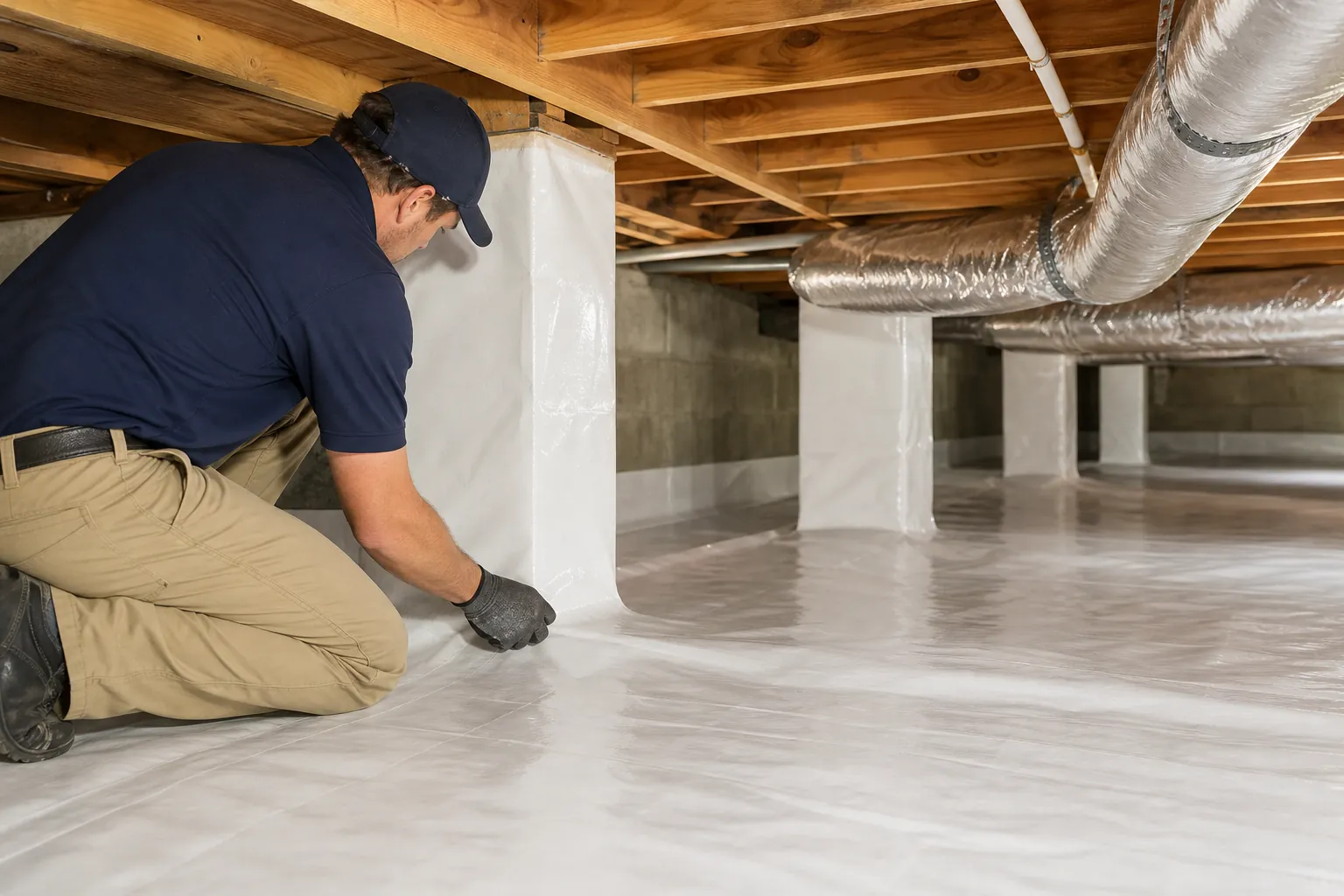
An inspection should look for moisture sources, visible damage, and access limits. One reading or photograph can't explain the whole space. Review crawl space moisture inspection readings for measurement context. Use the crawl space encapsulation system guide to understand how those findings may shape a proposed system.
Ask for findings tied to specific places. A report should distinguish standing water from damp soil or condensation. It should state which areas were reached. Low clearance, stored items, or blocked access can leave gaps in the review.
NC State Extension's Mold and Moisture Checklist supports checking moisture sources and conditions. It doesn't diagnose your home. Use that general approach to ask clear questions. Request an explanation of what each observation means for the proposed work.
Useful inspection records help you compare later proposals. They also reduce confusion when buyers ask what prompted the work. Ask the inspector to separate direct observations from possible causes.
- Record where water, damp soil, staining, or damaged materials were observed.
- Ask which readings were taken and where each reading came from.
- Note blocked areas that kept parts of the crawl space unseen.
- Identify concerns that need review by another qualified trade.
- Request photos that connect each finding to a clear location.
Does the home need encapsulation or a narrower repair?
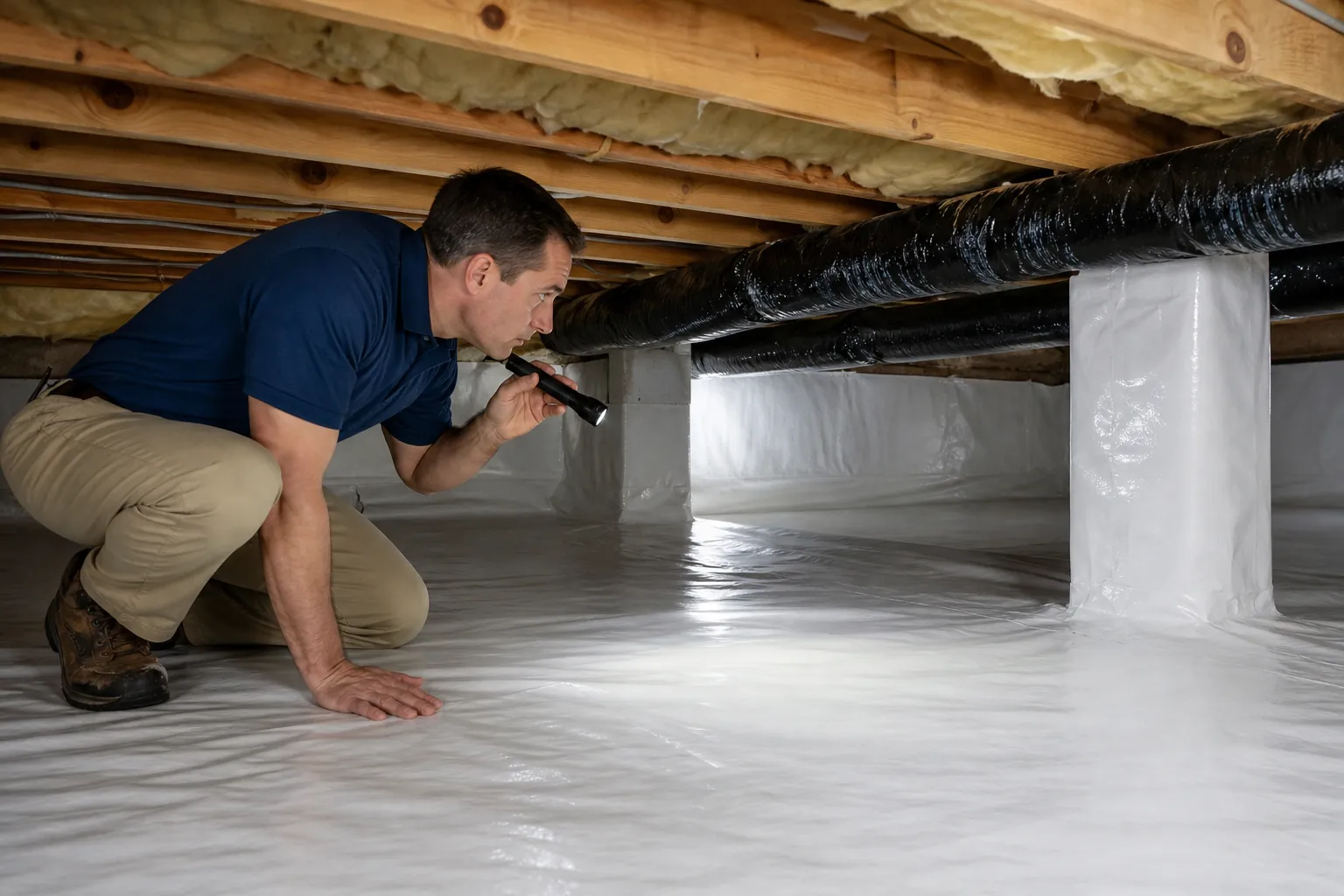
The right scope depends on the source and extent of moisture. A plumbing repair, drainage work, and encapsulation address different problems. Start with crawl space moisture control options to compare approaches. Then read the crawl space encapsulation system guide to see how a broader system fits together.
Encapsulation should be a defined scope, not a catchall label. Ask which surfaces will be covered and sealed. Ask how the plan handles moisture after the work. Existing conditions may call for separate repairs before that work begins.
The U.S. EPA's mold guide stresses controlling moisture and fixing water problems. Covering a surface doesn't establish that its cause is gone. If mold is suspected, seek an appropriate assessment. Don't use a new liner to hide unresolved concerns.
Use this comparison to frame questions, not select a design. Several types of work may belong in one plan. A qualified professional should explain their order and purpose.
| Approach | Main issue addressed | Question to ask |
|---|---|---|
| Plumbing repair | Water from a plumbing defect | Has the leak source been confirmed? |
| Drainage repair | Water reaching or entering the space | Where does the water come from? |
| Ground vapor control | Moisture moving from exposed soil | What coverage and sealing are proposed? |
| Encapsulation system | A broader crawl space moisture plan | What work and moisture control are included? |
When should crawl space work happen before listing?
Allow time for inspection, scope review, repairs, and a final walkthrough. Don't assume the first available work date means every issue is resolved. The crawl space encapsulation system guide helps define the work. Review crawl space moisture inspection readings when planning how findings will be recorded and checked.
Begin the review before setting firm promises about completion. Access limits, hidden damage, or separate trade work may change the plan. Ask what could delay the job. Get the proposed sequence in writing before scheduling listing photos.
There is no single timeline that fits every home. A simple repair differs from work involving several trades. Weather may affect outside work or access. Ask for a project-specific schedule rather than relying on a broad online estimate.
Leave room for a walkthrough and missing records. You may need clearer photos, revised scope notes, or follow-up answers. Those tasks can be hard to manage during showings. An early review gives you more room to make choices.
If the home is already under contract, speak with your agent. Repair terms and deadlines need careful review. Get legal guidance when contract duties are unclear. Don't assume a contractor's work schedule changes a signed agreement.
A rushed cosmetic fix can leave the main issue untouched. Keep water-source repairs ahead of finish details. Ask how covered areas will be documented first. Buyers may want to understand the work once those areas are hidden.
- Gather current findings before asking for a firm repair scope.
- Compare written proposals and clarify any work left out.
- Coordinate needed trades before setting dates for covered work.
- Review completed work and collect records before buyer questions arise.
How can you compare proposals without chasing the lowest bid?
Compare written scopes before comparing totals, because similar labels can hide different work. Each proposal should explain preparation, materials, moisture control, and exclusions. Use the crawl space encapsulation system guide as a scope checklist. Compare crawl space moisture control options to spot work that serves different purposes.
Ask each bidder to address the same inspection findings. Otherwise, one bid may cover a liner while another includes source repairs. A lower total may reflect less work. A higher total doesn't prove the added work is needed.
The space's size and access can affect labor. Debris removal, repairs, and existing materials may change preparation needs. Ask how those facts affect your proposal. Don't rely on a general cost range to judge a specific home.
Read material descriptions with care. A product label alone doesn't explain how seams and edges are handled. Ask how the proposed work fits the space. Request plain wording when a proposal uses terms you don't understand.
The Department of Energy discusses unvented conditioned crawl spaces as a design approach. That guidance doesn't establish the right design for your home. Ask a qualified professional about system fit and applicable requirements. No single component describes the whole approach.
Clarify who handles items outside the main scope. Plumbing, electrical, pest, or structural concerns may need separate review. Ask who coordinates those tasks and records their completion. Avoid assuming they are included because the bid mentions moisture.
Finally, ask how scope changes will be handled. Hidden conditions may become visible after work starts. Written approval steps help you track added work. Keep the final scope with the other sale records.
What records will help buyers understand the work?
Keep records that show the original concern, chosen scope, and completed work. Clear records help buyers ask informed questions without treating a new liner as proof. Pair the crawl space encapsulation system guide with crawl space moisture inspection readings when organizing explanations of the system and its findings.
Save the original report, even if later repairs address its findings. That report explains why work was proposed. Keep before-and-after photos labeled by area when available. Photos support a record, but they don't prove hidden conditions are resolved.
Ask for a final invoice that identifies completed tasks. Keep changes to the original scope alongside it. If another trade handled repairs, retain those records too. Buyers should be able to follow which party handled each task.
A completion record and a condition assessment serve different roles. One may confirm work listed in a contract. The other may assess specific conditions at a stated time. Don't describe either document as proving more than it actually covers.
Disclosure questions need advice suited to your sale. Ask your agent or a North Carolina real estate attorney. This article doesn't determine what you must disclose. Avoid assuming that repair work removes a duty to discuss past conditions.
Present the records in a short, clear folder. Include dates and explain any open items. Keep claims close to what the documents say. Buyers may still choose their own inspection or ask for more detail.
- Keep the original findings and any notes about inspection access limits.
- Save the agreed scope, approved changes, and final work invoice.
- Include available photos with dates and clear area labels.
- Retain equipment instructions and written terms supplied with the work.
- List unresolved items without describing them as completed repairs.
How do you make a sound pre-sale decision?
Choose the next step that addresses the evidence and fits your sale plan. That may mean further inspection, targeted repairs, or a broader system. Review crawl space moisture control options alongside the crawl space encapsulation system guide. Ask for a clear reason behind each proposed task before approving it.
Write down the problem you are trying to solve. It might be active water, damp soil, or an unexplained reading. Keep the question specific. A vague goal like making the crawl space better is hard to evaluate.
Then separate confirmed facts from open questions. An observed leak is different from a suspected source. A single dry visit doesn't describe every season. Ask what further review would help resolve gaps before choosing broad work.
Review the proposed plan against those facts. Each major task should have a stated purpose. Ask what remains outside the scope. If the explanation is unclear, seek another qualified opinion before committing to covered work.
Consider your role after the sale as well. A system may have equipment, checks, or upkeep needs. Ask for written care instructions and pass them along. Don't describe the space as maintenance-free unless the actual terms support that claim.
For your Cary home, keep the decision tied to its condition. General moisture guidance can help frame questions. It cannot establish the correct repair scope or likely sale result. Clear findings and honest records provide a sounder basis for action.
Questions about next steps? Call Carolina Encapsulation Company at 704-207-9348 or review encapsulation.
Frequently Asked Questions
Should I paint over crawl space stains before showing the home?
Don't treat paint as a substitute for finding the cause. Stains may need review before anyone decides how to clean or cover them. The EPA advises addressing moisture problems when dealing with mold. Ask an appropriate professional to assess the material, and preserve records of the findings before any surface work.
Can a buyer inspect the crawl space after encapsulation?
Buyers can ask to have the space inspected, subject to access and sale terms. New coverings may limit what is visible beneath them. Keep records of conditions before work began. Ask the installer how access points remain usable, and let the buyer's inspector explain any limits in the later review.
What if my crawl space was encapsulated years ago?
Start with its current condition rather than assuming it needs replacement. Gather the original scope and any care records. Ask a qualified professional to review visible wear, moisture concerns, and system operation where applicable. Age alone doesn't explain how the system is working or establish what repairs are needed now.
Should I offer a repair credit instead of arranging the work?
Discuss that choice with your real estate agent and, when needed, an attorney. A credit and a completed repair have different effects on negotiations. Neither choice resolves the physical issue by itself. Keep the known findings clear, and seek qualified advice about contract terms rather than choosing from general online guidance.
Does a dry crawl space visit rule out seasonal moisture?
No. A dry visit describes conditions at that time. It doesn't establish what happens after rain or during humid weather. Share past photos, water events, and repair records with the inspector. Ask which findings need further review, without assuming that one dry reading proves a year-round condition.
Sources
- Mold and Moisture Checklist, NC State Extension
- A Brief Guide to Mold, Moisture and Your Home, U.S. EPA
- Unvented Conditioned Crawlspaces, U.S. Department of Energy
Call 704-207-9348 to talk through next steps.