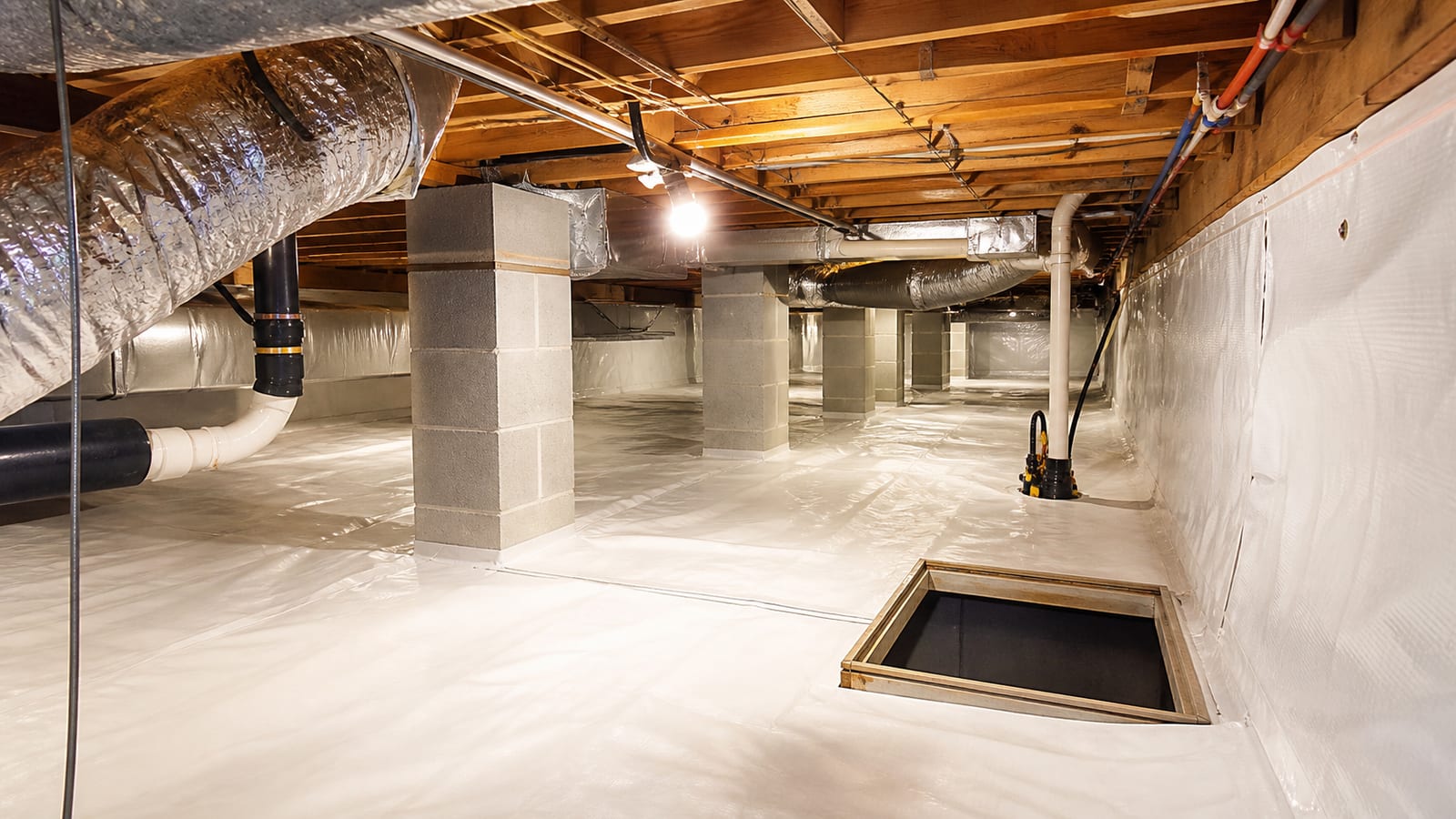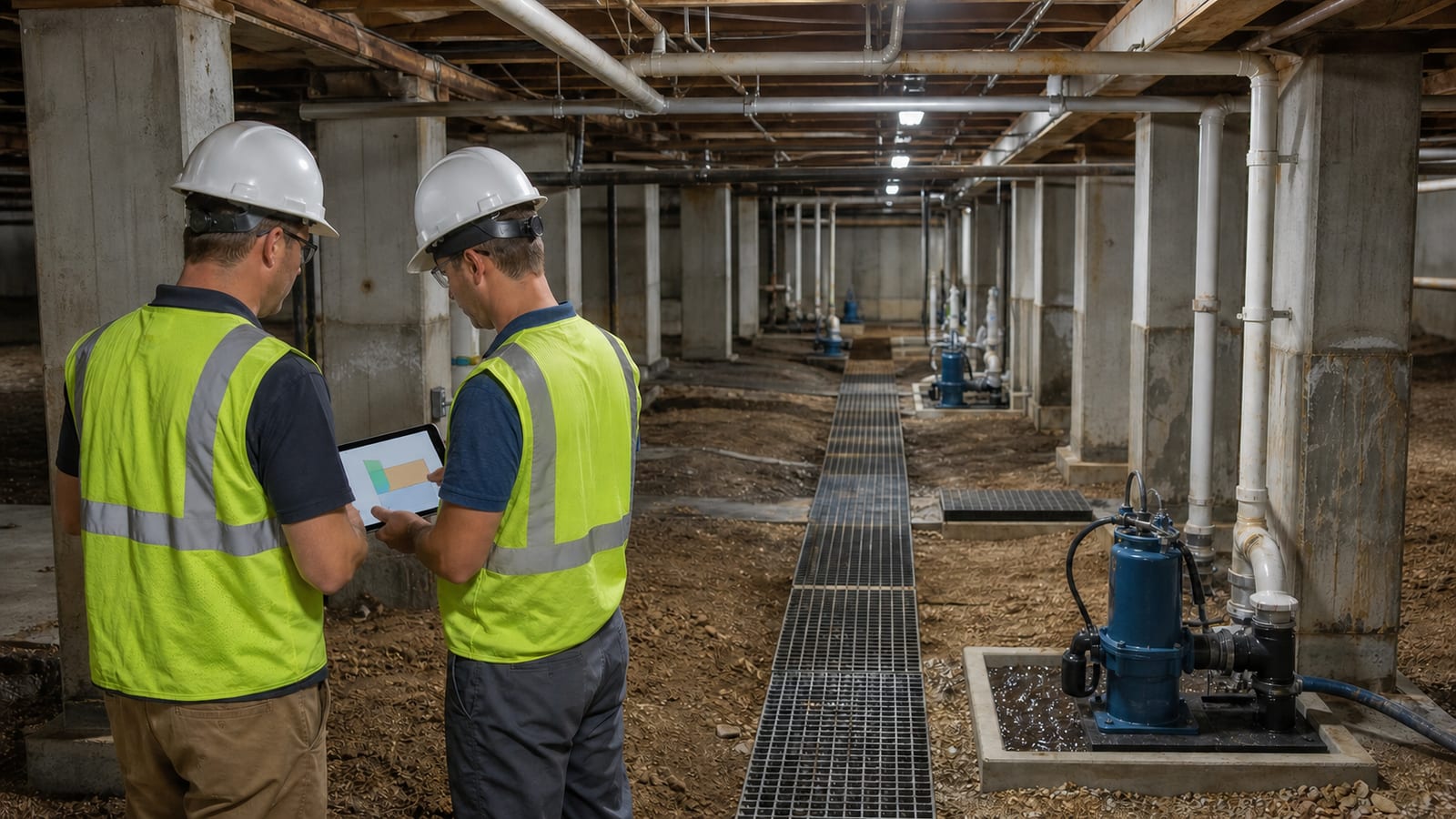
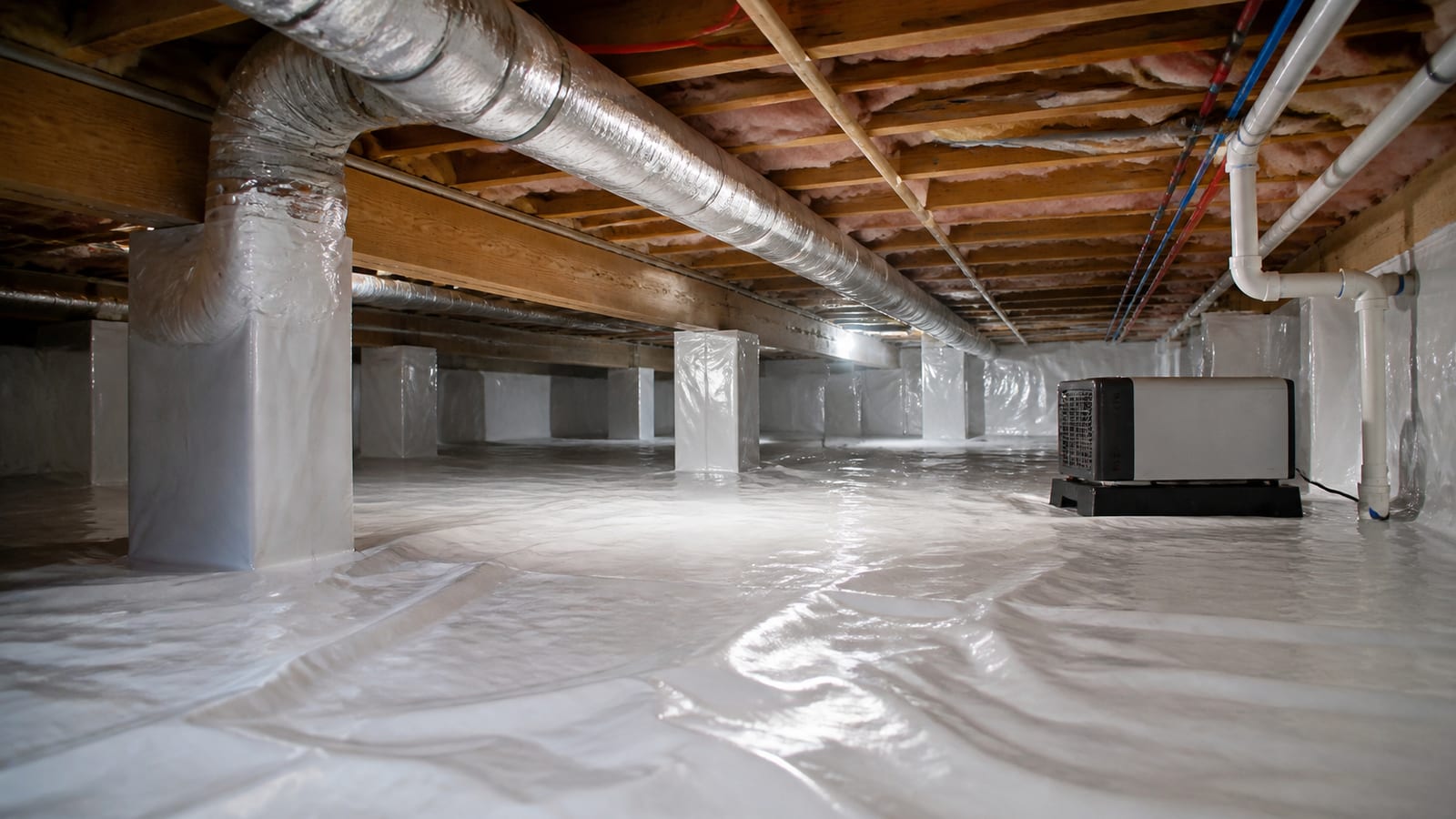
A property manager needs more than a price for commercial crawl space encapsulation. The written scope should show what was found, what work is included, who handles related repairs, and what must happen before installation begins. It should also address access, tenant notices, approval limits, site cleanup, and future service needs.
These details matter in Raleigh, NC, where warm and humid weather can place steady moisture pressure on crawl spaces. A vague scope may hide open questions about mold, wet insulation, drainage, damaged wood, wiring, plumbing, or mechanical equipment. Those issues can delay work or leave a new liner covering an unresolved source.
Carolina Encapsulation Company serves Fuquay-Varina and surrounding Triangle communities. Its commercial services can begin with an inspection and a measured proposal. Property managers can then compare the same work categories, set responsibility lines, and gain the approvals needed before the job starts.
How much does commercial crawl space encapsulation cost for a 1,000-square-foot space?
Cost depends on far more than floor area. Access, crawl height, drainage, debris, insulation, mold, wood damage, liner details, and moisture equipment can all change the scope. Ask for a measured written proposal that separates base encapsulation from repairs, options, exclusions, and work assigned to other trades.
A useful proposal starts with field notes and measurements. It should record access points, exposed soil, foundation walls, piers, vents, standing water, and visible damage. Photos help an owner review conditions without entering the space. They also create a record for later approval talks.
Before comparing proposals, ask each contractor to show:
- Areas included in the measured scope
- Cleanup and old material removal
- Liner thickness and covered surfaces
- Seams, edges, piers, and access-door details
- Drainage or humidity-control options
- Repairs excluded from the base work
- Power, plumbing, or trade needs
The proposal should name who moves stored items and who opens locked areas. It should also state who approves added work after hidden damage is found. For managed property, set a written approval limit and a contact chain. This keeps a field worker from waiting while several parties seek permission.
Price should follow the agreed scope, not replace it. Two proposals may describe very different systems. Ask bidders to mark allowances, owner duties, and conditions that could lead to a change order. A site-specific plan is more useful than a price based only on square footage.
What are the negatives of crawl space encapsulation for managed properties?
Encapsulation can perform poorly if water sources, damaged wood, or service access are ignored. A sealed space also needs planned humidity control and routine checks. For managed property, unclear duties can create delays, blocked equipment, missed leaks, or disputes over repairs that were never included in the original scope.
The main risk is sealing too soon. Bulk water may enter through grading, drains, plumbing, or the foundation. If that source remains active, moisture can collect under or above the liner. Wet insulation, debris, or fungal growth may also need separate work before sealing begins.
Access is another concern. Plumbers, electricians, pest providers, and heating and cooling workers may need to enter later. The plan should keep shutoffs, cleanouts, drains, supports, and service panels reachable. It should also show how future workers can cross the liner without tearing it. Ask who repairs damage caused by another trade after completion.
A manager should record these limits before approval:
- Conditions that stop installation
- Items the owner must remove
- Areas that cannot be reached
- Equipment that remains in place
- Follow-up checks assigned to site staff
- Damage that requires a new scope
Encapsulation is not a substitute for every crawl space repair. It does not correct a failed beam, leaking pipe, or poor exterior drainage by itself. A clear proposal states those limits. It should also set an escalation point if crews find hidden decay, unsafe access, or a condition outside the approved work.
What is the best material for a commercial crawl space encapsulation scope?
There is no single material that fits every commercial crawl space. The right assembly depends on the surface, traffic, moisture load, access, and planned service work. The scope should name liner properties, attachment details, seam treatment, wall coverage, and protection in paths where workers may enter later.
A liner is only one part of the assembly. Performance also depends on surface preparation, seam layout, edge fastening, and treatment around piers or pipes. Ask the proposal to describe each part in plain terms. A sample or product sheet can help owners compare material features without relying on color or sales labels.
Traffic should shape the plan. A crawl space that holds plumbing valves or mechanical equipment may receive regular visits. Service paths may need added protection. Low areas, sharp stone, old fasteners, and rough masonry may also call for extra preparation. The scope should state whether crews remove hazards, cover them, or exclude affected areas.
Do not accept the word “encapsulation” as a complete material spec. Ask for these facts:
- Which surfaces receive liner?
- How are seams joined?
- How are walls and piers treated?
- How is the access opening finished?
- What protects service routes?
- How will later repairs be patched?
The property manager should also keep final product information with building records. That file helps future vendors avoid harmful cleaners, adhesives, or repair methods. It also gives staff a clear reference if a trade cuts or lifts the liner during later work.
How do you control moisture before and after encapsulation?
Control moisture by fixing bulk water and leaks first, removing affected materials as needed, sealing ground and wall moisture paths, and planning ongoing humidity control. The scope should place each step in order. It should also name who completes plumbing, drainage, mold, structural, electrical, and monitoring tasks.
Start with the source. Check roof runoff, grading, foundation entry, drains, pipes, ducts, and wet soil. The EPA mold and moisture guide stresses moisture control as the key to mold control. NC State’s mold and moisture checklist also offers practical signs to record.
Next, set the work order. A typical plan may call for water control, plumbing repair, cleanup, wood review, and then encapsulation. Visible fungal growth may need a separate crawl space mold and fungal cleaning scope. Damaged framing may need crawl space structural repair before surfaces are covered.
Inspection notes are not engineering decisions. If sagging, wide cracks, shifted supports, or major wood loss raises a design question, the owner may need an independent structural engineer. Carolina Encapsulation Company does not supply engineering. Permit needs can vary with the work and local authority. Confirm them with the local inspection office and the North Carolina Office of State Fire Marshal when relevant.
After installation, assign filter care, drain checks, humidity review, and leak reporting. Name the person who records readings and the point that triggers a service call.
Is 70 percent humidity too high for a crawl space?
A 70 percent relative humidity reading is high enough to require attention, especially if it lasts. One reading does not explain the cause. Confirm it with a reliable device, record the time and conditions, inspect for leaks or wet materials, and review how the encapsulated space is being controlled.
Relative humidity changes as air temperature changes. A short rise after access has been open is different from a repeated high reading. Property staff should record the date, time, location, weather, and whether equipment was running. Place sensors where they can be checked without crawling across the liner.
The response plan should focus on causes. Check for plumbing leaks, standing water, blocked drains, loose liner edges, open vents, or an unsealed door. Look for damp insulation and condensation on ducts or pipes. Do not change settings at random before recording the starting condition. That makes it harder to learn what worked.
A managed-property scope should define the handoff after installation. It can state:
- Who receives sensor readings
- How often staff check them
- Who changes or cleans service items
- What reading or visible condition prompts a call
- Who approves a return visit
- How leaks are reported and photographed
Humidity data is a building-care tool, not proof of a single defect. A contractor can inspect visible conditions and system operation. If the source involves plumbing, heating and cooling equipment, or another trade, the manager should route that issue to the responsible provider and keep the record with the property file.
Can you put DampRid in a commercial crawl space?
A small moisture absorber is not a sound primary plan for a commercial crawl space. Its capacity is limited, and staff must replace or empty it. It may also distract from leaks, ground moisture, or drainage issues. Use measured conditions and a planned moisture-control system instead of relying on tubs.
Moisture absorbers collect some water from nearby air. They do not stop water from entering through soil, walls, pipes, or drains. In a large or connected crawl space, they may fill quickly and provide little control beyond a small area. Spills can also create a cleanup task on the liner.
Property managers should ask why the space is damp before buying a temporary product. Record standing water, stains, odors, condensation, and high readings. Check whether an access door was left open or whether a service worker disturbed a seam. Then assign the cause to the right party. A plumber should address a pipe leak. A drainage issue may require a separate water-control scope.
The written encapsulation plan should name the intended control method. It should state who provides power if powered equipment is proposed. It should also cover drain routing, placement, access for service, and the person responsible for upkeep. If an outlet or new circuit may be needed, confirm that work with the proper trade before installation.
Temporary absorbers should never become an unrecorded maintenance habit. If staff use one while waiting for inspection, mark its location and start date. Keep it away from equipment and traffic. Treat it as a short-term observation aid, not the repair.
What is the best moisture barrier for a managed crawl space?
The best moisture barrier is a complete, serviceable assembly matched to site conditions. It should cover the planned surfaces, remain secure at seams and edges, and allow access to building systems. Material strength matters, but preparation, attachment, drainage, and future repair details matter just as much.
Begin with a drawing or clear photo set. Mark soil, walls, piers, drains, low points, doors, and fixed equipment. Then show which areas will be covered. This prevents later disputes about a narrow shelf, remote bay, or section blocked by ducts. Any excluded area should be named and photographed.
The barrier plan should also protect future access. A property with frequent plumbing or mechanical work may need marked travel paths. Valves, cleanouts, and junction points should remain visible. Ask how another trade should lift, cut, or patch the material. Put that instruction in the building file and share it before service work begins.
Acceptance should be based on the written scope. During the final walk-through, check reachable seams, wall edges, piers, doors, and service routes. Record any area that could not be viewed. Collect product details, equipment instructions, photos, and assigned maintenance tasks. The owner should know who handles later damage and whether a new proposal is needed.
For framing issues found during this process, a separate joist, beam, and subfloor repair review may be appropriate. Keep that repair decision apart from the barrier choice. This makes approvals clearer and prevents a moisture liner from being treated as a structural fix.
Frequently Asked Questions
Who should approve added crawl space work at a managed property?
Name one approval contact before work begins. The property manager should also set a spending limit and a backup contact. If hidden damage appears, the contractor can pause that area, provide photos, and describe the added scope. This process helps owners make a clear choice without allowing unapproved work to move forward.
Should tenants or occupants receive notice before encapsulation?
Notice may be useful if crews need parking, gates, utility rooms, floor access, or areas near occupied units. The manager should set notice rules and access hours. The work plan should also name who handles keys, alarms, pets, stored items, and complaints. Requirements can vary by property and lease terms.
Is mold cleaning automatically included with encapsulation?
No. Mold or fungal cleaning should be clearly included or excluded in the proposal. The scope should show the affected areas, planned cleaning, material removal, and conditions that must be dry first. It should also state whether hidden growth found during work requires a pause, added approval, or review by another provider.
Does crawl space damage always require a structural engineer?
No. A contractor can record visible damage and propose repairs that fall within its work. An independent structural engineer may be needed when the issue involves design, load paths, major movement, or repair details that require engineering judgment. The property owner should select and hire that engineer when such input is needed.
Is there a tax credit for crawl space encapsulation?
Do not assume encapsulation qualifies for a tax credit. Eligibility can depend on the tax year, property use, installed components, and current rules. Ask a qualified tax professional to review the written proposal and product records. Keep invoices and final documents, but do not treat a possible credit as guaranteed savings.
How often should an encapsulated crawl space be checked?
Set a schedule based on the site, equipment, and past moisture issues. Staff should also inspect after plumbing leaks, severe rain, trade visits, or unusual humidity readings. Checks can cover access doors, seams, drains, visible water, equipment status, and service paths. Record findings so changes are easier to spot over time.
A sound commercial crawl space encapsulation scope should leave few open questions. It should show existing conditions, repair order, access needs, exclusions, owner duties, approval steps, and the final handoff. It should also explain how the space will be checked after installation.
Benji Holiday, Owner of Carolina Encapsulation Company, serves Fuquay-Varina and surrounding Triangle communities. To review a Raleigh-area property, request a free inspection or call 704-207-9348. Service availability must be confirmed by phone.
How this applies in Raleigh, NC
For homeowners in Raleigh, NC, use this topic as a way to organize observations before selecting work. Carolina Encapsulation Company serves Raleigh, NC and surrounding Triangle communities, but the appropriate scope still depends on the water, moisture, materials, access, and equipment found at the property. Compare the commercial crawl space encapsulation with the Raleigh, NC crawl space service area before choosing a property-specific next step.