Crawl space encapsulation estimate becomes easier to compare when each line in the itemized quote points to a measured or visible condition. This guide uses nine scope checks for ground preparation, liner coverage, seams, walls, piers, access, drainage, equipment, and closeout. It avoids unsupported price ranges and focuses on comparing the same itemized work.
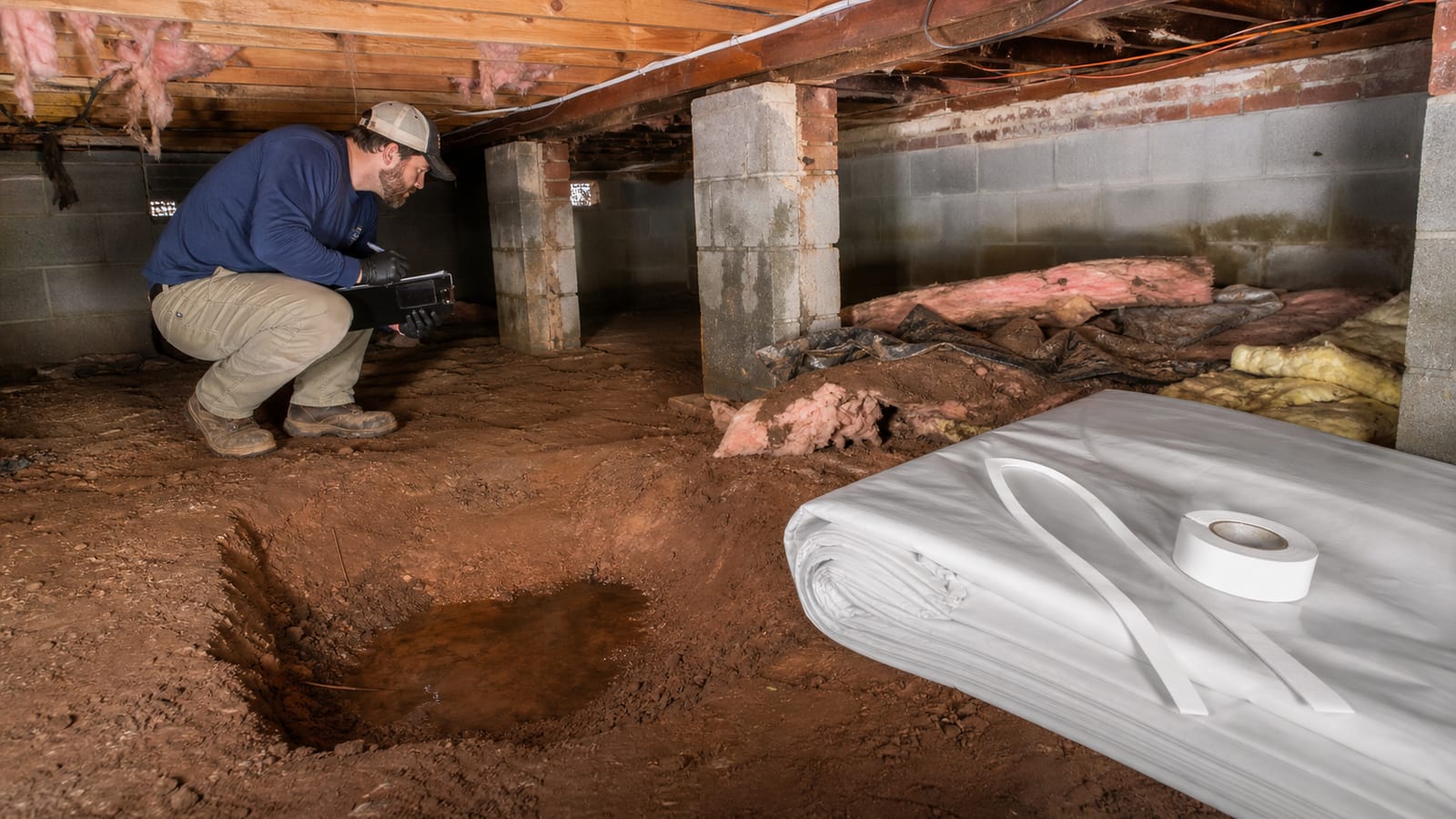
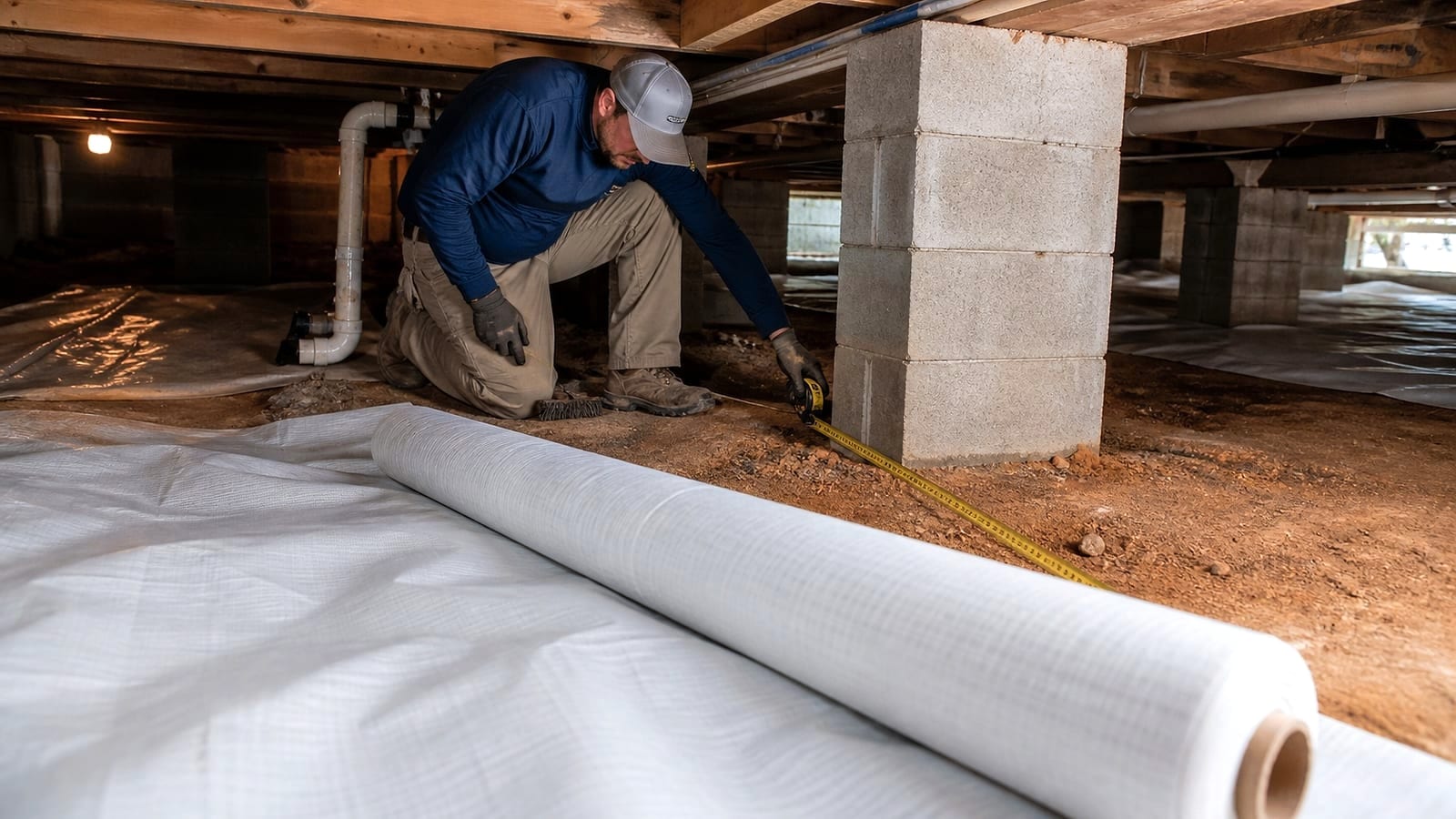
A Triangle crawl space may have torn liner at the entry, open soil around piers, water beneath old plastic, or damage from another trade. Measuring the usable material and the failed areas helps decide between a focused repair and full replacement. A webpage cannot establish concealed damage, mold species, engineering, code approval, or insurance coverage for an individual home.
Start with the crawl space encapsulation for the main service. The crawl space encapsulation system guide explains how the wider system fits together. Review the Garner service area to confirm local context. Use this page to prepare for the visit, compare service outlines, and decide when to call about the exact issue.
Before the appointment, collect a short property notes:
- Write the room location.
- Note rain and plumbing use.
- Photograph the access safely.
- Mark what cannot be reached.
- List the needed answers.
- Keep a copy of the scope.
What should crawl space encapsulation estimate address first in Garner, NC?
Compare crawl space encapsulation estimate by cause, itemized work, order, and limits. For a Garner home, begin with debris, sediment, or trapped water below the material. Ask how that fact supports the plan and what must be checked next. Compare the crawl space encapsulation service with the crawl space encapsulation planning guide before approving the work.
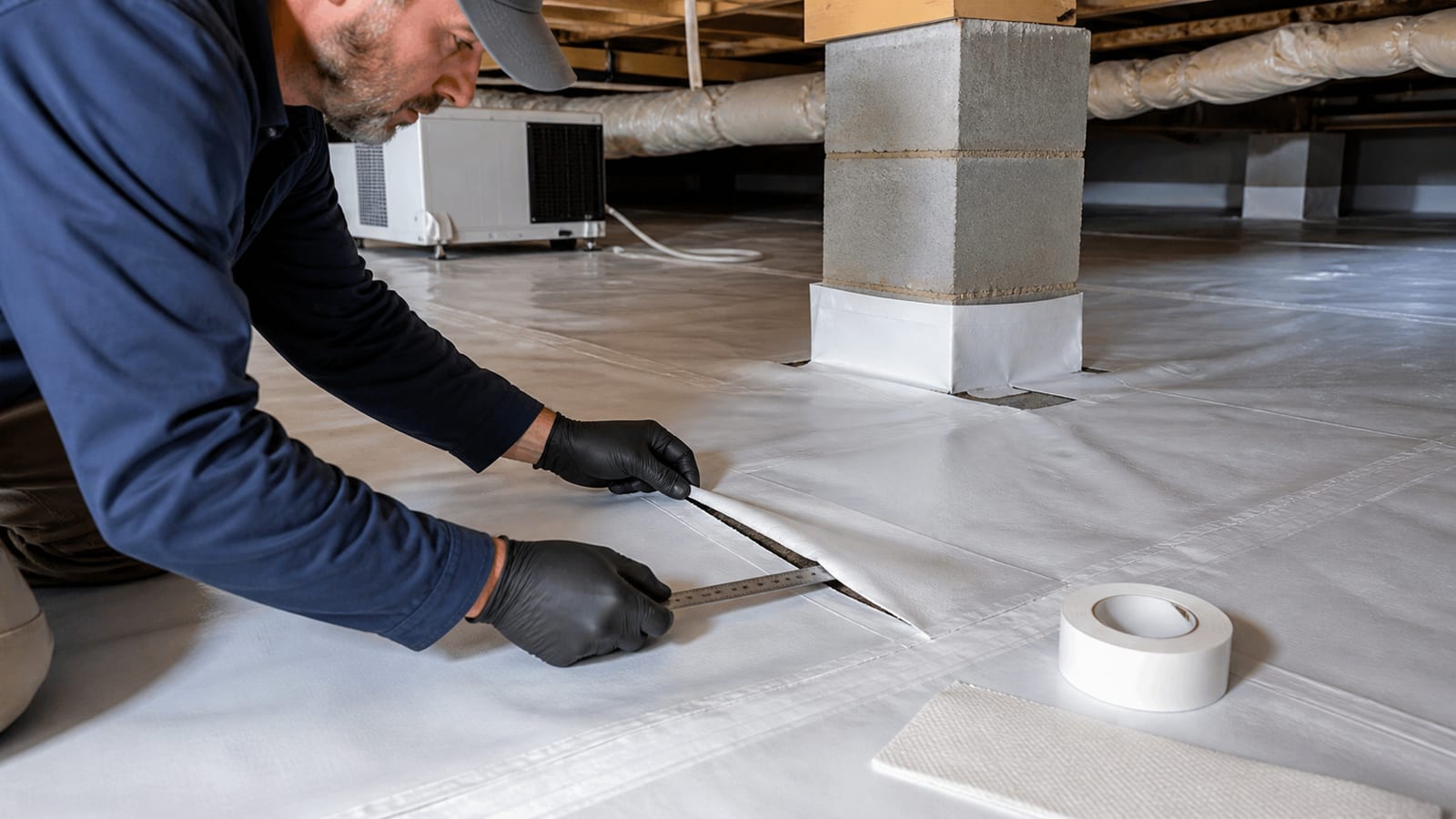
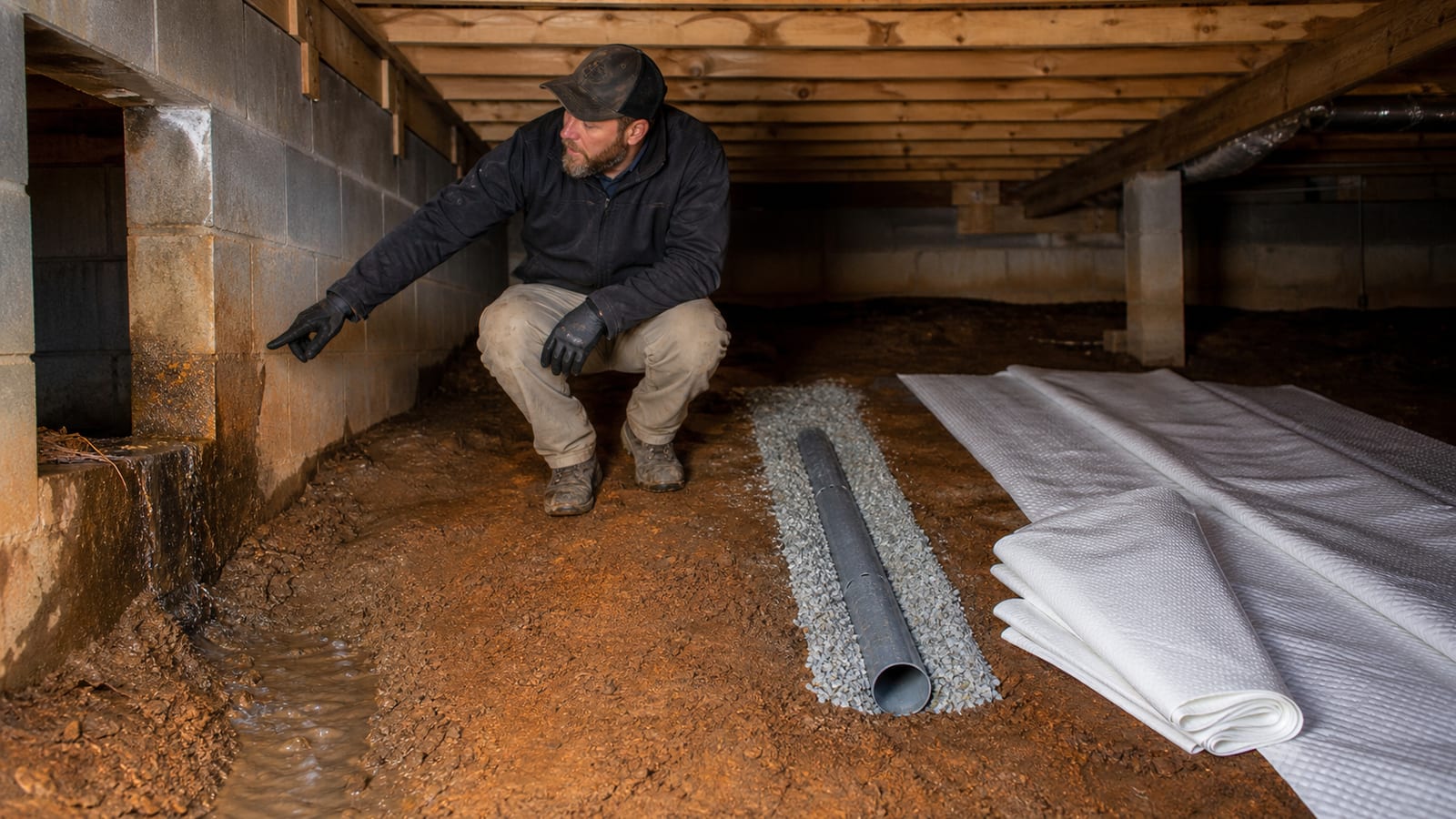
A ground liner limits soil moisture vapor. It does not replace a drain, repair a leak, or turn every crawl space into a closed system. Coverage, seams, wall and pier details, inspection gaps, access routes, and later trade damage all belong in the service outline.
Use this work-order test when reading the itemized quote:
- Restore wall, pier, and access terminations.
- Photograph final coverage and future service paths.
- Map the repair and replacement boundaries.
- Remove listed debris and address trapped water.
- Prepare clean edges and stable ground coverage.
- Document patch, overlap, and seam details.
Treat the sequence as a scope check, not an answer about the home. A task can move when access, water, framing, utilities, testing, or local review changes the conditions at the property. The field team should document that change before covering the area or adding work.
The U.S. Department of Energy crawl space guidance gives useful background for questions about debris, sediment, or trapped water below the material. It does not decide what is present at this address. The property file, measurements, and responsible professional still control the recommendation.
Which field findings should guide the vapor barrier scope?
Good field proof links place, time, safe photos, and size notes. For this vapor barrier scope, record debris, sediment, or trapped water below the material and traffic paths and damage left by later trade work. Mark blocked areas too. Use the crawl space encapsulation planning guide and Garner crawl space service area to test the written scope.
First capture enough surrounding area to identify the location. Follow with a closer image when the area can be approached safely. Label the wall, pier, bay, drain, unit, or floor area shown. Record recent rain, plumbing use, equipment operation, odor timing, and earlier repairs when they relate to the condition.
Compare three pairs. First, set debris, sediment, or trapped water below the material beside open soil, missing coverage, and the usable liner boundary. Next, review traffic paths and damage left by later trade work with tears, punctures, wrinkles, and separated seams. Last, test drains, equipment, inspection gaps, and service access against wall, pier, column, and access-door terminations. This keeps one symptom from standing in for the whole cause.
Keep each number with the condition it describes. A humidity reading should include sensor location and unit status. A damaged area should match the marked photograph. A floor symptom should line up with the framing below. A water depth should include the time and recent weather. One reading cannot stand in for the entire crawl space.
Record what could not be seen or confirmed. A visual visit cannot see every buried drain, concealed joist end, covered wall, electrical condition, mold species, or code requirement. Send an open question to the responsible trade instead of guessing.
What should the written vapor barrier scope include?
The service outline should state the task, location, supporting fact, assigned team, and completion check. Keep the first three service items on separate lines. Add clear amounts and access limits. Read the Garner crawl space service area beside the vapor barrier installation service before choosing a provider.
A practical quote describes work that can be located and checked. The customer should be able to find the work area on a photo or sketch, see the material or equipment description, understand the order, and know what record will be delivered when the job is complete.
The core scope should cover:
- Restore wall, pier, and access terminations.
- Photograph final coverage and future service paths.
- Map the repair and replacement boundaries.
- Remove listed debris and address trapped water.
- Prepare clean edges and stable ground coverage.
- Document patch, overlap, and seam details.
The same document should keep these limits visible:
- Bulk-water entry or drainage work not listed.
- Concealed wall and foundation conditions.
- Pest inspection and treatment decisions.
- Future damage caused by another trade.
Review unassigned work before choosing between proposals. They show where a plumber, electrician, engineer, testing provider, pest professional, insurer, or local authority may need to act. If a concealed condition changes the work, the hired company should pause, photograph the area, and issue a specific written change before proceeding.
Review crawl space encapsulation when the quote includes this work: “Photograph final coverage and future service paths.” The encapsulation and vapor barrier comparison may also clarify who owns this separate task: “Map the repair and replacement boundaries.”
Use the NC closed crawl space guidance as a second source for moisture, material, or project questions. Use the source for questions, not as a diagnosis of an unseen address.
What are the downsides of crawl space encapsulation?
The right answer depends on the field notes, the crawl space design, and the job scope. Check the vapor barrier installation service against the encapsulation versus vapor barrier comparison before accepting the proposal.
Test the general answer against the field notes. Compare traffic paths and damage left by later trade work with open soil, missing coverage, and the usable liner boundary, then ask whether it supports this service item: “Photograph final coverage and future service paths.” If it does not, remove or revise the line instead of relying on the service label.
Use “a seam cannot be prepared on clean stable material” as a written review point. The work proposal should state who pauses the work, what gets photographed, and whether the service item “Map the repair and replacement boundaries” must change. The customer should approve the exact change, not an open-ended expansion of the project.
The NC closed crawl space guidance can help organize questions. Let the facts below this home determine the next step.
Will insurance cover crawl space encapsulation?
Only the insurer can decide whether a loss is covered. Policy terms, cause, timing, and the insurer’s findings control that answer. A crawl space contractor can photograph drains, equipment, inspection gaps, and service access and describe the work. Keep the encapsulation versus vapor barrier comparison and crawl space encapsulation service beside the property notes.
Save dates, safe photos, moisture or water notes, repair history, and the hired company’s itemized scope. Keep event damage separate from planned improvements. If work must begin before the claim decision, ask the insurer what documentation it needs before material is removed.
For the hired company record, describe drains, equipment, inspection gaps, and service access without interpreting the policy. Mark pest inspection and treatment decisions as outside the service agreement unless it is assigned in writing. The insurer owns the coverage decision; the hired company owns the accuracy of its field notes and work description.
If health, testing, engineering, code, or electrical questions arise, send them to the professional responsible for that issue. A clean boundary protects both the homeowner and the project record.
Is encapsulation of a crawl space worth it?
The service makes sense when the property file links open soil, missing coverage, and the usable liner boundary to a cause and clear service item. Check the related condition before approval. Review the crawl space encapsulation service with the crawl space encapsulation planning guide before setting the work order.
Test the general answer against the field notes. Compare open soil, missing coverage, and the usable liner boundary with wall, pier, column, and access-door terminations, then ask whether it supports this service item: “Remove listed debris and address trapped water.” If it does not, remove or revise the line instead of relying on the service label.
Use “water remains below the liner after preparation” as a written review point. The work proposal should state who pauses the work, what gets photographed, and whether the service item “Prepare clean edges and stable ground coverage” must change. The customer should approve the exact change, not an open-ended expansion of the project.
The NC closed crawl space guidance can help organize questions. Let the facts below this home determine the next step.
What are the negatives of crawl space encapsulation?
The right answer depends on the field notes, the crawl space design, and the job scope. Match the crawl space encapsulation planning guide to the Garner crawl space service area before signing the scope.
Test the general answer against the field notes. Compare tears, punctures, wrinkles, and separated seams with debris, sediment, or trapped water below the material, then ask whether it supports this service item: “Prepare clean edges and stable ground coverage.” If it does not, remove or revise the line instead of relying on the service label.
Use “damage extends beyond the measured repair boundary” as a written review point. The work proposal should state who pauses the work, what gets photographed, and whether the service item “Document patch, overlap, and seam details” must change. The customer should approve the exact change, not an open-ended expansion of the project.
The U.S. Department of Energy crawl space guidance can help organize questions. Let the facts below this home determine the next step.
A pre-call property file for this vapor barrier scope
Use one page for dates and symptoms, one for safe photographs, one for prior work, and one for questions. Keep estimates in a fifth section.
Use these four field triggers while you review the document:
- Damage extends beyond the measured repair boundary.
- A seam cannot be prepared on clean stable material.
- New material would cover an unresolved drain or wood issue.
- Water remains below the liner after preparation.
Pair each trigger with a documented action. The response may be a new photograph, a measurement, a different provider, a revised sequence, or a narrower scope. Only documented facts should expand the job.
Check the work proposal one more time for open soil, missing coverage, and the usable liner boundary and tears, punctures, wrinkles, and separated seams. Ask who owns this task: “Remove listed debris and address trapped water.” Ask what must be visible before the service item “Prepare clean edges and stable ground coverage” can be marked complete. Keep concealed wall and foundation conditions on its own line until the right professional accepts it.
For more context, review the damaged vapor barrier guide. It covers the nearby problem or comparison while this page stays focused on the hiring and scope decision.
Frequently Asked Questions
Can Carolina Encapsulation Company inspect this issue in Garner?
Carolina Encapsulation Company serves Garner and nearby Triangle communities, subject to address availability. A free inspection can document visible conditions, review debris, sediment, or trapped water below the material, and help define a written next step. Call 704-207-9348 or use the contact form to confirm the address and the type of crawl space work being considered.
Do notes about debris, sediment, or trapped water below the material prove this service is needed?
No. That finding is one piece of evidence, not a complete diagnosis. Compare it with traffic paths and damage left by later trade work, recent weather, and repair history. The proposal should explain which fact supports the service item “Restore wall, pier, and access terminations.” If the connection is missing, ask the company to revise or remove that line.
What should I photograph before the visit?
Record the affected bay with a wide image, then capture the detail from a safe position. Record the date, recent rain, equipment status, odor timing, and known leak history. Stay out when water, framing, utilities, clearance, or the access opening creates doubt.
Can another trade change the project order?
Yes. Plumbing, power, framing, pest, testing, code, and equipment tasks can change access or job order. The crawl space scope should name those dependencies and show who owns each step. Name who will restore crawl space components after the other professional completes the dependency.
How should I compare two written estimates?
Compare cause, measured area, materials, task order, exclusions, responsible providers, and the final inspection. Make both companies address the same property notes before comparing totals. If one estimate includes “Photograph final coverage and future service paths” and the other omits it, the prices describe different jobs.
What should I keep after the work is complete?
Save before-and-after photographs, measurements, the signed scope, approved revisions, unit details, and care directions. Mark bulk-water entry or drainage work not listed as unresolved when it remains outside the job. A complete file makes later service questions easier to trace to the proper work.
A sound vapor barrier scope should still make sense after the sales conversation ends. Keep the property notes and compare every task with the finding behind it. For crawl space encapsulation estimate in Garner, call 704-207-9348 or schedule a free inspection with Carolina Encapsulation Company.
How this applies in Garner, NC
For homeowners in Garner, NC, use this topic as a way to organize observations before selecting work. Carolina Encapsulation Company serves Garner, NC and surrounding Triangle communities, but the appropriate scope still depends on the water, moisture, materials, access, and equipment found at the property. Compare the crawl space encapsulation with the Crawl Space Encapsulation Systems: A Component-by-Component Guide in Sanford, NC before choosing a property-specific next step.