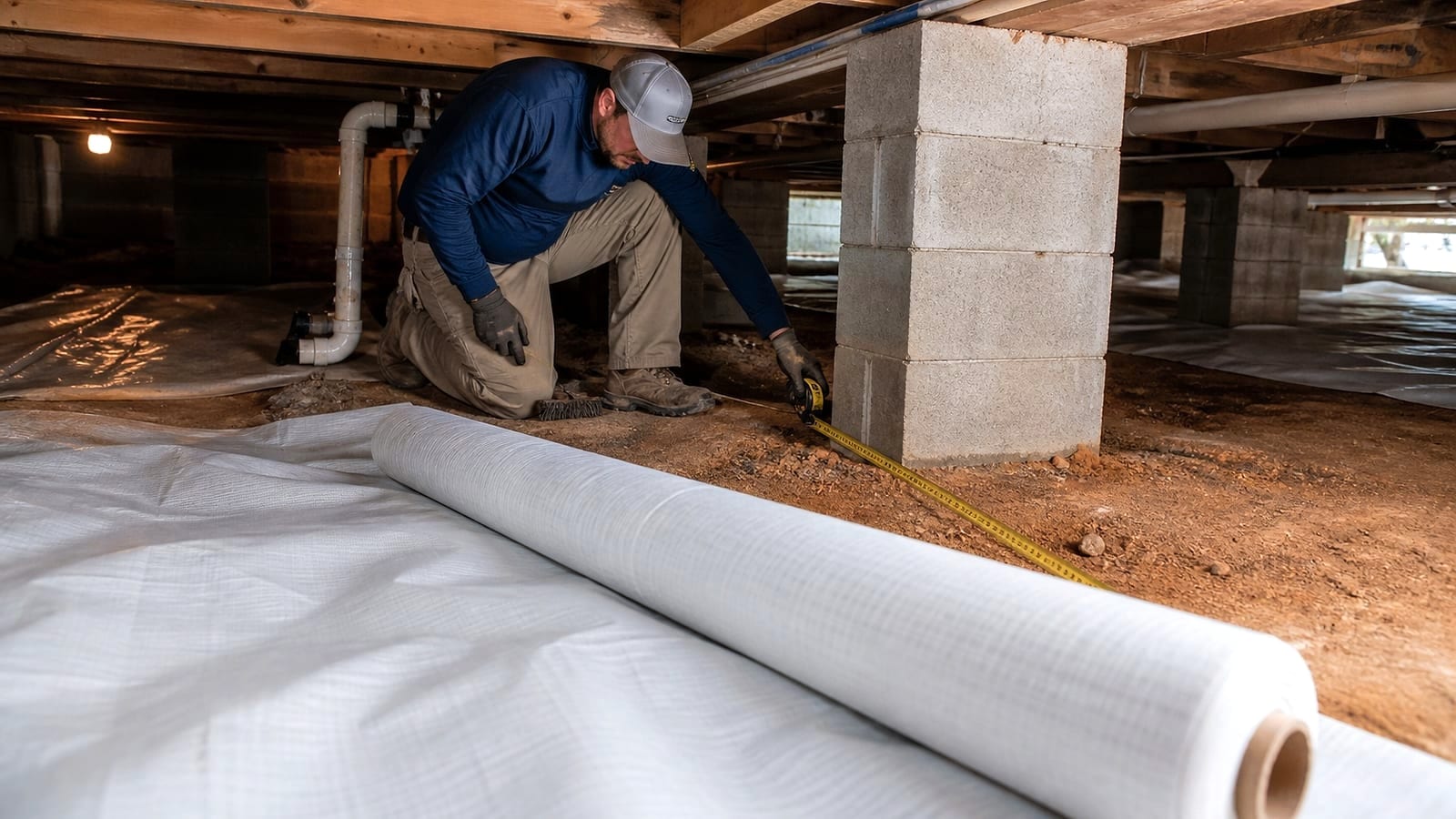
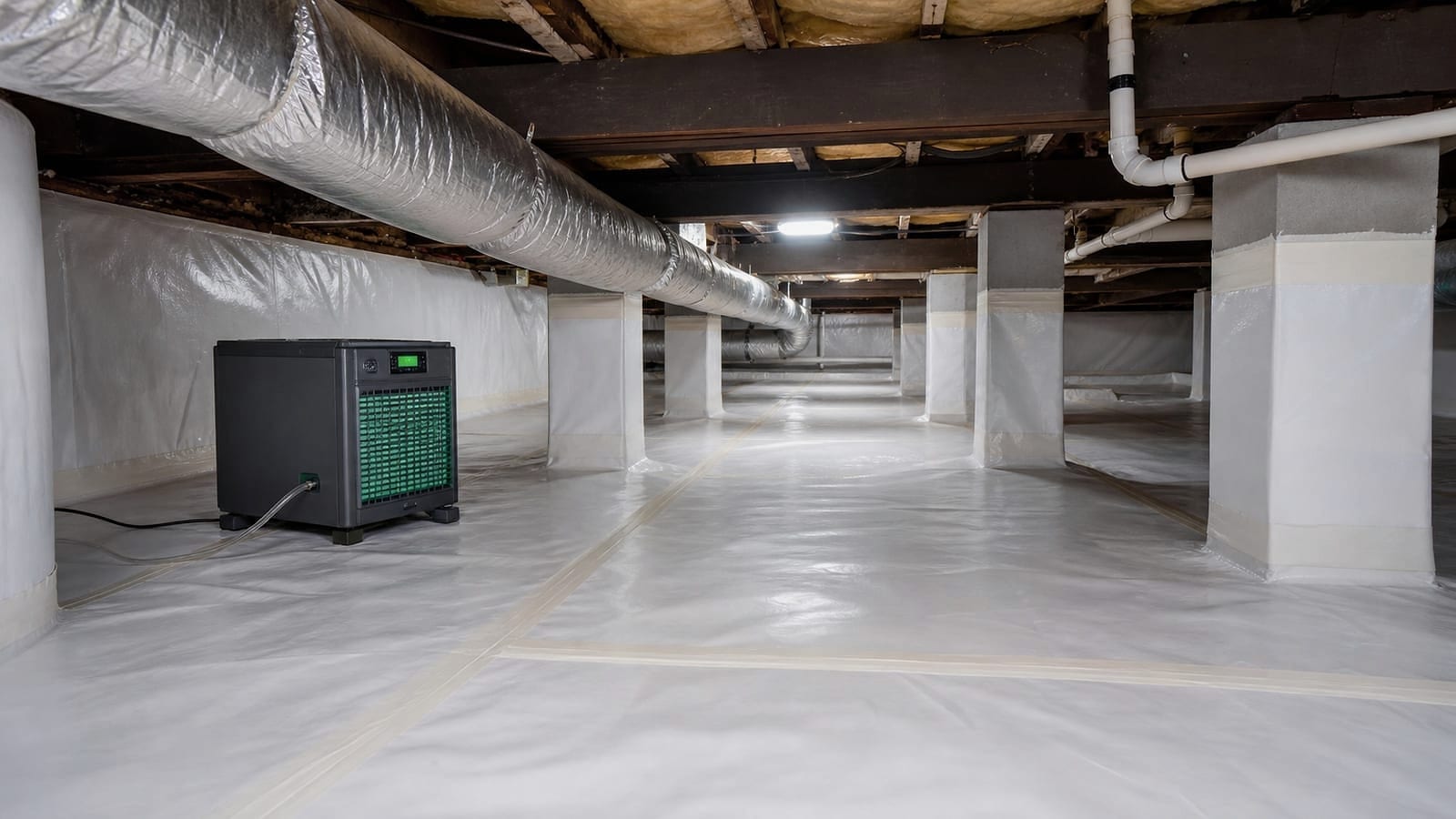
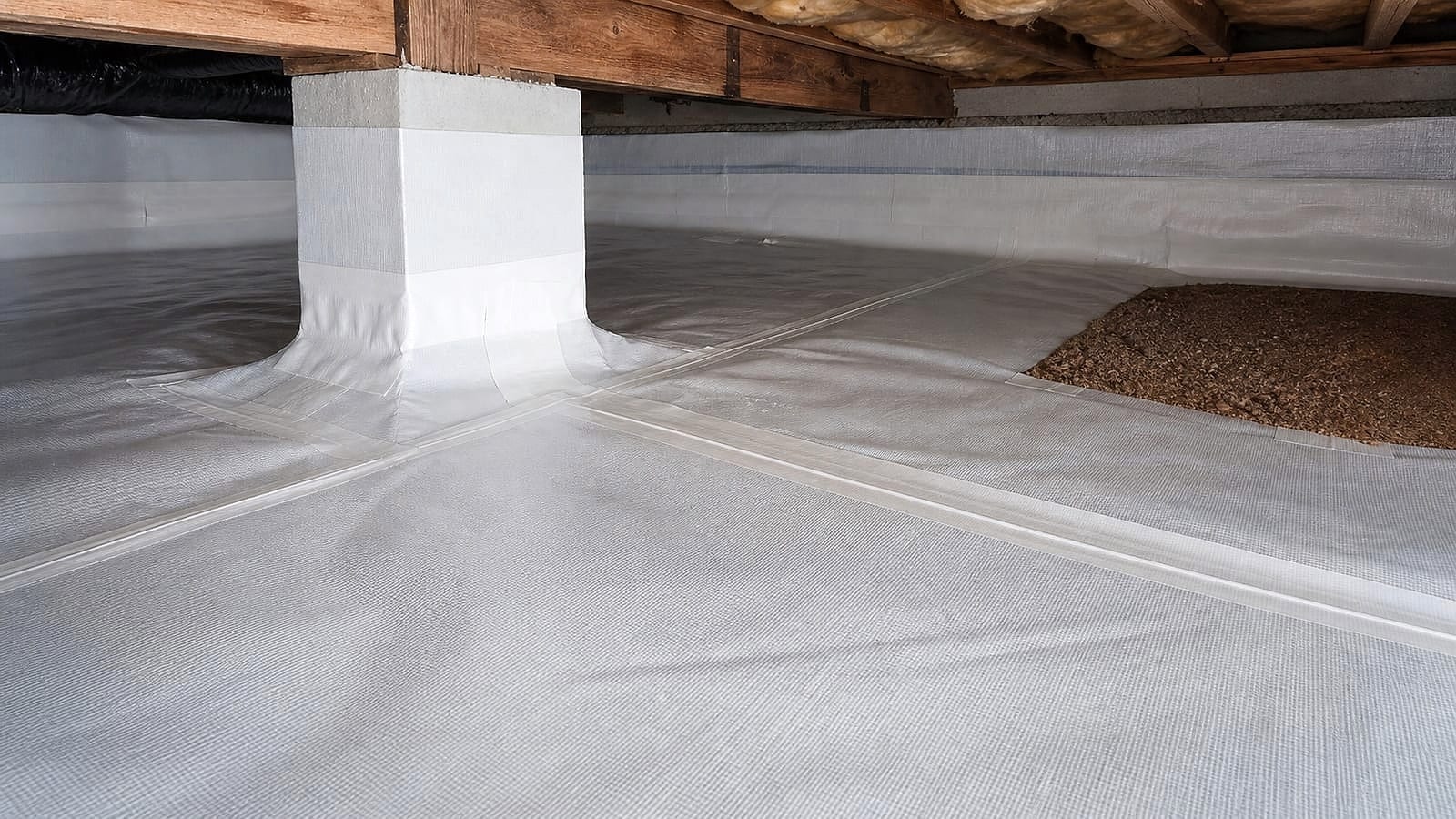
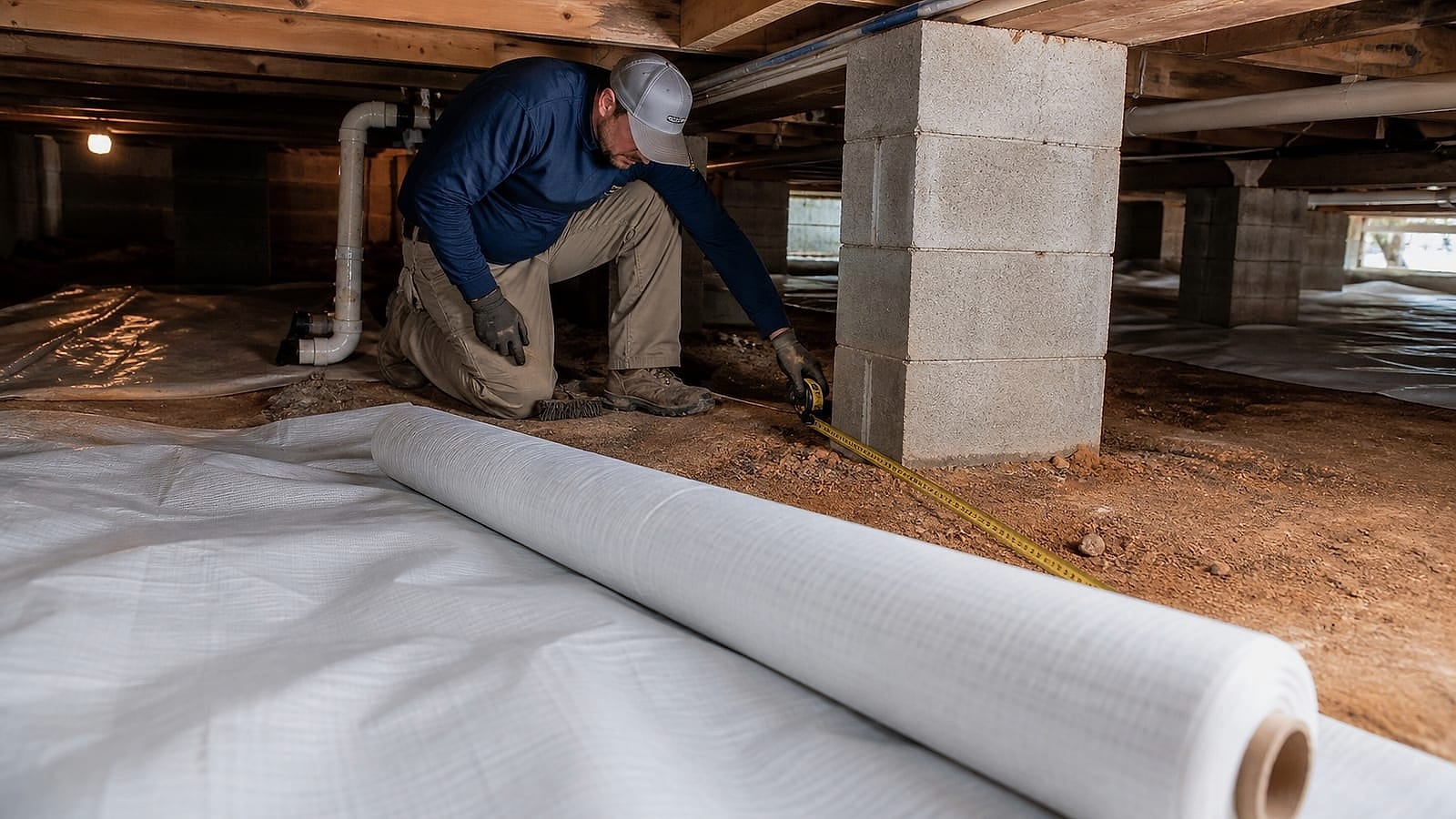
Crawl Space Encapsulation Estimate: Nine Scope Checks in Garner, NC
Crawl Space Encapsulation Estimate: Nine Scope Checks. Use a property-specific record to compare the visible condition, proposed work, responsibilities, limits, and final
Browse crawl space encapsulation crawl space guides for North Carolina homeowners. Compare practical inspection steps and next actions.
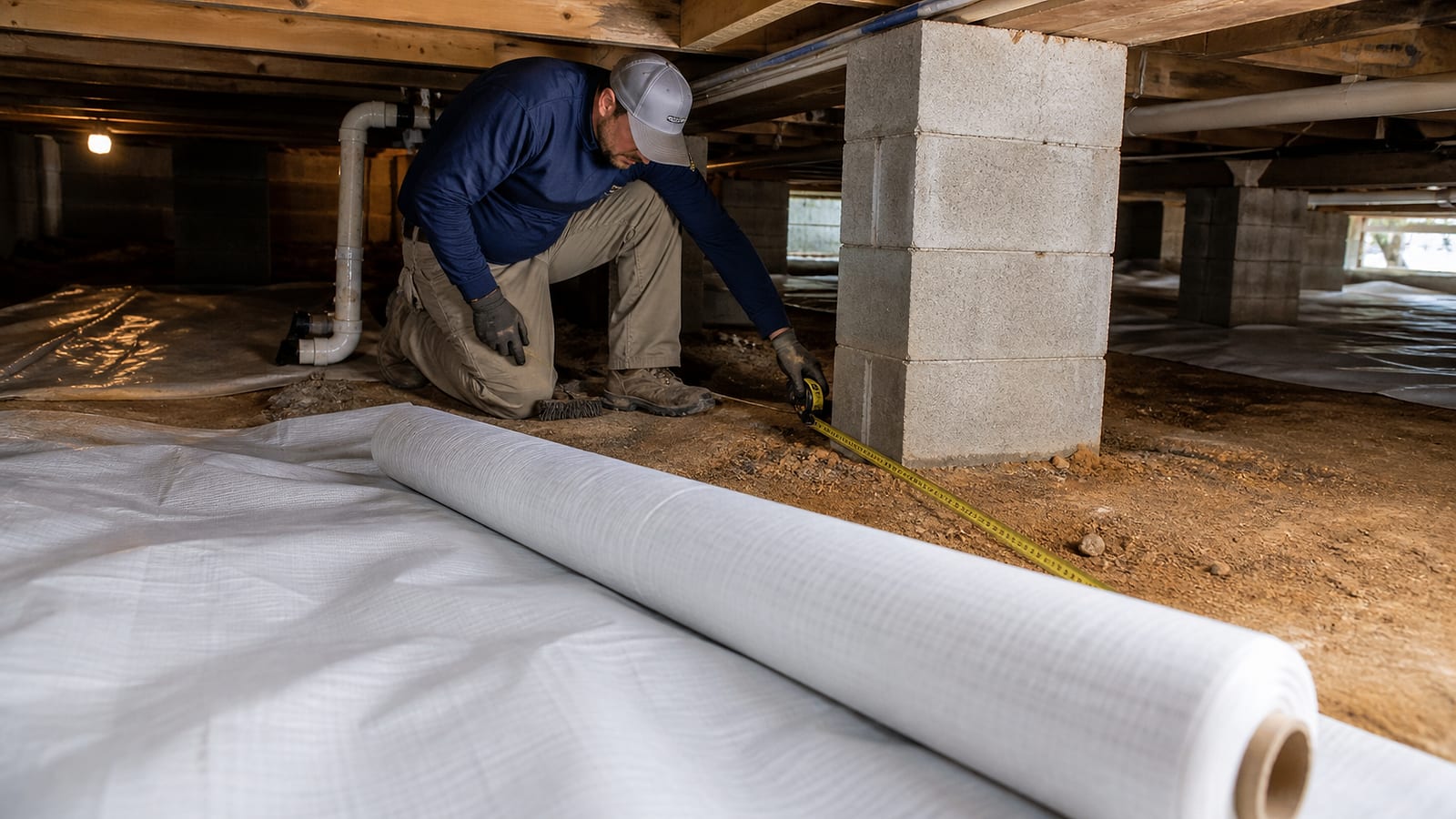
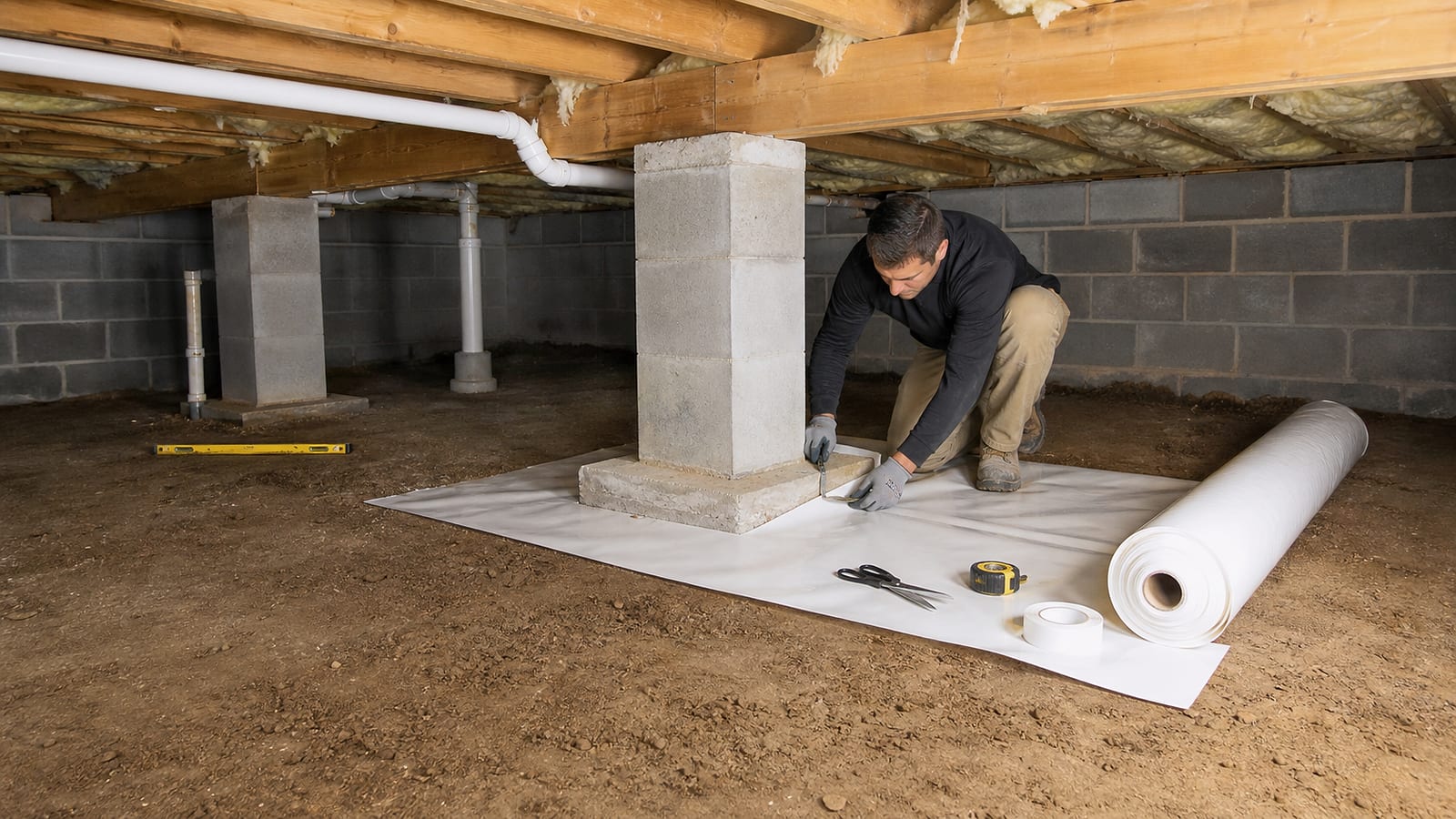
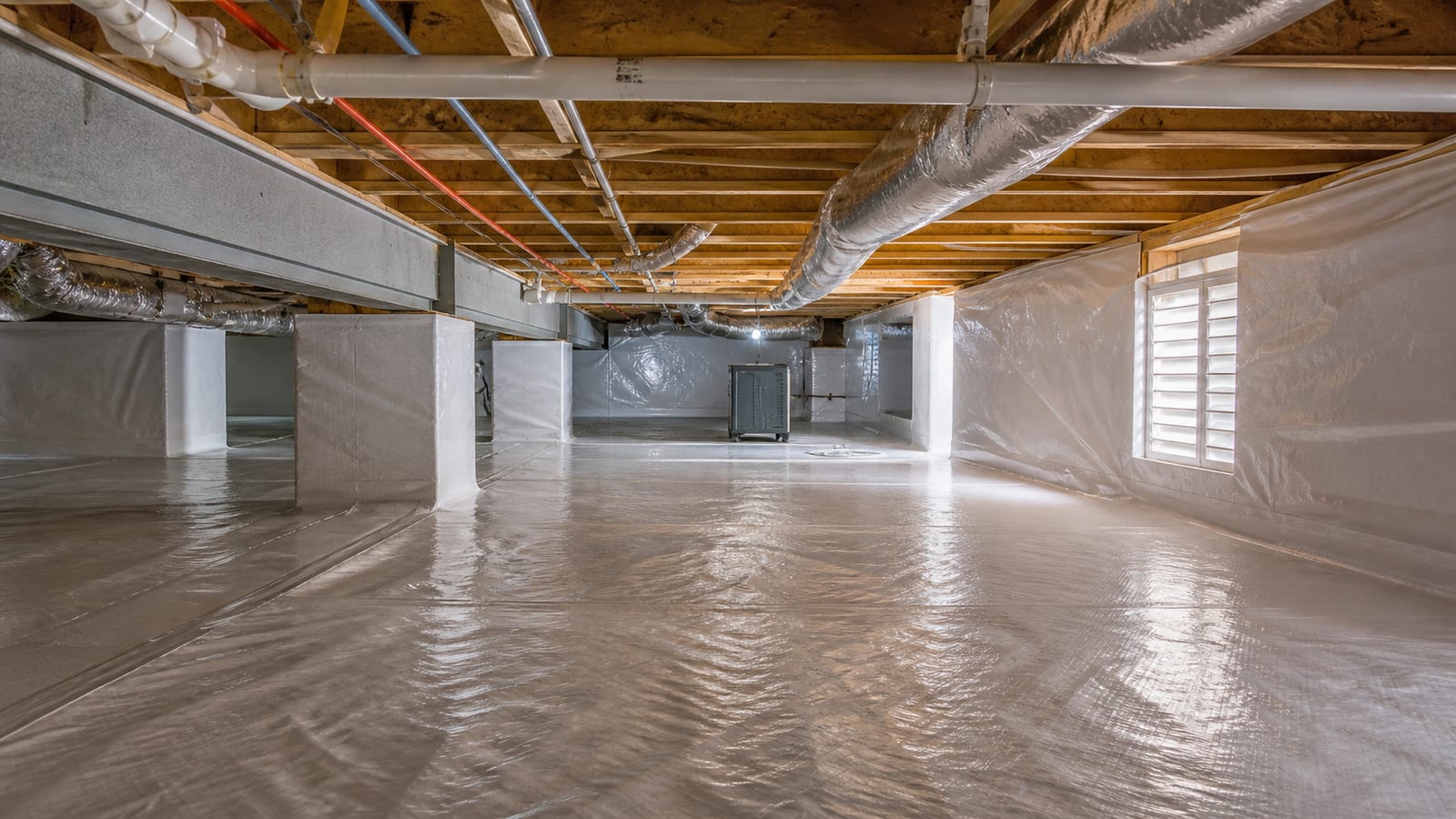
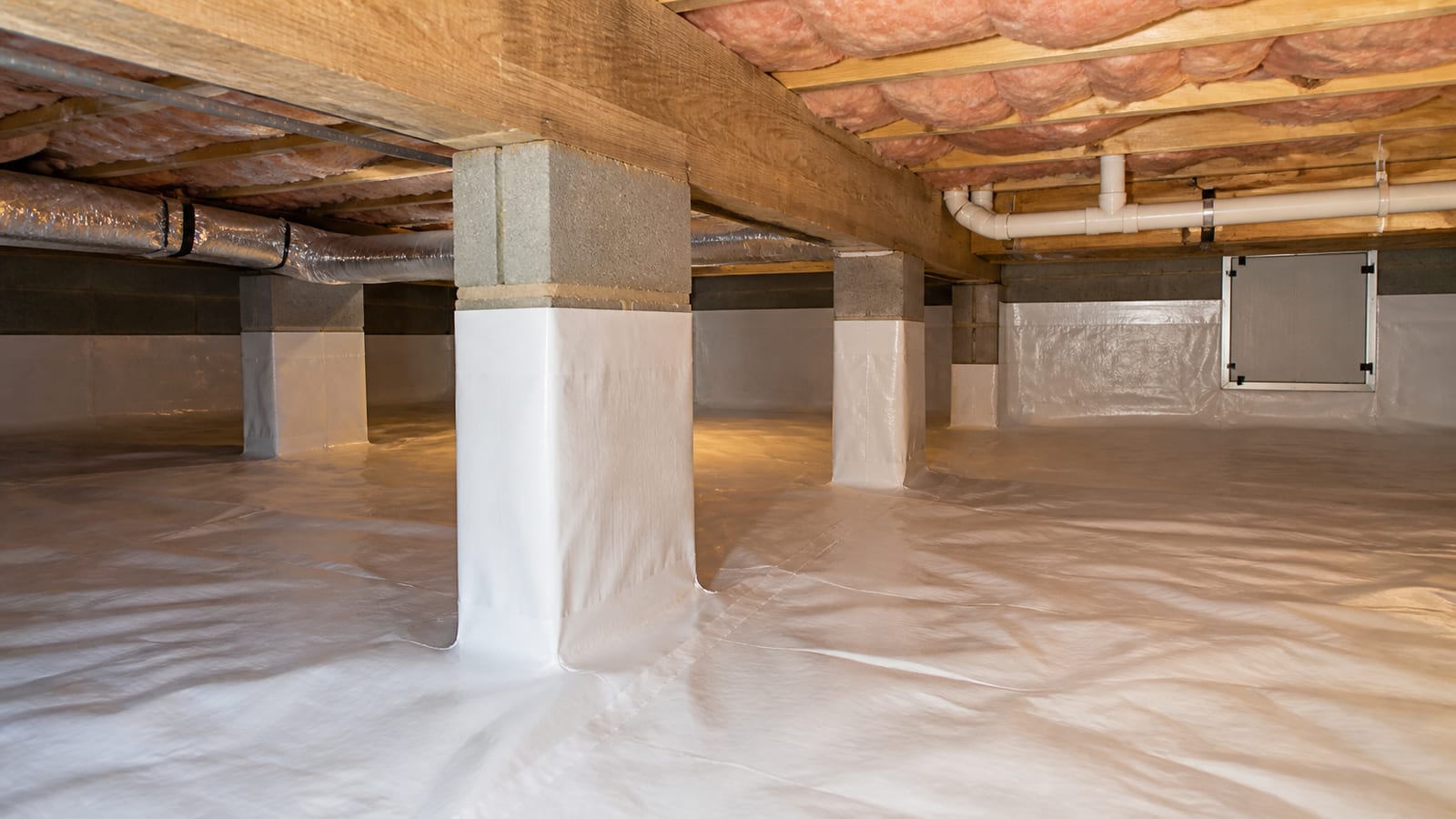
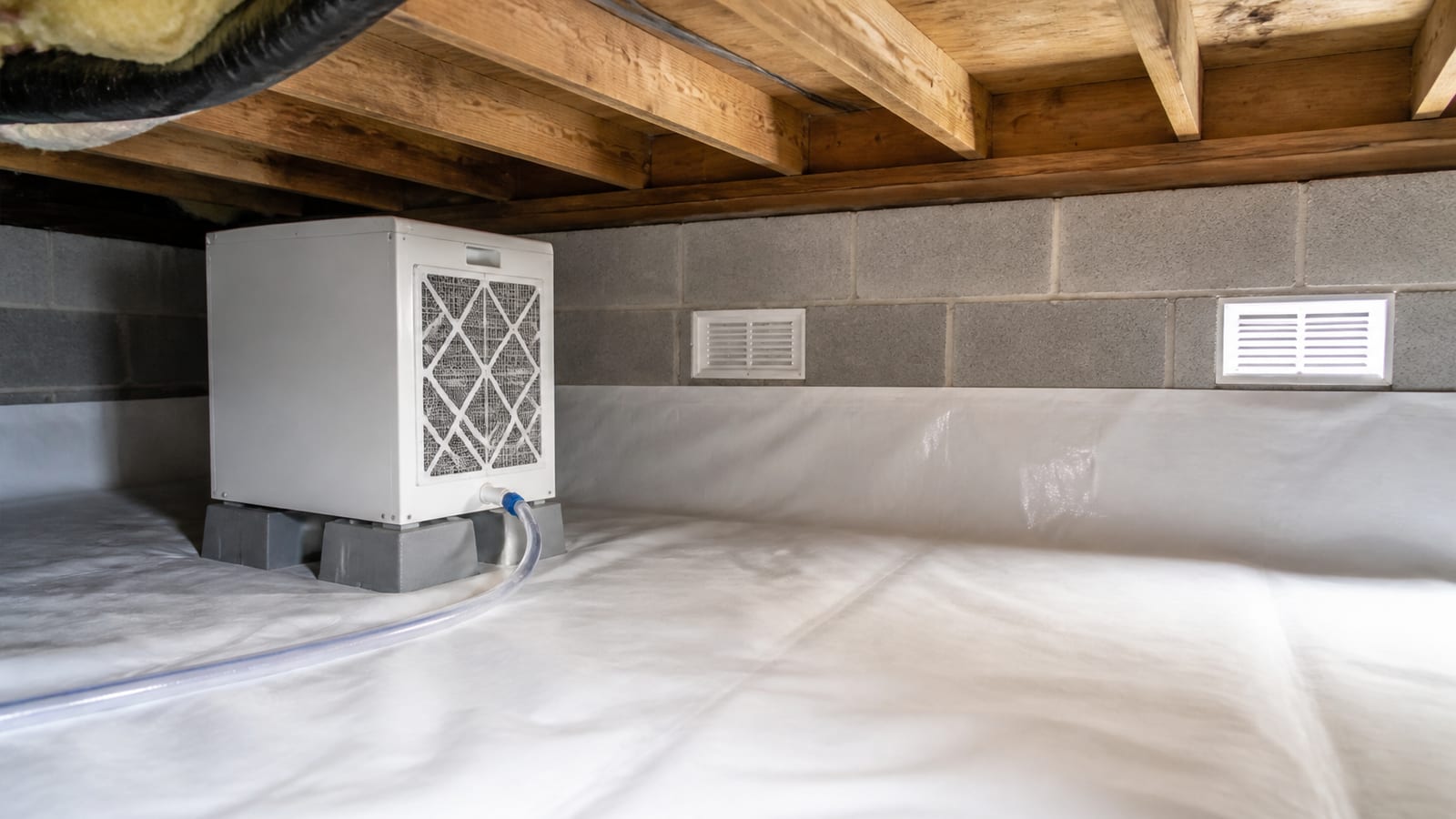
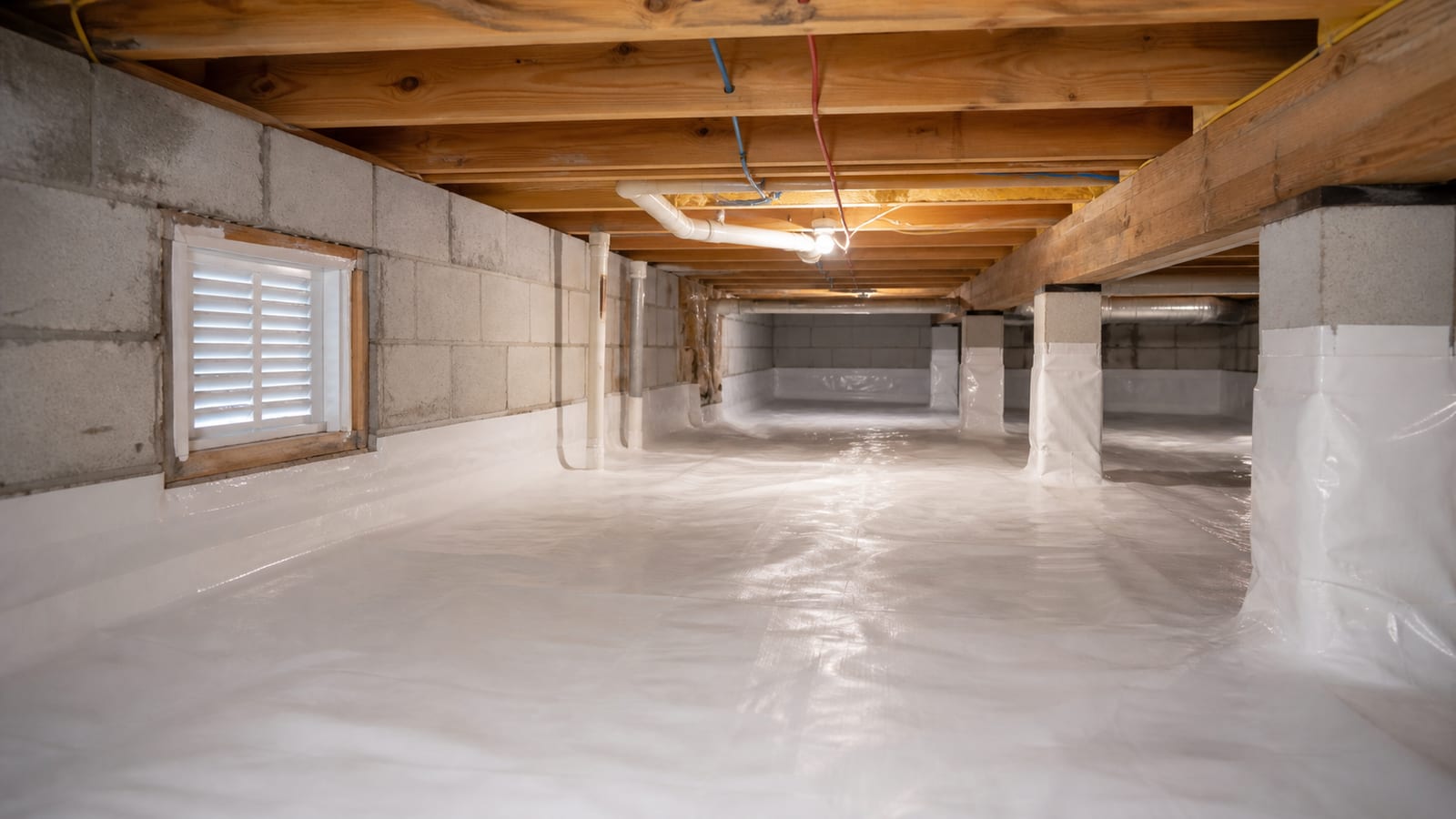
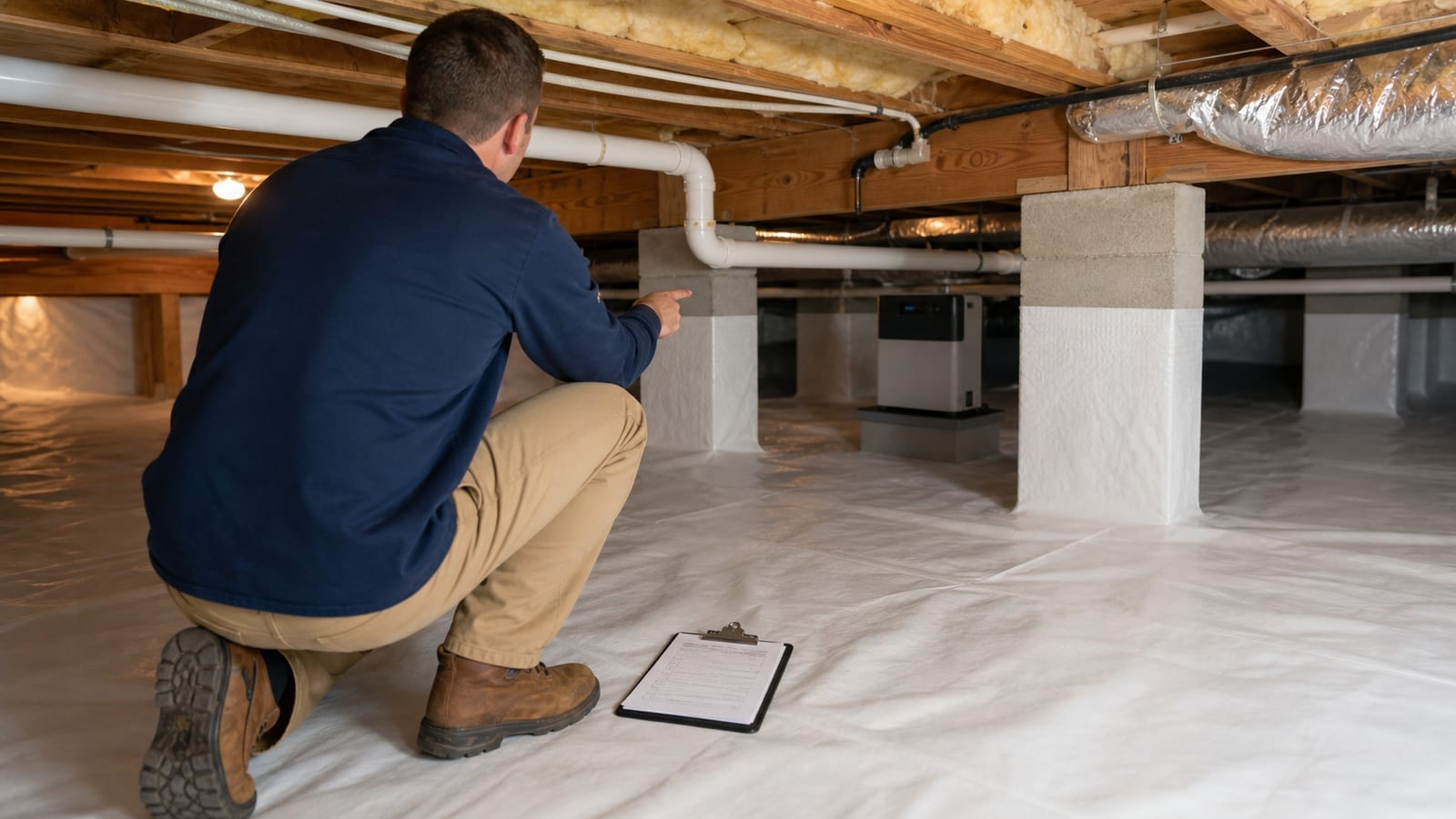
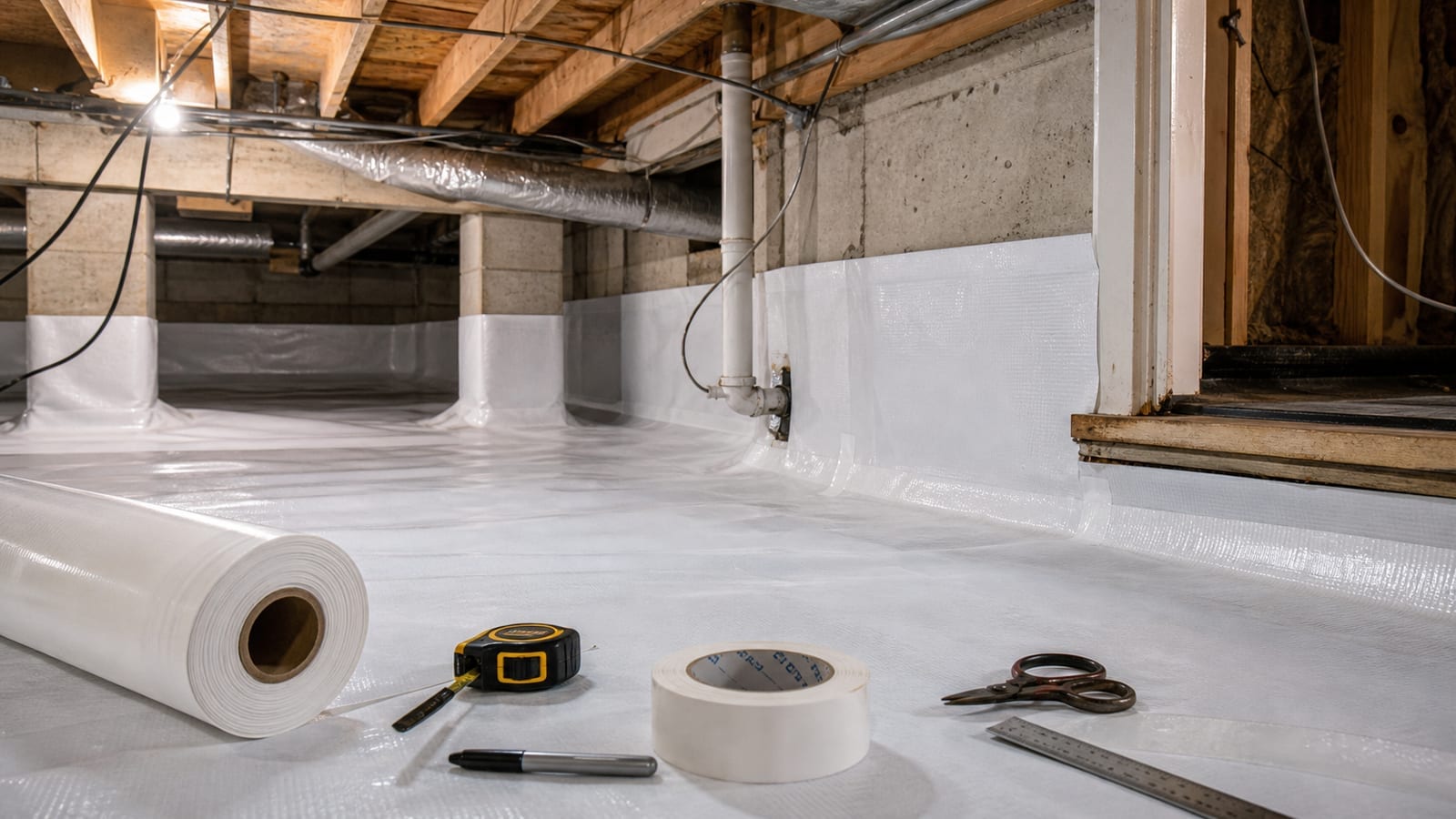
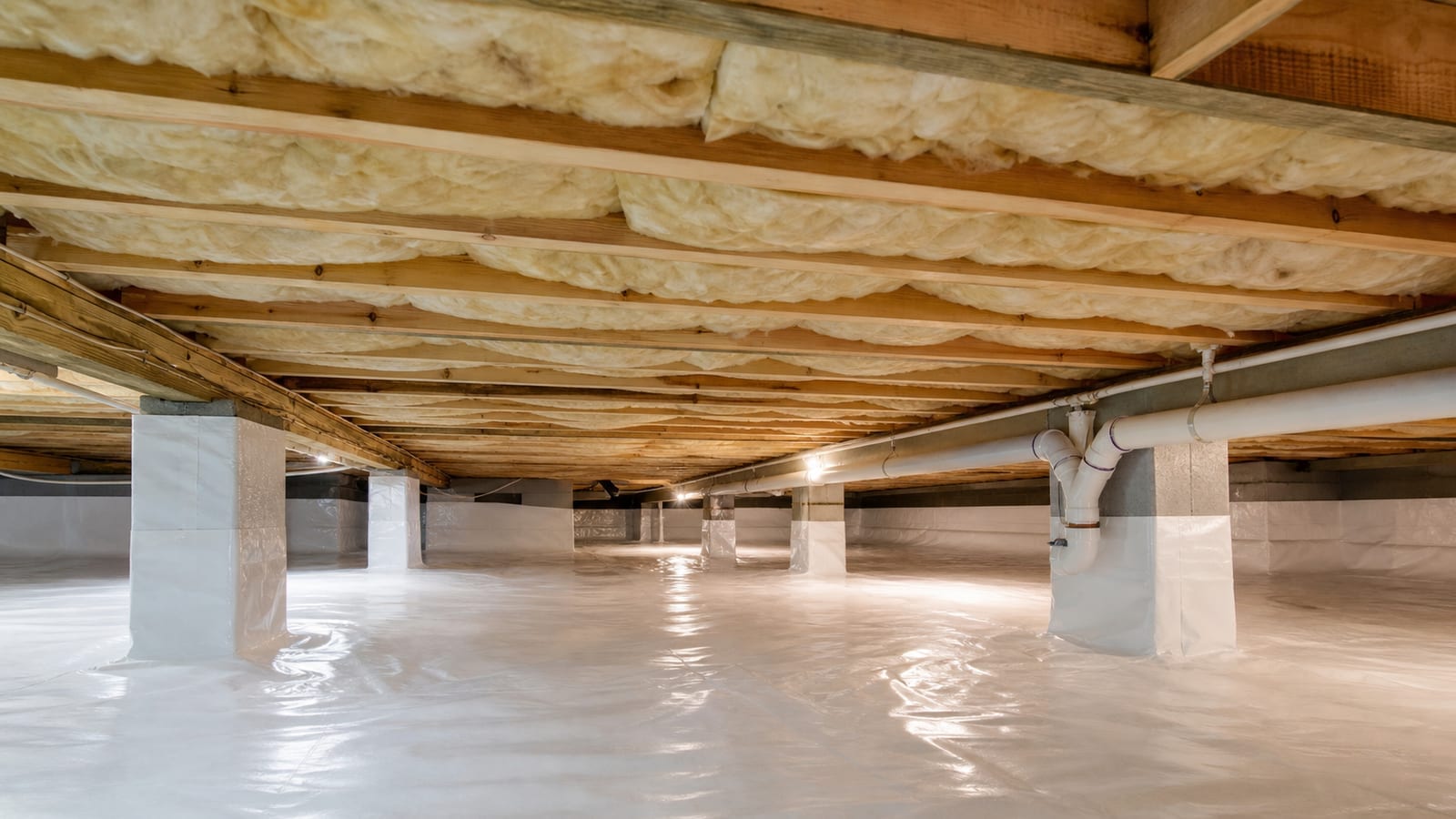
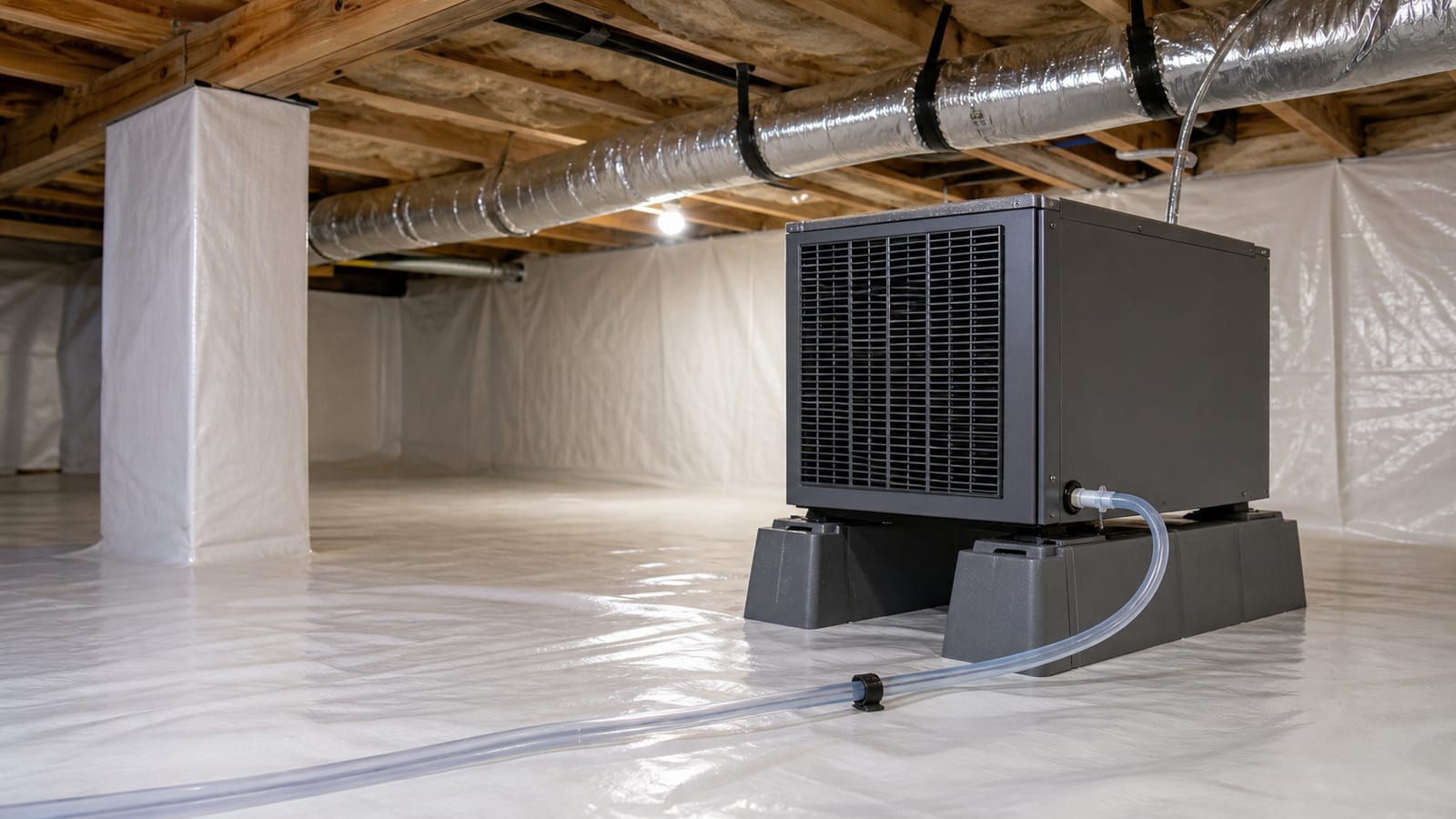
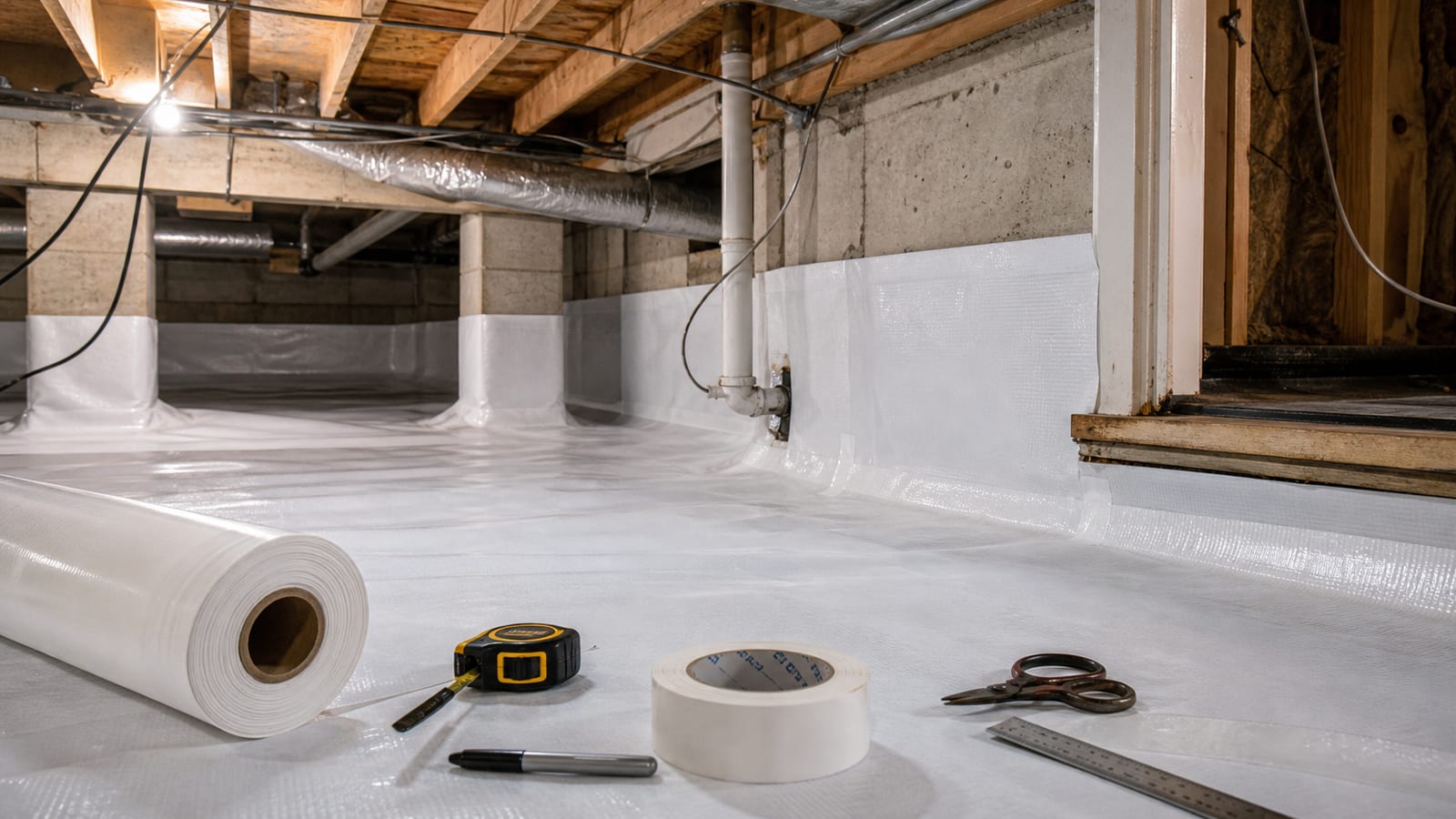
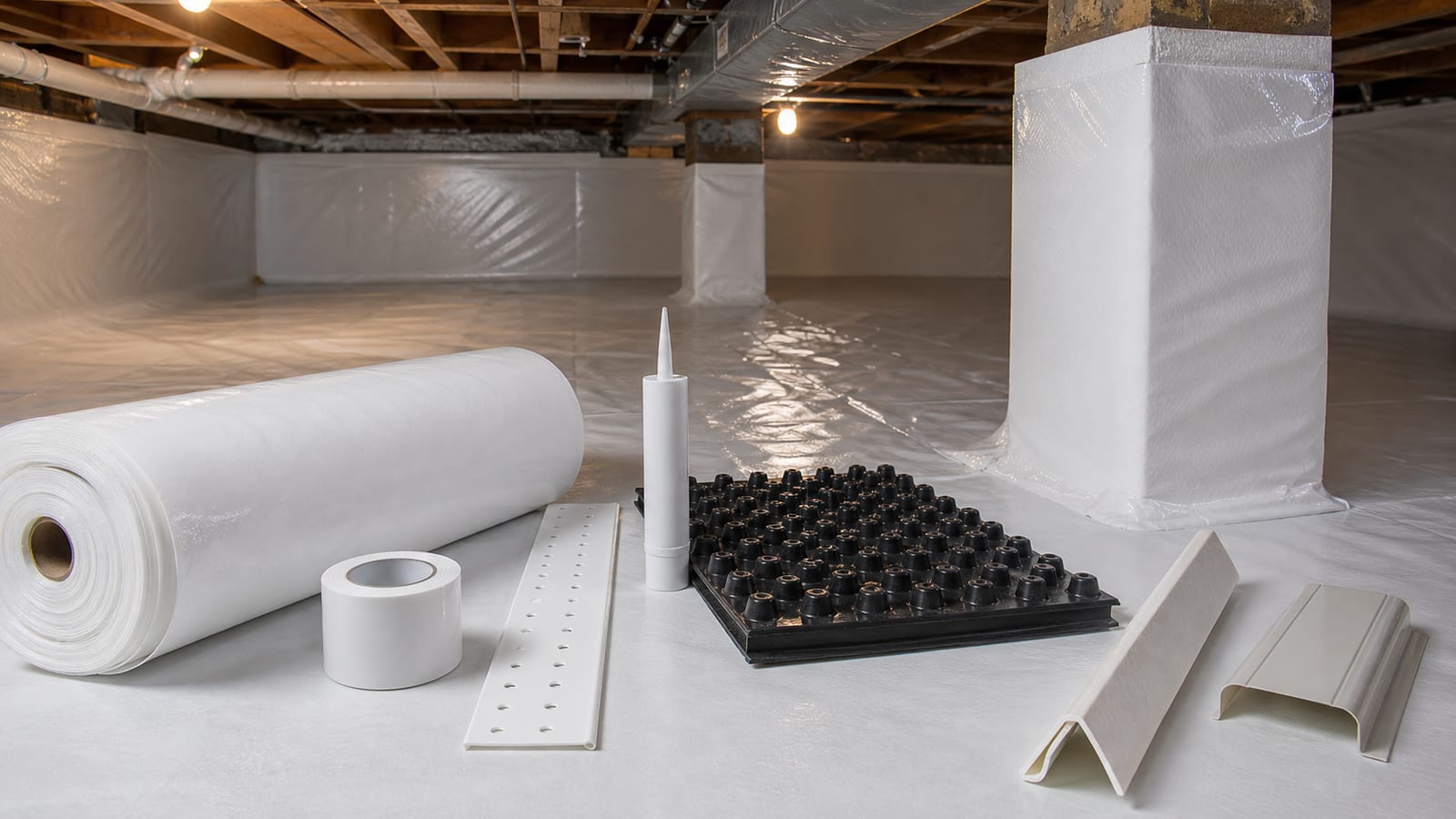
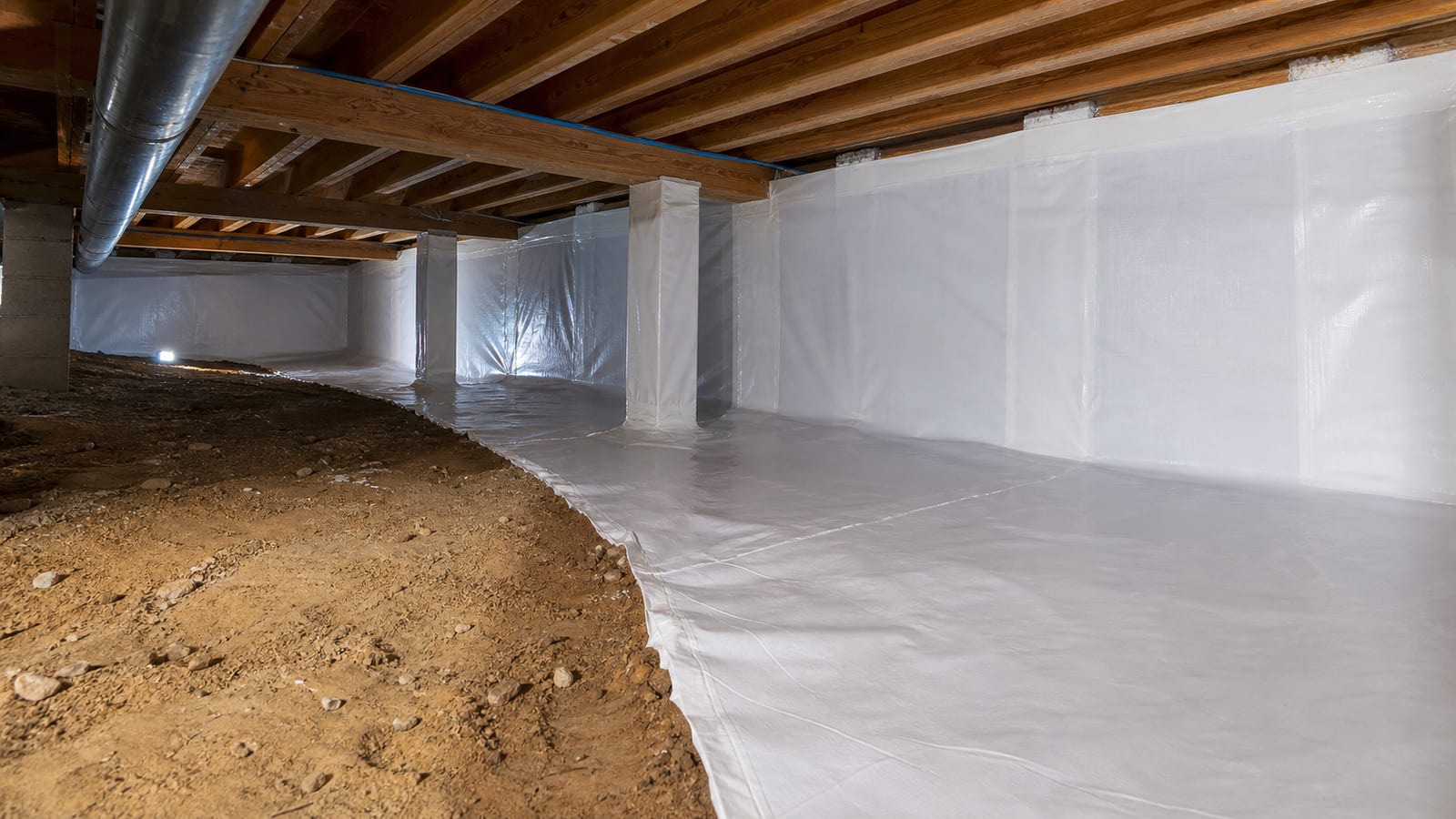
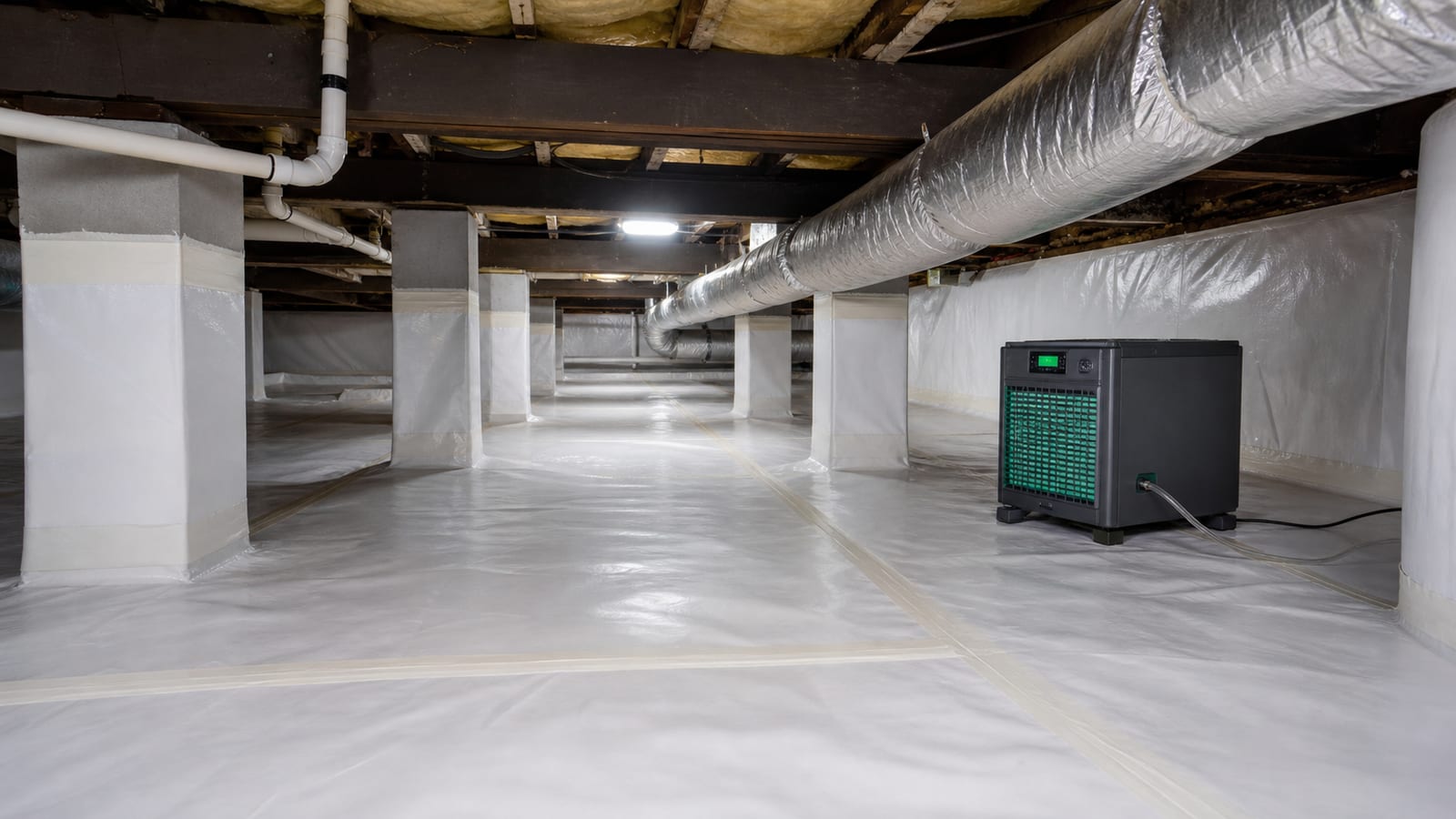
Crawl Space Encapsulation decisions become clearer when the visible component is connected to the full crawl space system. This category examines the ground liner, wall and pier transitions, taped seams, vent closures, access details, drainage, drying equipment, and monitoring. Each article answers one focused question while keeping the broader water, air, vapor, heat, material, and access conditions in view. The goal is to understand which function each component performs, which observation supports the proposed scope, what remains uncertain, and how the finished work can be inspected and maintained after the immediate concern is addressed.
Start with evidence rather than a product label. Useful records include water timing, ground condition, wall entry, open air paths, material moisture, liner continuity, drain routing, and humidity trends. The recommended sequence is to reduce exterior water, manage liquid entry, control ground vapor, define the air boundary, then address remaining humidity. Read the focused articles, then use the related service and problem links to place the observation within a complete inspection path.
Crawl Space Encapsulation Estimate: Nine Scope Checks. Use a property-specific record to compare the visible condition, proposed work, responsibilities, limits, and final
Crawl Space Liner Repair: When a Patch Can Work. Use a property-specific record to compare the visible condition, proposed work, responsibilities, limits, and final
Crawl Space Liner Replacement: What Comes Out First. Use a property-specific record to compare the visible condition, proposed work, responsibilities, limits, and final
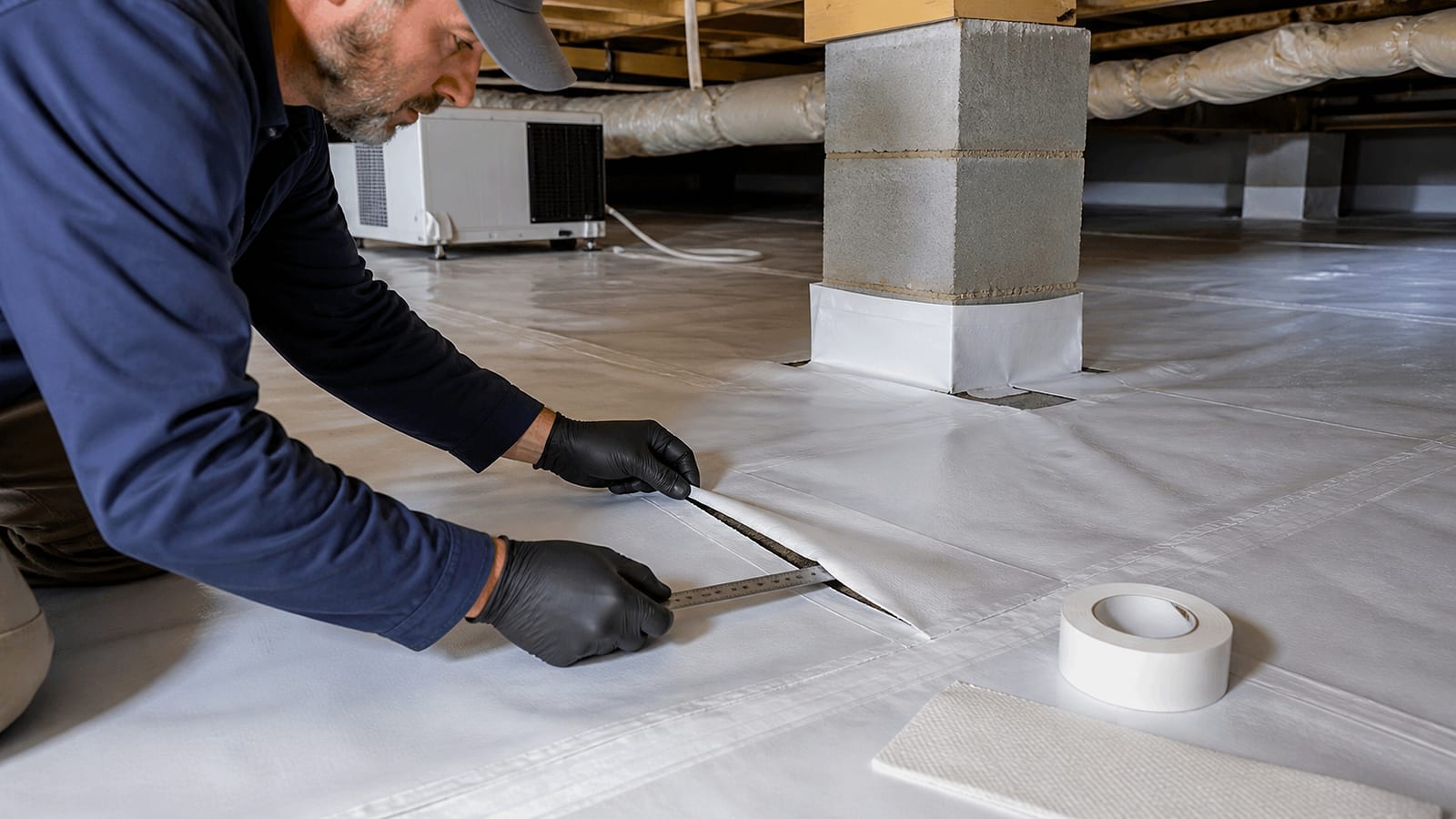
Crawl Space Vapor Barrier Seam Repair: What to Inspect. Use a property-specific record to compare the visible condition, proposed work, responsibilities, limits, and
Signs the Liner Has Failed Use a property-specific inspection to confirm the next step.
Seams, Tears, and Wall Attachments Use a property-specific inspection to confirm the next step.
What the Installation Scope Should List Use a property-specific inspection to confirm the next step.
Learn how to compare crawl space proposals, spot liner-only bids, check moisture controls, and choose a clear scope for your Fuquay-Varina home.
Learn who installs crawl space vapor barriers and how Raleigh owners can compare liner-only proposals with full moisture-control scopes.
Learn how to compare dehumidifier scopes, enclosure work, drainage, power needs, exclusions, and service plans before hiring a local installer.
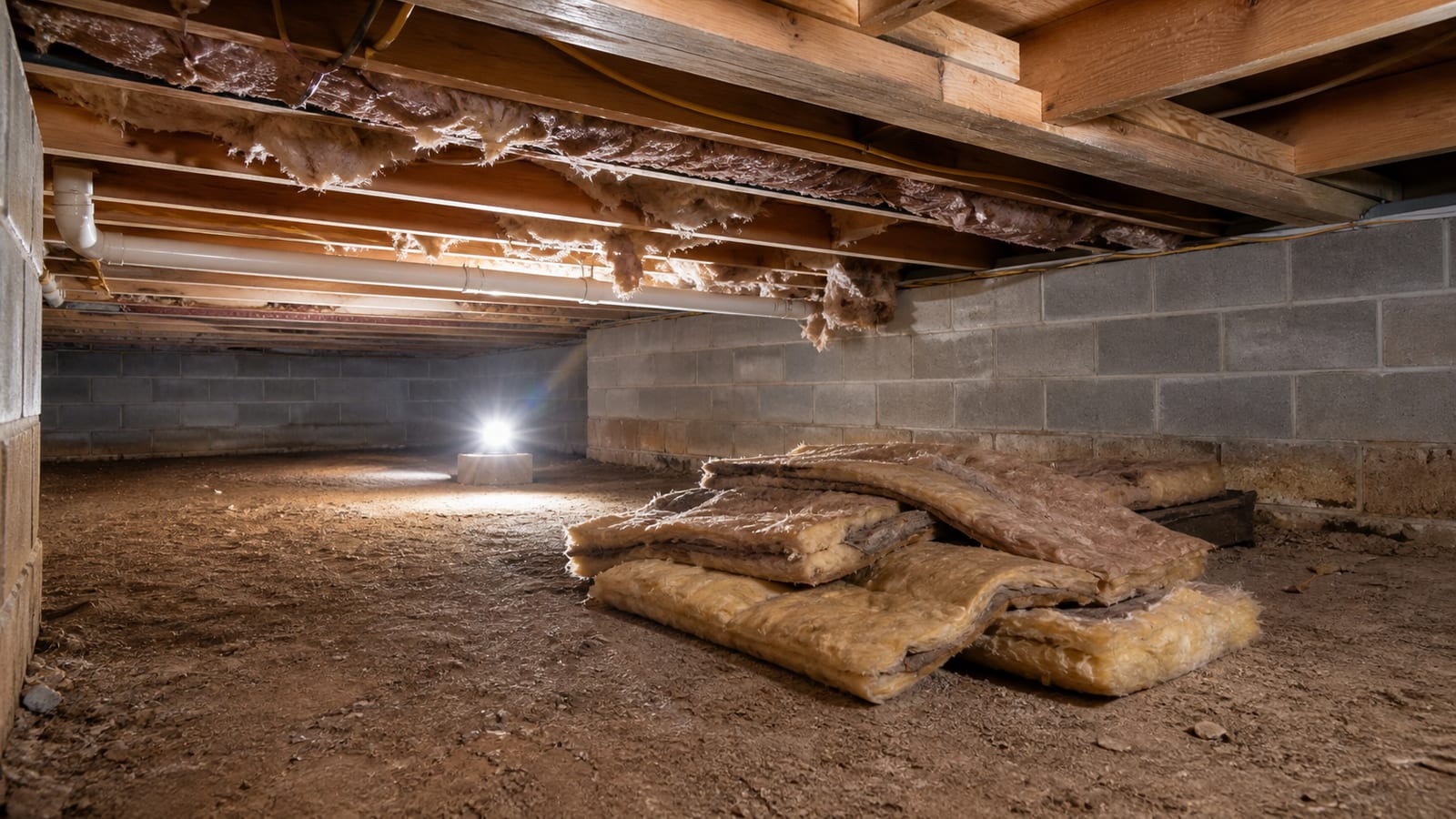
Old insulation can hide moisture, pests, and damaged wood. Learn what evidence should guide removal before encapsulating an Apex crawl space.
Learn how to compare vent replacement and sealing scopes, spot liner-only proposals, and choose the right crawl space contractor in Holly Springs.
Compare Raleigh encapsulation proposals by scope, site evidence, exclusions, work order, access needs, and the full moisture-control plan.
Learn how to compare Cary crawl space proposals by checking moisture evidence, liner details, drainage, air sealing, access, and service duties.
Learn how liner area, moisture, access, drainage, air sealing, and project limits shape a written vapor barrier quote.
See what evidence supports a dehumidifier, why a liner alone may fall short, and what a complete Cary crawl space scope should state.
This focused guide explains crawl space encapsulation diy, the conditions that change the answer, and the observations worth documenting before work is selected.
This focused guide explains crawl space encapsulation materials, the conditions that change the answer, and the observations worth documenting before work is selected.
This focused guide explains what is crawl space encapsulation, the conditions that change the answer, and the observations worth documenting before work is selected.
Use this crawl space guide to connect crawl space encapsulation system with the components, evidence, limitations, and inspection sequence that shape a complete scope.
Start with what can be verified: the location, timing, weather, equipment status, visible material, odor, sound, reading, or change from an earlier condition. Include a photo when it can be taken safely. A clear observation helps an inspector test possible sources without assuming that a familiar symptom has the same cause in every home.
Use the articles in this category to improve that record and prepare questions. Then follow the contextual links to the broader problem, service, guide, cost-factor, or comparison page that owns the primary topic. That structure keeps the article focused on the situation instead of repeating a sales page.
Build a location-based record before selecting work. Record water timing, ground condition, wall entry, open air paths, material moisture, liner continuity, drain routing, and humidity trends. Use the same names for components and the same photo positions when conditions change. A repeatable record helps separate a recurring pathway from a new leak, maintenance issue, or material change.
Keep the system sequence visible: reduce exterior water, manage liquid entry, control ground vapor, define the air boundary, then address remaining humidity. Skipping ahead can cover evidence or ask one component to perform a job it was not designed to do. The related service page explains the broader work, while these articles stay focused on the individual research question.
Do not enter standing water near electrical equipment, a space with suspected structural instability, sewage, animals, exposed hazards, or another condition that makes access unsafe. Do not disturb suspected mold, insect evidence, wiring, plumbing, combustion equipment, or structural supports to complete a checklist.
General articles cannot determine code compliance, engineering adequacy, pest status, medical risk, insurance coverage, legal duties, or the correct repair scope for a specific property. Use the qualified code official, engineer, pest professional, inspector, licensed trade, attorney, or other specialist whose scope matches the question.
A liner can limit ground vapor, but it cannot repair plumbing, drain standing water, restore framing, or make incomplete air-control details disappear. State what can be seen, what remains hidden, what has not been tested, and which decision belongs to another professional scope. That boundary makes the written recommendation easier to review and less likely to overstate the evidence.
Finish with verification and maintenance. Photograph the completed details, preserve manuals and scope documents, identify drains or equipment that require service, and note what should be checked after heavy rain or a seasonal weather change. The record should explain both what changed and what still needs observation.

First, define the question in property-specific terms. Name the room or exterior wall above the area, the crawl space member or component below it, the date, recent weather, equipment status, and the change that prompted concern. This keeps crawl space encapsulation research tied to an observable location.
Second, follow the sequence appropriate to this category: reduce exterior water, manage liquid entry, control ground vapor, define the air boundary, then address remaining humidity. At each step, record the evidence that supports moving forward and any access or testing limitation. Do not treat the absence of one visible symptom as proof that the rest of the crawl space has the same condition.
Third, compare the finished scope with the original observation. Confirm that access remains available, important transitions can still be inspected, and maintenance responsibilities are documented. A liner can limit ground vapor, but it cannot repair plumbing, drain standing water, restore framing, or make incomplete air-control details disappear. A free inspection can connect the general guidance to the actual components and conditions beneath the home.
Bring the record forward instead of starting over at every visit. Save the original observation, the photos, the dates, any measurements, the written scope, and what changed afterward. When the condition returns, compare it with the earlier event using the same locations and terms. That continuity helps distinguish a recurring source from a new issue and helps each professional understand what the previous person actually observed. The goal of this category is not to turn a homeowner into the inspector or designer. It is to make the handoff from observation to qualified review clearer, safer, and easier to verify.
A free inspection connects general guidance to the conditions beneath your home.