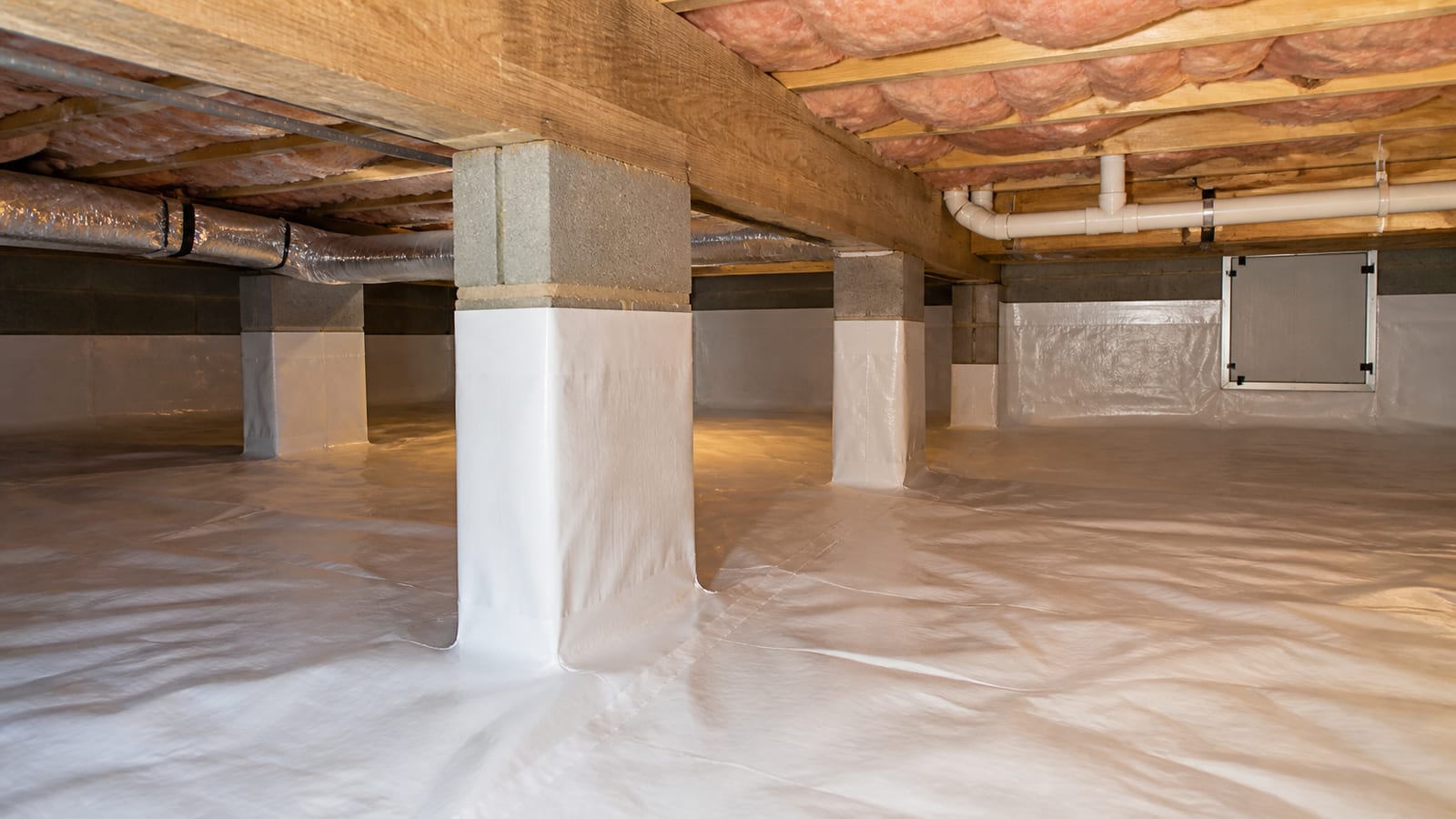
Your crawl space encapsulation cost should reflect the work your home needs. In Raleigh, NC, warm, humid weather can keep crawl spaces damp.
Floor area matters, but it cannot define a sound scope. Water entry, open vents, wall gaps, and tight access can change labor needs.
A low proposal may cover only exposed soil. A complete enclosure may cover walls, piers, seams, vents, and the door. Drainage, insulation removal, drying, or humidity control may also belong in the plan.
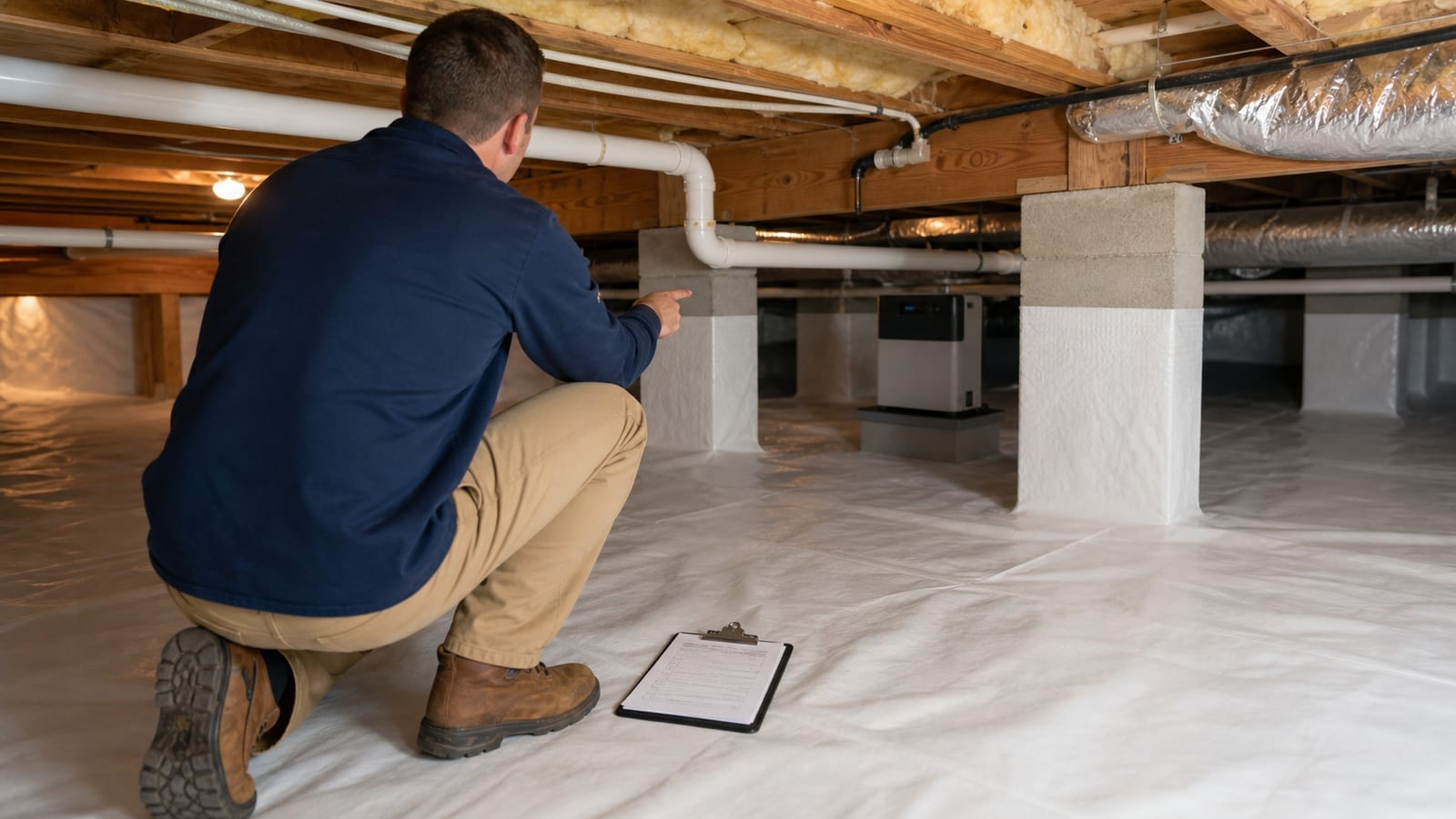
Ask each inspector to show why every item is needed. Photos, measurements, moisture readings, and drainage notes can support the proposed work. The proposal should also name exclusions and outside trade duties.
Compare the same work across every proposal. Check the work order, final tests, service access, and upkeep needs. These details show value better than a total alone.
Which crawl space encapsulation cost factors affect a 2,000-square-foot Raleigh home?
Floor area sets the amount of liner and seam work. It does not set the whole scope. Water entry, wall height, piers, debris, access, insulation, and air leaks affect the plan. A measured written proposal should connect each cost factor with clear site evidence.
Start with a measured sketch of the crawl space. It should show floors, walls, piers, vents, doors, and work zones. Photos should support unusual access or repair needs.
Check these scope details before comparing proposals:
- Total floor and wall coverage
- Number and size of piers
- Seam, edge, and corner work
- Debris and old liner removal
- Drainage paths and standing water
- Door size and equipment access
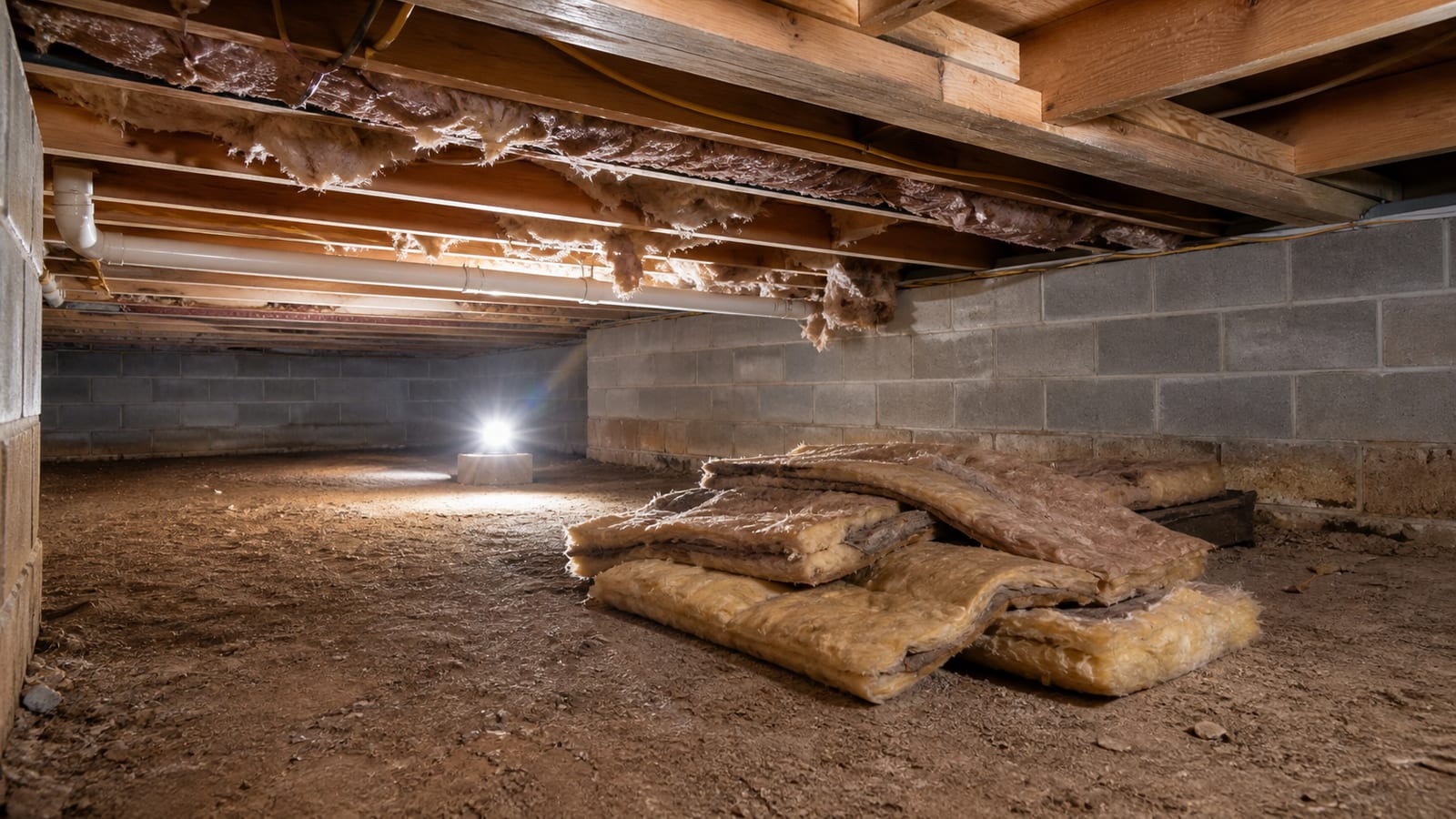
- Insulation condition and removal needs
- Power and drain needs for equipment
Crawl depth can slow material handling and seam work. Pipes, ducts, and low beams can also block access. Ask whether measurements include waste at corners and piers.
Ask how the crew will move supplies through the entry. Tight turns may require smaller loads and more setup time.
An inspector can record cracks, stains, or sagging areas. Those notes are not structural designs or engineering decisions. Any needed design should come from a qualified outside professional. The proposal should state who arranges that work.
Compare the result with the full crawl space encapsulation service. This helps separate a complete enclosure from a soil liner. It also shows which tasks need separate approval.
Is crawl space encapsulation worth the cost for a Raleigh property?
Encapsulation may be worth the cost when the scope fixes documented moisture paths. The plan should address ground vapor, outside water, air leaks, and indoor humidity. Value falls when a proposal covers symptoms but leaves active leaks, poor drainage, or open gaps untouched.
Value starts with the cause of the moisture. A liner can limit vapor rising from exposed soil. It cannot repair a plumbing leak or stop water entering through a wall.
The U.S. Department of Energy crawl space overview describes key parts of an unvented crawl space. Those parts include ground cover, sealed walls, and managed air. Your home still needs its own site check.
Ask the proposal to divide work into clear parts:
- Stop bulk water and active leaks.
- Remove debris that blocks sound work.
- Install and seal the planned liner.
- Close vents, doors, and wall gaps.
- Set the humidity plan and drainage.
- Record final conditions and access points.
A vapor barrier installation may fit a limited soil-vapor need. Full encapsulation has a broader goal and scope. The written plan should explain that difference.
Check whether the plan keeps key pipes and equipment within reach. Good access can prevent damage during later service work.
Use photos and readings to test each proposed item. Optional work should appear apart from required work. That split makes proposal totals easier to compare.
Does insurance cover crawl space encapsulation after moisture damage?
Do not assume an insurance policy covers encapsulation. Coverage can depend on the event, policy terms, exclusions, and claim review. Confirm details with the insurer before work starts. Ask what records, photos, estimates, or approvals the insurer needs from you.
First, separate the damage event from the planned enclosure. A policy may treat a sudden leak differently from long-term dampness. Only the insurer can confirm how the policy applies.
Before approving work, collect useful records:
- Dated photos of water and damaged materials
- Notes showing the suspected water source
- Moisture readings from key crawl space areas
- A measured proposal with clear line items
- Separate totals for repair and enclosure work
- Written exclusions and outside trade duties
Ask whether damaged plumbing must be repaired first. Also ask whether removed materials need inspection or storage. Do not discard requested evidence before receiving claim instructions.
The contractor’s proposal should not promise claim approval. It should describe visible conditions and planned work. Policy decisions remain with the insurer and property owner.
Keep claim choices apart from moisture-control choices. Delayed approval can leave active water in place. Ask the insurer how to protect the property during review. Record any temporary work and who approved it.
If timing changes, ask for updated dates and scope notes. Keep all insurer messages with the proposal, photos, and site records.
How long does a crawl space encapsulation last with proper upkeep?
Encapsulation life depends on materials, seam work, water control, access, and upkeep. No single lifespan fits every crawl space. Sharp objects, pests, trade work, floods, and missed leaks can cause damage. Routine checks help find loose seams or torn liner before problems spread.
A sound installation needs protection after the crew leaves. Plumbers, electricians, and other trades may enter the crawl space. Their tools can tear liner or disturb sealed edges.
Plan checks around known risks. Review the crawl space after storms, leaks, or service visits. Look for water, loose tape, stains, tears, and blocked drains.
Keep these access details in the written scope:
- A clear path to plumbing shutoffs
- Safe reach to filters and service panels
- Visible drain outlets and pump parts
- Removable covers near needed work areas
- Space around humidity-control equipment
- Repair steps for future liner cuts
Wall and pier seals also need review. Movement can open small gaps around pipes or corners. New pest work may change sealed areas too.
Ask who records final humidity and moisture readings. Keep those readings with photos and the proposal. Later checks can then use the same points.
The NC State Extension mold and moisture checklist offers practical moisture checks. It can help owners spot new water sources. Prompt repairs protect the enclosure and nearby materials.
What are the downsides of crawl space encapsulation with an incomplete scope?
Most downsides come from poor planning or missing work. A liner may hide wet soil without stopping outside water. Sealed vents may change airflow without a humidity plan. Tight coverage can also block access. A complete proposal should address these risks before installation.
A bright new liner can make a crawl space look finished. Appearance does not prove that water sources were fixed. Ask for photos and readings from before the liner is placed.
Poor sequencing can trap dirt or damp materials below the enclosure. Active leaks can also keep adding water. Water control should come before final sealing and drying.
Watch for these proposal gaps:
- No plan for wall or drain water
- No repair of active plumbing leaks
- Unclear wall and pier coverage
- Sealed vents with no humidity checks
- Equipment with no drain route
- Blocked access to pipes or ducts
- Old insulation left without a reason
- No final inspection or repair plan
A vent sealing and air sealing scope should name each opening. It should also state how the door will seal. Closing vents alone does not control ground vapor or leaks.
Fuel-burning equipment may need review before airflow changes. That review belongs with the right outside trade. The proposal should assign that duty clearly.
Ask how future repairs will cross the liner. A planned service path can reduce later damage. It also helps property managers inspect key areas.
Can I write off crawl space encapsulation on a rental property?
Tax treatment depends on property use, work purpose, and current tax rules. Do not assume the work qualifies for a write-off. Ask a tax professional before filing. Keep the signed proposal, paid invoices, photos, and repair records so that professional can review the facts.
Owners may use crawl space work for different reasons. One project may repair damage from a leak. Another may improve a rental property through a new enclosure.
Those facts can affect tax treatment. The contractor should describe the work, not give tax advice. Your tax professional should decide how each item is handled.
Request separate line items for distinct tasks:
- Debris and damaged material removal
- Plumbing or drainage work by others
- Ground liner installation
- Wall and pier sealing
- Vent and door sealing
- Insulation work
- Humidity equipment and drainage
- Follow-up checks or repairs
Clear line items also help property managers track duties. They show which trade handled each part. They can also support future maintenance records.
Do not ask for an invoice that changes the work description. Records should match the actual site work. Keep change orders with the original proposal.
For a managed property, note who approves added work. Set a written limit for changes needing owner approval. This avoids confusion after hidden conditions appear.
Store the records where a manager can find them. Use clear file names for each date, task, and vendor.
Is crawl space encapsulation worth the money for long-term moisture control?
It can be worth the money when the enclosure supports a complete moisture plan. The scope should control soil vapor, water entry, air leaks, and humidity. It should also preserve service access. Long-term value depends on final checks, prompt leak repairs, and clear maintenance duties.
Judge value by the result the proposal can support. A liner-only scope may suit one site. Another crawl space may need drainage, sealing, drying, and humidity control.
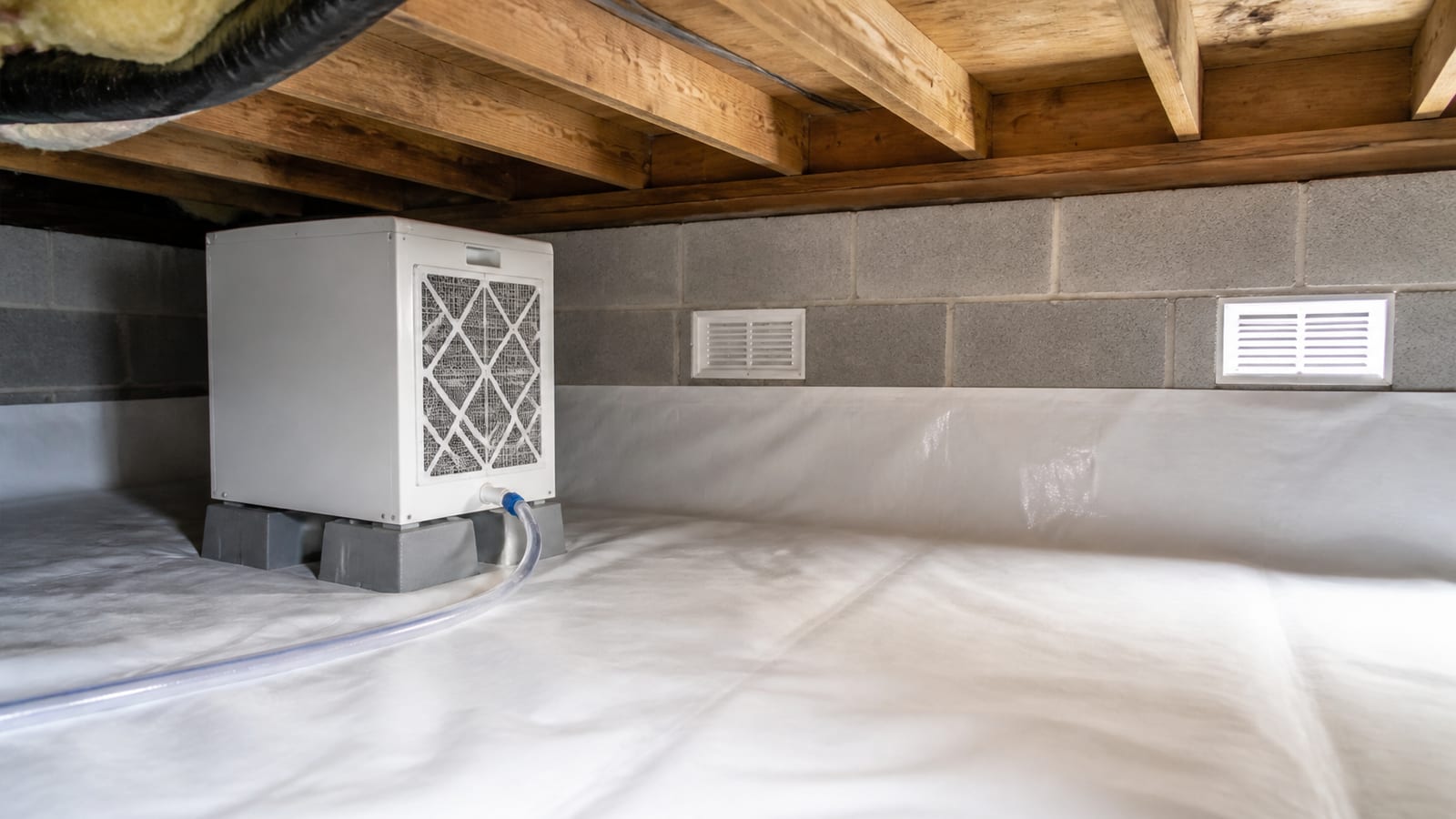
Humidity equipment should not replace needed leak repairs. A proposed crawl space dehumidifier installation should include supporting readings. The scope should also name the drain route and power responsibility.
Ask for a simple decision record:
- What condition supports each line item?
- What happens if that item is omitted?
- Which work must happen first?
- Which tasks belong to another trade?
- How will the final result be checked?
- Who can access equipment after installation?
Compare written answers across contractors. Similar totals may hide very different coverage. One proposal may include walls and piers, while another covers soil only.
The contractor selection checklist offers more comparison points. Check change rules, cleanup, final review, and owner duties. Ask for plain terms instead of broad package names.
A good plan should fit the site evidence. It should not depend on fear or vague claims. Owners can then choose work with a clear purpose.
Frequently Asked Questions
What should a crawl space encapsulation proposal include?
The proposal should list measured areas, covered surfaces, seam work, and wall details. It should address water, debris, access, insulation, vents, and humidity control. Look for clear exclusions and assigned duties. Photos and readings should support major items. The proposal should also show the planned work order.
How is a liner-only proposal different from full encapsulation?
A liner-only proposal may cover exposed soil and basic seams. Full encapsulation may also cover walls, piers, vents, doors, and other air gaps. Water control or humidity equipment may be separate. Read every line because contractors may use these terms differently. Confirm which surfaces remain uncovered.
Does every Raleigh crawl space need a dehumidifier?
No single equipment choice fits every crawl space. The need should follow humidity readings, drainage conditions, air leaks, and the enclosure plan. Ask where collected water will drain. Also ask who supplies power and service access. Later readings should show whether the moisture plan works.
Should old insulation be removed before encapsulation?
Removal depends on the insulation’s condition and the planned enclosure. Wet, fallen, dirty, or damaged insulation may block checks and sealing. Dry material may need a different plan. Ask the inspector to show affected areas. The proposal should state what stays, what leaves, and who handles hidden damage.
Should crawl space vents be sealed during encapsulation?
Vent sealing is often part of a complete enclosure. The scope should show each vent and the planned sealing work. Doors and other air gaps also need review. Sealing vents alone will not fix ground vapor, plumbing leaks, wall seepage, or poor outside drainage.
How should owners check an encapsulated crawl space?
Keep the crawl space clear and review it on a set schedule. Record humidity, water stains, liner damage, drain conditions, and loose seals. Check after storms, leaks, or trade visits. Report new water quickly. Avoid placing sharp or heavy items on exposed liner areas.
A useful proposal should explain the whole moisture-control plan. It should separate required work, options, and outside trade duties. It should also protect access for future checks and repairs.
Carolina Encapsulation Company serves Fuquay-Varina and nearby Triangle communities. Owner Benji Holiday offers a free inspection through the company. Request your free inspection or call 704-207-9348. Please confirm service availability by phone.
How this applies in Raleigh, NC
For homeowners in Raleigh, NC, use this topic as a way to organize observations before selecting work. Carolina Encapsulation Company serves Raleigh, NC and surrounding Triangle communities, but the appropriate scope still depends on the water, moisture, materials, access, and equipment found at the property. Compare the crawl space encapsulation cost with the How to Choose an Encapsulation Contractor in Fuquay-Varina, NC before choosing a property-specific next step.