Hiring crawl space encapsulation contractors takes more than comparing a final price. Each proposal may include a very different plan. One may cover the ground with a liner. Another may seal vents, walls, piers, gaps, and outside air paths.
That gap matters in Fuquay-Varina, NC. The Triangle stays warm and humid for much of the year. Damp outside air, ground vapor, plumbing leaks, and drainage faults can affect the same space.
A clear proposal should name each moisture source and planned control. It should also show exclusions, work order, access needs, and upkeep duties. Photos, moisture readings, and a measured sketch can support that plan.
Use the questions below while comparing a full crawl space encapsulation scope. The goal is not the longest list of parts. It is a complete plan tied to facts found under your property.
How Much Should Crawl Space Encapsulation Cost in Fuquay-Varina?
A fair cost depends on the measured space and moisture sources. It also depends on access, drainage, repairs, sealing, and drying needs. Compare written scopes instead of final totals alone. Each proposal should list included work, excluded work, material placement, and who handles later service.
Start with a sketch showing the crawl space size and layout. The plan should mark walls, piers, vents, doors, drains, and wet areas. Ask whether the contractor measured floor area and wall height.
A complete quote may address several separate tasks. Each task should solve a noted source or protect the enclosure. Common scope lines include:
- Ground and wall liner coverage
- Sealed seams and fixed edges
- Vent, door, and pipe sealing
- Drainage or standing water controls
- Insulation removal or replacement
- Drying equipment and service access
Check whether cleanup and old material removal are included. Ask where removed debris will go after the work. The proposal should also state what remains in place.
Sequence can change both labor and results. Water entry should be addressed before a new liner hides clues. Wet insulation may also block access to joists and air gaps.
Do not accept one total with no clear scope. Request a measured proposal that separates repairs from moisture controls. This makes two bids easier to compare on equal terms.
What Downsides of Crawl Space Encapsulation Should You Check First?
Encapsulation can fail when water sources remain active or details stay unsealed. It may also hide leaks if access becomes poor. Check drainage, plumbing, liner attachment, pest access, and service paths first. A sound scope should reduce risk without blocking future checks or repairs.
Encapsulation does not stop roof runoff or a broken drain line. It also cannot repair a foundation crack by covering nearby soil. Ask the inspector to separate outside water, plumbing leaks, and ground vapor.
Compare that plan with the mold and moisture checklist from NC State Extension. The checklist links moisture control with drainage, leaks, and indoor humidity. Those clues can help you ask better questions.
Poor access is another risk. Ask how technicians will reach shutoffs, ducts, drains, and electrical parts. The liner should not block needed service points.
Check these details before signing:
- How wall edges stay fixed and sealed
- How piers and pipe openings receive treatment
- Where water can drain without pooling
- Which areas remain open for pest checks
- Who moves stored items or old debris
A contractor may record sagging floors or damaged supports during an inspection. Those notes are not an engineering design. Structural design choices should come from a structural engineer when needed.
The written scope should name known limits. Hidden damage may appear after insulation or debris is removed. Ask how added work will be approved before costs or tasks change.
Does Homeowners Insurance Cover Crawl Space Encapsulation?
Do not assume homeowners insurance will cover encapsulation. Coverage depends on the policy, cause of damage, exclusions, and claim facts. Ask your insurer before work begins. Request a written coverage answer, then keep inspection photos, readings, proposals, and records tied to the reported event.
Insurance and contractor scopes serve different roles. The contractor records site facts and proposes work. The insurer decides whether the policy responds to a reported loss.
Ask the contractor to separate damage work from planned moisture control. For example, leak cleanup differs from sealing routine ground vapor. Clear line items can help your insurer review the request.
Keep records in a simple file:
- Date-stamped photos of visible conditions
- Notes about when the issue began
- Moisture readings and marked locations
- Plumbing or drainage findings
- The full proposal and all exclusions
- Messages from the insurer
Do not ask a contractor to promise claim approval. Instead, ask for plain records of observed conditions. Avoid language that guesses how long hidden damage has existed.
If work must start soon, ask the insurer about required steps. The insurer may request an inspection or more records first. Confirm those needs with the assigned claim contact.
Also ask who handles items outside the encapsulation scope. Examples include plumbing repairs, drain work, damaged wiring, or structural design. Written responsibility lines can prevent delays between separate trades.
How Can You Find Reputable Crawl Space Encapsulation Contractors Near Fuquay-Varina?
Find reputable crawl space encapsulation contractors by checking how they inspect and write scopes. Strong candidates explain moisture sources, show photos, and record readings. They also define exclusions, access, cleanup, sequence, and upkeep. Compare evidence and plans, not broad claims or pressure to sign.
Begin with contractors who serve Fuquay-Varina and nearby Triangle communities. Confirm current service availability by phone. A service-area business may schedule locations based on crew routes and open dates.
Ask each contractor to show why every scope item belongs. A vent seal should match an outside air path. A drain plan should match known water entry or pooling.
Use the same questions for each inspection:
- What moisture sources did you find?
- Which photos support each finding?
- Where were readings taken?
- What work comes first?
- What is not included?
- Who handles hidden damage?
- How will later service access work?
Review the proposed vent sealing and air sealing work apart from the liner. Ask how doors, vents, pipes, wires, and wall gaps will be treated. Small open paths can weaken a larger enclosure plan.
Be cautious with vague phrases like full encapsulation. Ask for named surfaces, sealed points, and fastening details. The contract should match the plan discussed during the inspection.
Owner involvement can also clarify responsibility. Benji Holiday is the Owner of Carolina Encapsulation Company. Homeowners can request a free inspection before comparing a measured scope.
What Affects the Cost of Encapsulating a 2,000-Square-Foot Crawl Space?
Square footage alone cannot set an accurate encapsulation cost. Wall height, piers, access, debris, water, insulation, and air leaks affect labor. Material coverage also extends beyond the ground. Request a measured proposal that shows each surface, opening, repair, moisture control, and excluded task.
Two spaces with equal floor area can need different work. One may have low clearance and many piers. Another may have clear access but active water entry.
Wall coverage adds material beyond the ground measurement. Overlaps, seams, columns, and fixed edges also affect the plan. Ask whether the sketch lists these areas separately.
Site conditions can add work before sealing starts:
- Standing water or soft soil
- Fallen or damp insulation
- Heavy debris under low framing
- Tight doors or blocked access
- Many pipes and support piers
- Old liner that needs removal
- Gaps around ducts or utility lines
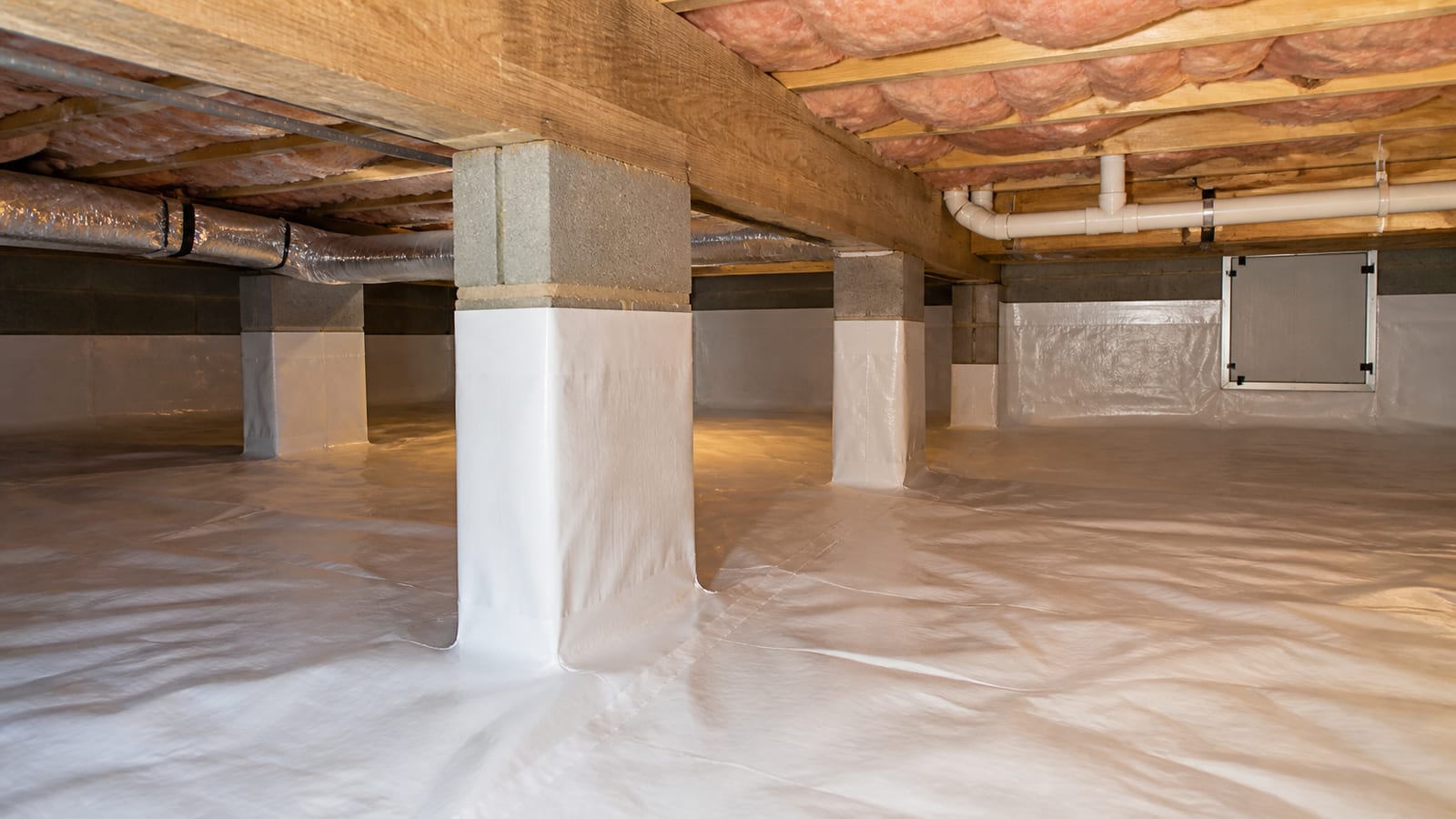
A vapor barrier installation may cover exposed soil well. Yet a ground liner alone is not always full encapsulation. The proposal should state whether walls, vents, doors, and penetrations stay open.
Warm, humid Triangle weather can raise the need for active drying. That choice should follow site readings and the enclosure plan. It should not appear as an unexplained add-on.
Ask for one base scope and clear optional work. Each option should name the problem it addresses. This format helps owners compare value without relying on a square-foot shortcut.
How Should You Choose a Crawl Space Contractor?
Choose a contractor who connects each task to inspection evidence. The written plan should cover moisture sources, materials, sequence, exclusions, access, cleanup, and upkeep. Ask who handles plumbing, drainage, structural concerns, and hidden damage. Do not rely on verbal promises that never reach the contract.
Start by walking through the findings before discussing options. Ask where each photo was taken. Have the contractor mark wet zones and air gaps on a sketch.
Next, compare the order of work. Drainage and leaks may need action before liner placement. Old insulation may also need removal before rim gaps become visible.
Use a simple review order:
- Confirm the source of water or damp air.
- Match each task to a recorded finding.
- Check surfaces, seams, edges, and openings.
- Review access for plumbing and other trades.
- Read exclusions and added-work terms.
- Ask who checks the finished system.
- Record owner upkeep duties.
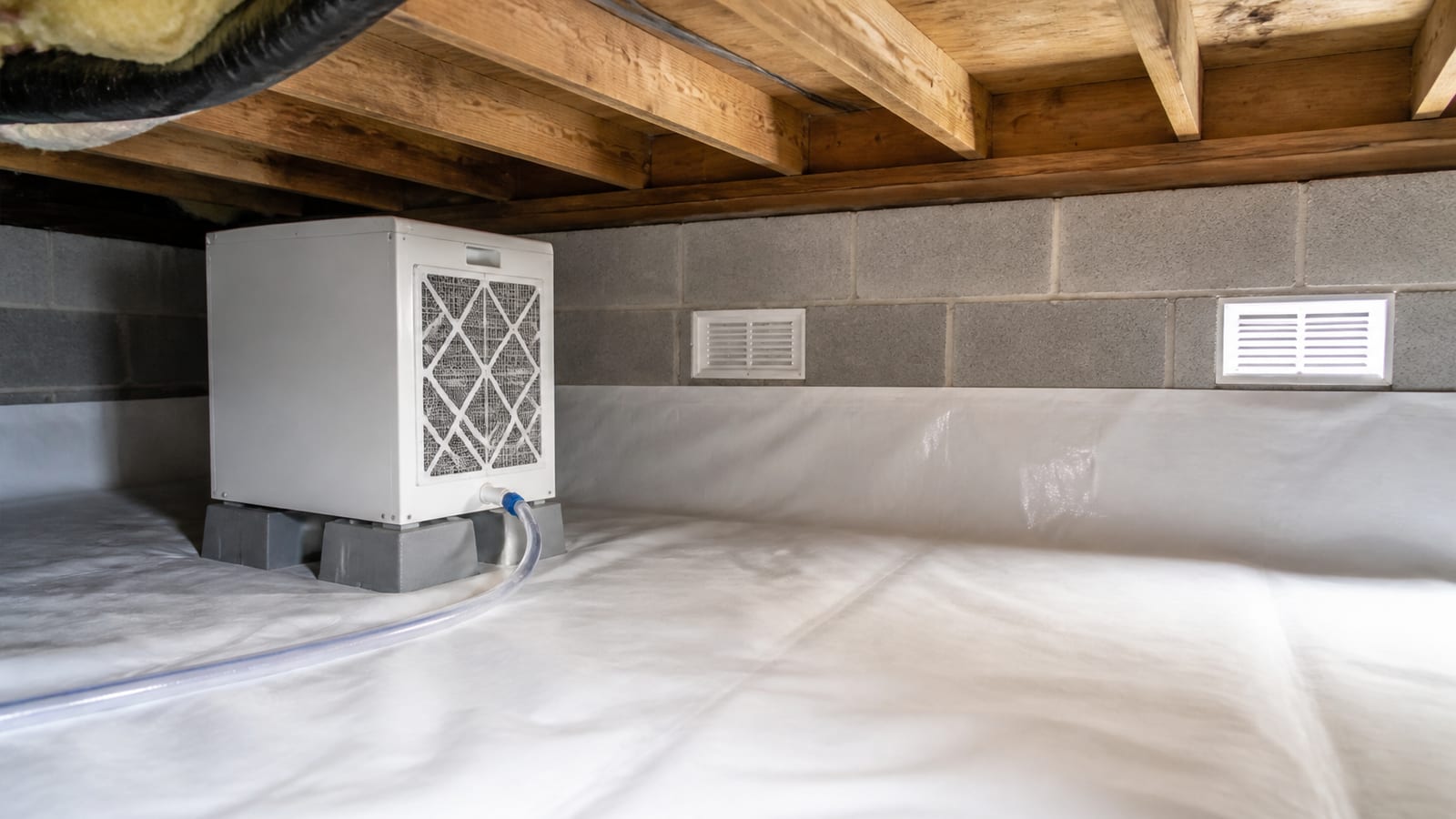
Drying equipment should have a clear purpose and location. Ask how drainage, power, filters, and service access will work. Review the separate crawl space dehumidifier service if that device enters the scope.
Responsibility boundaries deserve close review. The encapsulation contractor may note leaks, pests, wiring, or damaged framing. Separate trades may need to address those items.
Finally, compare the final contract with inspection notes. Missing details should be added before approval. Keep a copy of the signed scope and all change records.
Is Crawl Space Encapsulation a Gimmick or a Complete Moisture Plan?
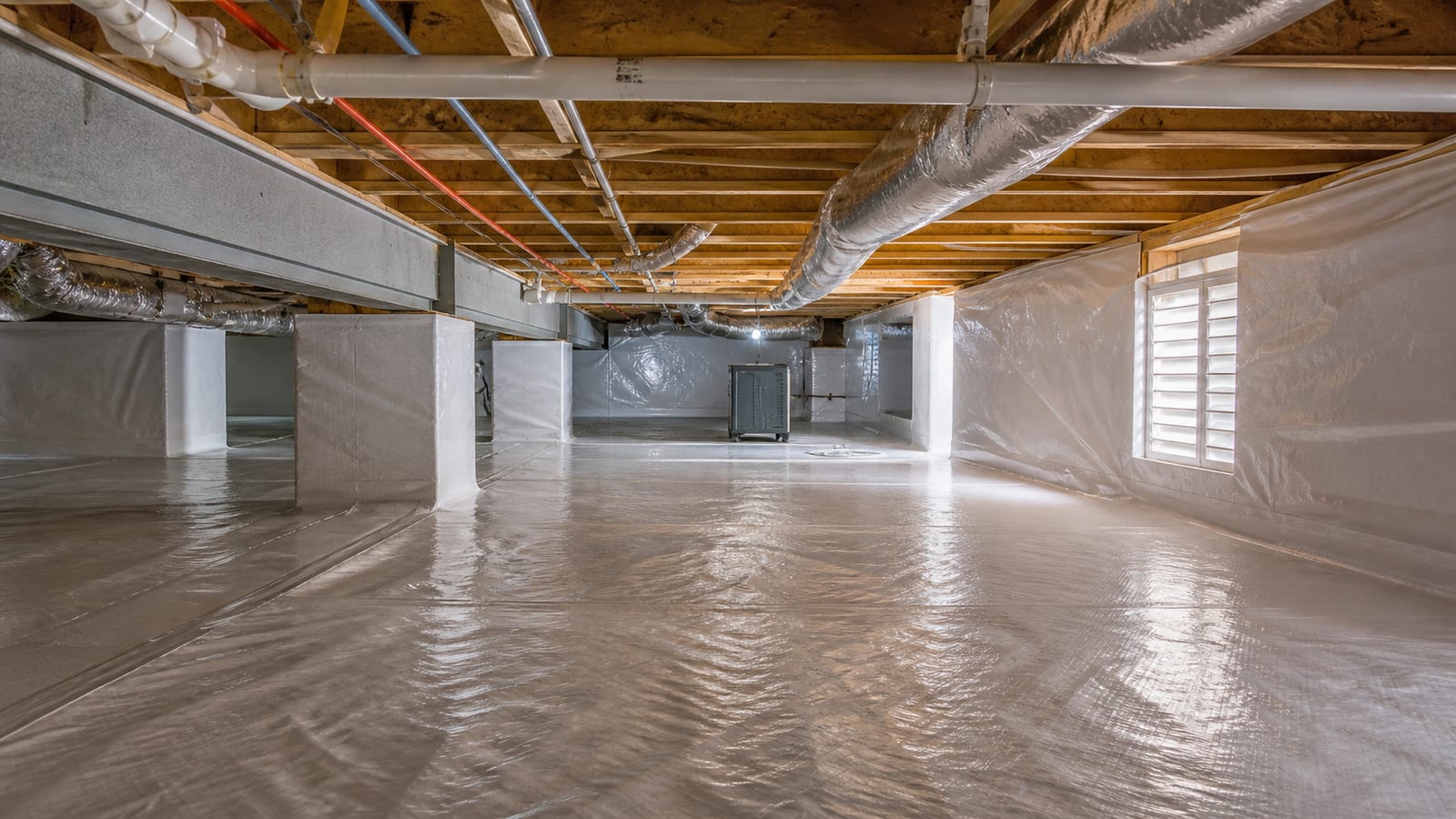
Crawl space encapsulation is not a gimmick when the scope controls real moisture paths. A liner-only offer may be incomplete. A sound plan checks ground vapor, outside air, leaks, drainage, and indoor humidity. It then assigns a clear control to each confirmed source.
A plastic sheet can reduce vapor rising from bare soil. It cannot seal open vents or fix a plumbing leak. It also cannot move roof water away from the foundation.
The U.S. Department of Energy crawl space resource explains unvented crawl space design. Its examples treat the crawl space as a connected system. Air sealing, water control, and thermal details work together.
Ask how the proposal addresses each enclosure part:
- Soil and wall vapor paths
- Open vents and access doors
- Rim and utility air gaps
- Bulk water and drainage paths
- Humidity control after sealing
- Access for checks and repairs
Evidence should support every part. Photos can show gaps, water marks, or fallen insulation. Readings can show damp zones before work begins.
A complete plan also states what it does not fix. It may exclude plumbing, grading, pest work, wiring, or structural design. Those limits should appear before the contract is signed.
The system needs a final check after installation. Ask how seams, edges, doors, and equipment will be reviewed. Also request an upkeep plan for filters, drains, leaks, and liner damage.
Frequently Asked Questions
What is the difference between a vapor barrier and full encapsulation?
A vapor barrier mainly covers exposed soil and reduces ground vapor. Full encapsulation may also cover walls and seal vents, doors, seams, and gaps. The exact scope varies by property. Ask the proposal to name every covered surface and sealed opening. Do not treat these terms as equal without checking the written details.
Should crawl space vents be sealed during encapsulation?
Vent sealing often forms part of an unvented enclosure plan. Yet it should fit the full moisture and drying plan. Ask how outside air will be blocked at each vent. Also ask how indoor humidity will be checked after sealing. A sealed vent alone does not control leaks, ground vapor, or poor drainage.
Does every encapsulated crawl space need a dehumidifier?
Not every scope should add one without a clear reason. The decision should reflect humidity readings, air leakage, drainage, and enclosure details. Ask where the unit would drain and receive power. The proposal should also show filter access and upkeep duties. Equipment cannot replace repairs for active leaks or standing water.
Should old insulation be removed before encapsulation?
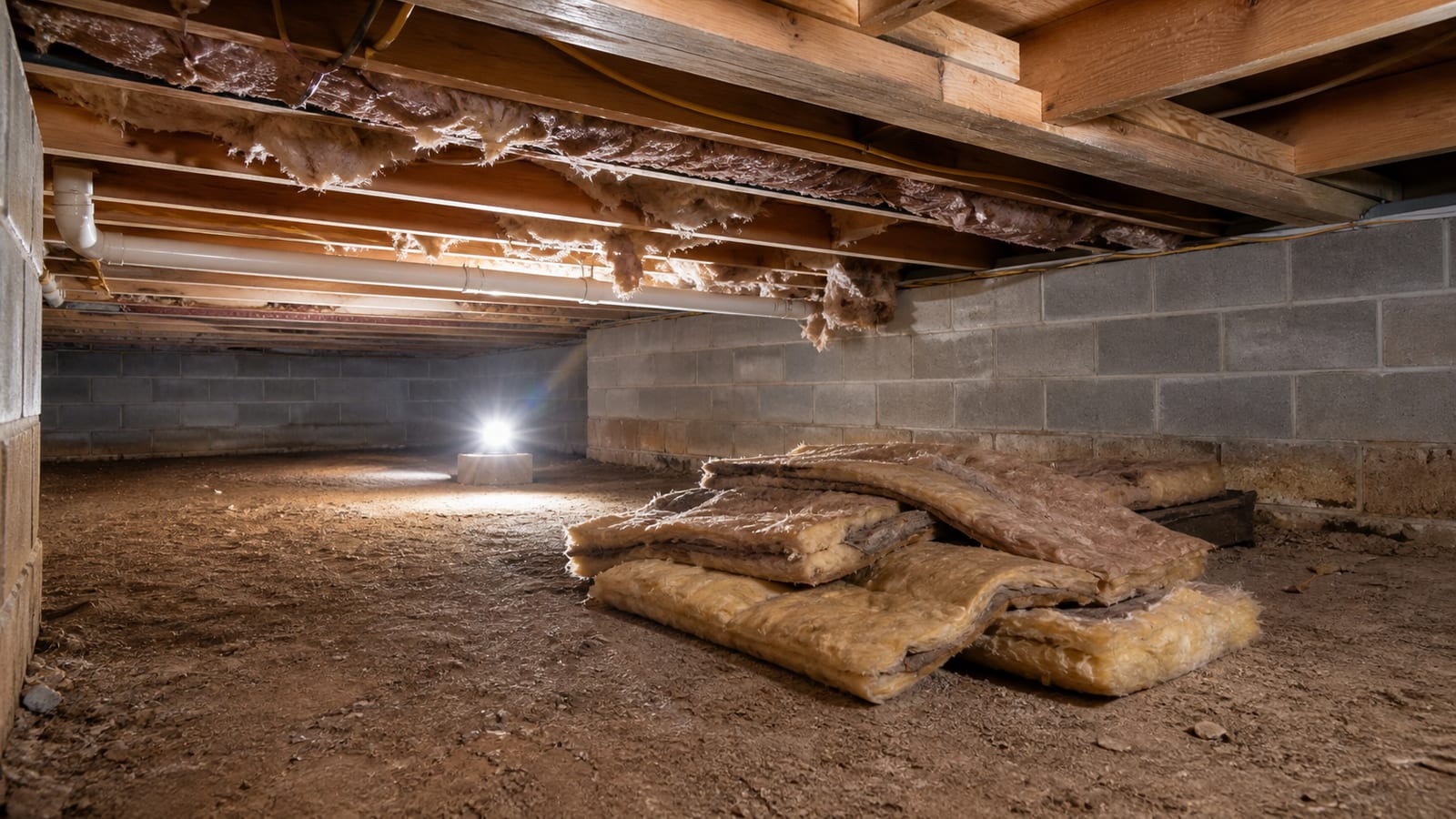
Removal may help when insulation is wet, fallen, dirty, or blocking needed checks. It can also expose rim gaps and hidden framing concerns. Yet removal should not be automatic. Ask for photos and a stated reason. The scope should explain disposal, uncovered conditions, and who approves added work after removal.
How often should an encapsulated crawl space be checked?
Check the space on a regular schedule and after major storms or plumbing leaks. Look for standing water, torn liner, loose seams, blocked drains, and new pest paths. Check any drying equipment as its care plan directs. Record each visit with notes and photos, especially when a condition changes.
What should happen during a crawl space inspection?
The inspector should check visible water, damp soil, insulation, vents, doors, pipes, and access limits. Photos and moisture readings should show where concerns were found. The visit should end with a plain review of findings. A proposal should then link each recommended task to those recorded site facts.
A useful proposal makes each part easy to trace. You should see the problem, the planned control, and the responsible party. You should also know what stays outside the contract.
Carolina Encapsulation Company serves Fuquay-Varina and surrounding Triangle communities. Current availability must be confirmed by phone. Request a free crawl space inspection to review site conditions and compare a written scope.
You may also call 704-207-9348. Bring other proposals if you have them. A line-by-line review can show whether each bid offers an enclosure or only a liner.
How this applies in Fuquay-Varina, NC
For homeowners in Fuquay-Varina, NC, use this topic as a way to organize observations before selecting work. Carolina Encapsulation Company serves Fuquay-Varina, NC and surrounding Triangle communities, but the appropriate scope still depends on the water, moisture, materials, access, and equipment found at the property. Compare the crawl space encapsulation with the Fuquay-Varina, NC crawl space service area before choosing a property-specific next step.