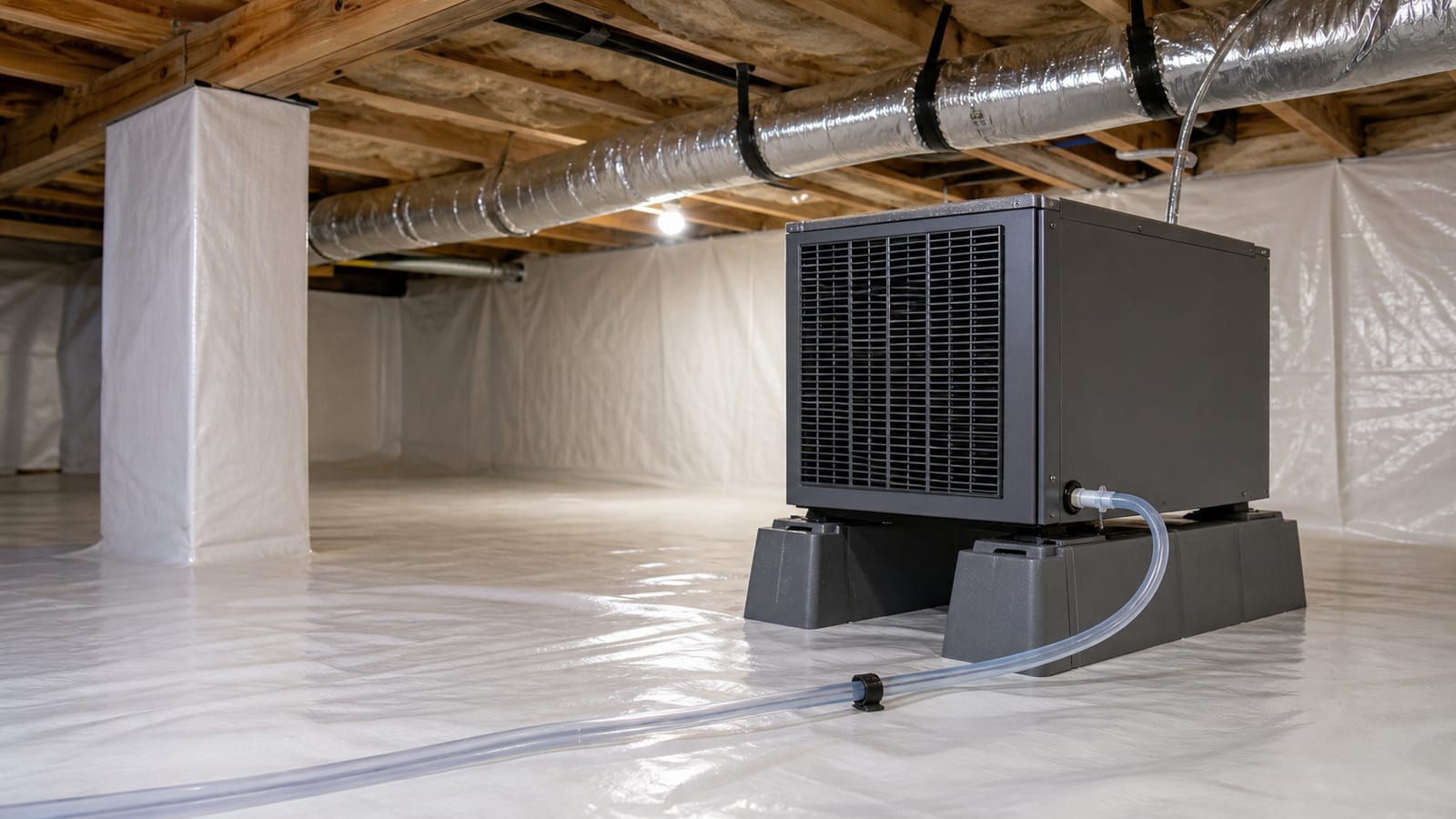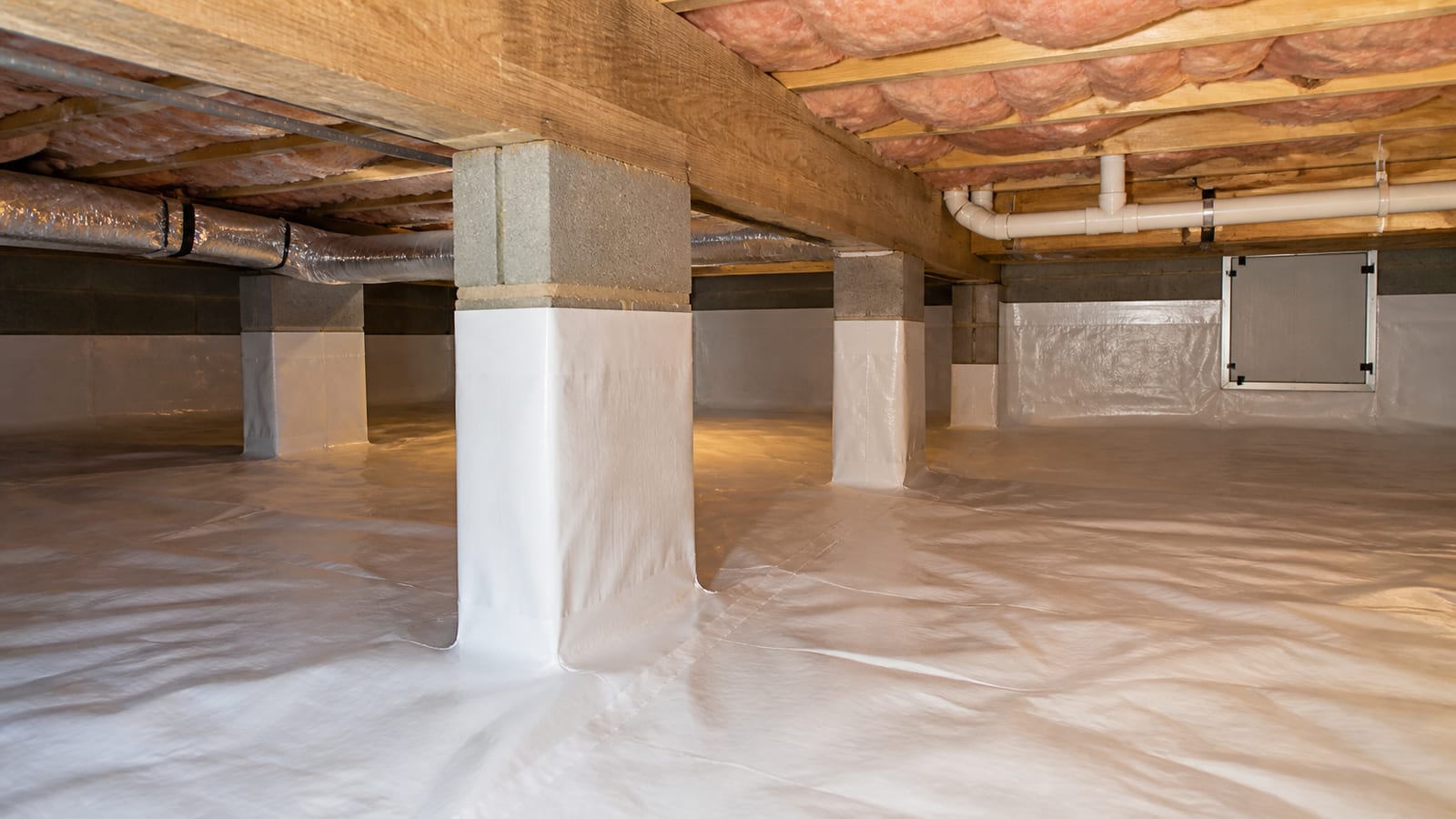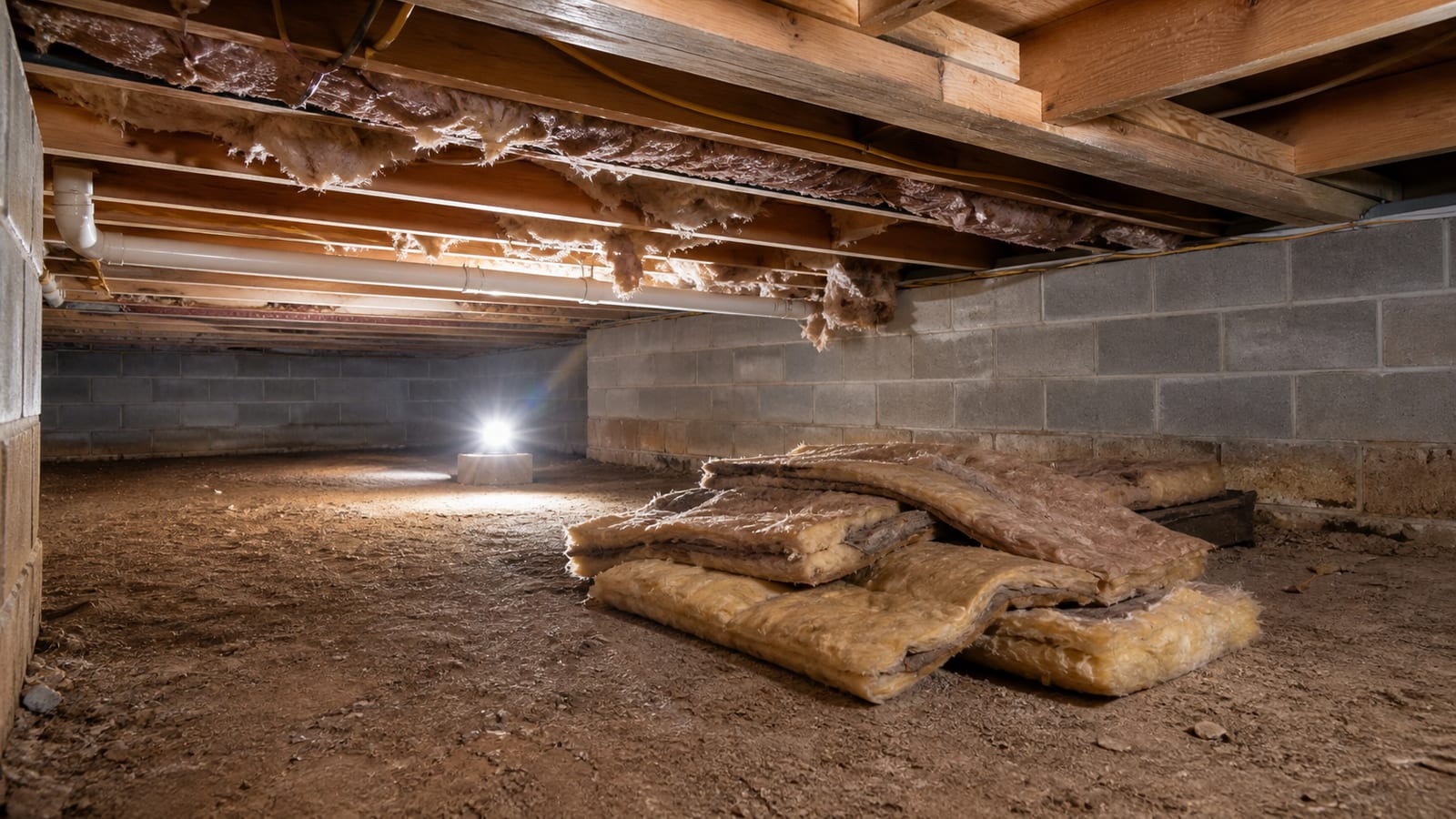
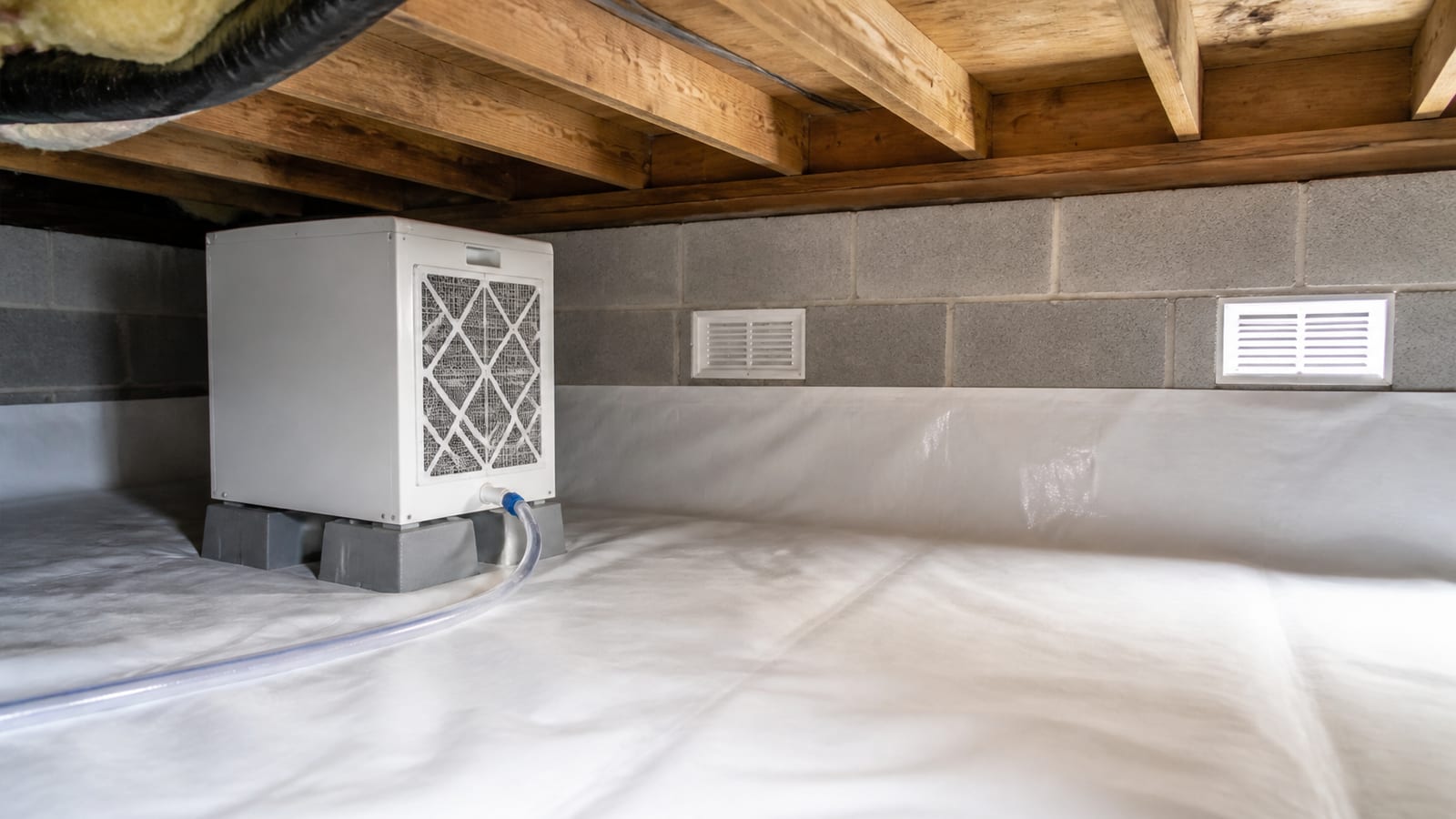
Choosing an installer takes more than finding someone who sells equipment. A dehumidifier must fit the crawl space and its moisture load. The surrounding enclosure must also help the unit control humid air.
Carolina Encapsulation Company serves Fuquay-Varina, NC, and nearby Triangle communities. The region stays warm and humid for much of the year. Those conditions can expose weak liners, open vents, air gaps, and poor drainage.
A good crawl space dehumidifier installation proposal should show the complete plan. It should separate the unit from liner, sealing, drainage, and power work. It should also name tasks handled by other trades.
Start with a crawl space inspection and clear moisture records. Then compare the findings with each written scope. For broader hiring checks, review how to choose an encapsulation contractor. That process helps reveal gaps between a liner-only bid and full moisture control.
How much does crawl space dehumidifier installation cost?
There is no useful flat price for every crawl space. Cost follows space size, water risks, enclosure work, equipment needs, drainage, and power access. A measured proposal should price each task and name all exclusions. That makes liner-only bids easier to compare with complete moisture-control scopes.
Start with measurements, moisture readings, and photos from the crawl space. The proposal should show where damp air enters. It should also record standing water, wet soil, and drain concerns.
A dehumidifier quote may cover only equipment and a drain line. That narrow scope may leave vents, wall gaps, or bare soil open. Those gaps can add more moisture than the unit can remove.
Check these items on each proposal:
- Measured crawl space area and height
- Ground liner and sealed seam details
- Vent, door, and wall air sealing
- Drain route and discharge location
- Power needs and trade responsibility
- Filter access and future service space
A full crawl space dehumidifier installation scope should name every included task. Ask whether removal, cleanup, drainage, or liner repairs cost extra. Also ask who prepares the equipment pad and outlet.
Do not compare totals without matching the work line by line. One bid may include enclosure repairs and drainage planning. Another may cover only the machine, hose, and basic setup.
For a Fuquay-Varina home, record that point before choosing work.
Is it a good idea to put a dehumidifier in your crawl space?
A crawl space dehumidifier can help when humid air remains after water sources are controlled. It should support a sealed, dry enclosure rather than mask active leaks. Readings, site conditions, and the enclosure plan should support the choice. The unit also needs safe drainage and service access.
Good evidence starts with relative humidity readings from several crawl space areas. The inspector should also check wood, soil, ducts, pipes, and foundation walls. A single reading near the door may miss wet zones.
The NC State Extension mold and moisture checklist stresses control of moisture sources. That means roof runoff, plumbing leaks, and ground moisture deserve attention first. A dehumidifier cannot repair those causes.
Ask the installer to show:
- Current humidity and moisture readings
- Signs of bulk water or active leaks
- Open vents, doors, and wall gaps
- Liner seams, tears, and uncovered soil
- The planned drain and service route
A unit makes sense after those facts support its use. It may run less once outside air and soil vapor are controlled. That can also make humidity more stable across the space.
A complete crawl space encapsulation plan may include several linked steps. Those steps can include a sealed liner, air sealing, and humidity control. The written scope should explain why each step belongs.
Put the observation in the written scope so it can be compared.
Can you install a crawl space dehumidifier without encapsulation?
A dehumidifier can be placed in an unsealed crawl space, but results may suffer. Open vents, bare soil, and air gaps keep adding moisture. The unit may run often without gaining control. Inspect those sources before choosing equipment alone, a sealed liner, or a complete enclosure.
A liner-only proposal covers soil but may leave other paths open. Humid outdoor air can still enter through vents and loose doors. Wall gaps and pipe openings may also remain unsealed.
A full enclosure has a different goal. It limits moisture from soil and humid outdoor air. The dehumidifier then handles moisture left inside that controlled space.
Compare the evidence for each part:
- Bare soil supports a ground liner
- Open vents support vent sealing
- Wall gaps support targeted air sealing
- Standing water supports drainage work first
- High humidity supports planned moisture control
The vapor barrier installation service covers an important ground-moisture step. Yet a vapor barrier does not always create a complete enclosure. Ask how seams, piers, walls, doors, and edges will be treated.
The written plan should also state what remains open. It should name any leaks or drainage tasks outside the scope. This helps prevent equipment from becoming the only response to several moisture sources.
A clear note also helps separate this issue from related work.
What size dehumidifier is needed for a 2,000-square-foot crawl space?
Square footage alone cannot select the right crawl space dehumidifier. Height, air leakage, ground moisture, drainage, temperature, and current humidity also matter. The installer should measure the space and record site conditions. Equipment capacity should follow that evidence, not a simple floor-area chart.
A low crawl space holds less air than a tall one. Yet heavy air leaks can create a larger moisture load. Bare soil and open vents can change the need again.
Ask where the sizing facts came from. A proposal should show measurements and current moisture conditions. It should also note whether sealing work happens before startup.
Useful sizing records include:
- Crawl space length, width, and height
- Current relative humidity in several areas
- Wood or surface moisture findings
- Ground liner condition and exposed soil
- Vent, door, and wall leakage points
- Drain route and expected service access
Placement matters after capacity is chosen. Air must move through the crawl space without blocked paths. Closed sections may need a planned way to share dry air.
The installer should also protect access to filters and controls. Equipment should not block plumbing, ducts, or entry routes. Ask who will test drainage and record the starting settings.
Avoid proposals based only on home size. The first floor may not match the crawl space footprint. A measured plan gives stronger support for the selected capacity.
What are the negatives of crawl space encapsulation with a dehumidifier?
Encapsulation can fail when water sources, access, or maintenance needs are ignored. A poor scope may hide leaks, trap water above the liner, or block repairs. Dehumidifiers also need filters, drainage, and power. These risks are manageable when the proposal shows sequencing, access, exclusions, and service duties.
The first risk is sealing before bulk water has a plan. Roof runoff, grading issues, plumbing leaks, or seepage may need separate work. A liner should not hide water without a clear drain path.
The second risk is poor access. Tight liner placement can cover shutoffs or make repairs harder. Equipment can also block routes used by plumbers or heating technicians.
Check the scope for these safeguards:
- Known leaks handled before enclosure work
- Drainage tasks listed by responsible party
- Access around pipes, ducts, and shutoffs
- Clear filter and control access
- Repair rules for later trade work
- Exclusions written in plain language
The federal Building America crawl space resource explains unvented, conditioned crawl space design. It also shows why enclosure parts must work together. Closing vents alone is not a full plan.
Ask how later cable, pipe, or duct work affects the liner. New holes may need resealing after another trade leaves. The proposal should state who handles that future repair.
For a Fuquay-Varina home, record that point before choosing work.
What humidity should an encapsulated crawl space maintain?
A practical goal is usually to keep relative humidity below 60 percent. The exact setting should fit the space and equipment plan. One brief reading does not prove control. Track readings over time, especially during warm and humid weather around Fuquay-Varina.
Relative humidity shows how much moisture the air holds at its temperature. Readings can change as outdoor weather and crawl space temperature shift. That is why trends matter more than one check.
Place monitors where they can show different crawl space zones. Keep them away from direct drain air or an open access door. Record dates, weather, settings, and any recent leaks.
A useful review should check:
- Readings near the unit and far away
- Changes during wet or humid weather
- Filter condition and airflow paths
- Drain flow and discharge condition
- Liner tears or loose sealed edges
- Doors, vents, and service openings
A sudden rise may point to a new leak or open access door. It can also signal a blocked filter or drain concern. Check the cause before lowering the setting without a plan.
The installer should explain normal upkeep and warning signs. Ask who handles equipment service and liner repairs. Keep those duties with your property records for future owners or managers.
Put the observation in the written scope so it can be compared.
Do you need to ventilate an encapsulated crawl space?
An encapsulated crawl space should not rely on open outdoor vents for moisture control. Open vents can admit warm, humid air during Triangle summers. The closed space still needs a planned drying approach. That may involve a dehumidifier or another designed source of dry air.
Vent sealing is one part of the enclosure. Doors, pipe gaps, wall joints, and other openings also need review. Missed gaps can weaken the drying plan.
A crawl space vent sealing and air sealing scope should list each treated opening. It should also describe materials and surface preparation. Ask for photos of hidden areas before they are covered.
Compare these scope details:
- Vents closed and sealed from humid air
- Access doors fitted and weather-resistant
- Pipe and wire gaps sealed as planned
- Drying source named in the proposal
- Airflow paths kept clear inside
- Future access and resealing duties assigned
Do not confuse sealed vents with a complete enclosure. Ground vapor, wall gaps, drainage, and indoor humidity still need checks. Each part should have clear evidence behind it.
Responsibility boundaries also matter. The crawl space contractor may not handle every power or drain task. The proposal should name outside trade needs before work starts. Confirm who tests the full system after those tasks finish.
A clear note also helps separate this issue from related work.
Frequently Asked Questions
Who should install a crawl space dehumidifier in Fuquay-Varina?
Choose a crawl space moisture contractor who checks the whole enclosure first. The installer should measure humidity, inspect the liner, and trace outside air paths. The written scope should cover sizing, placement, drainage, startup, and service access. It should also name any work assigned to another trade.
How can I compare two dehumidifier installation proposals?
Match each proposal line by line rather than comparing totals alone. Check equipment capacity, liner work, air sealing, drainage, power needs, cleanup, and exclusions. Ask for measured conditions behind each choice. A shorter proposal may leave major moisture sources and future service tasks with the owner.
Does every crawl space dehumidifier need a sump pump?
No. A sump pump handles collected water, while a dehumidifier removes moisture from air. Site drainage and discharge options shape the plan. Standing water may require drainage work before humidity control begins. Ask where each drain goes and who maintains every pump, hose, or outlet.
What maintenance does a crawl space dehumidifier need?
Maintenance often includes filter checks, drain checks, and humidity review. Access doors and liner seams should also remain sealed. The exact schedule depends on the unit and site conditions. Keep the service instructions, starting settings, and installer records where property managers or future owners can find them.
What happens if an inspector sees possible structural damage?
A crawl space inspector can record visible cracks, movement, decay, or damaged wood. Those notes are inspection observations, not structural design decisions. A structural engineer should address questions that need engineering judgment. Carolina Encapsulation Company does not supply engineering, so that work needs separate arrangements.
Should I ask my insurer about crawl space moisture work?
Yes, contact your insurer before assuming any work has coverage. Coverage can depend on the cause, timing, and policy terms. Ask what records the insurer needs before work begins. Keep inspection photos, moisture readings, proposals, invoices, and notes from any outside trade involved.
A dehumidifier should be part of a clear moisture-control plan. The plan should show why each enclosure component is needed. It should also state what is excluded and who handles each task.
Carolina Encapsulation Company is led by Owner Benji Holiday. The company serves Fuquay-Varina and surrounding Triangle communities. Service availability must be confirmed by phone.
Request a free crawl space inspection to review current conditions and compare options. You can also call 704-207-9348 to confirm availability. Ask for a measured scope covering the unit, enclosure, drainage, access, and responsibility boundaries.
How this applies in Fuquay-Varina, NC
For homeowners in Fuquay-Varina, NC, use this topic as a way to organize observations before selecting work. Carolina Encapsulation Company serves Fuquay-Varina, NC and surrounding Triangle communities, but the appropriate scope still depends on the water, moisture, materials, access, and equipment found at the property. Compare the crawl space dehumidifier installation with the How to Choose an Encapsulation Contractor in Fuquay-Varina, NC before choosing a property-specific next step.