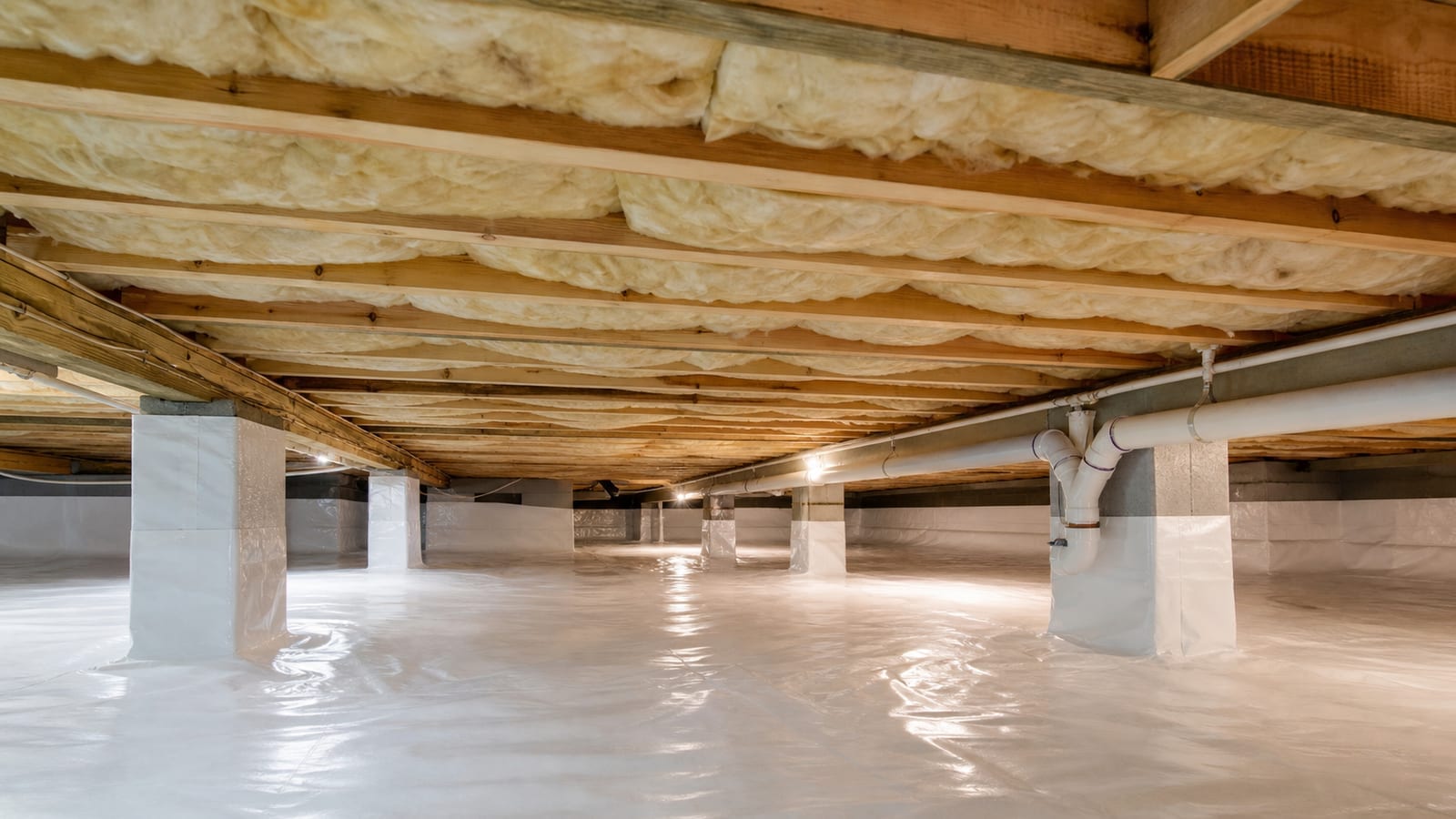
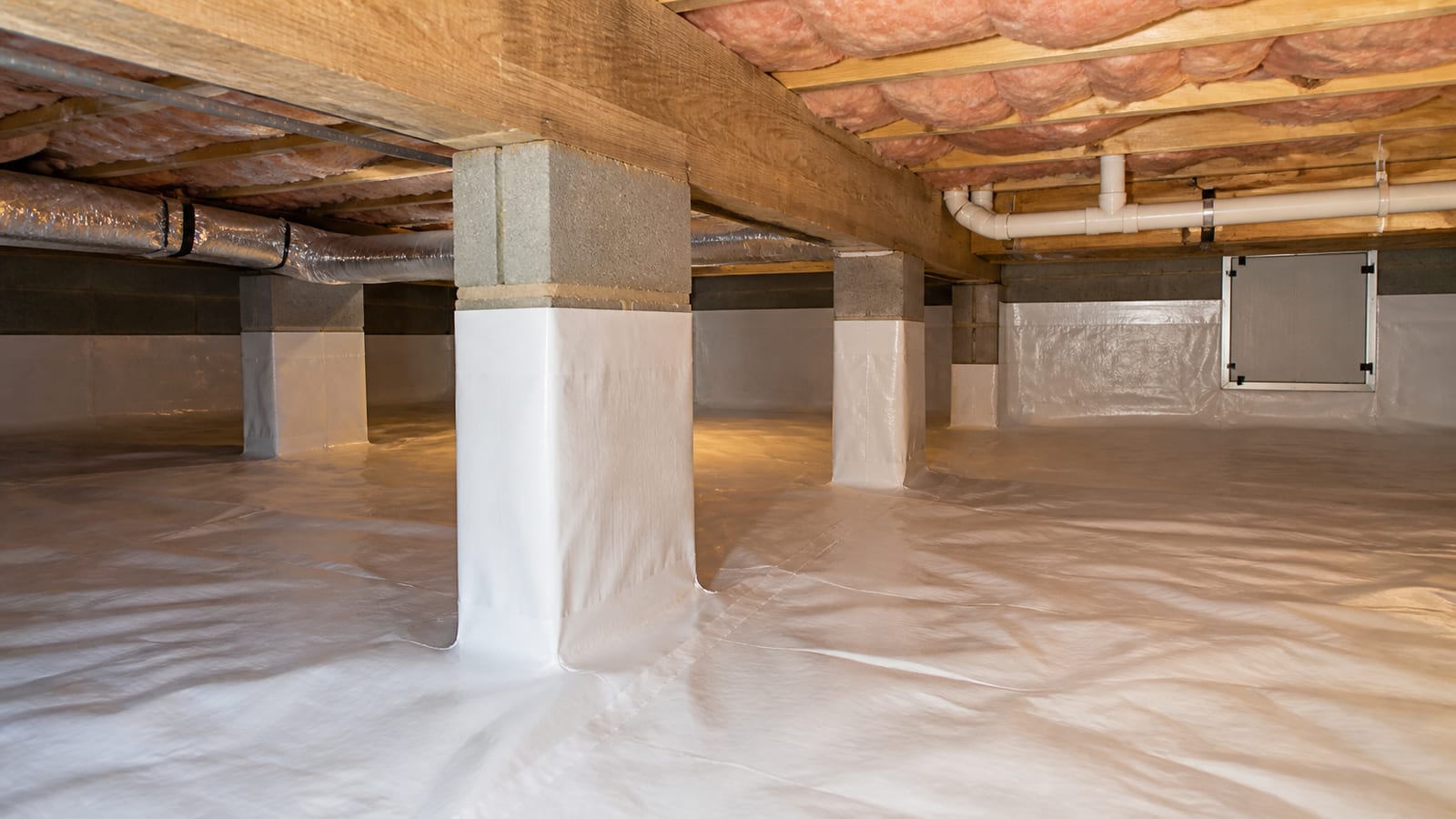
A crawl space vapor barrier installation can involve two very different scopes. One installer may cover exposed soil with a basic liner. Another may plan a sealed space with full moisture control.
That difference matters in Raleigh, NC. The region stays warm and humid much of the year. Ground vapor, damp air, and water entry can affect one crawl space.
A crawl space contractor should inspect the whole area before proposing work. The written scope should show preparation, coverage, seams, walls, vents, and doors. It should also name exclusions and future service needs.
Carolina Encapsulation Company serves Fuquay-Varina and surrounding Triangle communities. Its service area includes Raleigh and nearby towns. Availability should be confirmed by phone. A free inspection can help owners compare actual site needs.
What Shapes Crawl Space Vapor Barrier Installation Cost in Raleigh, NC?
Cost depends on measured area, access, site cleanup, liner type, and seam work. Wall coverage and pier details also affect labor. Drainage, vent sealing, or drying equipment may add separate tasks. A measured written proposal should show each item and its limits.
Price starts with the crawl space, not a standard package. Raleigh homes vary in height, access, drainage, and past repair needs. Standing water may need correction before workers place any liner.
The inspection should tie each proposed task to clear site evidence. Photos can show wet soil, damaged liners, debris, or open vents. Readings can record moisture levels before the scope is written.
Before comparing proposals, check these details:
- Measured floor area and planned wall coverage
- Liner thickness, surface type, and fastening plan
- Seam treatment around piers, pipes, and supports
- Debris, insulation, or old liner removal duties
- Drainage work for seepage or pooled water
- Vent, door, gap, and rim sealing tasks
- Electrical work, equipment, and stated exclusions
Then compare the purpose of each proposal. A floor liner limits vapor rising from exposed soil. A full crawl space encapsulation can also address damp outside air. It may include walls, vents, doors, drainage, and planned humidity control.
Ask who moves stored items and clears sharp debris. Confirm who handles leaks, drain damage, and unsafe access. The proposal should show payment stages and change approval steps. These details make total prices much easier to compare.
Is a Vapor Barrier Necessary for a Raleigh Crawl Space?
Many dirt-floor crawl spaces need a ground vapor barrier. It limits moisture vapor moving from soil into the crawl space. Yet a liner cannot stop every moisture source. Roof runoff, plumbing leaks, open vents, and poor drainage need separate checks.
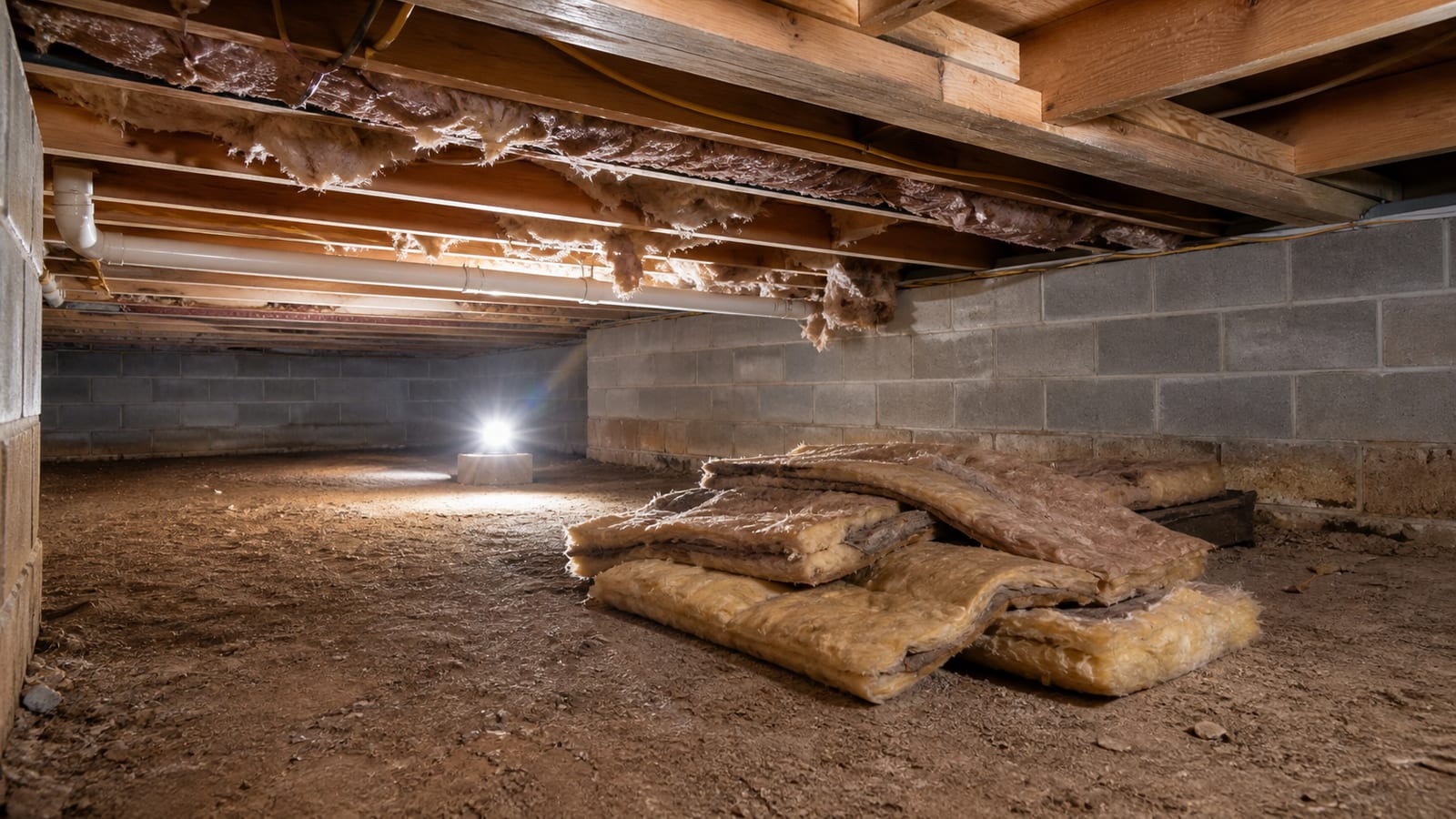
Start with evidence from the crawl space inspection. Look for exposed soil, damp framing, stains, standing water, and loose insulation. Record humidity readings and visible leak points with clear photos.
The NC State Extension mold and moisture checklist stresses control of moisture sources. That goal requires more than covering exposed ground. Gutters, grading, pipes, drains, and outdoor air may also need review.
Ask the inspector to show these conditions:
- Soil that remains bare after planned coverage
- Water marks on walls, piers, or framing
- Leaking pipes, drains, or air systems
- Open vents, doors, gaps, and pipe holes
- Low areas where water can collect
- Wet insulation or wood with visible damage
A basic vapor barrier installation can fit some dry crawl spaces. The liner should cover every soil area named in the scope. Seams, edges, posts, and pipes need clear treatment details.
A full enclosure may fit spaces with wider air concerns. The Department of Energy explains unvented conditioned crawl spaces and their design. That approach relies on careful air sealing and moisture control. Ask which site evidence supports each proposed part.
What Are Common Crawl Space Vapor Barrier Installation Mistakes?
Common mistakes include poor site preparation, open seams, missed soil, and loose edges. Other problems include covered drains, blocked access, and liner damage near sharp debris. A liner may also miss its goal when leaks or outside water remain unaddressed.
Preparation should happen before workers place the liner. They should remove sharp waste and record active leaks. Low spots and standing water also need a written plan.
Seams and edges deserve close review. Ask how seams will stay closed during future service visits. Check details around posts, pipes, walls, supports, and access doors. A neat center area means little when the edges remain open.
Access is another common weak point. Plumbing valves, drain cleanouts, ducts, and equipment should remain easy to reach. Workers should not trap wires or cover labels needed for service. A planned path helps later trades avoid tearing the liner.
Use this final walk-through checklist:
- Compare completed coverage with the signed proposal.
- Check seams, edges, posts, walls, and pipe openings.
- Confirm drains and service points remain open.
- Record any tears, loose areas, or exposed soil.
- Check that doors can close without liner damage.
- Ask who handles damage found after completion.
Photos taken before and after work provide useful proof. They can show areas that owners cannot safely enter. Keep those photos with the proposal and final work notes. This record helps track later damage or service changes.
What Code Rules May Apply to Crawl Space Vapor Barriers?
Applicable rules depend on the property, project scope, and local authority. A simple liner may receive different review than structural or electrical work. Owners should confirm current requirements before work starts. The local inspections office makes the final permit decision.
Avoid proposals that use code as a broad sales claim. Ask which rule applies to each planned task. Request the rule edition and the name of the local authority. The answer should match the property and written scope.
Permit needs may change when work affects other systems. Electrical work for drying equipment may need separate review. Structural changes may also require plans from another qualified provider. Check the NC Office of State Fire Marshal codes page for current resources.
Confirm these points with the local inspections office:
- Whether the proposed scope needs a permit
- Who will apply if a permit is required
- Which inspections may occur during the work
- Who will respond to correction notices
- Who will confirm final permit closure
- Which fees or added services are excluded
An encapsulation contractor can record visible framing concerns. These may include sagging wood, decay, cracks, or shifted supports. Those notes are inspection observations, not structural design decisions.
A structural engineer should make choices that require engineering judgment. Carolina Encapsulation Company does not provide structural engineering. The proposal should keep that responsibility with the proper outside provider. Owners should not assume engineering work is included.
How Is Professional Vapor Barrier Installation Cost Calculated?
Professional installation cost reflects measured work and current site conditions. Key factors include access, cleanup, material coverage, fastening, and seam details. Water control or air sealing may change the scope. Owners need an itemized proposal instead of an unmeasured phone estimate.
A useful quote connects each charge to a clear task. It should separate site preparation from liner placement. It should also divide optional work from required work. That layout helps owners compare proposals on equal terms.
Ask the contractor to show these items:
- Areas included in each coverage measurement
- Materials planned for floors, walls, and piers
- Seam, edge, and attachment details
- Removal, hauling, and disposal duties
- Work around pipes, drains, and supports
- Taxes, fees, access limits, and exclusions
- Steps that need another trade first
A quote should explain how hidden damage changes the work. Cleanup may reveal wet wood, leaks, pests, or damaged drains. The owner should approve added work before that work begins. Written approval helps control cost and responsibility.
Do not assume a liner quote includes vent sealing. That work may need a separate vent sealing and air sealing scope. The same rule applies to drainage, wiring, and drying equipment.
Property owners should ask their insurer about possible coverage. They should not assume a policy will pay. Coverage depends on policy terms, damage causes, and insurer review. Get any coverage decision from the insurer before relying on it.
What Affects Encapsulation Cost for a 2,000-Square-Foot Crawl Space?
Square footage alone cannot set an accurate encapsulation cost. Wall height, piers, access, debris, drainage, and current moisture all affect work. A large open space may be simpler than a smaller crowded space. A site measurement and written scope are needed.
Floor area is only one useful measurement. Wall coverage adds material, cuts, seams, and attachment work. Each pier also creates more edges that need careful sealing. Pipes, ducts, supports, and low clearance can slow access.
The inspection should map water sources before pricing enclosure work. Ground seepage may need drainage before workers seal the space. Plumbing leaks need repair by the proper trade. Outdoor runoff may require work beyond the crawl space.
The measured scope should record these features:
- Floor area, wall height, and wall length
- Number of piers, supports, and pipe openings
- Crawl space doors and other entry points
- Low areas, drains, and water entry paths
- Debris, old liners, and damaged insulation
- Equipment locations and planned service paths
- Areas blocked during the first inspection
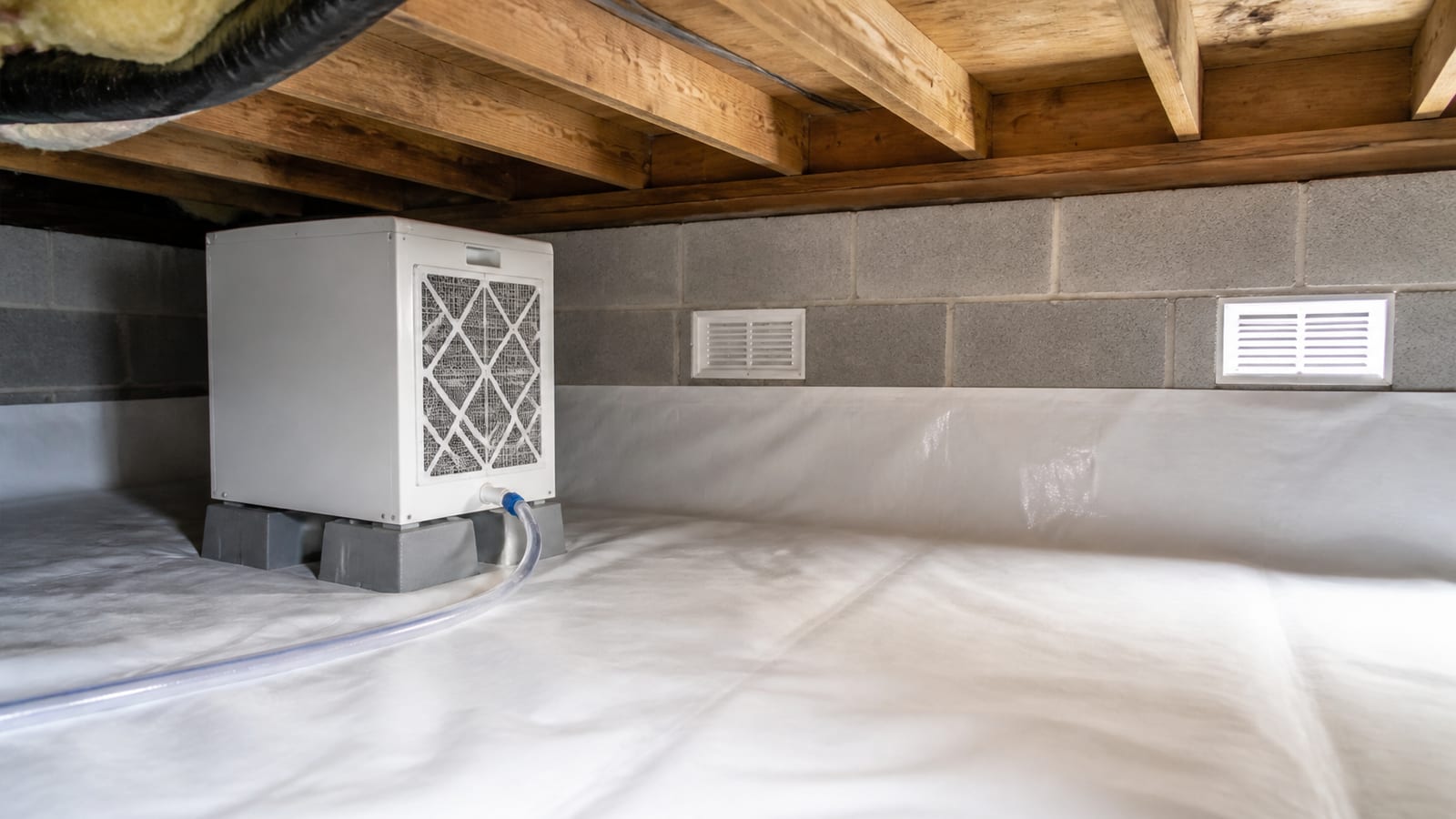
Humidity control also needs a clear reason. A sealed space may need planned drying or conditioned air. The choice should match readings and site conditions. Review any separate dehumidifier installation scope before approving equipment.
Ask how workers will reach filters, drains, and controls later. Confirm the discharge route and electrical responsibility. A sketch should mark walls, doors, piers, drains, and equipment. It can show why equal floor sizes need different scopes.
How Often Should a Crawl Space Vapor Barrier Be Replaced?
A vapor barrier has no fixed replacement date for every crawl space. Its condition matters more than age alone. Replacement may follow tears, loose seams, flooding, or heavy service traffic. Regular checks can find damage before large soil areas become exposed.
Inspect visible areas after plumbing, duct, or electrical work. Service crews may shift liner edges or puncture seams. Check the main access path first. That area often receives the most wear.
Look for signs that need closer review:
- Exposed soil along walls, piers, or doors
- Open seams or tape that has pulled loose
- Tears near pipes, supports, or service paths
- Pooled water above or below the liner
- Loose fasteners along walls and edges
- Stains that may point to an active leak
- Covered drains or blocked service points
A wet liner does not always mean liner failure. Water may enter from a pipe, wall, vent, or door. Find and address that source before choosing replacement. Otherwise, new material may hide the same problem.
Small damage may allow a focused repair. Wide damage may support partial or full replacement. The installer should explain why each option fits. Photos and measurements should support the advice.
Ask whether repair materials suit the current liner. Confirm how repair affects any written service terms. Give future trades a clear service path. Ask each trade to report new tears before leaving.
Frequently Asked Questions
Who installs crawl space vapor barriers near Raleigh?
Crawl space moisture contractors commonly install these barriers. Choose one that inspects the full space before quoting. The proposal should show preparation, coverage, seams, edges, and exclusions. Carolina Encapsulation Company serves Fuquay-Varina and surrounding Triangle communities. Call to confirm current Raleigh availability.
Is a ground liner the same as full encapsulation?
No. A ground liner mainly limits vapor rising from exposed soil. Full encapsulation may also cover walls and seal vents or doors. It can include drainage and planned humidity control. The proposal should name every included part. Avoid scopes that use both terms without clear details.
Should old insulation be removed before installing the barrier?
Not in every crawl space. Removal may help when insulation blocks a full inspection. Wet, fallen, or damaged material may also need attention. The contractor should show why removal is proposed. The scope should name the removal party. It should also explain where new insulation fits.
Does every sealed crawl space need a dehumidifier?
No single equipment choice fits every crawl space. The plan should consider readings, air leaks, drainage, and enclosure details. Ask why the unit is needed and how it will drain. Confirm power needs, filter access, upkeep duties, and replacement responsibility.
Should crawl space vents be sealed with the vapor barrier?
Vent sealing belongs to an enclosure plan, not every liner job. Open vents can bring warm, damp air inside. Yet sealing them changes how the crawl space manages air. Ask for separate details covering vents, doors, gaps, and future access.
What should I prepare before a crawl space inspection?
Clear access to the crawl space door when practical. Gather records for leaks, drainage work, and past moisture repairs. Note recent plumbing, duct, or electrical service. Do not enter an unsafe area. The inspector should record measurements, access limits, and visible concerns.
A good proposal should explain more than liner placement. It should connect each task to visible evidence. It should also show exclusions, work order, access, and future care.
Carolina Encapsulation Company offers free inspections within its service area. Request an inspection through the contact page or call 704-207-9348. Call first to confirm availability for Raleigh or your Triangle community.
How this applies in Raleigh, NC
For homeowners in Raleigh, NC, use this topic as a way to organize observations before selecting work. Carolina Encapsulation Company serves Raleigh, NC and surrounding Triangle communities, but the appropriate scope still depends on the water, moisture, materials, access, and equipment found at the property. Compare the vapor barrier installation with the How to Choose an Encapsulation Contractor in Fuquay-Varina, NC before choosing a property-specific next step.