A search for crawl space encapsulation near me can produce very different proposals. Some may cover only the dirt floor. Others may include drainage, sealed vents, wall coverage, and humidity control.
Cary, NC stays warm and humid through much of the year. Ground moisture and outdoor air can raise crawl space humidity. Yet each home has its own water paths and repair history.
Ask each company to show clear findings from the inspection. Then compare every proposed task line by line. The scope should define materials, preparation, exclusions, access, and future service duties.
Carolina Encapsulation Company serves Fuquay-Varina and nearby Triangle communities. Service availability in Cary should be confirmed by phone. A free inspection can help you compare your crawl space needs.
What Is Included in a Crawl Space Encapsulation Near Me Proposal?
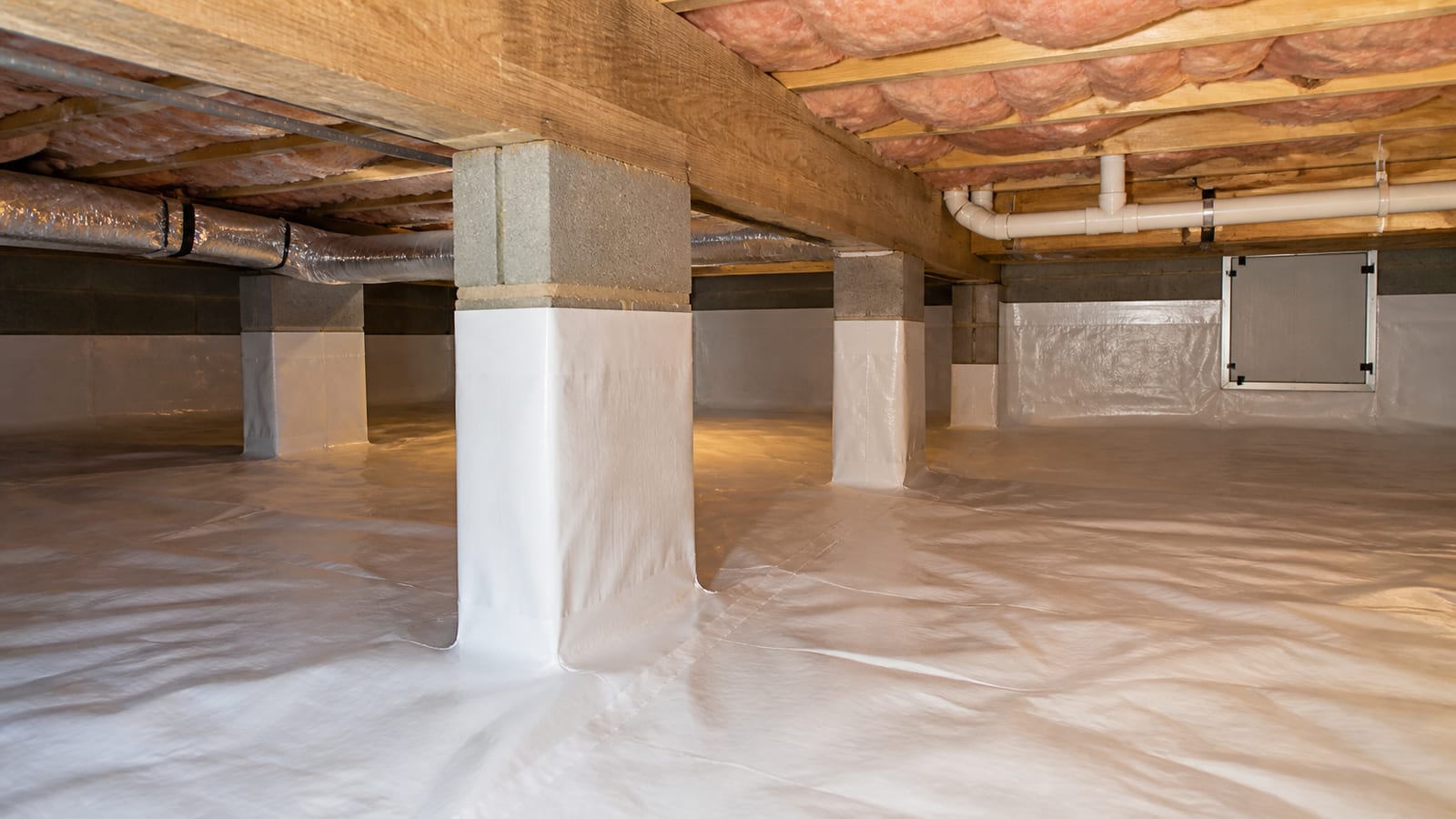
A complete proposal should separate water control, preparation, enclosure work, and humidity control. It should name each covered surface and planned seal. It should also show drainage needs, access details, equipment, exclusions, and service duties. A liner-only proposal does not equal a complete moisture-control scope.
Begin with the source of the moisture. Ask for photos of damp soil, stains, leaks, or wet framing. The NC State Extension moisture checklist shows why moisture sources need prompt care.
A full crawl space encapsulation scope may join several separate tasks. Each task should have its own proposal line:
- Standing water or drainage work
- Debris and damaged material removal
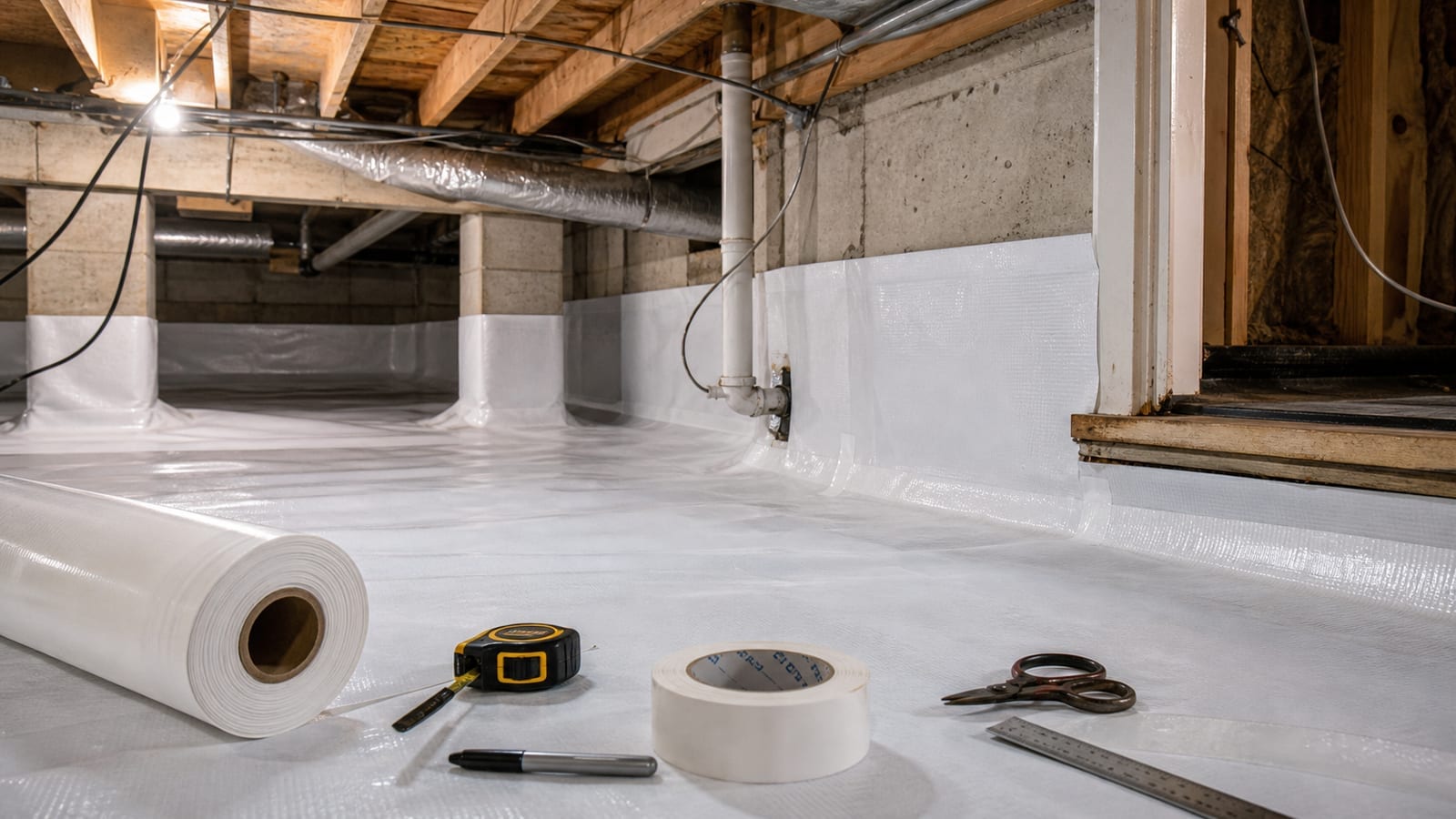
- Ground liner seams and edge fastening
- Wall and pier coverage
- Vent sealing and air sealing
- Door or hatch treatment
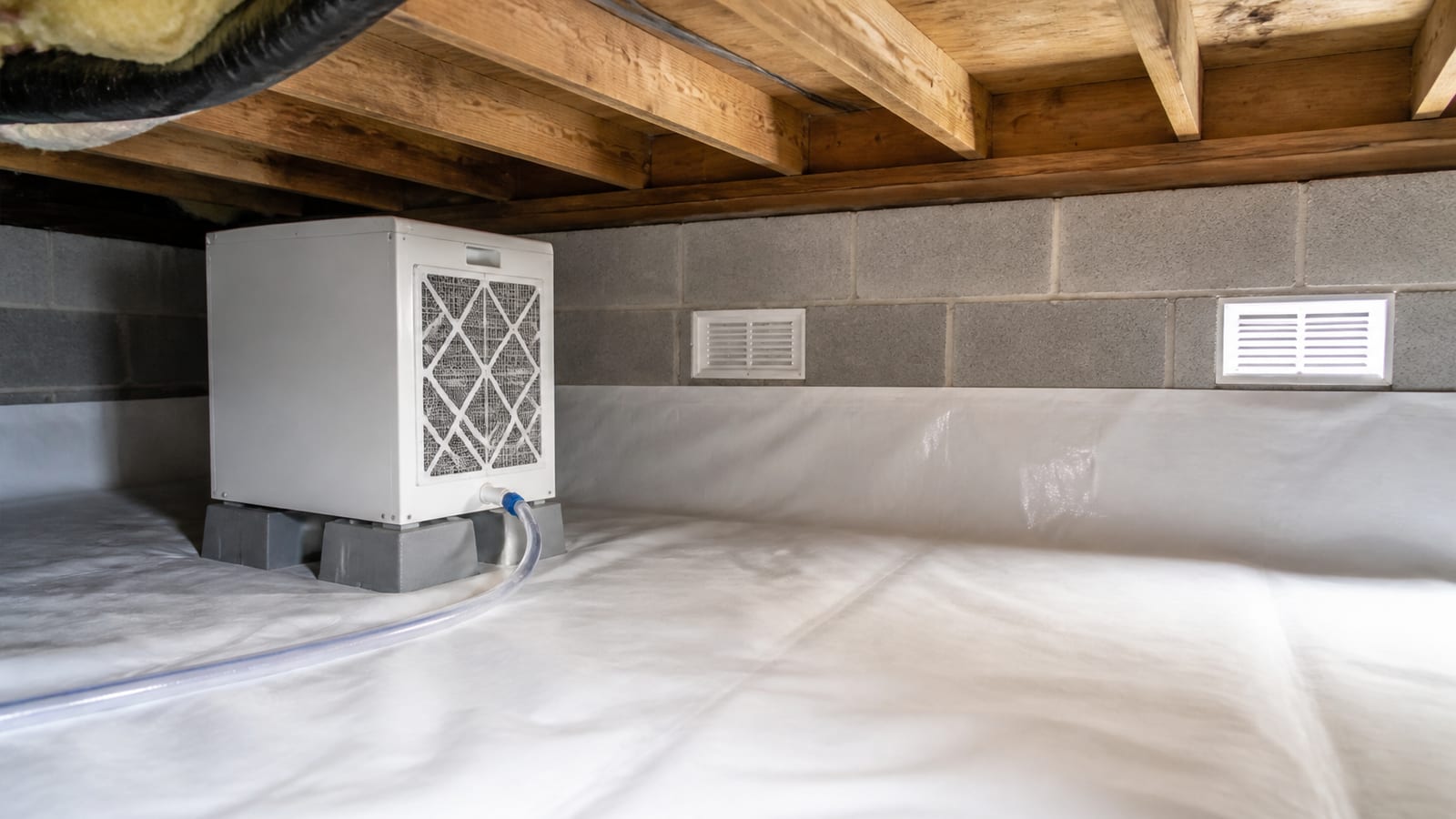
- Dehumidifier and drain planning
- Service paths near key systems
Ask how the crew will work around posts, pipes, wires, and ducts. The proposal should show where the liner starts and ends. It should name areas that cannot be sealed. It should also keep shutoffs, drains, and repair points within reach.
Sequence matters because a liner should not hide an active leak. Fix leaks and water entry before covering the ground. Remove debris or damaged material before installing the liner. Complete air sealing before setting the humidity plan. Ask who handles each stage and any work outside the scope.
What Is the Average Cost of Crawl Space Encapsulation?
An average price cannot show what your crawl space needs. Cost changes with size, access, water entry, debris, wall details, and humidity control. Compare measured written proposals instead of broad estimates. Each proposal should state quantities, included work, excluded work, and change-order rules.
A floor measurement is only one part of the quote. Wall height, piers, tight corners, and attached rooms add work. Low access may change the preparation and fastening plan. Existing liner or insulation removal can also change the scope.
Water conditions can create the largest differences between proposals. One company may assume the floor stays dry. Another may include drains, a pump plan, or soil work. Ask for photos or readings that support each added task.
Compare these details on one worksheet:
- Measured floor and wall areas
- Liner surfaces and seam plan
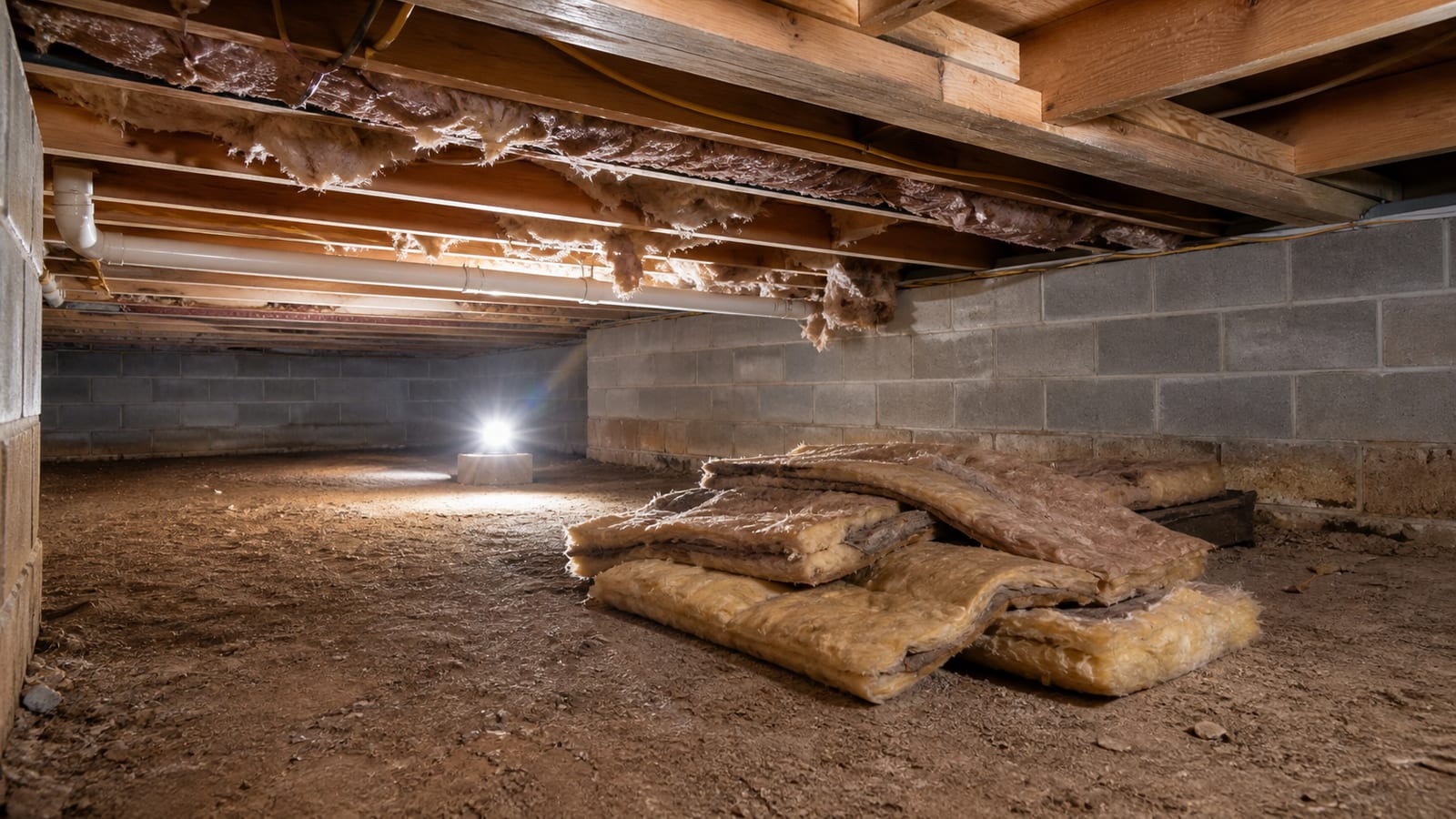
- Existing material removal
- Drainage and water-control work
- Vent sealing and air sealing
- Humidity equipment and drain route
- Electrical work or other exclusions
- Cleanup and future access
Do not compare totals until those columns match. A lower proposal may omit walls, piers, or sealed access. A higher proposal may include work that lacks clear support. Request a measured scope based on the inspection. It should list assumptions that could change the final work.
What Are the Negatives of Crawl Space Encapsulation?
Encapsulation can fail when it traps active water or hides needed repairs. Poor seams, weak fastening, blocked access, and unmanaged humidity can also cause problems. Equipment adds service needs. These risks support careful inspection and planning, rather than using a liner as the only moisture fix.
The main risk is covering signs without fixing their source. A pipe leak or wall seep can keep adding water. The liner may hold that water in a less visible place. Ask how each known water path will be stopped or drained.
Poor access planning creates another concern. Workers may need to reach shutoffs, drains, wires, ducts, and supports. Ask for clear service paths near those parts. Removable details may be useful near common repair points. The scope should assign repair duties after other trade work.
Mechanical equipment also needs a service plan. A dehumidifier needs power, drainage, filter access, and routine checks. The proposal should name who handles each task. It should explain how owners can spot a blocked drain. It should also note what to check after a power loss.
Termite viewing paths may affect wall coverage and liner placement. Ask how the plan keeps needed areas open for review. After installation, check seams, edges, drains, access points, and equipment clearance. Record open gaps or loose edges with clear photos. A clean look alone does not prove full moisture control.
Will Home Insurance Cover Crawl Space Encapsulation?
Home insurance does not automatically cover crawl space encapsulation. Coverage depends on the policy, damage cause, exclusions, and insurer findings. Ask your insurer before approving work. Request written claim instructions, then keep inspection photos, moisture records, estimates, and repair invoices for review.
Insurers may treat sudden damage differently from long-term moisture. Your policy and claim facts control that choice. An encapsulation company should not promise coverage or claim approval. Ask the insurer whether an adjuster must inspect first.
Call before work changes the crawl space scene. Ask which photos, reports, and invoices the insurer needs. Keep a simple claim file with these items:
- Wide and close photos before work
- Dates when water or damage appeared
- Plumbing or drainage findings
- Moisture readings with marked locations
- Written proposals with separate work lines
- Photos after each repair stage
- Paid invoices and service records
Keep records for each issue separate. A pipe repair may have a different cause than humid air. Drainage work may also differ from liner installation. Clear records help the insurer review each part. They also help you compare covered and uncovered work.
Do not delay safe steps that stop an active leak. First control flowing water when it is safe. Then confirm the insurer’s process before crews cover hidden areas. Base your final choice on the policy and written insurer guidance. Ask who must approve changes if new damage appears.
Is Crawl Space Encapsulation Worth the Money?
Encapsulation may be worthwhile when evidence shows steady ground moisture or humid air. Value depends on fixing water sources and building a complete enclosure. It also depends on upkeep and clear goals. A liner without drainage, sealing, or humidity planning may provide limited value.
Set a clear goal before comparing proposals. You may want drier framing or cleaner service access. You may also want more stable crawl space humidity. Each goal needs a simple way to check results.
Record the starting conditions before work begins. Take photos from the same fixed spots. Note damp areas, odors, stains, and standing water. Ask the inspector to mark each moisture reading by location. This record helps show whether the planned work fits the problem.
The federal Building America crawl space resource covers key parts of unvented crawl spaces. These parts include ground coverage, air sealing, and moisture control. The exact plan must still fit your home. Ask each bidder to link every task with observed evidence.
Drainage should address a known water path. Air sealing should list the openings crews will close. A crawl space dehumidifier plan should show its drain route. It should also set access for filters and controls. After work, check conditions during rain and humid weather. Value comes from steady control, usable access, and clear upkeep duties.
What Is the Lifespan of an Encapsulated Crawl Space?
There is no single lifespan for every encapsulated crawl space. Wear depends on water exposure, liner placement, fastening, foot traffic, pests, and later repairs. Dehumidifiers and drains need separate care. A written inspection plan helps owners find damage before small openings spread.
Ask the proposal to separate fixed materials from serviceable parts. Liners, tapes, drains, pumps, and dehumidifiers need different care. Avoid one broad lifespan claim for the whole system. Ask what signs would call for repair or service.
Access routes often receive the most wear. Workers may cross the liner to reach pipes or heating parts. Extra protection may help along planned service paths. Ask how future crews should enter and move through the space. Mark key shutoffs so workers can avoid needless foot traffic.
Set a simple check plan after installation:
- Inspect seams and wall edges
- Check the hatch and sealed vents
- Look for pooled water after storms
- Confirm drain lines stay open
- Check equipment filters and controls
- Record tears after other trade work
Assign responsibility for each check. Property managers should name a staff member or service provider. Homeowners should keep photos and service dates together. Ask how repairs will be priced and approved. Also ask who handles damage from plumbing or cable work. Clear boundaries help prevent small tears from being ignored.
Can I Encapsulate My Crawl Space Myself?
Some owners can place basic ground liner, but full encapsulation requires more planning. Water entry, wall details, wiring, drains, equipment, and tight access raise the risk. Hire suitable trades for work outside the enclosure scope. Structural design decisions require a structural engineer.
Start with a safety and access check. Tight spaces may contain sharp debris, pests, or wet wiring. Weak floors or supports may also be present. Stop if you cannot enter and leave the space safely. Do not disturb electrical parts or unknown damaged materials.
A do-it-yourself plan needs more than plastic on soil. Seams need stable support and careful sealing. Walls, piers, doors, vents, pipes, and wires need planned details. Water also needs a safe route away from the enclosure. Poor placement can block drains or needed service access.
Electrical, plumbing, and heating work may require the proper trade. An inspection may record cracks, stains, sagging, or damaged wood. Those notes are observations, not structural design advice. A structural engineer must make structural design and repair decisions. Carolina Encapsulation Company does not provide engineering decisions.
A professional proposal should still set clear responsibility boundaries. Ask who removes debris and old insulation. Ask who provides power, drains, and later liner repairs. Compare vapor barrier installation with a full enclosure scope. A basic barrier may not include wall sealing or humidity control. Choose only after the written scope matches the recorded conditions.
Frequently Asked Questions
What should a Cary crawl space inspection include?
The inspection should check access, standing water, stains, soil moisture, vents, and drains. It should also note pipes, wires, ducts, piers, and service routes. Ask for clear photos and marked moisture readings. The written proposal should link each proposed task with a recorded condition.
Does every crawl space need a dehumidifier?
No. The need depends on the enclosure plan and measured humidity. Ask why the equipment is proposed and where it will drain. The scope should show power needs, filter access, controls, and service duties. A dehumidifier should support the enclosure. It should not replace leak or drainage repairs.
Is liner thickness the best way to compare proposals?
Liner thickness matters, but it does not define the whole job. Compare seam treatment, wall fastening, pier details, edge sealing, and access protection. Check surface preparation and water control too. A thicker liner cannot fix an active leak, open vent, or poor drain plan.
How can I compare two crawl space quotes?
Place both scopes in matching columns. Compare measured areas, covered surfaces, preparation, drainage, sealing, equipment, cleanup, and exclusions. Mark every missing detail. Then ask each company to revise unclear lines. This check shows whether both totals cover the same work and service duties.
How should I prepare for a crawl space inspection?
Make sure the crawl space door is easy to reach. Share known leak dates and past repair records. Point out shutoffs, drains, and rooms above damp areas. Do not move unsafe debris yourself. Keep pets away from the access point during the scheduled inspection.
Does Carolina Encapsulation Company serve Cary, NC?
Carolina Encapsulation Company serves Fuquay-Varina and surrounding Triangle communities. Property owners in Cary can call to confirm current service availability. The company offers a free inspection. That visit can record visible conditions and support a written scope for the property.
A strong comparison starts with evidence, not liner size alone. Ask each company to show water paths and moisture readings. Check covered surfaces, exclusions, service access, and task order. The proposal should also state who handles each part.
If you are comparing crawl space encapsulation near me results in Cary, request a free inspection from Carolina Encapsulation Company. You may also call 704-207-9348. Please confirm current service availability by phone.
How this applies in Cary, NC
For homeowners in Cary, NC, use this topic as a way to organize observations before selecting work. Carolina Encapsulation Company serves Cary, NC and surrounding Triangle communities, but the appropriate scope still depends on the water, moisture, materials, access, and equipment found at the property. Compare the crawl space encapsulation with the How to Choose an Encapsulation Contractor in Fuquay-Varina, NC before choosing a property-specific next step.