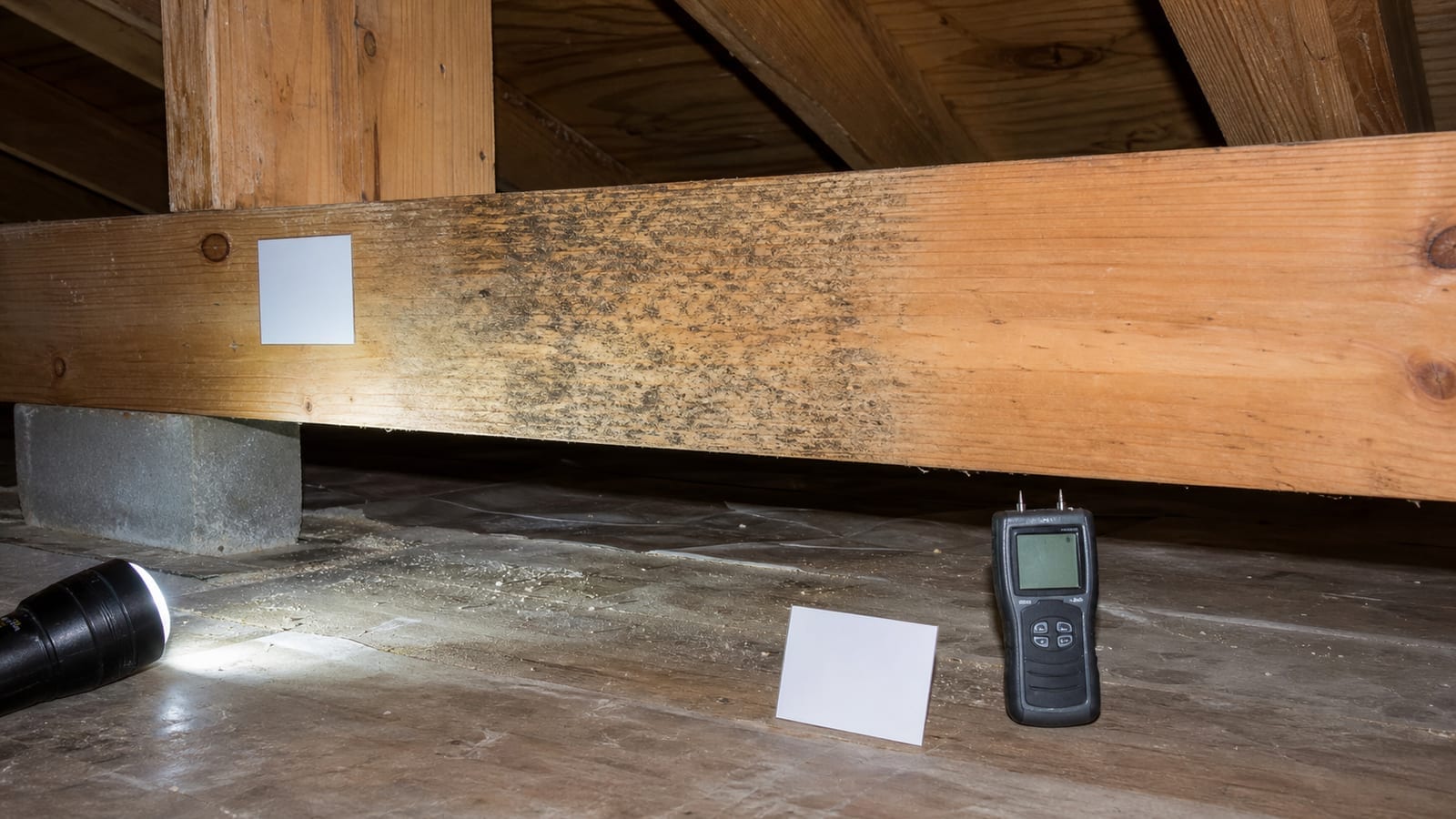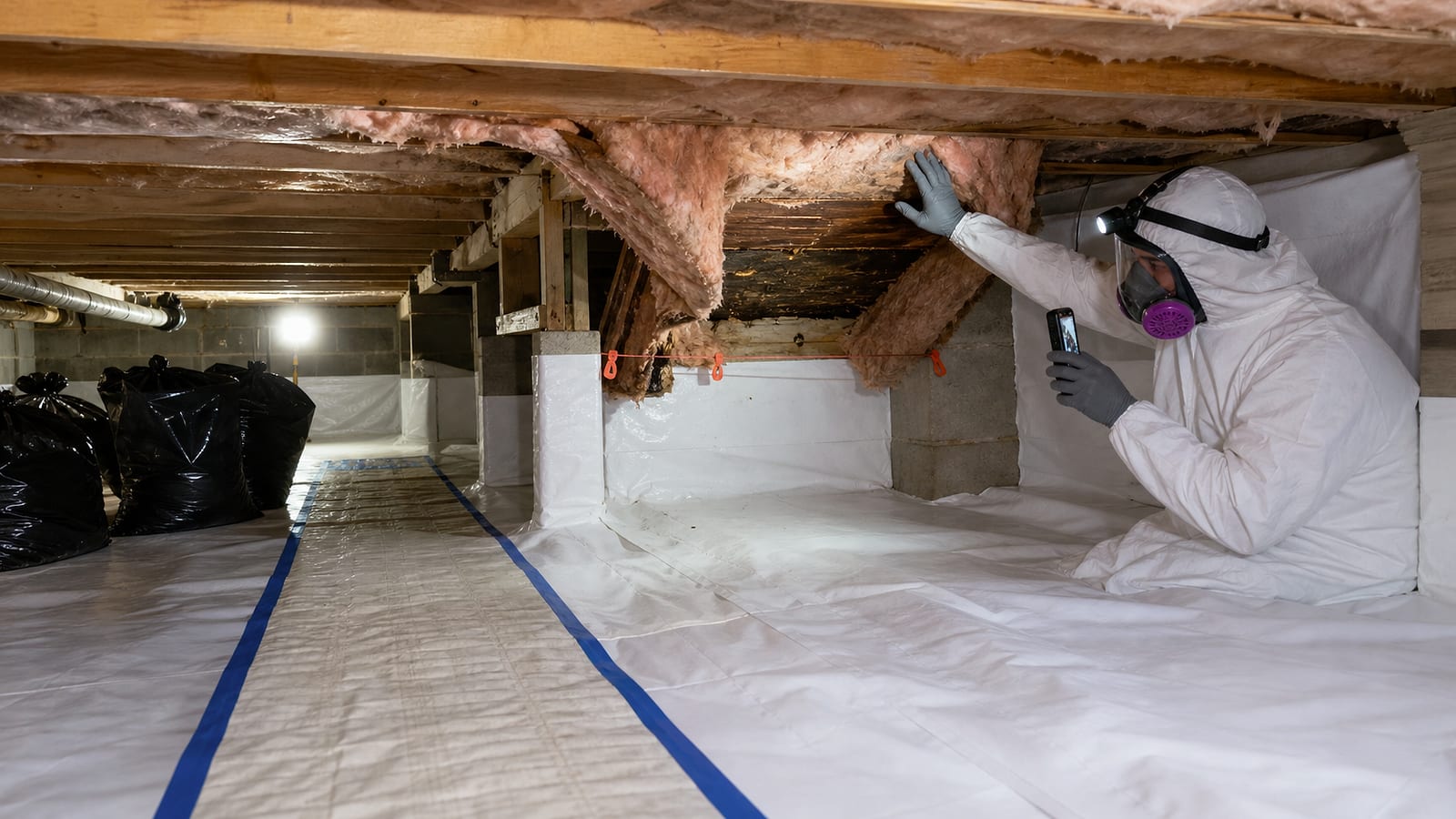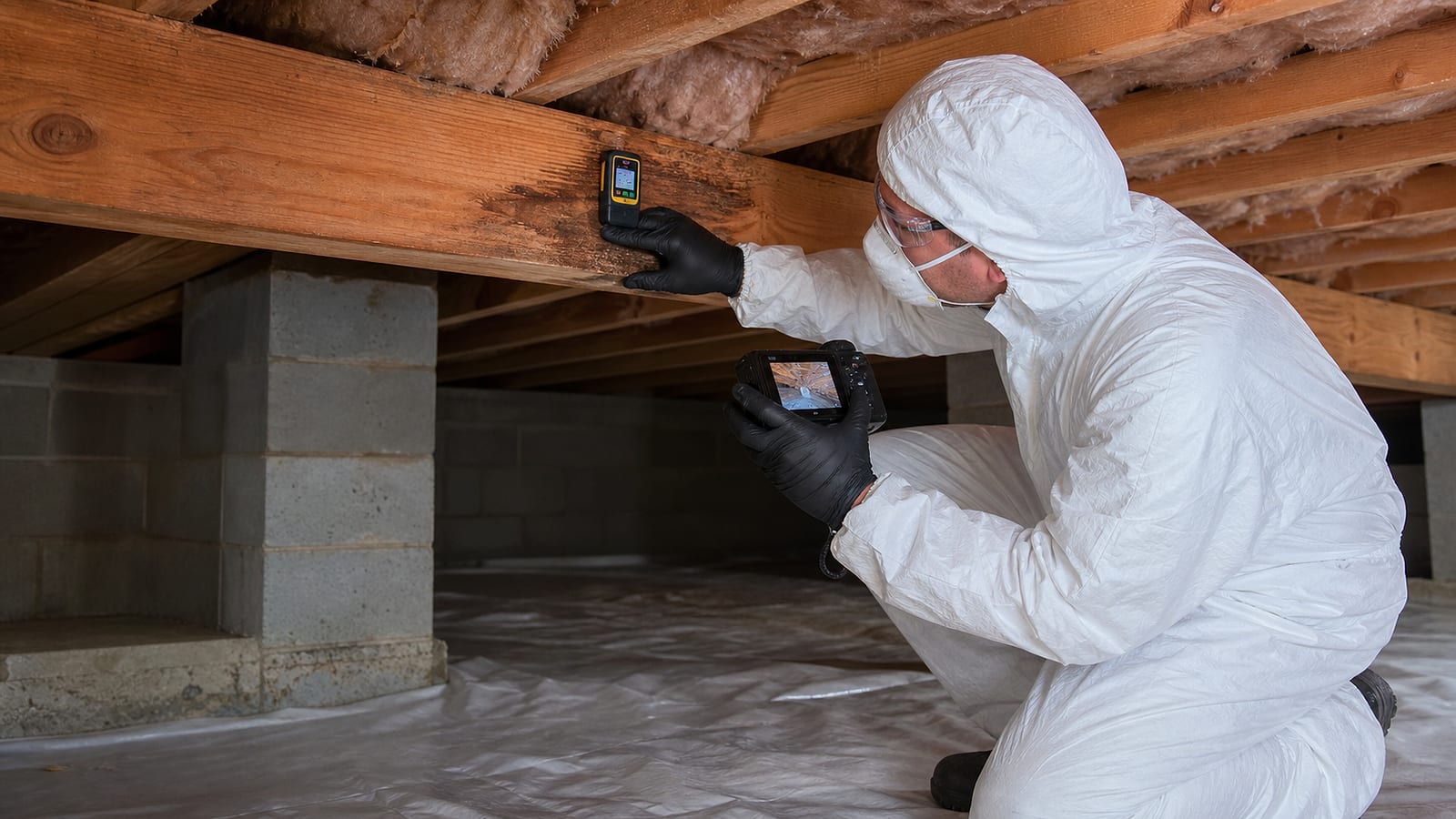
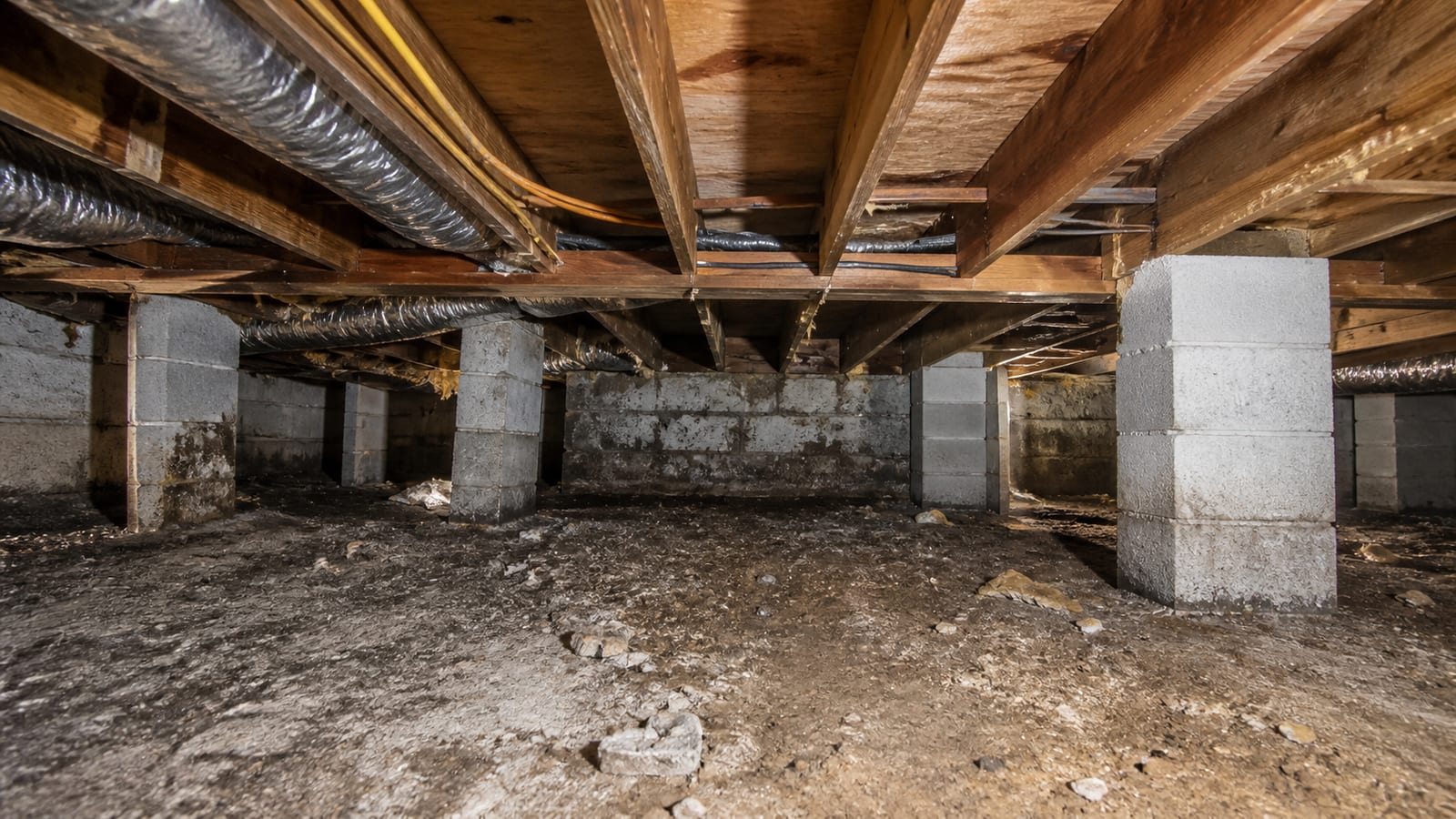
Crawl space mold remediation should happen before encapsulation when there is visible growth or affected material. For a Durham, NC, home or managed property, the work may involve several people. The owner approves the scope and budget. A crawl space contractor records visible conditions, plans the cleaning, and looks for moisture sources. Other specialists may be needed for plumbing leaks, electrical risks, damaged framing, or design choices.
Before work starts, the written scope should name each party’s duties. It should explain what the work includes and excludes. It should also state what records will show that the work is complete. A clear scope helps prevent gaps between mold cleaning, water control, structural repair, and encapsulation.
Carolina Encapsulation Company serves Fuquay-Varina and nearby Triangle communities. Service in Durham depends on current availability. An inspection can help show what is present and set the right order of work. That order is important in North Carolina’s warm and humid climate. Covering wet or damaged material can hide a problem instead of fixing it.
How Much Does Crawl Space Mold Remediation Cost in Durham?
Crawl space mold remediation cost depends on the affected area, access, moisture source, material condition, cleaning scope, and needed repairs. A reliable price requires an inspection and a measured written proposal. The proposal should separate mold cleaning, moisture control, structural work, debris removal, and encapsulation. This helps owners compare the same type of work.
Square footage alone does not define the job. A low or tight crawl space may take more time than an open space. Standing water, wet insulation, stored items, poor access, and active plumbing leaks can also affect the plan.
Material condition matters as well. Cleaning exposed joists is different from removing wet insulation. Replacing soft or damaged wood is a separate task. If the crew cannot reach some areas, the proposal should say so before work begins.
A useful proposal should show:
- Areas included in cleaning
- Materials planned for removal
- Moisture sources that need correction
- Access or utility limits
- Repairs priced as separate work
- Photos or records provided after completion
- Work that is not included
Ask how the contractor measured the affected area. The answer should match the written scope or inspection record. Also ask what conditions could lead to a change order. Hidden damage may only become clear after insulation or debris is removed. The proposal should explain how the contractor will report that finding and who may approve added work.
A broad allowance can make a proposal hard to compare. It may also leave the owner with surprise costs after work starts. A better scope divides the project into clear phases. For example, it can list cleaning, drying, repair, drainage, and liner work as separate items.
Carolina Encapsulation Company’s mold and fungal cleaning service can be one part of a larger moisture plan. Cleaning should not be grouped with unrelated work in a way that hides the scope.
Property managers should name the person who can approve changes. They should also state any spending limit. If owner approval is needed, that step should appear in the schedule. A measured proposal gives each person a clear point for review.
How Serious Is Mold in a Crawl Space?
Mold in a crawl space shows that moisture and organic material are supporting growth. How serious the condition is depends on its spread, the state of the materials, and whether moisture is still active. Owners should record the conditions, limit unsafe access, and correct the moisture source before covering the area.
Visible growth should not be judged by color alone. A dark stain does not show the full cause, age, or depth of a problem. The inspection should note where growth appears and whether nearby wood is soft or wet. It should also record whether water is entering at the time of the visit.
The inspection should review likely moisture paths. These may include plumbing leaks, poor drainage, open vents, exposed soil, damp insulation, duct concerns, or water near the foundation. Conditions can change after heavy rain, so the record should include the inspection date.
The EPA’s mold and moisture guidance states a key rule: moisture control is the key to mold control. North Carolina State Extension also provides a useful mold and moisture checklist. It helps property owners review leaks, damp areas, and indoor humidity.
Roles should be clear from the start. A crawl space contractor can report visible conditions and propose work within its scope. The owner or property manager approves access and cost. A plumber should handle plumbing faults. An electrician should address electrical risks.
Framing concerns may require a different level of review. A crawl space inspection can record wood that looks soft, split, displaced, or damaged. That observation is not an engineering design. If framing appears unable to carry its load, the owner may need advice from a structural engineer.
Managed properties need a clear reporting path. The project file should show who receives inspection findings and who can stop work. A crew may need to pause if it finds unsafe wiring, sewage, pests, major wood loss, or blocked access. Early notice keeps the cleaning crew from making choices outside its role.
How Do You Get Rid of Mold in a Crawl Space?
Getting rid of crawl space mold requires a set order. Stop the moisture source, remove material that cannot be kept, clean affected surfaces, dry the area, and verify the planned work. Encapsulation should follow only after the crawl space is ready. Painting, spraying, or covering visible growth without moisture control is not a complete plan.
Start with a clear inspection record. Photos should identify affected bays, piers, beams, joists, subfloor areas, and insulation. The record should also note leaks, standing water, drainage issues, and access limits.
Moisture readings can help show where air or wood remains damp. They can also support a later review. A reading is most useful when the location and date are recorded. A single number without context may not explain the full condition.
The cleaning scope should state whether it covers all exposed framing or only marked sections. It should also explain what happens if more growth is found after insulation or debris is removed. The owner should know whether that discovery requires a new price, added approval, or a pause in work.
A practical sequence is:
- Approve access and protect occupied areas.
- Correct active leaks or water entry.
- Remove debris and materials listed in the scope.
- Clean affected surfaces with the stated process.
- Allow wet materials to dry.
- Complete approved repairs.
- Record completion before encapsulation.
Owners should ask what proof they will receive. Records may include dated photos, moisture readings, removal notes, and a list of areas that could not be reached. The final file should also show any work that remains open.
Some owners, insurers, lenders, or management policies may require independent testing. If so, arrange that service before cleaning begins. The parties should agree on who takes samples, who reviews the results, and when work may continue. A cleaning contractor should not replace an independent approval step when one is required.
Cleaning and structural repair are different tasks. Mold cleaning does not restore wood that has lost strength. Damaged joists, beams, or subfloor sections may need a separate joist, beam, and subfloor repair scope. Approved repairs should occur before a liner blocks easy access.
Will Homeowners Insurance Cover Mold in a Crawl Space?
Coverage depends on the policy, the moisture cause, exclusions, limits, and the facts of the claim. Do not assume crawl space mold work is covered. Contact the insurer before starting work that is not urgent. Ask what records are needed and whether cleaning, repairs, water control, and encapsulation are treated as separate items.
The property owner is responsible for opening the claim and getting coverage answers. A contractor can provide photos, an inspection record, and a proposed scope. The contractor should not promise that an insurer will pay.
The insurer may ask when the condition was found and what caused it. It may also ask what steps were taken to limit more damage. Keep dates, photos, estimates, invoices, and messages in one file. Clear records make it easier to show what happened and when.
Ask the carrier or adjuster direct questions:
- Is an inspection required before removal starts?
- May the owner stop active water before a claim decision?
- Is mold cleaning reviewed apart from leak repair?
- Is damaged wood handled as a separate item?
- Are samples, photos, or outside reports required?
- Who may approve a change in scope?
Some water-control or safety steps may be urgent. Those steps may not wait for a full claim review. When it is safe, record the conditions before material is removed. Keep removed items only if the insurer asks for them and they can be stored safely.
Property managers have another approval layer. The management agreement may limit who can order work or approve added costs. The owner, manager, tenant, contractor, and insurer should know who controls access and communication.
If coverage is denied or limited, the owner still decides whether to proceed. That choice should be based on the moisture condition and written repair plan. It should not rely on an assumption about insurance payment.
Does Crawl Space Encapsulation Cause Mold?
Properly planned encapsulation is meant to reduce soil vapor and ground moisture. It is not meant to cause mold. Problems can develop when wet material, active leaks, existing growth, or poor drainage are sealed inside. Those conditions should be addressed first. The plan should also cover humidity control, drainage, access, and future care.
Encapsulation changes the crawl space environment. A ground liner and sealed openings can reduce damp outdoor air and soil vapor. However, a liner cannot repair a plumbing leak. It cannot restore damaged wood or dry material that remains wet.
If the crawl space is closed too soon, moisture may stay in the area or return. For that reason, the pre-encapsulation record should show that planned cleaning and repairs are complete. It should note wood moisture, standing water, drainage paths, duct conditions, and active leaks.
Ask how humidity will be managed after the space is sealed. The proposal should explain the planned system and any owner duties. It should also show where future readings can be taken without removing large parts of the liner.
Service access is another key issue. Plumbers, heating and cooling technicians, pest firms, and inspectors may need to enter the crawl space later. The layout should keep shutoffs, cleanouts, equipment, piers, drains, and key framing within reach.
The proposal should also state who repairs the liner if another trade cuts, lifts, or moves it. Without a clear rule, later service work can damage seams or leave exposed soil.
Owners should keep the final photos and system notes. Future workers may need to know where drains, seams, and service routes are located. Larger rental or commercial sites may benefit from a commercial crawl space plan. That plan can name the person who approves entry and records damage. Encapsulation works best as a managed moisture system rather than a cover over an open problem.
How Should You Prep a Crawl Space for Encapsulation?
Prepare a crawl space by clearing access, fixing active water sources, and removing listed debris or damaged material. Complete approved mold cleaning and address structural concerns. The owner should approve the order before work begins. Final preparation should preserve safe access to utilities, drains, supports, and areas that need later inspection.
Start with the entry route. Remove stored items that block access. Identify doors, gates, alarms, pets, parking limits, and tenant notice needs. The contractor should state whether old insulation, liner material, or loose debris will be removed. Disposal should not be assumed if it is absent from the scope.
For managed sites, write down who provides keys and who may enter occupied areas. Notice rules should be clear before crews arrive. The project contact should also know how workers will report blocked or unsafe access.
Next, assign repair duties. Active plumbing leaks should go to the proper trade. Drainage concerns should be part of the water-control plan. Electrical issues should be reviewed by a qualified electrician.
Damaged framing may require a separate crawl space structural repair proposal. Carolina Encapsulation Company may report visible wood concerns. That report is not an engineering design. If the work involves loads, major changes, or structural design, the owner should seek the needed advice from a structural engineer.
Some structural, electrical, mechanical, or plumbing work may require permits. Rules depend on the work and the local authority. Owners can review the North Carolina OSFM permits and inspections information. They should also confirm project needs with the local inspection office. Do not assume that every encapsulation needs a permit. Do not assume that related repair work is exempt.
Use a hold point before liner work begins. A hold point is a planned pause for review. The owner or manager can check photos, moisture records, repair status, and exclusions. This is also the time to confirm that access routes remain open.
Once the named person approves the record, encapsulation can proceed. This step reduces the chance that unfinished work will be hidden beneath a liner.
How Long Does Mold Remediation Take in a Crawl Space?
The schedule depends on access, the affected area, material removal, drying, repairs, and outside approvals. A contractor should provide a planned sequence rather than a fixed promise before inspection. Weather, hidden damage, utility risks, claim reviews, or added repairs can delay encapsulation.
A useful schedule separates work time from waiting time. Cleaning may be only one phase. The crawl space may also need leak repair, drainage work, drying, wood repair, owner review, or an insurer’s inspection.
Each step should have a named party. For example, the plumber may need to stop a leak before cleaning starts. The owner may need to approve hidden wood repair. An insurer may ask to view the site before damaged material is removed. If no one owns the next decision, the site may remain unfinished.
The written schedule should list key milestones:
- Initial condition record
- Owner approval and access date
- Leak or water-control work
- Removal and cleaning
- Drying and moisture check
- Structural repair, if approved
- Completion record
- Encapsulation release
Ask what can stop the job. Common pause points include sewage, unsafe wiring, pests, blocked access, hidden wood damage, and water that returns after rain. The contractor should stop only the affected task when practical. The finding should then be reported to the named contact.
Added work should be written and approved. Verbal assumptions can create disputes about cost, timing, and responsibility. A change record should state what was found, what work is proposed, and whether the schedule will change.
Property managers should plan tenant and vendor notices around milestones rather than a guessed finish date. They should also set a deadline for owner decisions. A short delay in approval can affect later work, even when the cleaning phase is complete.
At the end, collect photos, readings, and notes about exclusions. If part of the crawl space could not be reached, keep that fact in the property file. A clear record helps the next contractor or inspector understand what was done and what still needs attention.
Frequently Asked Questions
Who should be responsible for mold work before encapsulation?
The property owner approves the work and budget. The crawl space contractor should inspect visible conditions, define its cleaning scope, and report issues outside that scope. Plumbers, electricians, pest firms, and repair specialists handle work within their trades. A structural engineer may be needed for design choices. Property managers should put access rules and approval authority in writing.
Is mold testing always required before crawl space cleaning?
Testing is not always the first step when visible growth and moisture are clear. It may be useful when the source is disputed. An insurer, lender, owner, or management policy may also require an independent report. Decide who will collect samples and review the results before cleaning starts. Keep that role separate from routine visual notes in the contractor’s scope.
Can encapsulation be installed over visible mold?
Visible growth should not simply be covered. First address active moisture, material marked for removal, planned cleaning, drying, and needed repair. Covering framing may reduce future access and hide unfinished work. Ask for a photo record and an approval point before liner installation. The final scope should list excluded or unreachable areas.
What should a crawl space mold proposal include?
The proposal should identify affected areas, access limits, planned removal, cleaning steps, moisture controls, repair needs, and exclusions. It should state what records the owner will receive and what may trigger added work. Mold cleaning, structural repair, and encapsulation should appear as separate tasks. This makes proposals easier to compare and shows who must approve changes.
How can owners protect access after encapsulation?
Plan service routes before the liner is installed. Keep shutoffs, drains, equipment, piers, and key framing within reach. Record seam and drainage locations with photos. Tell future vendors how entry is managed and who may move the liner. The owner should also decide who is responsible if a plumber, pest firm, or other trade damages the sealed area.
Does Carolina Encapsulation Company inspect properties outside Fuquay-Varina?
Carolina Encapsulation Company serves Fuquay-Varina and surrounding Triangle communities. Service may extend to Durham, Raleigh, Cary, Apex, Holly Springs, Garner, Chapel Hill, and nearby areas. Availability varies by location and schedule, so confirm it by phone. A free inspection can help define visible conditions, scope limits, work order, and next steps.
A sound crawl space plan assigns each task before cleaning starts. It shows who corrects water entry, who approves removal, who handles repairs, and who releases the space for encapsulation. It also keeps photos, moisture records, exclusions, and access notes in the property file.
Carolina Encapsulation Company, owned by Benji Holiday, serves Fuquay-Varina and surrounding Triangle communities. To discuss crawl space mold remediation in Durham, NC, or a nearby service area, request a free inspection or call 704-207-9348. Please confirm current availability by phone.
How this applies in Durham, NC
For homeowners in Durham, NC, use this topic as a way to organize observations before selecting work. Carolina Encapsulation Company serves Durham, NC and surrounding Triangle communities, but the appropriate scope still depends on the water, moisture, materials, access, and equipment found at the property. Compare the crawl space mold fungal cleaning with the Durham, NC crawl space service area before choosing a property-specific next step.