A crawl space mold remediation scope should cover more than visible growth. It should record moisture sources, affected areas, and access limits. It should also name who approves each task.
These details matter in Durham, NC. The Triangle stays warm and humid much of the year. Wet soil, open vents, leaks, and poor drainage can add moisture.
A clear scope helps owners compare proposals on equal terms. It keeps mold cleaning apart from wood repair. It also separates both tasks from long-term moisture control.
Those lines matter when several firms share the work. They also help property managers track owner approvals. No one should guess who handles a new issue.
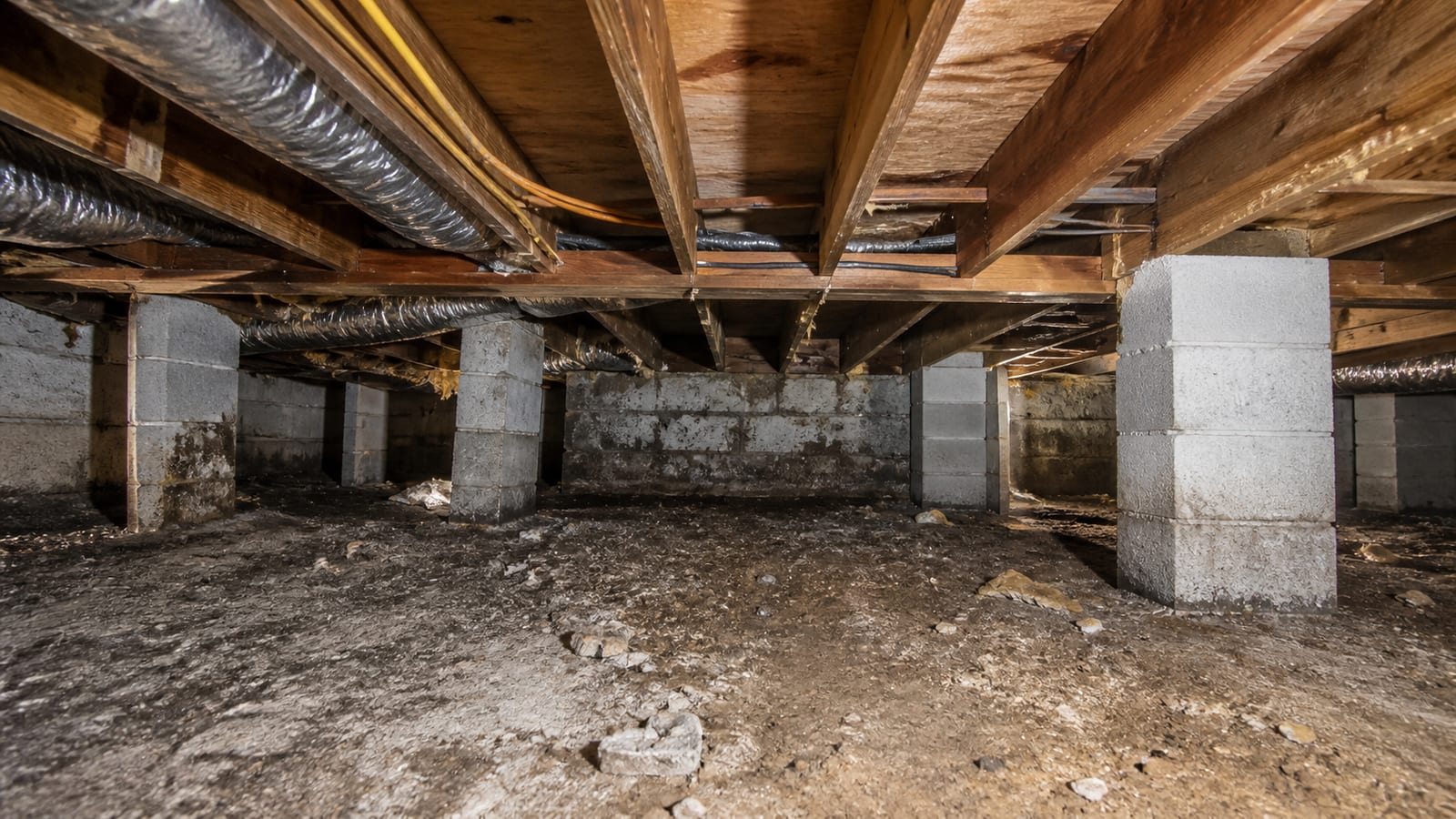
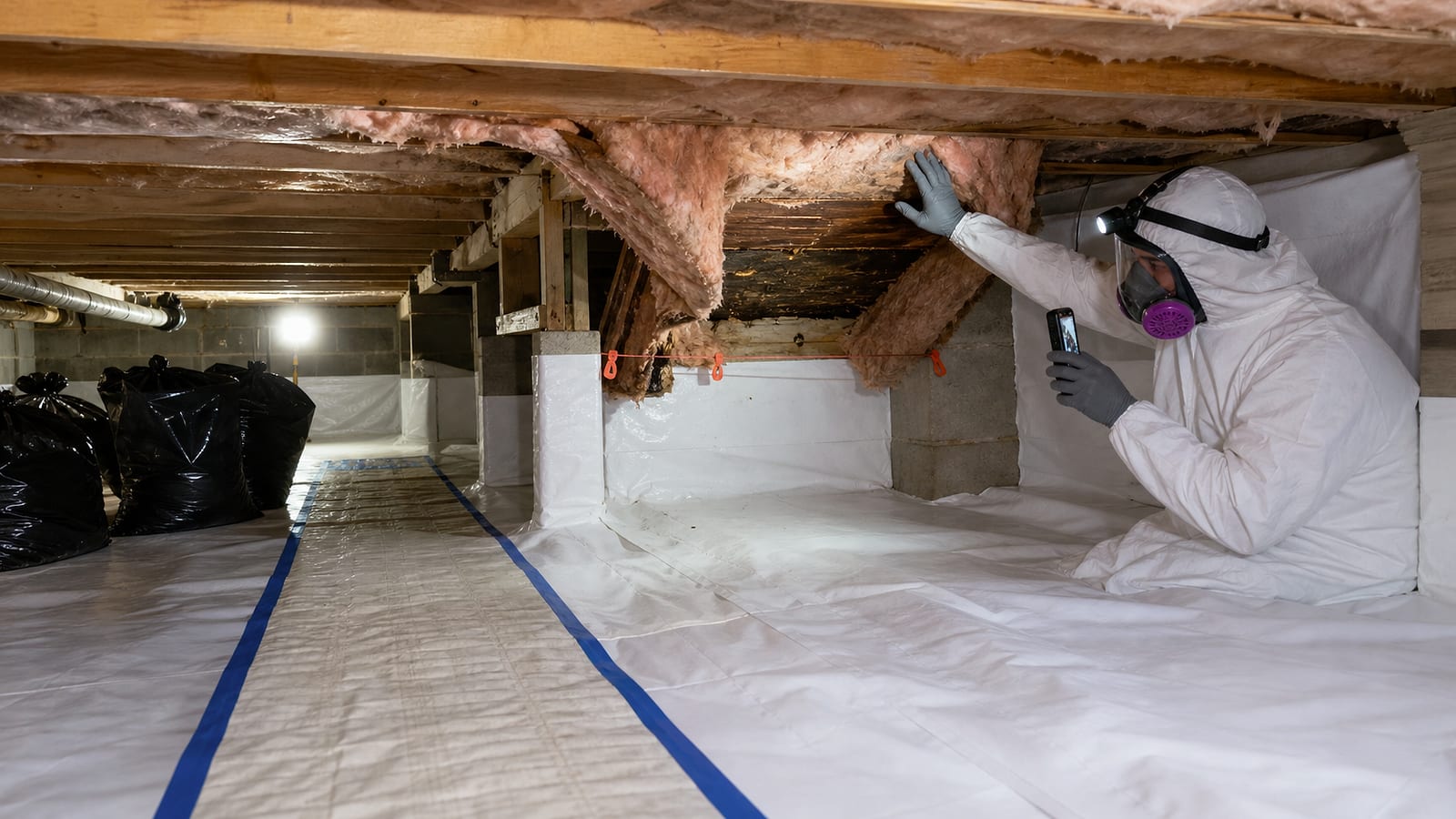
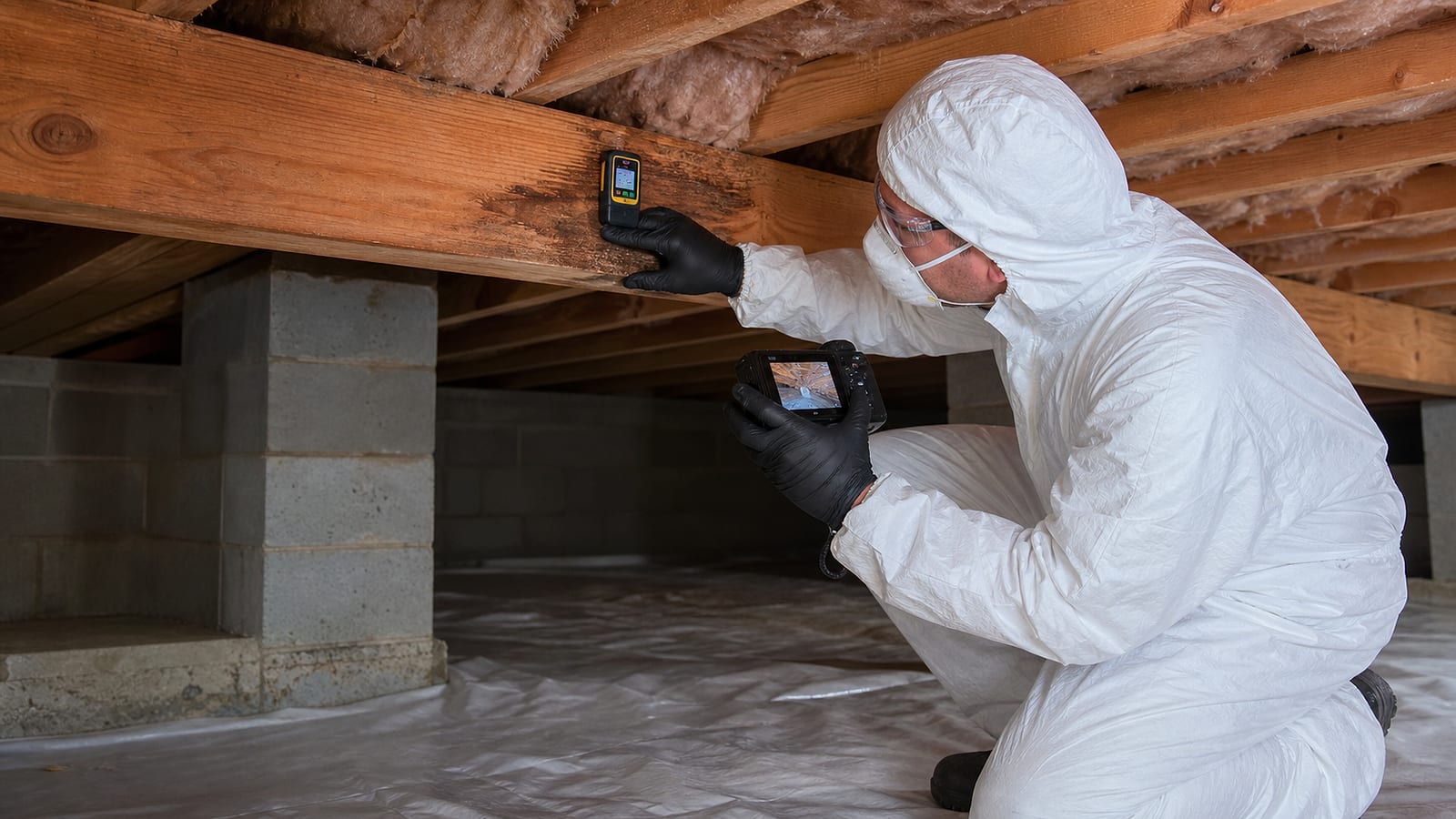
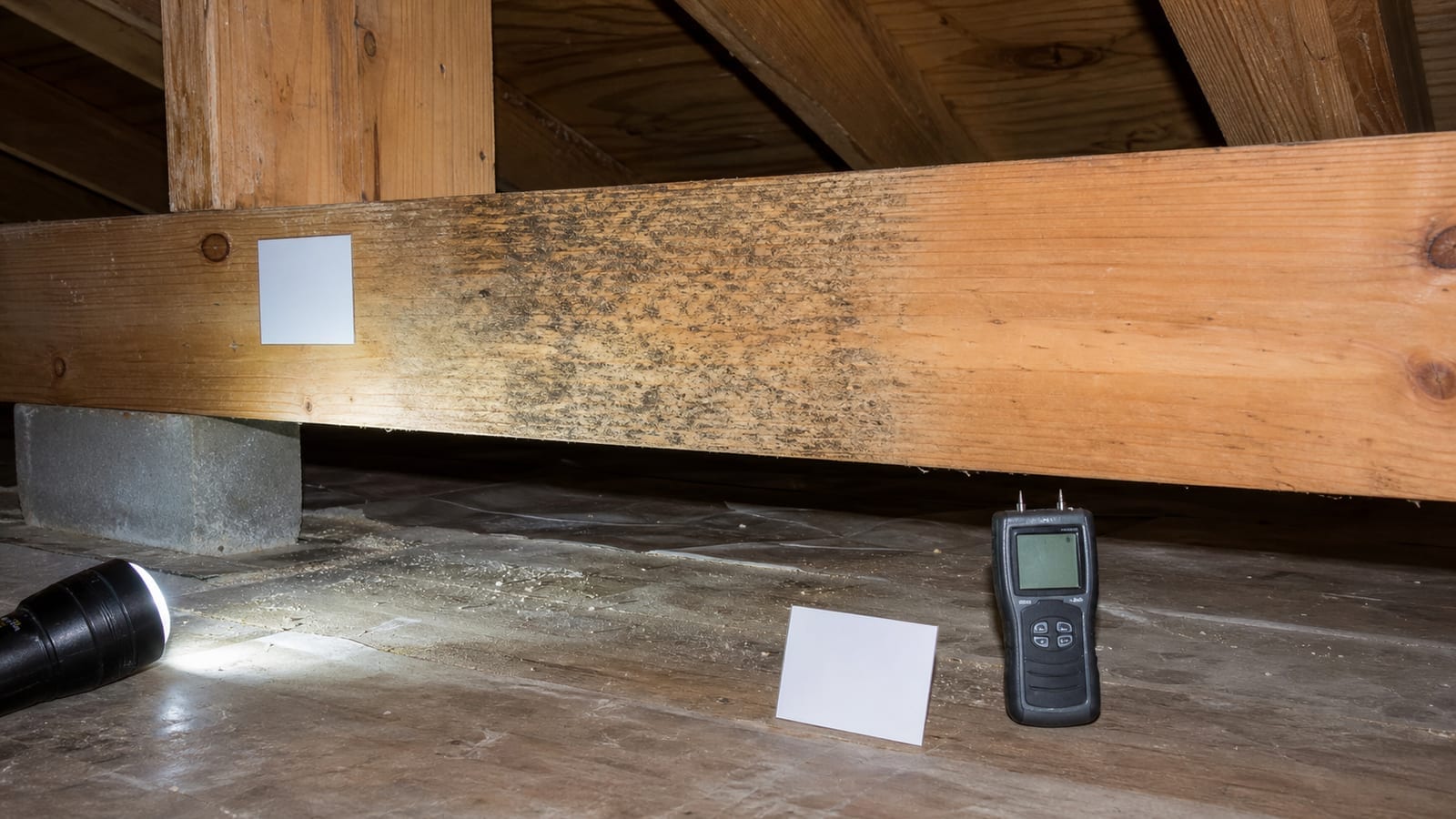
The inspection should show visible facts and known limits. Photos, moisture readings, and a simple sketch support that record. Hidden areas should remain marked as unknown until opened.
The scope should also set the work order. It should explain when cleaning, repairs, and moisture controls occur. For contractor roles, read who handles crawl space mold remediation before encapsulation.
How Much Does Crawl Space Mold Remediation Cost in Durham?
Cost depends on measured work, not one standard rate. Main factors include affected area, access, moisture sources, and wood condition. Debris and insulation can change the plan. Ask for a measured proposal. It should separate cleaning, repairs, moisture control, and optional work.
Begin with a measured map of the full crawl space. Mark visible growth, stains, damp zones, and blocked framing bays. Use wide photos for locations and close photos for surface details.
Next, record why the area may stay damp. The scope should name known leaks, open vents, and drainage faults. Unknown causes should remain open items, not firm claims.
Also note the crawl height and hatch size. These facts can change labor and removal steps. The proposal should state whether moving stored items is included.
A useful proposal should list:
- Surfaces included in the cleaning work
- The measured size of each affected area
- Bays blocked by ducts, pipes, or stored items
- Floor insulation removal and replacement limits
- Debris removal and disposal duties
- Separate prices for wood repair work
- Separate steps for drying and moisture control
- Final checks used to accept the work
Each proposal should use the same base facts. A lower total may leave out insulation, debris, or hidden bays. Ask whether added work needs written approval.
Structural tasks should remain on separate lines. Review crawl space structural repair when damaged wood appears. The scope should name who can approve repairs.
How Serious Is Mold in a Durham Crawl Space?
Seriousness depends on moisture, spread, wood condition, and building use. A small patch may point to a larger moisture fault. Wide growth can also hide weak framing. The scope should record visible evidence, access limits, and clear reasons for further review.
Start by recording visible conditions without guessing about hidden damage. Note stains, soft wood, sagging, splits, and failed supports. Moisture readings can show where closer checks are needed.
The scope should place concerns into clear work groups. Mold cleaning covers listed surfaces and debris. Wood repair covers parts with decay, damage, or lost strength.
Signs that may require escalation include:
- Soft or crumbling floor joists
- Split beams or weak bearing points
- Floors that sag or feel uneven
- Supports that lean or lack firm contact
- Long spans carrying added loads
- Damage hidden behind fixed ducts
- Subfloor areas with visible decay
An inspection can record these signs. It cannot provide structural design or make engineering decisions. The owner must arrange engineering help when design choices require it.
The scope should also name each decision point. Workers need clear stop-work rules when hidden damage appears. Owners need photos before they approve added tasks.
For repair boundaries, see joist, beam, and subfloor repair. The proposal should state who checks newly opened areas. It should also keep mold work separate from structural work.
Will Homeowners Insurance Cover Mold in a Crawl Space?
Coverage depends on the policy, loss cause, exclusions, and claim facts. A contractor should never promise that insurance will pay. Contact the insurer before work changes visible evidence. Ask which photos, reports, estimates, notices, or approvals the insurer needs. Keep that request in writing.
Record conditions before cleaning or debris removal starts. Keep dated photos, moisture readings, leak records, and inspection notes. The insurer may want notice before visible evidence changes.
The proposal should not call work covered or excluded. Instead, it should split tasks by purpose and trade. Cleaning, plumbing, drainage, repairs, and encapsulation are separate tasks.
The owner or manager should confirm:
- Who reports the possible loss
- Who opens and manages the claim
- Whether the insurer wants an inspection
- Which records must remain available
- Who can approve scope changes
- Who pays for work the policy excludes
- Whether damaged items must be saved
Managed properties need clear approval lines. The manager should record owner limits and notice duties. Added work should never depend on a verbal guess.
Ask the insurer how urgent water control should proceed. Active leaks may need prompt action despite an open review. Keep receipts and photos for any approved steps.
Place all requested scope changes in writing. The new version should show added and removed tasks. It should also show schedule and access changes.
Can Crawl Space Mold Be Fixed Before Encapsulation?
Yes, crawl space mold can be addressed with a sound moisture plan. Cleaning alone will not fix an active water source. The scope should stop moisture and clean listed surfaces. It should also address damaged wood before approved encapsulation work begins.
The EPA mold and moisture guide connects mold control with moisture control. That basic rule should shape every work scope. Damp conditions can return while the source remains active.
Work often starts with safe access and debris removal. Known leaks or drainage faults need assigned fixes. The plan should name who handles each moisture source.
A practical work order may include:
- Confirm access, power, and utility needs.
- Record current moisture and visible growth.
- Correct known leaks or drainage faults.
- Remove listed debris or floor insulation.
- Complete mold and fungal cleaning.
- Review and repair approved wood damage.
- Add the planned moisture control system.
- Record completed work with final photos.
Some stains may remain after proper surface cleaning. The scope should explain how completed areas get checked. It should not promise that every dark mark will vanish.
Encapsulation should not hide open leaks or weak framing. The owner should approve listed repairs before those areas get covered. Photos can keep a record of hidden work.
Future access also needs a plan. Valves, drains, wiring, supports, and service points should stay reachable. The final scope should show each needed access point.
How Long Does Mold Remediation Take in a Crawl Space?
Timing depends on access, area size, moisture, debris, and repair needs. Owner approvals can also change the schedule. A useful scope lists work phases instead of one fixed duration. It should show which tasks must finish before later work starts.
The first phase covers inspection and scope review. Owners should settle exclusions and access questions before work starts. Property managers may also need written owner approval.
Site work can pause after workers find hidden damage. Active leaks can also stop cleaning or covering work. The scope should name who receives those notices.
Useful schedule points include:
- The planned access date and entry route
- Key, gate, lock, and alarm control
- Utility needs before work begins
- Debris and insulation removal phases
- Cleaning and surface review phases
- Wood repair review and approval points
- Moisture control and covering phases
- Final photos and owner acceptance
A crawl space may need time to dry. That need depends on current moisture and planned materials. The proposal should avoid firm promises without measured facts.
The scope should explain added-work requests. It should state who sends photos and revised terms. Work should resume only after the required approval.
Ask how missed access affects the schedule. Stored items, pets, locked gates, or blocked hatches can cause delays. Clear owner duties help preserve the planned order.
Can You Stay Home During Crawl Space Mold Remediation?
Many owners may remain home, but the scope should address that choice. Access, work zones, building use, and personal concerns can affect it. Ask where workers will enter and how dust gets limited. Follow all agreed site rules during the work.
Crawl space access may sit inside or outside the building. An indoor hatch can affect a closet or utility room. The scope should mark the route and nearby protected areas.
Containment means a barrier that helps limit dust movement. The plan should state where such barriers are needed. It should also name rooms that must stay clear.
Before work starts, confirm:
- Worker entry and exit routes
- Parking, gate, and key access
- Limits for children and pets
- Alarm, lock, and notice steps
- Water and power access needs
- Indoor hatch protection needs
- Daily cleanup and closing duties
- The contact for urgent site choices
Commercial and managed sites need added notice. Review the commercial service process when several occupants share the property. The manager should name one contact for site decisions.
The scope should address noise and indoor access. It should also explain any temporary room limits. Occupants can then plan around the listed work phases.
People with health concerns should contact their care provider. A contractor can explain the planned work zone. That explanation cannot replace personal medical advice.
Can Black Mold in a Crawl Space Really Be Remediated?
Dark growth can be cleaned within a sound mold and moisture plan. Color alone does not define the full work scope. Inspectors should record location, area, moisture, and material condition. Testing duties, cleaning limits, and acceptance steps need approval before work starts.
A visual label should not control the full proposal. Many types of growth can look dark below a home. The scope should focus on materials, moisture, spread, and damage.
The NC State Extension mold and moisture checklist offers useful moisture checks. It covers leaks, drainage, vents, and indoor signs. Those findings can support a clear work plan.
Testing should always have a stated purpose. The scope should name the question that testing must answer. It should also name who orders and reviews testing.
Useful acceptance steps include:
- Complete all listed cleaning areas
- Remove agreed debris and loose materials
- Assign each known moisture source
- Photograph repairs before covering them
- Keep service and access panels usable
- Record areas that workers could not reach
- Record tasks declined by the owner
- Note any remaining stains or open items
The final check should use the approved scope. It should not rely on color alone. Photos should match each listed work area.
The owner should receive a clear record. That record helps later crews understand covered repairs and open limits. It also reduces disputes about excluded work.
Frequently Asked Questions
Can you put DampRid in a crawl space?
DampRid is not a full crawl space moisture plan. Moisture may keep entering through soil, vents, drainage faults, or leaks. Small moisture products do not fix those sources. Ask an inspector to record damp areas and drainage conditions. The work scope should match controls to the source.
Is mold testing always needed before crawl space work?
Testing is not always needed for a cleaning scope. Visible growth and moisture may provide enough facts for planned work. Testing can help answer a clear and specific question. The scope should state that question first. It should also name who selects the tester and reviews results.
Should encapsulation happen before mold cleaning?
Cleaning and approved repairs should occur before affected areas get covered. Active leaks also need an assigned fix. New materials could otherwise hide open moisture or wood problems. The scope should show the full work order. It should include a review point before liners limit access.
What exclusions should appear in a mold remediation scope?
Common exclusions include plumbing, wiring, ducts, drainage, testing, and hidden framing. Stored items may also fall outside the work. The proposal should list each exclusion in plain words. It should name who handles that task. Open items need approval before later work covers them.
How should future crawl space access be protected?
The final plan should keep key systems within reach. These include valves, drains, supports, wiring, and service panels. Access doors should remain clear and usable. Ask how liners or insulation will affect service routes. Final photos can record covered repairs and future check points.
How can owners compare two crawl space mold proposals?
Compare measured areas, included surfaces, access plans, and debris limits. Check each proposal’s repair lines and moisture steps. One total may be lower because key tasks are missing. Ask both firms to mark exclusions and added-work rules. Compare the same work, not only the totals.
A useful mold scope should leave few roles unclear. It should show evidence, access, exclusions, approvals, and work order. Cleaning, wood repair, and moisture control need separate lines.
Carolina Encapsulation Company serves Fuquay-Varina and surrounding Triangle communities. Service availability in Durham must be confirmed by phone. Owner Benji Holiday and the team can review visible crawl space conditions.
Request a free inspection or call 704-207-9348. Ask for a measured proposal before approving crawl space mold remediation.
How this applies in Durham, NC
For homeowners in Durham, NC, use this topic as a way to organize observations before selecting work. Carolina Encapsulation Company serves Durham, NC and surrounding Triangle communities, but the appropriate scope still depends on the water, moisture, materials, access, and equipment found at the property. Compare the crawl space mold fungal cleaning with the Who Handles Crawl Space Mold Remediation Before Encapsulation in Durham, NC? before choosing a property-specific next step.