Searching for crawl space repair near me in Raleigh, NC, can produce several proposals that seem similar at first. The real differences often appear in the written scope. One company may address standing water. Another may include fungal cleaning, damaged wood, drainage, or encapsulation.
Before hiring, ask each company to show what it found and what it plans to fix. The proposal should name exclusions, repair order, access needs, and owner duties. These details matter across Raleigh and nearby Triangle communities because the region stays warm and humid much of the year. A clear comparison helps homeowners, property owners, and managers choose work that fits the actual conditions.
How Much Does Crawl Space Repair Near Me Cost in Raleigh?
The cost of crawl space repair near me depends on the cause, affected area, access, materials, and repair sequence. Compare measured written proposals rather than a single total. Each proposal should separate moisture control, fungal cleaning, wood repair, drainage, and encapsulation so you can see what is included.
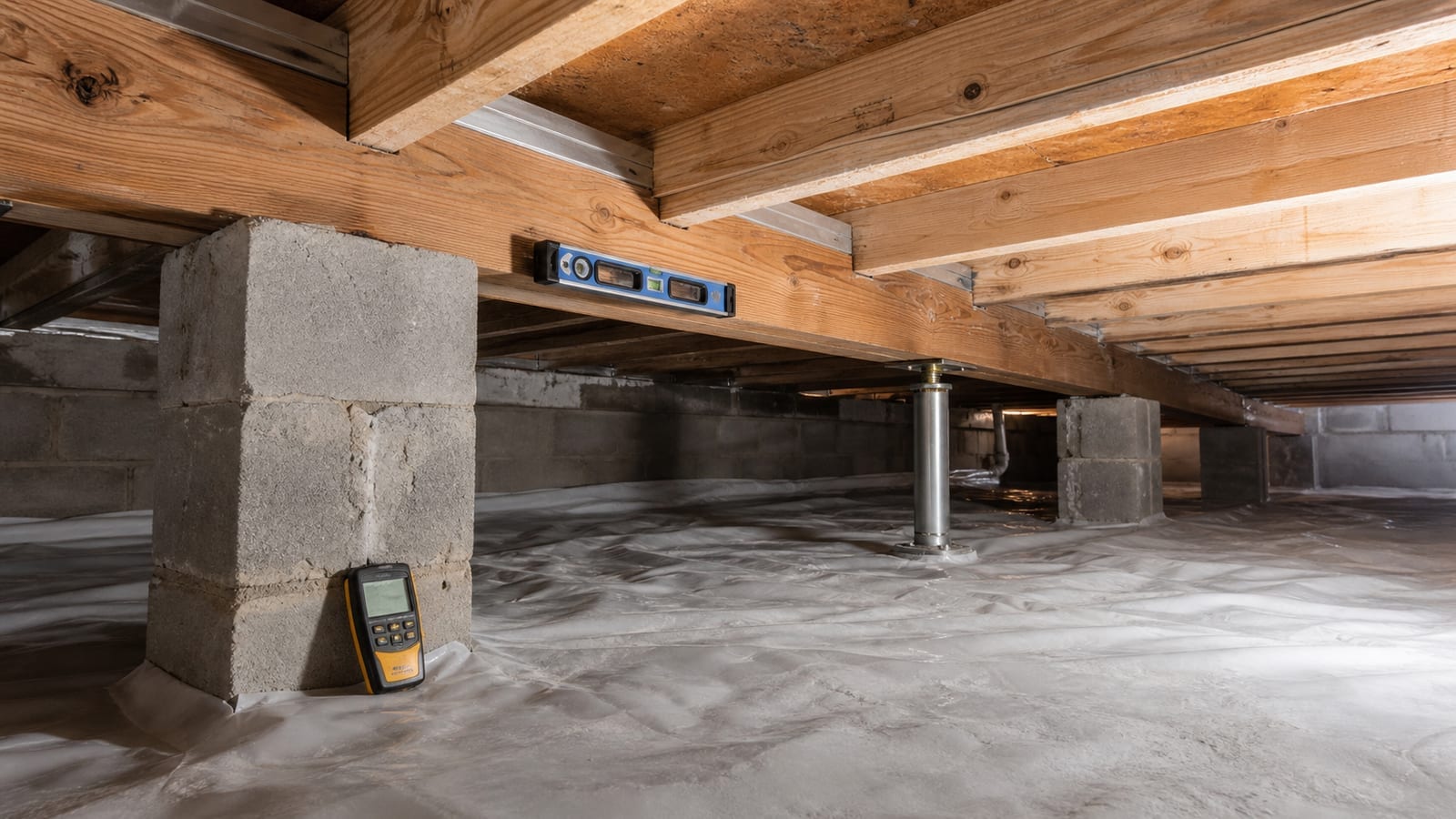
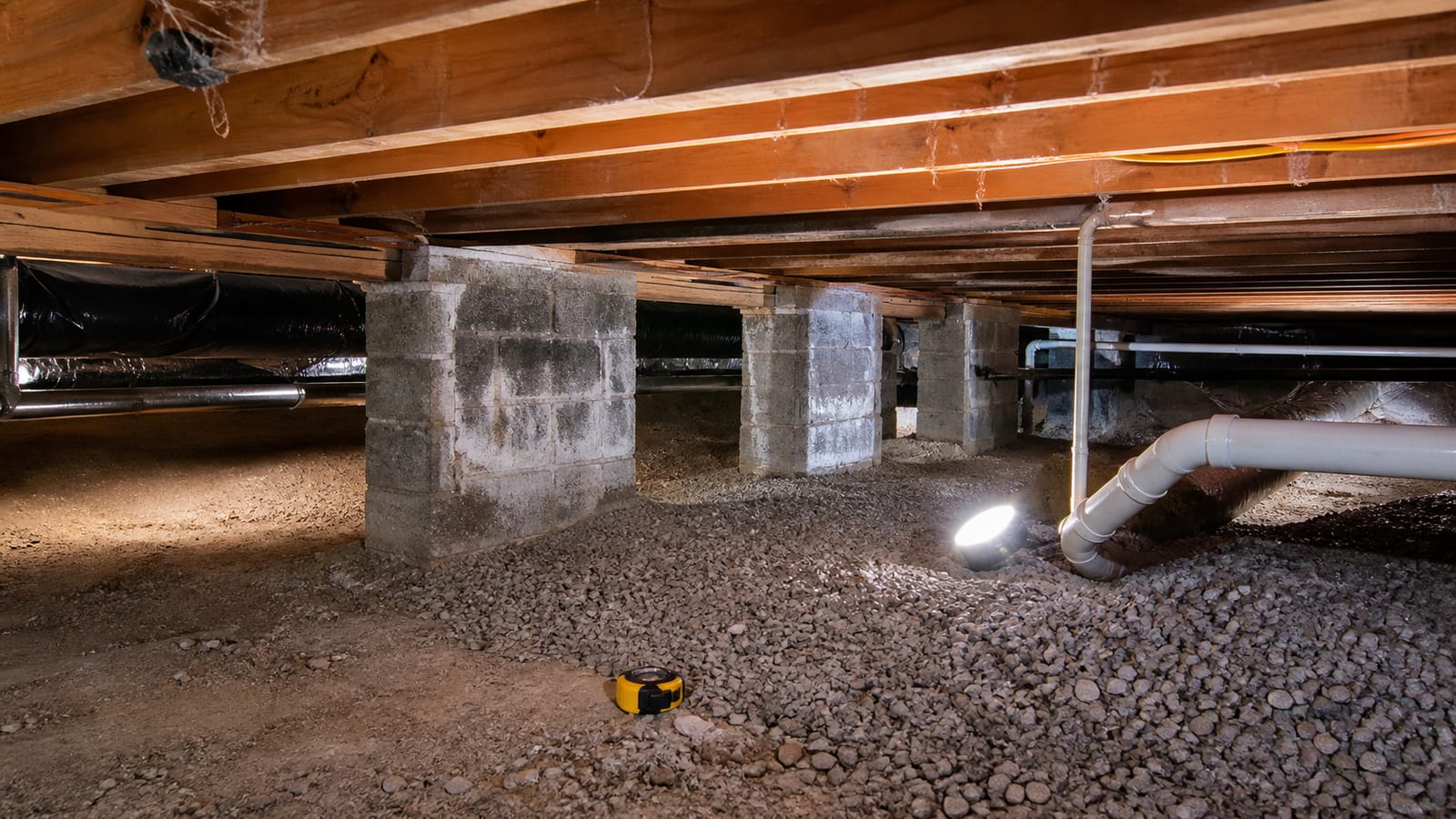
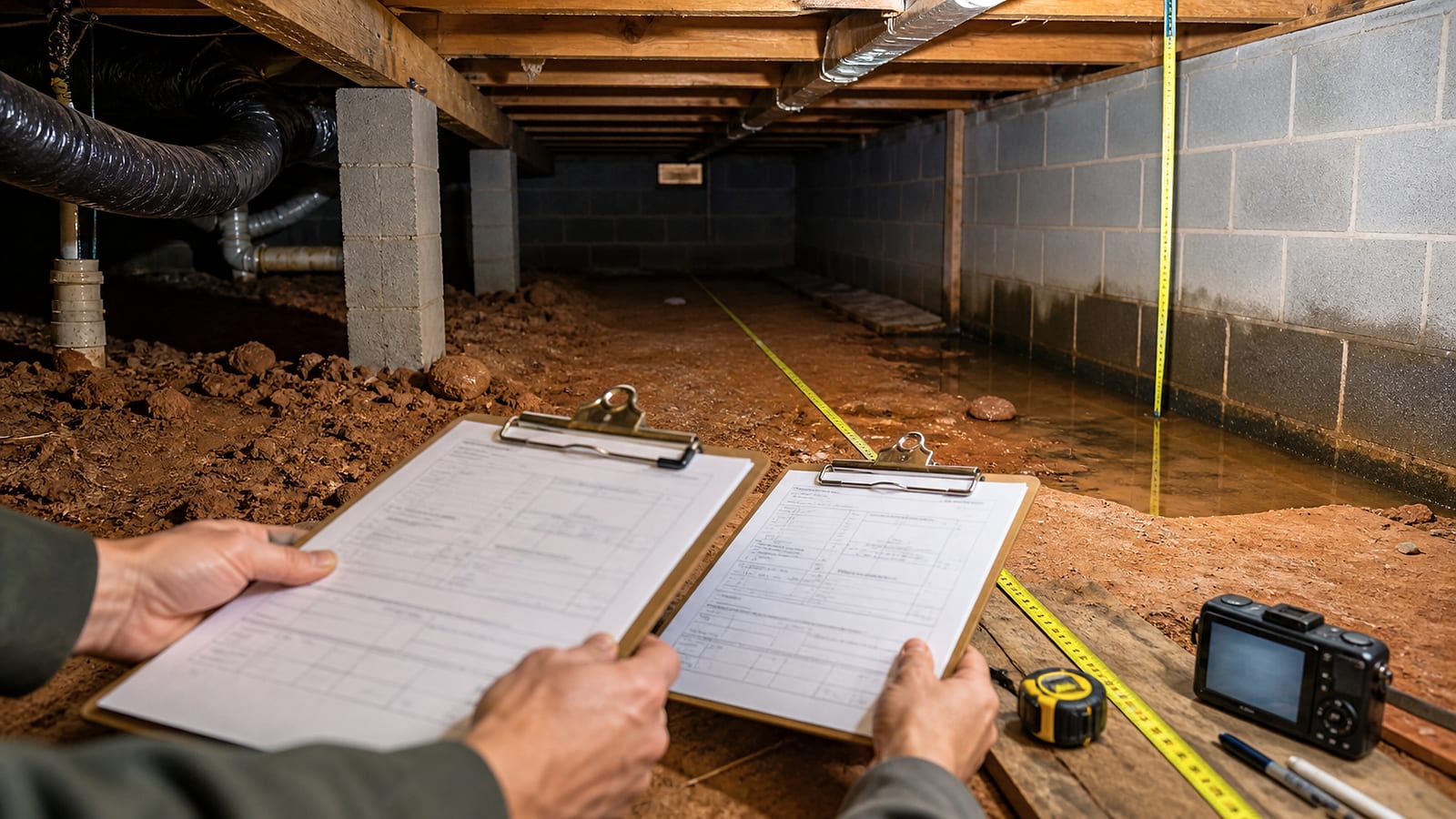
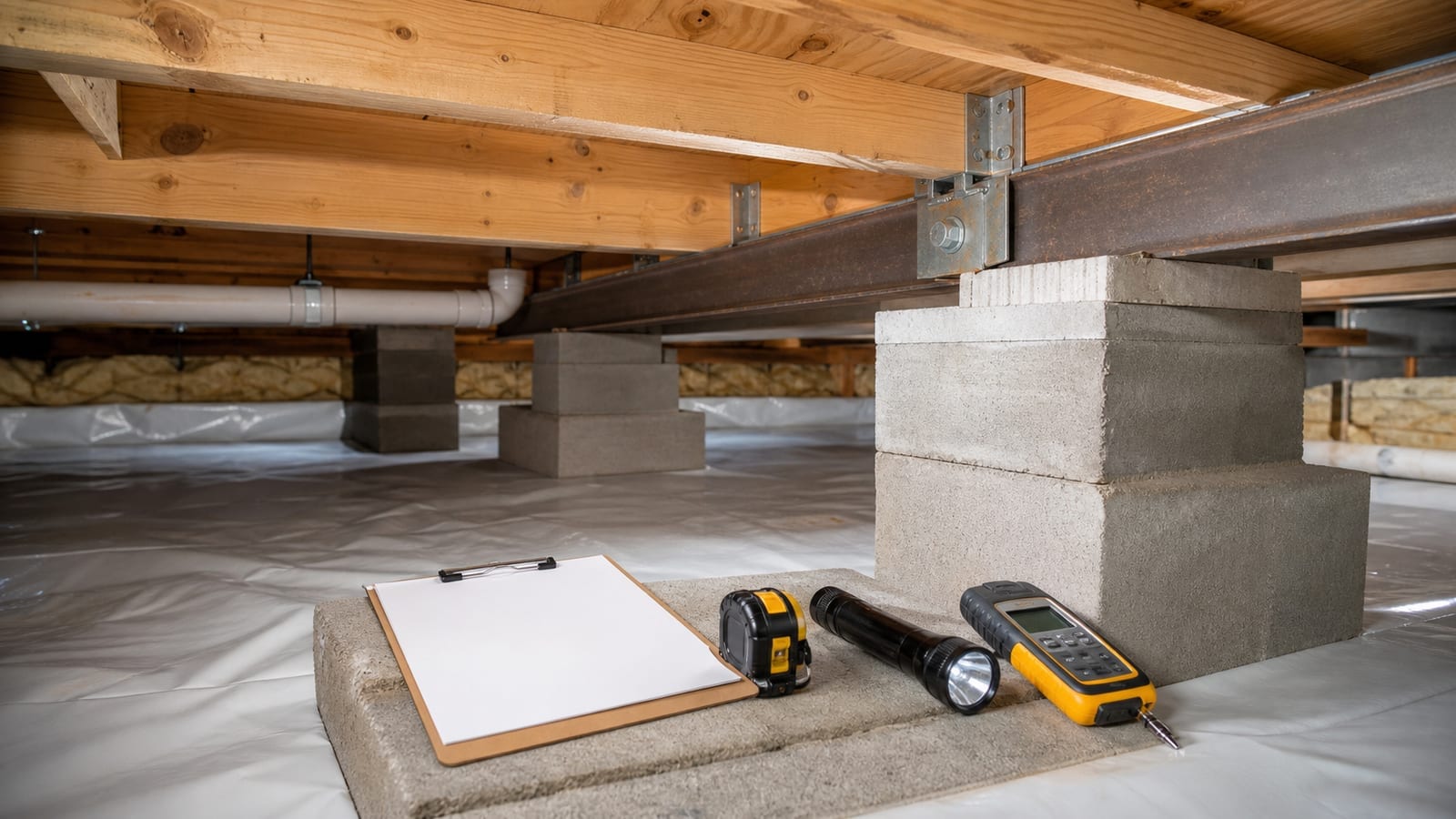
Start by asking how the company reached its scope. A useful inspection record should show damp areas, visible growth, damaged wood, water entry points, and access limits. Photos help connect each proposed task to a visible condition. Moisture readings may also support the findings, but they should be explained in plain language.
Then compare the work line by line. A low total may leave important tasks to another trade or to the owner. Ask whether the proposal includes:
- Removal of loose debris that blocks the work area
- Crawl space mold and fungal cleaning where needed
- Repair of listed joists, beams, or subfloor areas
- Ground vapor protection and wall details
- Drainage or water-entry corrections
- Final photos and maintenance instructions
Responsibility boundaries should be clear before approval. For example, the owner may need to move stored items, provide power access, or arrange plumbing work. The repair company should identify these needs before the start date.
Do not compare totals until the scopes match. Ask each company to mark optional items, excluded work, and conditions that could change the plan. A measured proposal gives you a better basis for approval than an estimate built only from crawl space size.
Does Homeowners Insurance Cover Crawl Space Damage in Raleigh?
Homeowners insurance may or may not cover crawl space damage. Coverage depends on the policy, the cause, and the insurer’s review. Do not assume approval. Record the conditions, limit further damage when safe, and confirm claim steps with your insurer before authorizing work that could remove useful evidence.
Ask the insurer what records it needs and who may approve the work. Useful records can include dated photos, inspection notes, moisture readings, and a written repair scope. Keep copies of emails and claim instructions. The crawl space company can report what it sees, but the insurer decides whether the policy responds.
Separate observation from cause. A technician may find wet insulation, fungal growth, or softened wood. That does not by itself prove why the damage happened or whether coverage applies. Possible sources include a plumbing leak, exterior drainage, humid air, or long-term ground moisture. The proposal should state observed conditions without making policy decisions.
Before cleaning or removing materials, clarify these points:
- Does the insurer want its own inspection?
- Which photos and samples, if any, should be saved?
- Is temporary drying or water control approved?
- Who can authorize added work?
- How should hidden damage be reported?
Property managers should also name the person who can approve changes. Tenants, vendors, and owners should know where reports go. This avoids delays and keeps one person from approving work outside the agreed scope. If urgent action is needed to protect the property, record what was done and why, then contact the insurer promptly.
How Much Does It Cost to Encapsulate a 2,000-Square-Foot Crawl Space?
Square footage alone does not set an encapsulation price. Height, access, wall shape, standing water, debris, existing damage, and moisture sources all affect the scope. A written proposal should show the measured area, preparation work, liner details, openings, drainage needs, and any tasks priced or assigned separately.
Two crawl spaces with the same floor area can require very different work. One may be dry, open, and easy to enter. Another may have narrow sections, piers, old materials, plumbing lines, or water that must be addressed first. Ask the inspector to record these conditions instead of relying on the home’s listed square footage.
Encapsulation should be planned as part of moisture control, not as a cover for unresolved problems. The EPA’s mold and moisture guidance stresses that moisture sources must be addressed. If active leakage, drainage trouble, or fungal growth is present, the proposal should explain what happens before the liner is installed.
Compare these scope details:
- Ground and wall coverage
- Seams, piers, and penetration treatment
- Vent and access-door plans
- Preparation and debris handling
- Drainage or leak corrections
- Drying and humidity-control steps
- Future access to plumbing and wiring
Also ask who moves stored items and who restores any disturbed access area. For managed properties, set work hours and approval limits in writing. A clear plan prevents encapsulation from blocking valves, cleanouts, or service routes. It also lets future contractors enter without cutting materials that were meant to remain sealed.
How Should You Fix a Wet Crawl Space in Raleigh?
Fixing a wet crawl space starts with finding how water enters and how moisture remains trapped. The plan may involve plumbing correction, exterior water control, drainage, drying, fungal cleaning, wood repair, and encapsulation. The correct order depends on evidence from the site, not on one product or treatment.
First, separate liquid water from humid-air moisture. Look for plumbing drips, foundation-wall marks, low ground areas, downspout discharge, and wet soil. Note whether water appears after rain or during dry weather. The NC State Extension mold and moisture checklist offers practical signs owners can check around the home.
Next, assign each task. A plumber may need to correct a supply or drain leak. Exterior grading or roof-water work may fall outside the crawl space proposal. Carolina Encapsulation Company can inspect visible crawl space conditions and explain its proposed work, but inspection observations are not engineering decisions.
Use a sequence such as:
- Stop active water entry where possible.
- Remove water and unsafe debris as scoped.
- Allow access for checking hidden areas.
- Clean fungal growth when included.
- Complete approved structural repair.
- Install the planned moisture-control system.
- Record final conditions and maintenance points.
If movement, widespread damage, or an unusual structural condition raises design questions, the owner may need advice from a qualified structural engineer. The engineer, not the crawl space inspector, makes engineering decisions. The written scope should state who arranges that review and what work pauses until guidance is received.
What Is the Lifespan of a Crawl Space Foundation in Raleigh?
A crawl space foundation has no single fixed lifespan. Its condition depends on drainage, soil movement, moisture, material quality, maintenance, and past repairs. Compare contractors by how well they record present conditions and plan needed work, rather than by promises about a universal service life.
A useful inspection distinguishes foundation parts from floor framing. Foundation walls and piers support the structure below. Joists, beams, and subfloor parts support the floors above. Moisture can affect several components, but each problem needs its own repair plan. Ask the inspector to label photos so you know which part is shown.
Signs such as cracked masonry, uneven supports, sagging framing, or softened wood need careful review. A crawl space company can show visible conditions and propose work within its scope. It should not present an observation as an engineered design. If the repair requires load calculations, a new support design, or an opinion on structural movement, ask who will arrange an engineer and who will approve changes.
For wood-related work, compare the listed member, location, length, and method. A broad phrase such as “repair damaged framing” is hard to verify. A stronger joist, beam, and subfloor repair scope identifies affected areas and notes what may remain hidden until materials are opened.
Plan future checks as well. Keep access routes clear. Record new leaks, unusual floor changes, or standing water. No contractor can promise a universal foundation lifespan, but clear records make it easier to spot changes and respond before damage spreads.
What Is the Average Cost of Crawl Space Repair in Raleigh?
An average cost is not a reliable hiring standard because crawl space repair can describe many different tasks. Your proposal should be based on measured conditions and a defined scope. Compare what each company will inspect, remove, clean, repair, seal, record, and leave accessible after the work.
Use a scope comparison sheet instead of ranking proposals by total alone. Place each task on its own row. Mark it included, excluded, optional, or assigned to another party. This simple step often reveals why totals differ. One proposal may include cleaning and wood repair, while another covers only ground liner installation.
For a rental, association, or managed building, add responsibility details. Carolina Encapsulation Company provides commercial crawl space services, but availability and site fit must be confirmed. Name the owner representative who can approve work. Also identify tenant notice duties, access hours, key control, parking limits, and the person who receives field updates.
Set escalation points before work begins. The crew should know when to pause and contact the owner. Common triggers include:
- Hidden wood damage beyond the listed area
- Active plumbing leakage
- Unsafe or blocked access
- Conditions that differ from inspection records
- A need for design or engineering guidance
- Requested work outside the signed scope
Ask how added work will be described and approved. Verbal approval can create confusion later. A short written change should show the new condition, proposed response, and effect on the work plan. Clear approvals protect both the property owner and the service company.
How Should You Fix a Leaky Crawl Space Before Repairs?
Fix a leaky crawl space by tracing the water source, assigning responsibility, and stopping the leak before covering affected areas. Then check the need for drying, cleaning, or wood repair. Encapsulation may follow, but only after the proposal explains how the original water problem will be controlled.
The word “leak” can refer to several problems. Water may come from a pipe, drain, foundation opening, exterior grade, or roof runoff near the foundation. Ask the inspector to mark the suspected source and explain what evidence supports that view. If the source is uncertain, the scope should say so.
Set boundaries before repair starts. Plumbing work may require a separate provider. Exterior drainage may also be excluded. The crawl space proposal should list these exclusions and state what must happen before its crew begins. For occupied or managed property, identify who provides access to utility shutoffs and who can approve opening a covered area.
The closeout record should show more than a finished liner. Request photos of corrected areas before they are covered. Ask for notes on remaining stains, inaccessible sections, and items that need later review. Maintenance instructions should identify access points and tasks the owner should check after heavy rain or plumbing service.
Do not block future service routes. Valves, drains, cleanouts, wiring, and support areas may need later access. Ask how the plan preserves those routes. If new leakage appears after work, report where and when it appeared. Good records help the next inspection focus on the source instead of removing completed materials without a plan.
Frequently Asked Questions
What should I bring to a crawl space repair estimate?
Bring any past inspection reports, repair records, leak dates, insurance instructions, and photos. Tell the inspector when water appears and whether floors have changed. For a managed property, also provide access rules and the name of the person who can approve work. These details help the company prepare a clearer scope.
Should mold cleaning happen before encapsulation?
If visible fungal growth needs cleaning, that work is usually planned before affected surfaces become harder to reach. Moisture sources should also be addressed. The written proposal should state which areas will be cleaned, what materials may be removed, and what conditions must be dry before encapsulation begins.
Can a crawl space inspector decide whether I need an engineer?
An inspector can record visible sagging, cracks, damaged framing, or unusual supports. Those observations are not an engineered design. If the work raises questions about loads, movement, or support design, the property owner may need a qualified structural engineer. The proposal should state who arranges that review.
How do I compare two crawl space repair scopes?
Compare the same tasks line by line. Check moisture sources, cleaning, wood repair, drainage, encapsulation, access, debris handling, and closeout records. Mark exclusions and owner duties. Also ask what conditions could stop the work or require written approval. Similar totals can cover very different levels of work.
How should property managers control crawl space repair changes?
Name one approval contact and set a written limit on field changes. Require photos and a short description when hidden damage appears. The crew should pause when the condition falls outside the signed scope. Keep tenants, owners, and vendors informed through one channel so instructions do not conflict.
What maintenance access should remain after encapsulation?
Keep routes open to plumbing valves, drains, electrical lines, supports, and other service points. Ask where future workers may enter and how they should protect sealed materials. The closeout plan should show access locations and note areas that require care. Avoid storing items where they block inspections or repairs.
A useful repair proposal should show the problem, the planned response, and who handles each step. It should also record exclusions, access needs, approvals, and reasons to pause the work. Carolina Encapsulation Company serves Fuquay-Varina and surrounding Triangle communities. Request a free inspection or call 704-207-9348 to confirm availability for your Raleigh-area property.
How this applies in Raleigh, NC
For homeowners in Raleigh, NC, use this topic as a way to organize observations before selecting work. Carolina Encapsulation Company serves Raleigh, NC and surrounding Triangle communities, but the appropriate scope still depends on the water, moisture, materials, access, and equipment found at the property. Compare the crawl space repair with the Who Repairs Floor Joists and Subfloors in a Crawl Space in Sanford, NC? before choosing a property-specific next step.