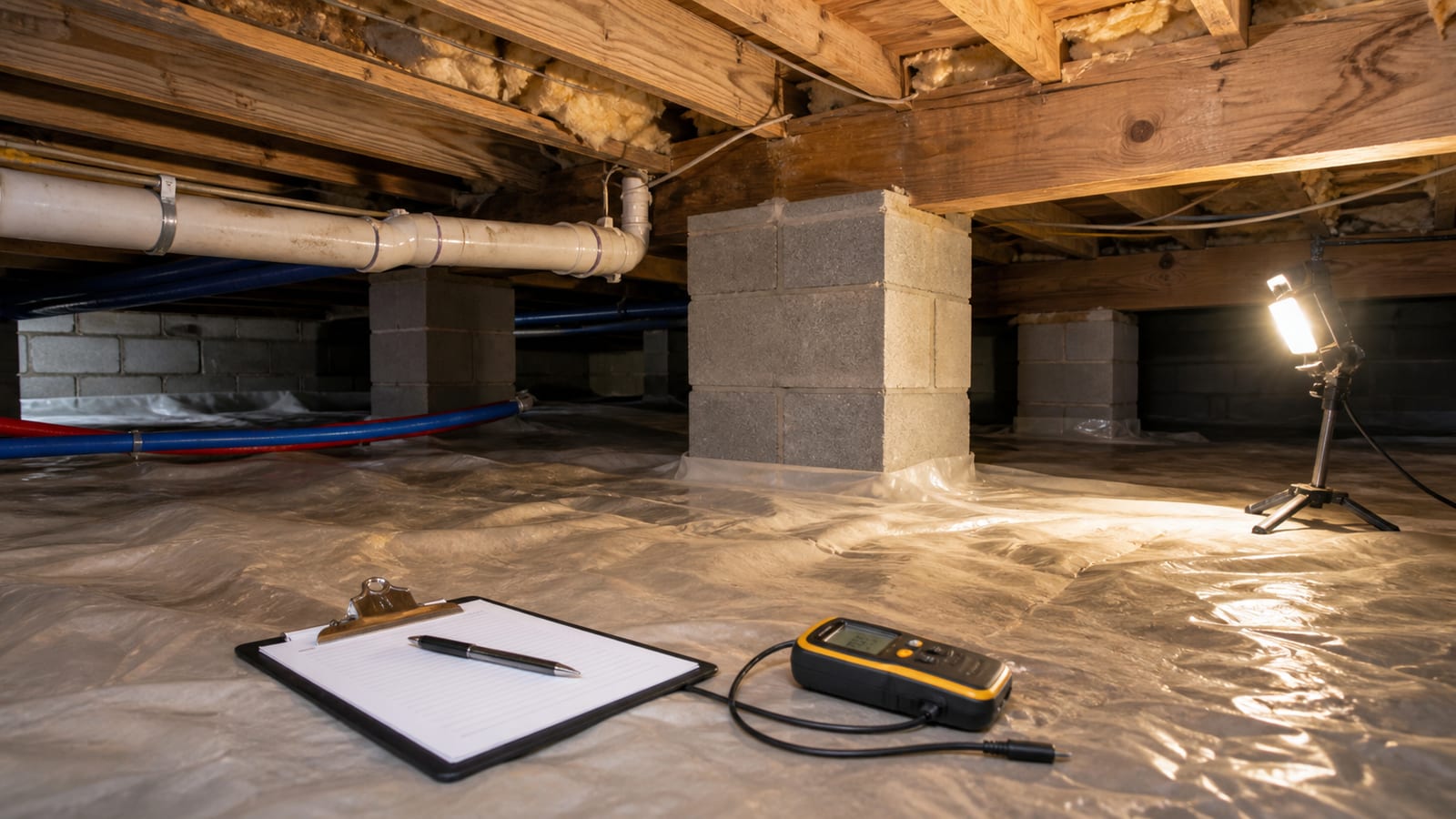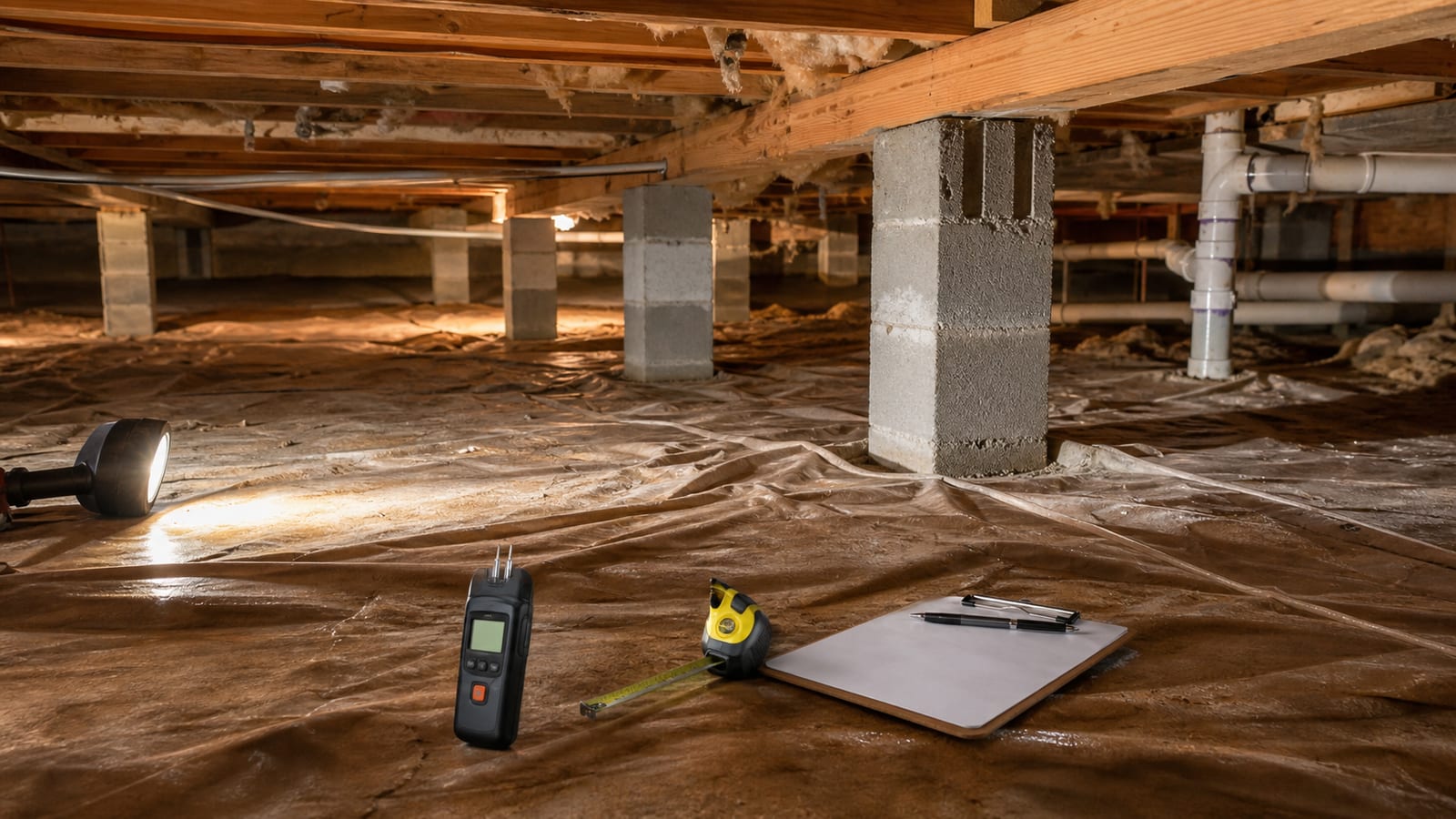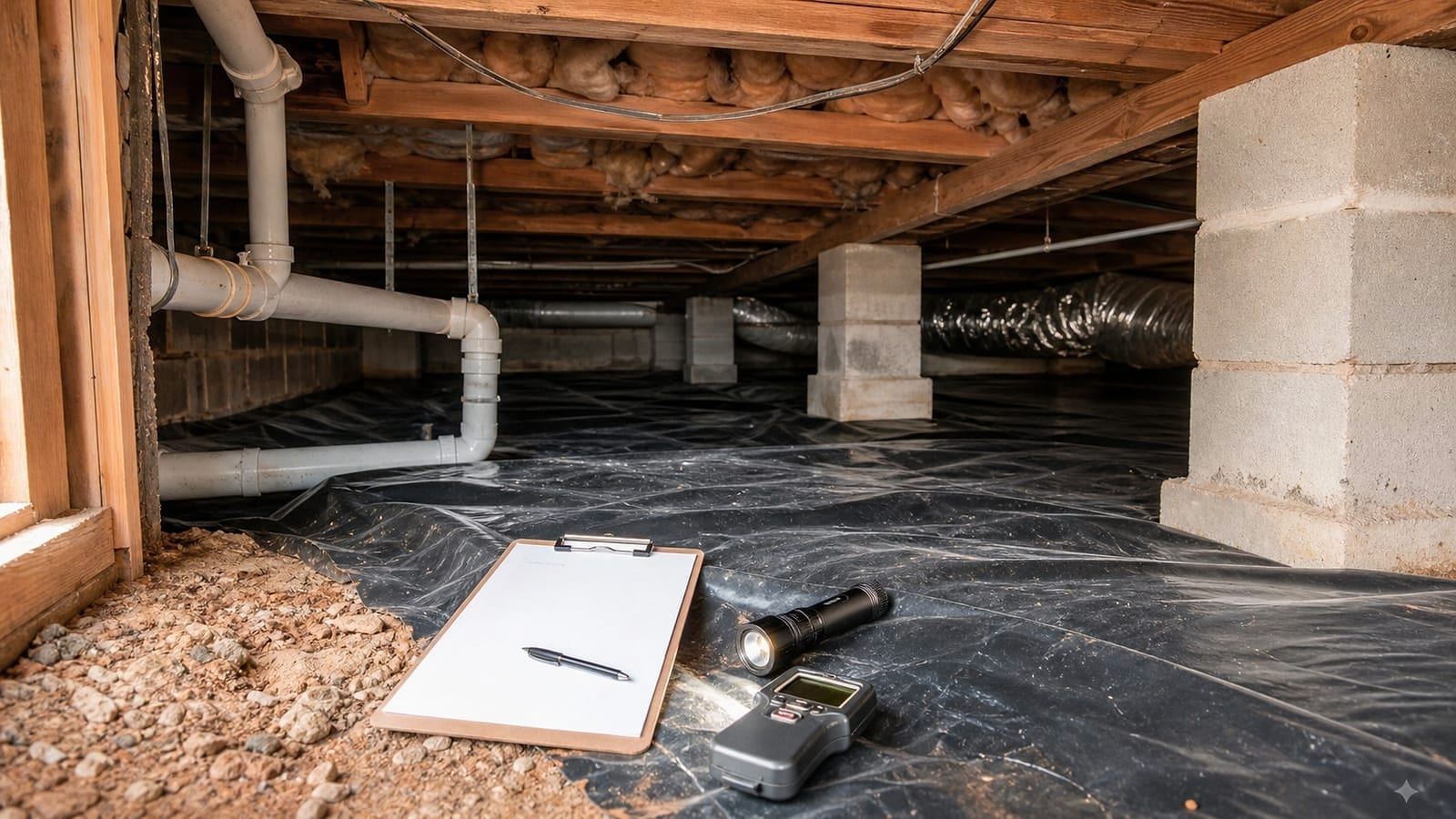
Searching for a crawl space inspection near me often starts with a damp smell, a sagging floor, high indoor humidity, or concern after heavy rain. A free inspection gives Fuquay-Varina, NC property owners a closer look at the area below the home. It should also provide useful facts that can guide the next step.
The visit should involve more than a quick glance and a sales pitch. A careful inspector records visible conditions, takes useful readings, and explains which areas could not be reached. Photos should link each concern to a clear place in the crawl space. Any proposed work should follow a sensible order. This is vital when water, wood damage, insulation, or floor movement is present.
Carolina Encapsulation Company serves Fuquay-Varina and nearby Triangle communities. Its free inspection can help owners review the evidence and ask for a measured, written scope of work. Current availability must be confirmed by phone. Property owners can also review the Fuquay-Varina service area before they schedule a visit.
How Much Does a Free Crawl Space Inspection Near Me Cost?
Carolina Encapsulation Company offers a free crawl space inspection, with availability confirmed by phone. The inspection cost is separate from any repair cost. A repair proposal should reflect the measured size of the space, access limits, moisture sources, damaged materials, drainage needs, and the exact work included or excluded.
A free inspection should still produce useful facts. Ask which areas the inspector will view and what readings will be taken. Find out whether you will receive photos. You should also ask if the visit covers only moisture control or includes visible insulation, drainage, ducts, pest signs, and floor supports.
A crawl space inspection is not the same as a code review or an engineering study. It can document visible concerns, but some findings may need review by another trade or qualified professional.
Repair cost depends on the written scope. Key factors may include:
- Crawl space size and working height
- Number and location of water entry points
- Condition of insulation and ground covering
- Visible wood damage or floor movement
- Drainage, access, and material removal needs
- Electrical, plumbing, or HVAC items that affect the work
Compare proposals one line at a time instead of looking only at the final total. One scope may include removal, cleanup, sealing, drainage, and later checks. Another may leave some of those tasks to the owner or another contractor.
Ask who will move stored items. Find out who will remove damaged insulation or debris. The proposal should also list owner duties, such as keeping the entrance clear. If another trade must complete work first, the scope should say so.
Measurements matter as well. Ask how the crawl space area was calculated and which parts of the home are included. A measured scope makes proposals easier to compare. It may also reduce confusion after work starts.
How Do Professionals Inspect a Crawl Space?
A professional inspection usually starts outside. It then moves through the access opening when entry is safe. The inspector checks drainage, vents, visible water paths, ground cover, insulation, wood, supports, ducts, and pipes. Moisture readings and clear photos should support key findings.
The order of the inspection matters. Outside conditions often help explain what is found below the home. The inspector may first look at roof runoff, downspout discharge, soil slope, foundation openings, and low areas near the walls.
Inside, the route should cover all areas that can be reached safely. The inspection should not stop near the entrance if other sections are open and safe. A simple crawl space inspection checklist can help you follow the process and prepare questions.
Ask the inspector to show where each photo was taken. A wet pier, stained joist, loose duct, or torn ground cover needs location and context. A close photo can show detail, while a wider photo can show where the concern sits in relation to the rest of the crawl space.
Moisture readings also need context. The inspector should name the material or area tested. Wood moisture and air humidity are different measures. Both may be useful, but they answer different questions. A reading near a damp area may also be more useful when it is compared with a reading from a drier area.
The inspector should explain what the visit does not cover. Visual observations can identify signs such as sagging, cracks, decay, or changed supports. They do not provide structural design, calculations, or an engineering decision.
If a proposed repair may need engineering input, the responsible role should be listed on the scope. Carolina Encapsulation Company does not imply that a crawl space inspection includes engineering services. Clear limits help owners decide whether another trade or professional should review a concern.
How Often Should a Crawl Space Be Inspected?
There is no single schedule for every home. Check the crawl space on a regular basis and after events that may change its condition. These events can include plumbing leaks, drainage work, severe rain, pest activity, or HVAC changes. Warm, humid weather in the Triangle can also make seasonal moisture checks useful.
The timing should reflect the risks at the property. A low crawl space near poor drainage may need closer attention than a dry space with easier access. A property manager may choose to check between tenants or before planned maintenance.
Keep old photos, reports, and readings. These records can help show whether a stain is old, active, or growing. Use dates and location notes so later images can be compared with the same part of the crawl space.
Schedule an added check if you notice:
- Musty odors
- Soft or uneven flooring
- Higher indoor humidity
- Standing water
- Fallen insulation
- New pest signs
- A leaking supply pipe or drain
- Water near the foundation after rain
Waiting for a set annual date may allow a small concern to spread. A new odor or floor change may be a reason to look sooner, even if the last inspection was recent.
Maintenance access matters too. Keep the entrance clear. Avoid placing materials against foundation vents or equipment. Stored items can block the route and hide signs of water or damage.
If a dehumidifier, drain, pump, or other moisture-control part is present, the written plan should say who checks it. It should also explain how the part can be reached. Ask whether filters, drains, or discharge points need owner attention.
A repair should leave reasonable access to plumbing, HVAC parts, supports, and moisture-control equipment. Work that blocks these areas may make future service and routine checks harder.
What Does a Crawl Space Inspection Near Me Look For?
A crawl space inspection near me should look for water entry, high moisture, damaged wood, weak or changed supports, poor ground coverage, loose insulation, duct concerns, plumbing leaks, and pest signs. It should also record access limits and outside conditions that may add to the problem.
The inspector should separate symptoms from possible sources. Standing water is a symptom. The source might involve roof runoff, surface drainage, groundwater, a plumbing leak, or more than one path.
Dark staining on wood can also have several causes. Photos and readings can provide useful evidence. However, they should not be presented as proof of a cause that was not checked.
Useful evidence often includes both wide and close photos. Wide photos show location. Close photos show detail. Ask for readings near a concern and at a comparison point when practical.
The report or proposal should name areas that could not be inspected. These may include narrow sections, hidden wall areas, covered wood, deep water, or spaces behind equipment that was not moved. Such limits affect how much can be concluded from the visit.
For visible mold or moisture clues, homeowners can compare their observations with the NC State Extension mold and moisture checklist. An inspector may report visible growth, discoloration, or staining. Appearance alone does not identify every material or confirm its cause.
The practical goal is to find and control the source of moisture. If testing or specialized removal is advised, ask who will perform that work. Also ask whether it is included in the proposal. Responsibility should be clear before crawl space work begins.
Pest signs need similar care. Droppings, damaged insulation, or entry gaps may point to animal or insect activity. A crawl space inspector can record what is visible. Pest identification or treatment may need a separate provider.
What Is the Biggest Crawl Space Red Flag During an Inspection?
The biggest crawl space red flag is active moisture combined with damaged or moving building materials. Standing water, wet wood, decay, sagging floors, or shifted supports deserve prompt attention. Another red flag is a proposal for major work that lacks measurements, location-based photos, exclusions, or a clear repair order.
A single stain does not always show the current condition. Ask whether the area was damp during the visit. The inspector should explain how that was checked.
Fresh water, high wood moisture, soft material, or an active plumbing leak may carry more weight than an old mark with no current moisture. The evidence should explain why action is advised now.
The quality of the proposal can also reveal problems. Be cautious if the scope uses broad terms such as “seal crawl space” or “fix supports” without naming the materials, places, amounts, or preparation involved. The scope should state what will be removed, what will stay, and how hidden damage will be handled if found.
A proposal should also keep observations separate from engineering conclusions. Visible sagging or changed supports may justify further review. They do not, by themselves, provide a structural repair design.
The order of work is vital when several issues overlap. A practical sequence may begin with stopping an active leak. It may then address outside water, unsafe or damaged materials, support work, and moisture-control measures. The correct order depends on the conditions at the property.
Ask what must happen first. Find out which tasks depend on plumbers, electricians, HVAC workers, pest providers, engineers, or local approval. The crawl space repair service page explains common types of work. The final plan should still match the measured conditions at your home.
How Long Does a Crawl Space Inspection Take?
Inspection time varies with crawl space size, height, access, stored items, standing water, and the number of visible concerns. A careful visit should allow time for outside checks, safe entry, photos, readings, and a review with the owner. Ask what the scheduled visit includes.
A small, open crawl space may be easier to inspect than a divided space with narrow paths. Low ducts, plumbing lines, debris, wet ground, or blocked doors can slow the route. Some sections may remain out of reach.
The inspector should not rush past these limits or suggest that hidden areas were inspected. If only part of the space was viewed, the written findings should say so.
Before the appointment, clear the access opening and secure pets. Share known leak locations, past drainage work, old repair records, and areas where the floors feel uneven. If keys, gate access, or tenant approval are needed, arrange them before the visit.
Do not move wiring, ducts, plumbing, or suspected damaged supports yourself. Moving these items may be unsafe or may cause more damage. Ask what needs to be cleared if the route is blocked.
Leave time for a review after the physical inspection. Ask the inspector to rank the findings by urgency. The inspector should explain which items are direct observations and which are possible causes.
By the end of the visit, you should have a clearer idea of what may need quick action, what can be watched, and what needs another professional. If a proposal arrives later, compare it with the photos and readings discussed during the visit. A fast quote that does not connect the work to evidence is harder to assess, no matter how long the inspection took.
When Should an Inspector Not Enter a Crawl Space?
An inspector should not enter when conditions appear unsafe or access is not reasonably possible. Examples include exposed electrical hazards, unstable supports, deep water, dangerous animals, severe contamination, or an opening that is too small. The report should record the limit and explain the next safe step.
Refusing unsafe entry protects the inspector and the property. Access can also be limited by locked doors, stored items, sharp debris, damaged hatches, low clearance, or equipment that blocks the route.
The inspector may take photos from the opening. Those images should not be described as a full crawl space inspection. They show only what was visible from that point.
Ask for a written list of each area that was not viewed and the reason. Then ask what must change before a return visit. The owner may need to clear access, repair a hatch, stop a leak, remove an animal, or contact the proper trade.
Responsibility for that step should be clear. Confirm whether a second visit is included or must be scheduled on its own. Do not assume that the inspector will return without a new appointment.
Work that changes a crawl space may raise permit questions. Requirements depend on the type of work and the local authority. The North Carolina Office of State Fire Marshal resource on closed crawl space permits provides relevant state information. Owners should still confirm current rules for their project and location.
A proposal should state who checks permit needs and who applies if a permit is required. It should also identify any inspections or approvals that must occur before later work covers the area.
Frequently Asked Questions
Does homeowners insurance cover crawl space repair?
Coverage depends on the policy, the cause of the damage, any exclusions, and how soon the issue was reported. Do not assume that moisture control or repair work is covered. Contact your insurer and provide photos, dates, and the written scope. Ask whether an adjuster must inspect the area before cleanup or repairs begin.
What should I receive after a free inspection?
Ask for location-based photos, key measurements, access limits, visible concerns, and a written scope for any proposed work. The scope should list included tasks, exclusions, material removal, work order, and owner duties. It should also explain which findings may need another trade, local approval, or a separate professional review.
Should I get more than one crawl space proposal?
Comparing proposals can help when each company records the same main conditions. Do not compare final totals alone. Review space measurements, moisture evidence, drainage steps, removal work, access plans, and exclusions. If the scopes differ, ask why each task is needed and what may happen if it is left out.
Can I inspect my own crawl space before calling?
You can check the outside of the home, note musty odors, and look through a safe access opening. Do not enter if you see standing water, exposed wires, animals, unstable supports, sharp debris, or very tight clearance. Record what you see with dates and photos. Do not disturb damaged materials or claim a hidden cause based on appearance alone.
Does a free inspection include structural engineering?
No. A crawl space inspection can record visible sagging, cracks, decay, movement, or changed supports. Those observations do not provide structural calculations, repair design, or an engineering decision. If engineering input is needed, ask who will obtain it and how that review may affect the proposed scope.
How should I prepare for the inspection?
Clear the crawl space entrance, secure pets, and make sure needed gates or doors can be opened. Gather records of leaks, drainage work, pest service, or earlier repairs. Note any odors, damp rooms, or uneven floors. Do not move electrical lines, ducts, plumbing, or weak supports to create access.
A useful inspection should leave you with evidence and a clear account of what was checked. Compare photos, readings, access limits, exclusions, work order, maintenance access, and responsibility before hiring. For more hiring questions, read How to Choose a Crawl Space Company Near Fuquay-Varina, NC.
To request Carolina Encapsulation Company’s free inspection, use the contact page or call 704-207-9348. Phone confirmation is required for current availability in Fuquay-Varina and nearby Triangle communities.
How this applies in Fuquay-Varina, NC
For homeowners in Fuquay-Varina, NC, use this topic as a way to organize observations before selecting work. Carolina Encapsulation Company serves Fuquay-Varina, NC and surrounding Triangle communities, but the appropriate scope still depends on the water, moisture, materials, access, and equipment found at the property. Compare the crawl space inspection checklist with the How to Choose a Crawl Space Company Near Fuquay-Varina, NC before choosing a property-specific next step.