A second crawl space inspection can help when the first report leaves key questions unanswered. That is especially useful in Raleigh, NC, where warm, humid weather can support damp conditions below a home. A second visit may also help you compare repair plans before signing a contract.
The goal is not to collect two opinions without a plan. It is to compare clear evidence. Each inspector should show where a concern appears, how it was measured, what areas were not reached, and which work is included. The written scope should also explain the order of repairs and who handles items outside the contractor’s work.
A second inspection makes sense after standing water, visible fungal growth, wood damage, uneven floors, pest activity, or a vague first proposal. It can also help after buying a home or before approving major crawl space repair. Use a detailed crawl space inspection checklist so both visits cover the same points. That gives you a fair way to compare findings rather than relying on sales language.
What Do Inspectors Look for During a Crawl Space Inspection?
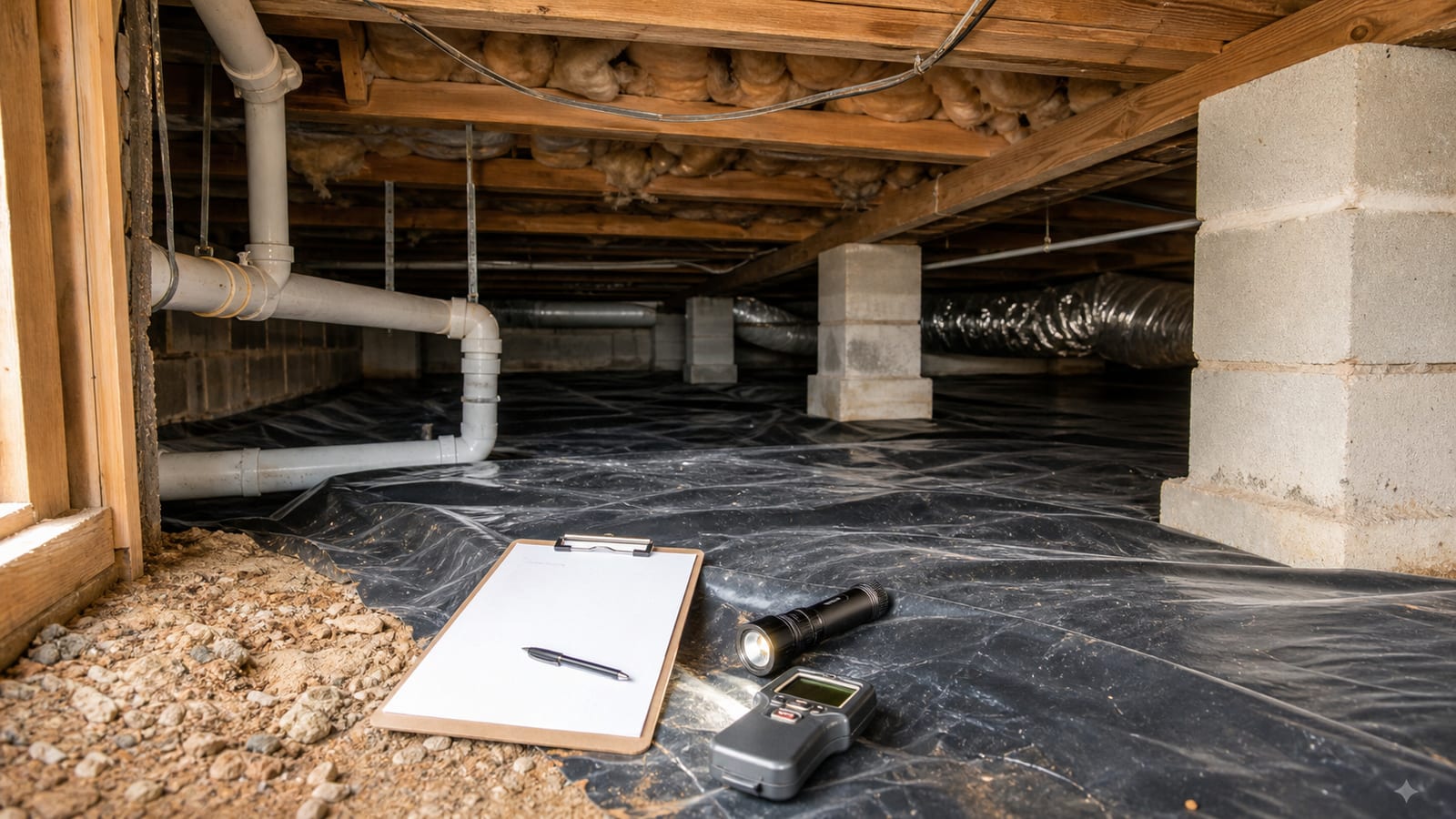
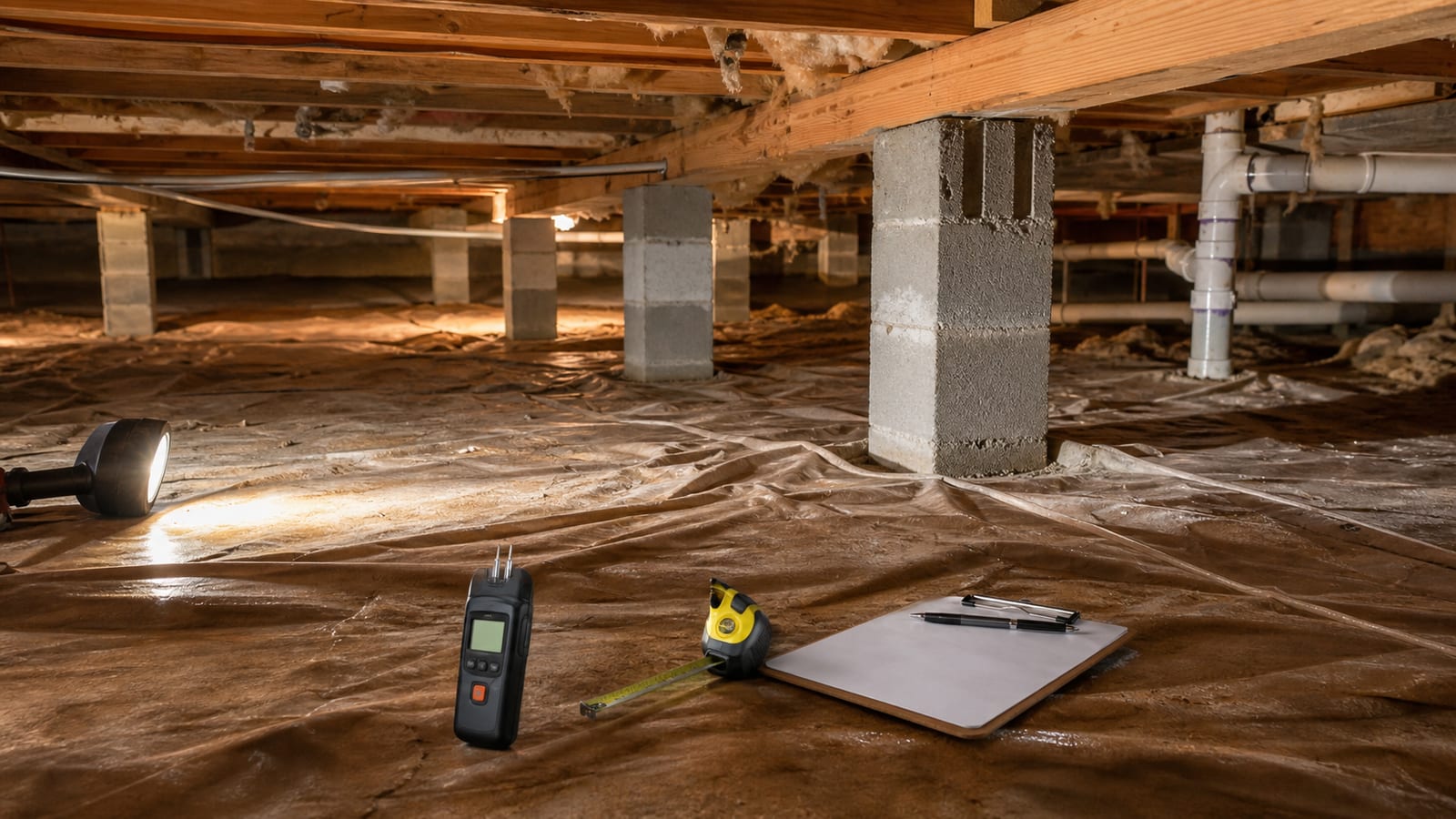
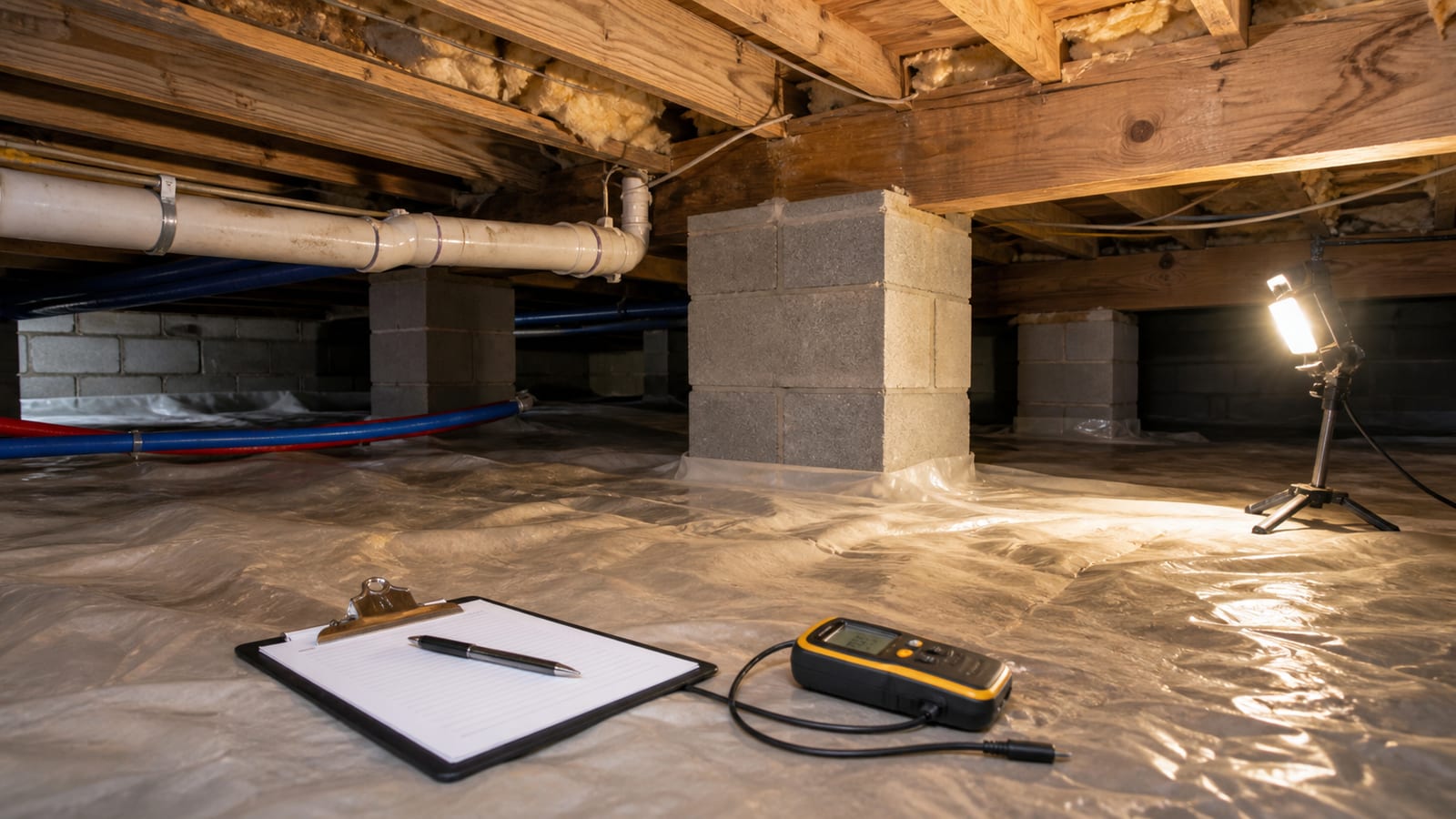
Inspectors check for moisture sources, standing water, wood damage, visible fungal growth, weak supports, damaged insulation, pests, and open vents or access points. A useful crawl space inspection should include photos, moisture readings, access notes, and a clear record of which areas were checked or excluded.
Ask the inspector to connect each finding to a location. A photo labeled “wet wood” is less useful than one that names the joist area, nearby plumbing, and measured moisture level. The report should show whether the moisture appears isolated or widespread. It should also separate active water from old stains.
The inspector should check the ground, foundation walls, floor framing, piers, beams, plumbing paths, ducts, insulation, vents, and access door. Exterior grading and downspout discharge may matter because water often begins outside. NC State Extension’s mold and moisture checklist offers helpful steps for finding moisture sources around a home.
Before comparing proposals, look for these records:
- Wide photos that show the location
- Close photos that show the concern
- Moisture readings with test locations
- Notes about standing water or drainage
- Areas blocked by ducts, debris, or low clearance
- Signs that need review by another trade
Inspection observations are not structural designs. If damage may affect load paths or support plans, ask whether a structural engineer should provide design direction. A crawl space company can record visible conditions, but that does not replace engineering decisions.
How Often Should a Raleigh Crawl Space Be Inspected?
Most owners should check the crawl space on a regular schedule and after events that may add water. The right timing depends on past moisture, drainage, plumbing, access, and installed systems. A second inspection is wise when conditions change or the first report lacks clear evidence.
A simple visual check once or twice each year can reveal new puddles, fallen insulation, pests, or damaged ducts. Choose times that show different conditions. One visit after a wet period may reveal drainage trouble. Another during warm weather may show condensation that was absent during cooler months.
Arrange an added inspection after a plumbing leak, drainage change, major storm, pest treatment, or HVAC work below the floor. Also schedule one if floors begin to sag, indoor odors change, or utility workers report wet conditions. Property managers should keep dated notes so changes can be tracked between tenants and service visits.
The inspection interval should become shorter when the crawl space has a known water history. It can be longer when conditions stay dry and accessible, but it should not rely on assumptions. Ask the inspector to state what would trigger the next visit.
For homes in Fuquay-Varina and nearby Triangle communities, local service details are available on the Fuquay-Varina service area page. Availability should be confirmed by phone. A schedule is most useful when it matches the home’s drainage, repair history, and maintenance access.
How Much Is a Crawlspace Inspection in Raleigh?
Inspection cost depends on access, crawl space size, requested testing, report detail, and whether the visit is tied to a repair proposal. Carolina Encapsulation Company offers a free inspection, with availability confirmed by phone. Compare the written work and evidence, not just the inspection charge.
Before booking, ask what the visit includes. Some inspections provide a short verbal summary. Others include photos, readings, sketches, and a measured proposal. Those are not equal services. A free visit can still be useful, but you should know whether you will receive records that help you compare options.
Ask these questions before the appointment:
- Will moisture readings be taken and labeled by location?
- Will inaccessible areas be listed?
- Will the inspector measure the treatment area?
- Will the proposal separate required work from optional work?
- Will cleanup, disposal, and access needs be stated?
The repair scope usually matters more than the inspection fee. Water removal, drainage work, damaged wood, insulation removal, ground coverage, air sealing, and ongoing moisture control are separate tasks. A proposal should not combine them under one vague line.
Request a measured written proposal before choosing crawl space repair. It should state quantities, work limits, and the order of operations. If you plan to ask an insurer about a sudden loss, confirm terms directly with the insurer. Do not assume that inspection or repair work will be covered.
When Should a Home Inspector Not Enter the Crawl Space?
An inspector should avoid entry when access presents an unsafe condition. Examples include exposed electrical hazards, deep water, suspected sewage, unstable framing, active animals, severe clearance limits, or a blocked opening. The report should explain the exclusion and suggest a safe next step for gaining evidence.
An exclusion is not a finding that the hidden area is sound. It means the inspector could not safely check it. The report should name the blocked area, show the access point, and state why entry stopped. Broad wording such as “limited access” needs more detail before you approve work.
Ask whether evidence can be collected from the perimeter, an access opening, or another safe location. A camera may show some surfaces, but it cannot always confirm wood condition, moisture depth, or support details. Do not treat distant photos as equal to a hands-on check.
Responsibility boundaries should also be clear. A crawl space company may need an electrician, plumber, pest professional, environmental service, or structural engineer to address a condition outside its work. The proposal should say who must act first. It should not imply that every issue is included.
If new access or structural changes are proposed, permit needs may depend on the exact work and local review. North Carolina provides conditional guidance about when a permit may be required for a closed crawl space. Ask the contractor and local authority which rules apply before work begins.
How Often Should a Crawlspace Be Inspected After Repairs?
After repairs, inspect the crawl space once the work is complete, again after conditions test the repair, and then on a routine maintenance schedule. Exact timing depends on drainage, moisture history, equipment, and access. The written scope should state follow-up tasks and who is responsible for them.
The first follow-up should check whether the agreed work is complete. Compare the finished area with the proposal, photos, and measured quantities. Confirm that debris was removed, access paths remain open, and plumbing or mechanical components can still be serviced. A neat surface does not prove the moisture source was fixed.
A later visit should occur after rain, humid weather, or another condition linked to the original problem. That visit can show whether water is returning. Ask for readings at the same marked points used before repair. Comparable locations make the results easier to judge.
The closeout record should cover:
- Work completed and any approved changes
- Areas that remained inaccessible
- New readings and photo locations
- Equipment or drainage checks the owner must perform
- Exterior upkeep, such as gutters and grading
- Conditions that require another trade
Do not accept a maintenance plan that hides responsibility. The owner may need to keep drains clear or provide service access. The contractor should state which installed items it will check, if any. Plumbers, electricians, pest professionals, and engineers remain responsible for work within their fields.
What Is the Biggest Red Flag in a Home Inspection?
The biggest crawl space red flag is a serious claim without evidence or a clear source. Widespread moisture, damaged supports, and standing water can be important findings. Yet the report should show locations, measurements, access limits, likely causes, and the next step before recommending broad work.
Be careful when a proposal uses urgent language but does not show where the concern exists. One dark stain does not prove that every joist needs treatment. One high reading does not explain whether the source is plumbing, ground moisture, drainage, or humid air. The solution should match the evidence.
Other warning signs include missing measurements, cropped photos, no exterior check, and no list of exclusions. A proposal is also hard to compare if it uses broad terms such as “repair wood” or “seal crawl space” without naming materials, locations, or work limits.
Ask the second inspector to test the first report rather than simply start over. Provide the original photos and scope. Request direct answers to these questions:
- Can each concern be found again?
- Are readings taken at comparable points?
- Does the proposed sequence address the source first?
- Which items are optional, and why?
- What work belongs to another trade?
If framing damage may affect structural capacity, an engineer may need to make design decisions. An inspection can show visible cracks, decay, movement, or added supports. It should not present a repair design as engineering unless it was supplied through the proper professional process.
Is It Normal to Get Two Home Inspections?
Yes. A second inspection is reasonable when the first visit was limited, findings are disputed, or proposed work is broad. It can also help before a large repair decision. The value comes from comparing evidence, exclusions, measurements, repair order, and written responsibility rather than counting opinions.
A general home inspection and a crawl space company’s inspection often serve different purposes. The general inspector may flag visible concerns during a property review. A crawl space company can then measure the area and prepare a work proposal. A second crawl space opinion can test whether that proposal fits the conditions.
Give each inspector the same access and background when possible. Share known leaks, drainage changes, pest records, and earlier reports. Ask both to identify what they personally observed. They should separate visible facts from likely causes and assumptions.
Use a side-by-side comparison with five columns: finding, evidence, excluded area, proposed task, and responsible party. Then check the sequence. Water sources and access problems may need attention before insulation or ground covering. Structural design, electrical hazards, plumbing leaks, and pest work may require other professionals first.
The final scope should state what is not included. It should also explain change approval if hidden damage appears after work begins. Owners near Raleigh, Cary, Apex, Garner, or Holly Springs can contact Carolina Encapsulation Company to request a free inspection. Confirm appointment availability by phone and bring any prior report you want reviewed.
Frequently Asked Questions
Should I show the first report to the second inspector?
Yes, but consider letting the second inspector complete an initial check before reviewing the first conclusions. Then share the full report and ask for direct comparisons. This approach can reduce copied assumptions while still allowing the inspector to test disputed findings, revisit photo locations, and explain why the scopes differ.
What should I bring to a second crawl space inspection?
Bring the first report, repair proposals, seller disclosures, leak records, pest reports, and photos from earlier visits. Note recent storms, plumbing work, drainage changes, and indoor odor concerns. Clear safe access to the crawl space opening. Do not move electrical parts, animals, sewage, or unstable materials yourself.
Can an inspection identify the exact cause of crawl space moisture?
Sometimes the source is clear, such as an active plumbing leak or water entering near a wall. Other cases need checks across different weather conditions. Ground moisture, humid air, grading, gutters, and condensation can overlap. A sound report should separate observed facts from likely causes and list any further checks needed.
Does a second inspection mean the first inspector was wrong?
Not always. Conditions may change between visits, and inspectors may have different access. One may focus on a home sale, while another prepares a repair scope. Compare dated evidence and excluded areas before deciding that reports conflict. Differences should be explained through photos, readings, measurements, and clear work limits.
Should the lowest crawl space proposal win?
Not by itself. First confirm that each proposal covers the same area and tasks. Check removal work, moisture control, access, disposal, follow-up, and excluded items. A lower proposal may leave out necessary steps, while a larger scope may include work the evidence does not support. Ask for written clarification.
Who should review possible structural damage?
A crawl space inspector can record visible decay, cracks, sagging, movement, or unusual supports. Those observations do not replace structural design. If repair choices depend on load capacity or changes to framing and foundations, ask whether a structural engineer should review the condition and provide direction before the contractor sets the final scope.
A second inspection is most useful when it produces a better decision, not merely another opinion. Compare labeled photos, readings, measured areas, access limits, repair order, and responsibility boundaries. Make sure the written scope explains both included and excluded work before you sign.
Carolina Encapsulation Company, owned by Benji Holiday, serves Fuquay-Varina and surrounding Triangle communities as a service-area business. Request a free inspection through the contact page or call 704-207-9348. Appointment availability must be confirmed by phone. If you already have a report, keep it ready so the inspector can compare its findings with current crawl space conditions.
How this applies in Raleigh, NC
For homeowners in Raleigh, NC, use this topic as a way to organize observations before selecting work. Carolina Encapsulation Company serves Raleigh, NC and surrounding Triangle communities, but the appropriate scope still depends on the water, moisture, materials, access, and equipment found at the property. Compare the crawl space inspection checklist with the How to Choose a Crawl Space Company Near Fuquay-Varina, NC before choosing a property-specific next step.