A sump pump for crawl space water control should be part of a complete drainage plan, not an isolated appliance. For a Wake Forest, NC property, that plan should trace water from its source to a safe discharge point. It should also explain power, access, maintenance, and each party’s responsibilities.
Start by asking what evidence supports the proposed work. Standing water, damp soil, foundation-wall staining, and drainage paths can point to different causes. Roof runoff, grading, plumbing leaks, groundwater, and humid air may overlap. A pump can move collected water, but it cannot repair every source of moisture.
A useful written scope should show seven linked steps: source, collection, conveyance, discharge, power, access, and maintenance. Missing one step may leave the property owner with unclear exclusions or a system that is hard to service. Because the Triangle stays warm and humid much of the year, water control should also fit the broader moisture plan. Carolina Encapsulation Company offers free inspections in Fuquay-Varina and surrounding Triangle communities. Service availability in Wake Forest should be confirmed by phone.
Can You Put a Sump Pump in a Crawl Space?
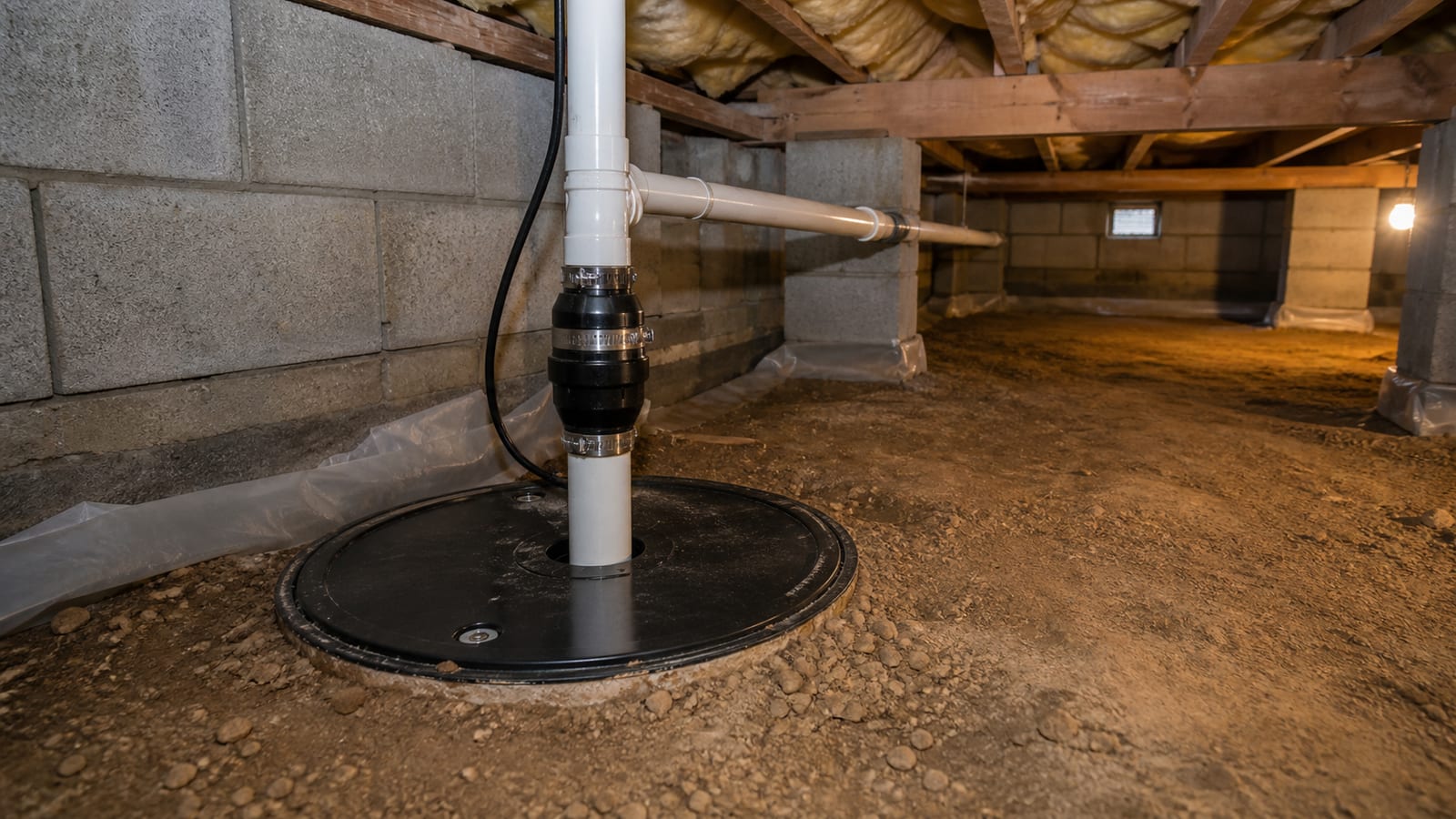
Yes, a sump pump can be placed in a crawl space when there is enough access, a suitable collection basin, a planned drainage route, dependable power, and a safe discharge location. The written scope should explain what water reaches the pump, how it gets there, and which moisture sources remain outside the work.
Begin with the source. Ask the inspector to show where water appears and what conditions may feed it. Clues include soil erosion, wall staining, wet piers, puddle patterns, low spots, and water lines around vents. Exterior roof drainage and grading should also be checked. A plumbing leak needs repair at the leak, while groundwater may call for a collection and pumping system.
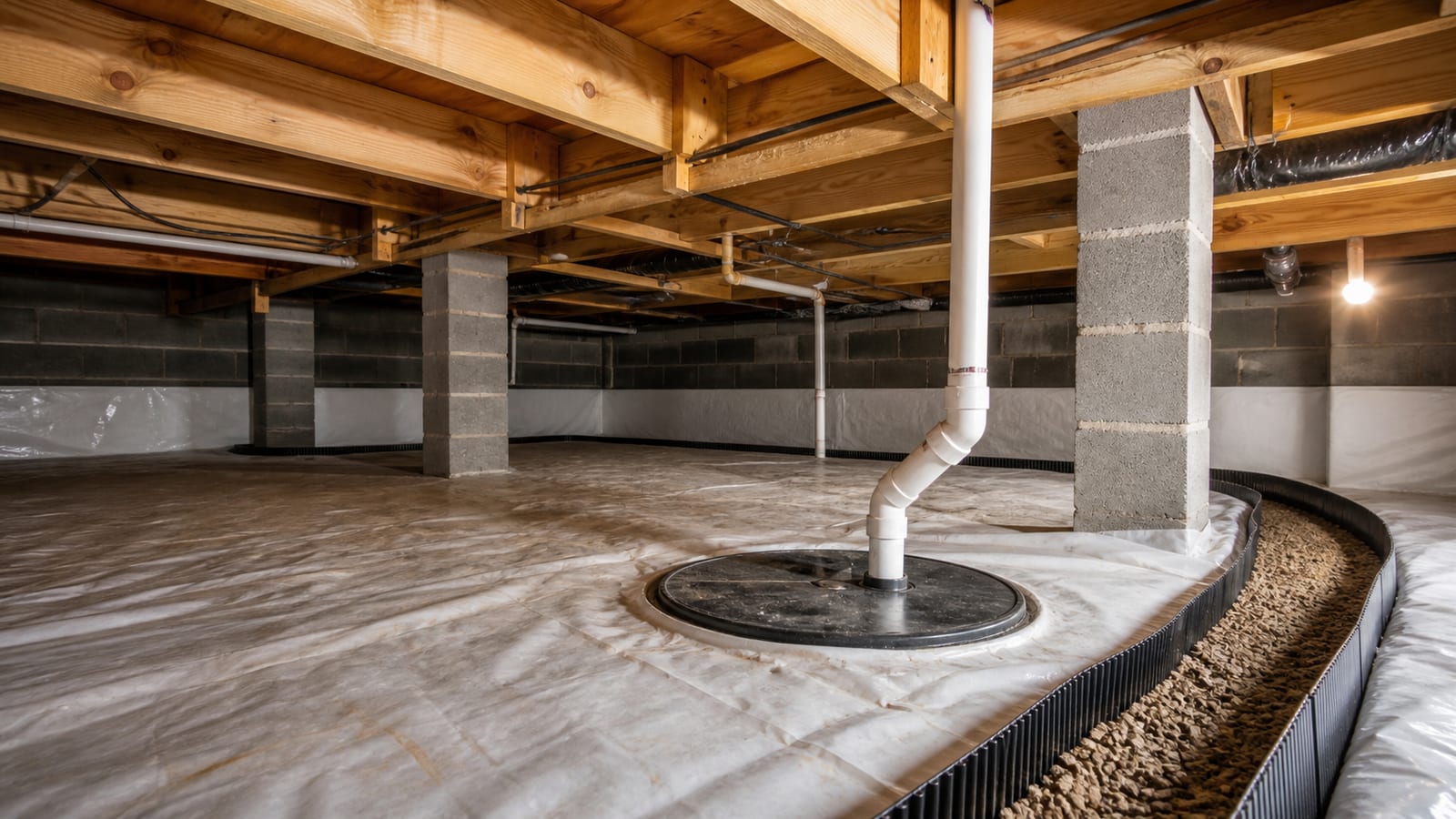
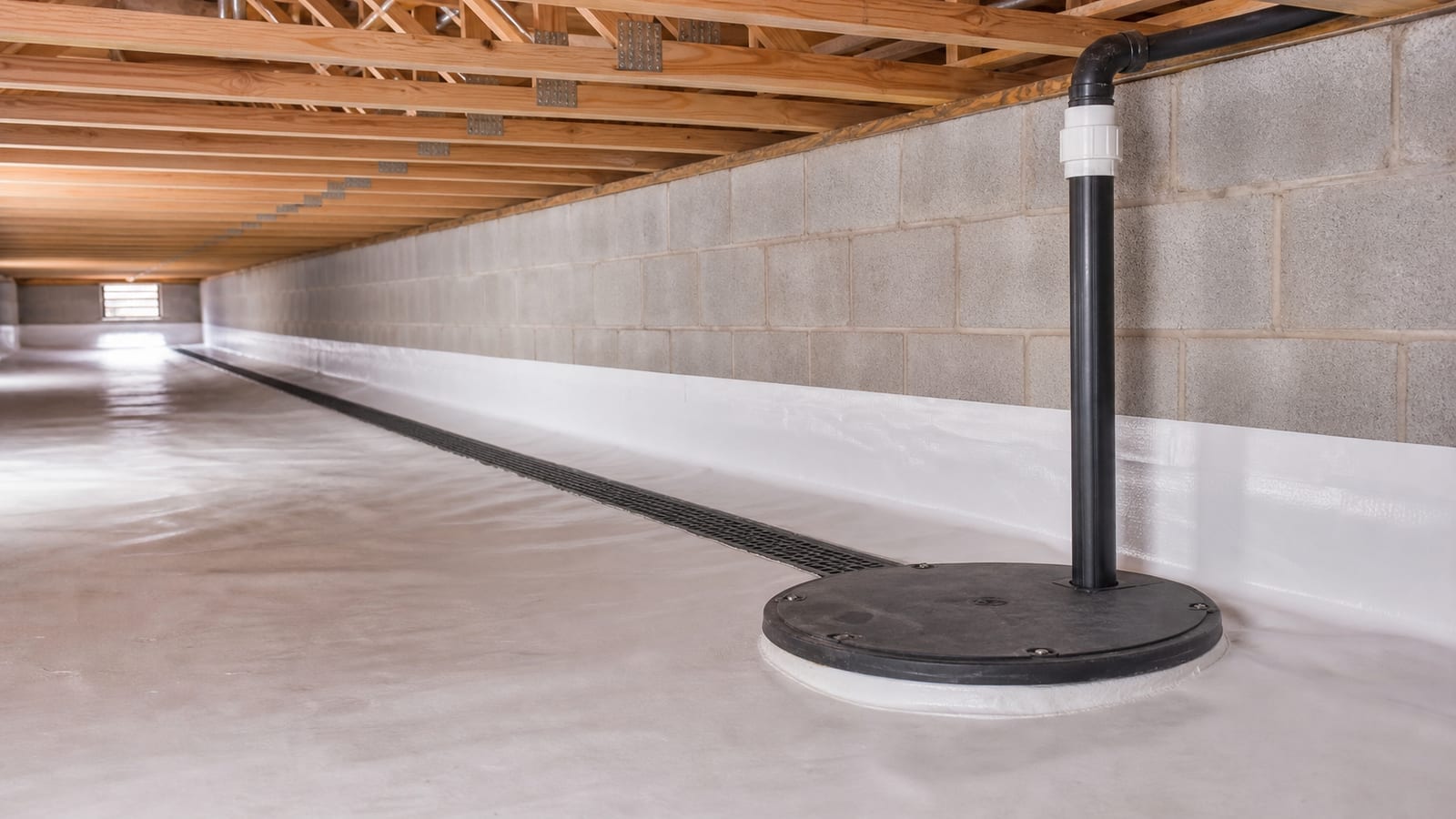
The pump normally sits in a basin below the surrounding drainage level. That basin receives water from a perimeter drain, interior channels, or nearby soil. Review the proposed crawl space drainage system with the pump scope. The proposal should show the basin location, drain route, sediment controls, and treatment of low areas. A pump without a clear collection path may only remove water near the basin.
Access matters before work begins. The crew needs a practical route for materials and installation. Future service also requires room to remove the basin cover, inspect the pump, test the float, and reach pipe connections. If standing water blocks inspection, ask whether standing water removal is a separate first step. The scope should identify that work, any disposal limits, and what happens after the visible water is removed.
Can You Encapsulate a Crawl Space Without a Sump Pump?
Yes, some crawl spaces can be encapsulated without a sump pump. The choice depends on water history, grading, soil conditions, drainage evidence, and the planned use of the liner. Encapsulation manages ground vapor and humid air, but a liner alone should not be treated as a way to collect recurring bulk water.
Encapsulation and drainage solve related but different problems. A sealed liner limits water vapor rising from soil. Sealing vents and air leaks can also reduce humid outdoor air entering the space. The EPA moisture guide stresses that moisture sources should be fixed rather than covered. Recurring liquid water needs its own control plan.
Sequencing is important. If evidence shows seepage or seasonal ponding, collection drains and a basin usually need consideration before the liner is completed. Ask whether the liner will run beneath, around, or into the basin detail. Also ask how wall drainage, piers, seams, and access doors will be handled. The proposal should distinguish crawl space waterproofing from pumping and drainage tasks.
A no-pump scope should state why active pumping is not included. Useful support may include a dry inspection, no water marks, effective exterior drainage, and no reported history of ponding. Yet one dry visit cannot prove all-season conditions. Share past storm observations, seller disclosures, photos, and repair records. If later water entry is possible, ask whether the design preserves space for a future basin or drainage connection. That turns an assumption into a clear responsibility boundary.
How Much Does It Cost to Install a Sump Pump in a Crawl Space?
Installation cost depends on the measured scope, not the pump alone. Key factors include access, excavation, basin size, drain length, discharge routing, electrical needs, debris removal, and liner repairs. Request a written proposal based on an inspection so included work, exclusions, and optional items can be compared on equal terms.
A short pump quote may omit much of the water-control system. Ask each company to separate collection, conveyance, discharge, power, and finish work. Collection covers the basin and any perimeter drainage. Conveyance includes pipe, fittings, check-valve details, and the route out of the crawl space. Finish work may include soil removal, liner patches, sealing, and cleanup.
Use a scope checklist rather than comparing totals alone:
- What inspection evidence supports the design?
- How much drainage and excavation are included?
- Where will the discharge end?
- Who provides the electrical connection?
- What access or clearing must the owner provide?
- What testing and maintenance instructions are included?
Conditions discovered after digging should also be addressed. The proposal should explain how hidden obstructions, unsuitable outlet locations, plumbing conflicts, or restricted access would be handled. Ask whether changes require written approval before added work begins.
Local site conditions vary across Wake Forest, Raleigh, and nearby Triangle communities. Lot slope, foundation layout, and outlet distance can change labor and materials. A measured proposal is more useful than a generic figure. If property insurance might apply to a specific water event, confirm coverage and claim steps directly with the insurer. Do not assume routine drainage or moisture-control work is covered.
What Is the Best Sump Pump for Crawl Space Water Control?
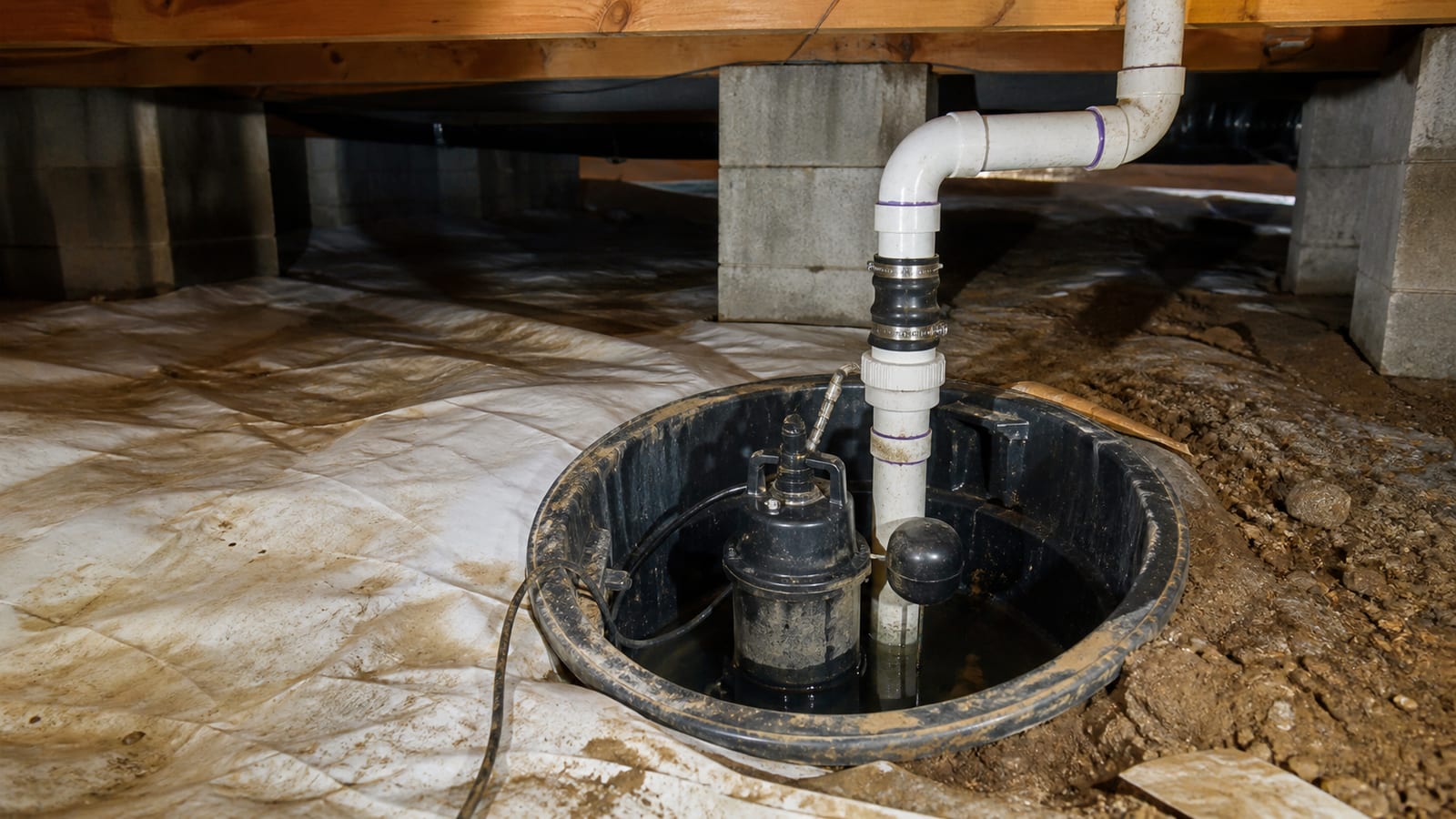
The best sump pump for crawl space water control is one matched to the expected inflow, lift, pipe route, basin, power supply, and service access. Product size alone does not define a sound scope. Ask how the selected pump fits the entire system and how it can be tested, cleaned, and replaced.
Pump selection should follow field conditions. The installer should consider how quickly water may enter, how high it must rise before leaving the property, and how much resistance the discharge pipe creates. This vertical rise is often called head. More lift and a longer route can reduce actual flow, so a label rating without site context is incomplete.
The basin and controls also matter. A basin should give the float enough room to move without catching pipes, wires, or the liner. The cover should permit inspection while limiting debris entry. Ask how sediment will be kept from the pump and whether the check valve can be reached. A check valve helps stop discharged water from falling back toward the basin after the pump shuts off.
Power deserves its own plan. The scope should identify the intended outlet and say who handles any needed electrical work. Do not rely on a vague promise that power is nearby. Ask what happens during an outage and whether a backup option is suitable for the property. Backup capacity and upkeep vary, so those items should be written rather than assumed. A crawl space sump pump installation proposal should also state how operation will be tested before completion.
What Are Common Crawl Space Sump Pump Installation Mistakes?
Common mistakes include installing a pump without a collection route, using a poor basin location, restricting the float, sending water too close to the foundation, overlooking power needs, and blocking service access. Another mistake is leaving the owner without a test plan, maintenance duties, or clear limits on what the system controls.
Start with conveyance. Drain lines need a continuous route toward the basin, with details that reduce sediment and avoid trapped sections. The basin should sit low enough to receive collected water. If the drain stops short of wet areas, water may remain even while the pump works. Ask for a sketch or clear description of the route before approving the scope.
Next, trace the discharge outdoors. The outlet should not create a loop that sends water back toward the foundation. Review slope, erosion risk, nearby walks, property boundaries, and any low areas. The written plan should identify the endpoint and explain whether surface restoration is included. If an outlet crosses a hard surface or another utility area, the proposal should flag that condition before work starts.
Code or permit needs can depend on the exact electrical, plumbing, site, and local jurisdictional work involved. Ask the contractor and the authority having jurisdiction what applies to the proposed scope. Responsibility for checks, approvals, and related work should be written clearly rather than assumed.
Finish with a witnessed test. Water should enter the basin, activate the float, travel through the pipe, and reach the planned outlet. Check for leaks, vibration, backflow, and float interference. Record the outlet location and keep operating instructions where a property manager or future service provider can find them.
Do I Really Need a Sump Pump in My Crawl Space?
You may need a sump pump if recurring groundwater or seepage collects beneath the home and cannot drain safely by gravity. You may not need one when the actual source is a plumbing leak, roof runoff, or exterior grading issue. The decision should follow evidence, water history, and a complete drainage plan.
Ask the inspector to separate bulk water from humidity. Bulk water forms puddles, flows across soil, or enters through foundation areas. Humidity can dampen wood and surfaces without visible flowing water. The NC State Extension mold and moisture checklist offers practical signs to check, including leaks, drainage, condensation, and indoor moisture conditions.
Records can improve a one-time inspection. Share photos taken after heavy rain, notes about pump activity, utility repairs, and dates when odors or dampness changed. Property managers should ask occupants and maintenance staff about prior events. Marking the depth and spread of water can help show whether one low point or a broader collection system needs attention.
A pump is more likely to fit when water repeatedly enters below grade, moves toward an interior low point, and has no reliable gravity outlet. It is less likely to solve water falling from a leaking supply line or downspout. Exterior corrections may reduce the load even when a pump remains part of the plan.
Ask for the decision in writing. The scope should state the observed evidence, assumptions, and excluded sources. It should also explain whether the proposed system controls routine seepage, severe storms, plumbing failures, or only water reaching the installed drains. No pump scope should promise control of every possible event.
What Are the Negatives of a Crawl Space Sump Pump?
A sump pump depends on power, moving parts, a clear inlet, and an open discharge route. It also needs testing and periodic cleaning. Poor placement can add noise or make service difficult. These limits do not make pumps unsuitable, but they should appear in the scope with practical steps for access and upkeep.
Mechanical systems can stop working. Power can fail, a float can stick, sediment can enter the basin, or an outdoor outlet can become blocked. A pump may also cycle too often if water falls back through the discharge line. The inspection and proposal should show how the design reduces these risks without suggesting that maintenance is unnecessary.
Clarify the owner’s routine tasks. A practical plan may include checking the outlet, watching for debris, testing pump activation, and noting unusual sounds or rapid cycling. The exact schedule should reflect the installed system and site conditions. Ask who performs maintenance, what requires a service visit, and how the basin can be opened safely.
Access should remain clear after encapsulation or storage changes. Do not allow the liner, insulation, pipes, or stored items to block the cover and valve. Property managers should record the circuit, basin location, outlet endpoint, and service contact. Those details help another person act without guessing.
Finally, read the exclusions. The pump only handles water that reaches its basin. It does not fix roof drainage, plumbing leaks, condensation, foundation movement, or every storm condition. Inspection observations may flag cracks or movement, but structural design decisions belong to a qualified structural engineer. Carolina Encapsulation Company does not supply engineering services. Keeping that boundary clear helps owners hire the right professional for each task.
Frequently Asked Questions
Should a crawl space sump pump run after every rain?
Not necessarily. Operation depends on rainfall, groundwater level, soil drainage, and how much water reaches the collection system. Frequent cycling may be normal during a wet period, but a sudden change deserves attention. Record how often it runs, check the outdoor outlet, and arrange an inspection if cycling becomes constant or water remains in the crawl space.
Where should crawl space sump pump water discharge?
The outlet should send water away from the foundation without causing erosion, icing, ponding, or drainage onto an adjacent property. The right endpoint depends on lot slope and local conditions. A written scope should name the outlet location, pipe route, surface restoration, and any owner duties needed to keep the endpoint open.
Can one sump pump handle the whole crawl space?
One pump may serve a crawl space if the drainage network can move water from all affected areas into its basin. Size alone does not solve disconnected low spots. Ask the inspector to map wet areas, drain routes, elevations, and obstructions. A divided foundation or uneven grade may require another collection detail rather than simply a larger pump.
Does a crawl space sump pump control humidity?
A pump removes liquid water that reaches its basin. It does not directly control humid air or ground vapor across the crawl space. Humidity control may also require leak repair, exterior drainage work, a sealed ground liner, air sealing, or other moisture measures. The inspection should separate those needs so the pump is not assigned work it cannot perform.
Who is responsible for providing power to the sump pump?
Responsibility should be stated in the written proposal. The drainage installer may identify the pump location and electrical needs, while separate electrical work may be assigned to another provider or the property owner. Confirm the intended outlet, circuit, cord route, and testing process before installation. Do not assume an existing crawl space outlet is suitable.
What should I record after a sump pump is installed?
Keep the proposal, system sketch, pump instructions, test results, basin location, circuit information, and discharge endpoint. Note any maintenance steps and who handles them. Photos of covered drain routes can also help before a liner or insulation hides the work. Good records make future inspections, property management, and service discussions more accurate.
A useful sump pump scope connects every step from water entry to final discharge. It should show the evidence, collection route, pipe path, outlet, power plan, service access, exclusions, and maintenance duties. Compare those details before comparing proposals.
Carolina Encapsulation Company is owned by Benji Holiday and serves Fuquay-Varina and surrounding Triangle communities. To discuss a Wake Forest property, request a free inspection or call 704-207-9348. Availability and service coverage should be confirmed by phone.
How this applies in Wake Forest, NC
For homeowners in Wake Forest, NC, use this topic as a way to organize observations before selecting work. Carolina Encapsulation Company serves Wake Forest, NC and surrounding Triangle communities, but the appropriate scope still depends on the water, moisture, materials, access, and equipment found at the property. Compare the crawl space sump pump installation with the How to Choose a Crawl Space Waterproofing Contractor in Fuquay-Varina, NC before choosing a property-specific next step.