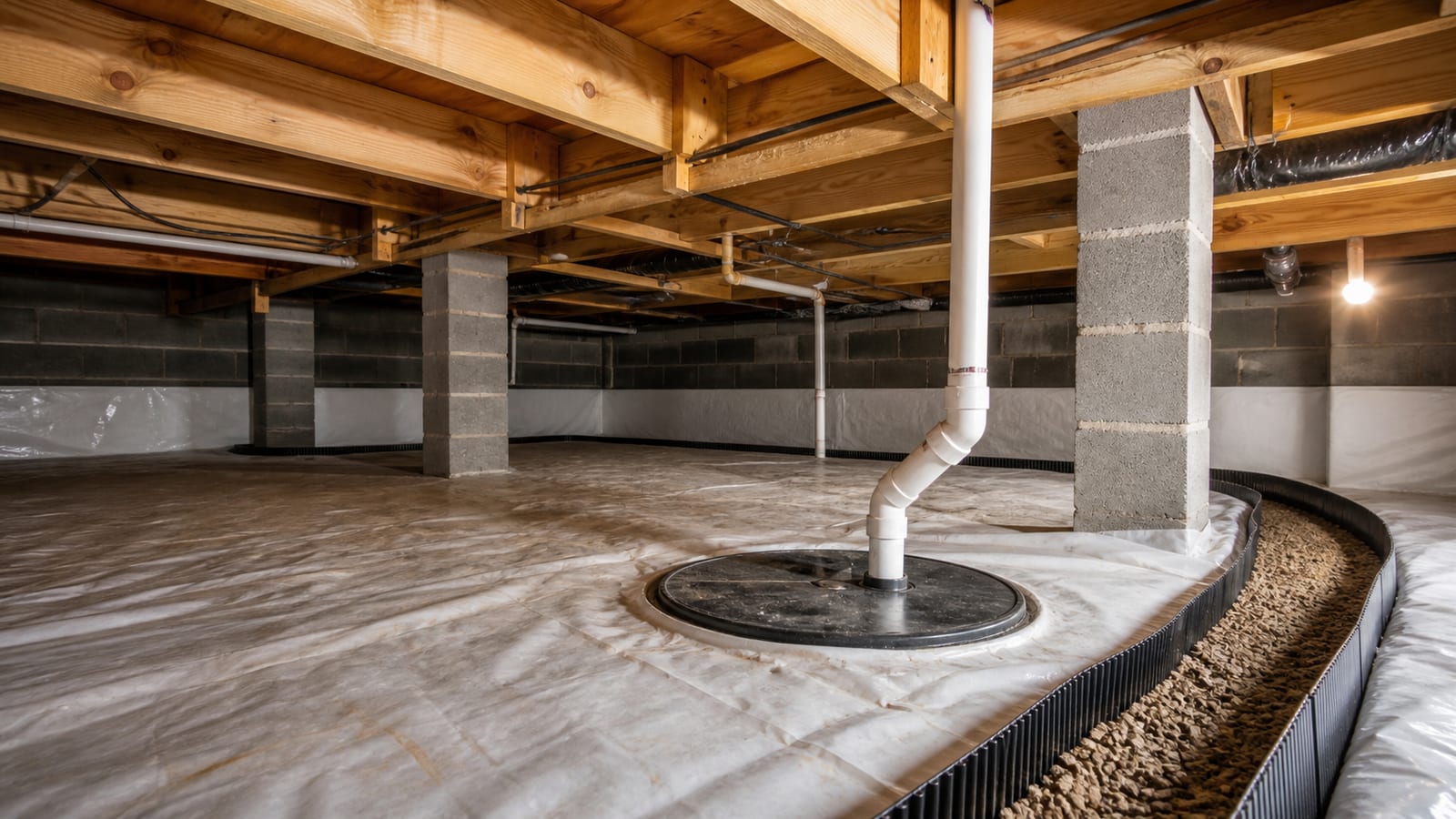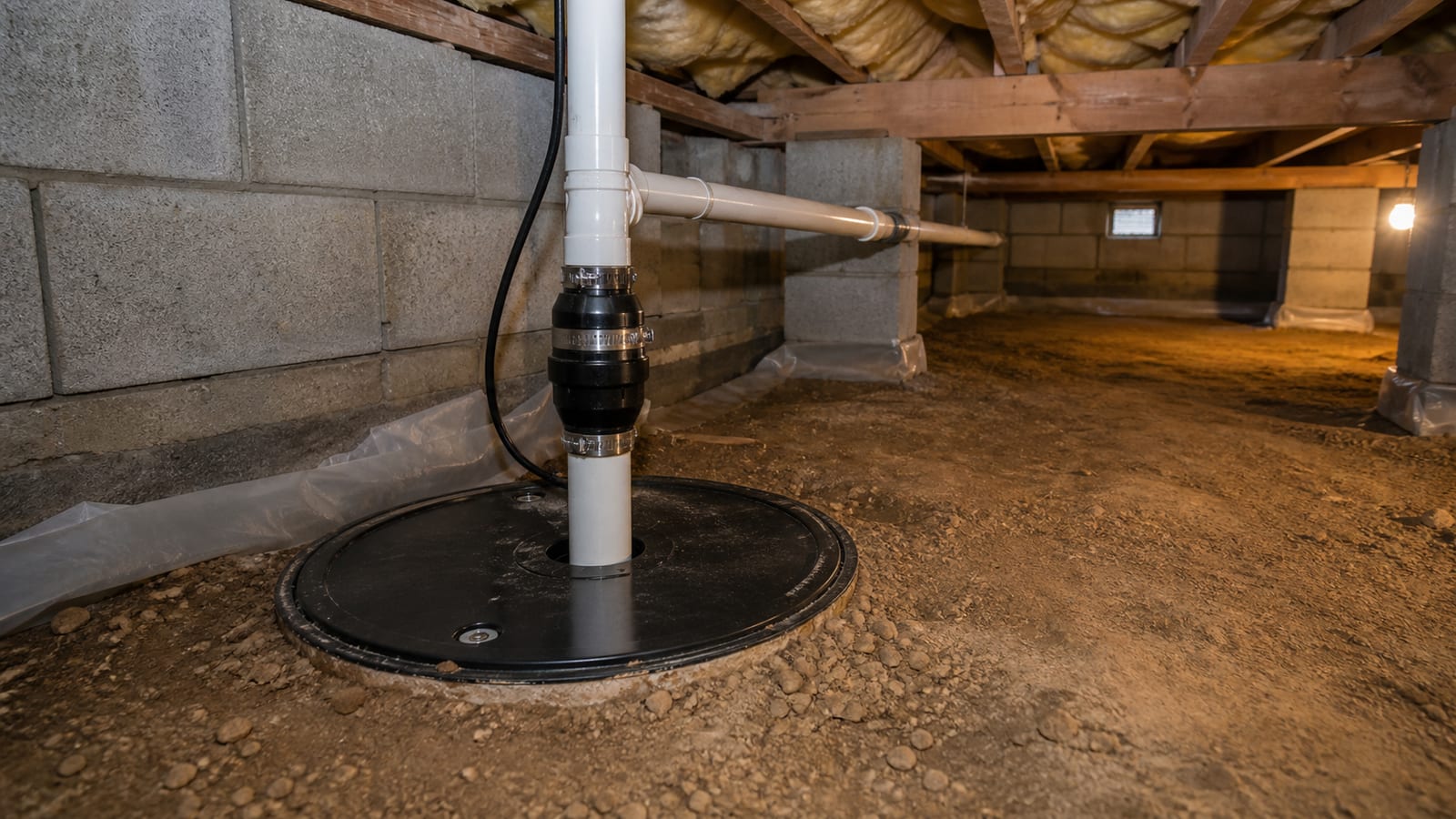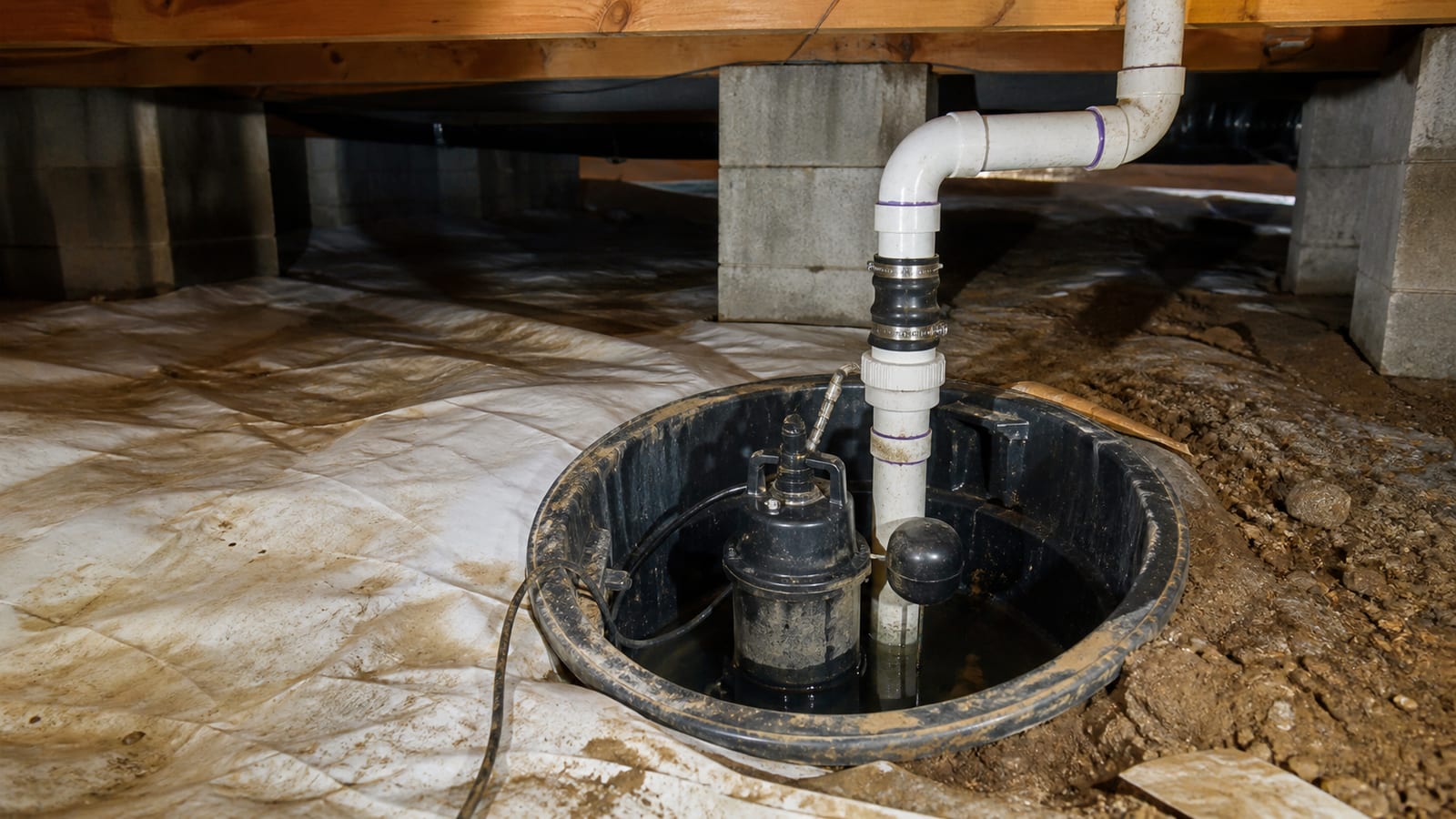
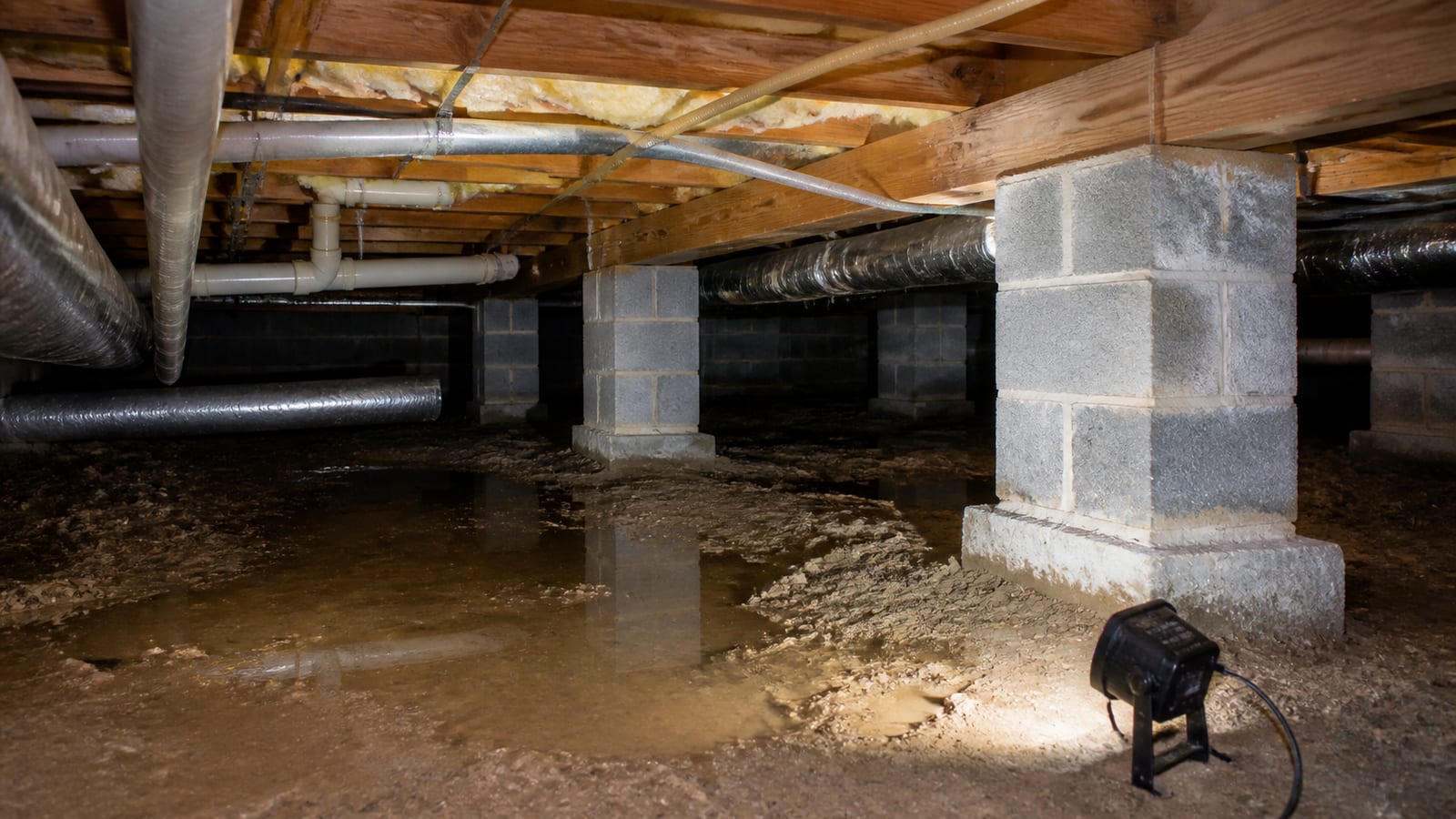
Standing water beneath a home can come from heavy rain, poor drainage, plumbing leaks, or groundwater. If you need standing water removal crawl space service in Clayton, NC, the first step is finding the source. Pumping out visible water may help, but it does not fix the reason water entered.
A useful inspection should trace the whole water-control path. That means checking the source, collection route, drain line, sump basin, discharge point, power supply, service access, and future maintenance. The written proposal should also show what is included, what is excluded, and which problems require another trade.
Carolina Encapsulation Company serves Fuquay-Varina and surrounding Triangle communities, including Clayton when availability is confirmed. A free inspection can help property owners compare a removal-only service with a broader crawl space waterproofing plan.
How Do You Get Rid of Standing Water in a Crawl Space?
Start by finding why the water entered, then remove it safely. The next steps may include drying wet surfaces, correcting drainage, adding a collection channel, or installing a sump system. Water removal alone is temporary if rain, groundwater, grading, or a plumbing leak can refill the space.
A contractor should first check where the water is deepest and where stains begin. Water near a pipe may point to a plumbing leak. Water along a foundation wall often suggests outside drainage or groundwater. Several wet areas may show that water has no clear path to a collection point. Photos and water marks help record these clues.
A sound sequence usually includes:
- Identify electrical, sewage, or access hazards.
- Stop an active leak when possible.
- Extract pooled water without sending it to an unsafe location.
- Remove wet debris that blocks inspection.
- Plan how future water will be collected and discharged.
- Dry the remaining surfaces and check the result.
Ask where removed water will go. The discharge should not flow back toward the foundation or create a problem on nearby property. A standing water removal service should state whether it includes extraction only, debris handling, drying, drain work, or pump installation.
The final scope should name any unresolved source. For example, a plumber may need to repair a supply or drain line. Yard grading and roof runoff may fall outside the crawl space contractor’s work. Clear boundaries prevent a removal visit from being mistaken for a full water-control plan.
How Much Does It Cost to Remove Water From a Crawl Space?
Cost depends on water depth, crawl space size, access, contamination, debris, drying needs, and the cause of entry. A measured written proposal is more useful than a general price. It should separate immediate removal from drainage, pump, discharge, electrical, plumbing, or repair work.
Two crawl spaces with similar floor areas can require very different work. A shallow pool near an open access door may be simple to reach. Deep water across tight bays can take more labor. Standing water mixed with sewage, fuel, or unknown material also changes the safety plan. The proposal should note those conditions rather than hide them in a broad allowance.
Ask the inspector to divide the scope into clear parts. Extraction removes current water. Collection directs future water toward a low point. Conveyance carries it through a drain or pipe. Discharge sends it away from the home. Power runs a pump if one is used. Access allows cleaning and service later. Each part affects the work and should appear in the proposal.
Also check exclusions. A crawl space contractor may not repair plumbing, replace electrical circuits, correct the yard, or make structural design decisions. Visible damage can be recorded during an inspection, but design questions belong with the proper specialist. Disposal and drying should also be listed if they are needed.
Compare the measured scope, not only the total. A lower proposal may cover extraction while another includes a lasting crawl space drainage system. Written details make that difference easier to see.
Is Standing Water in Your Crawl Space Bad?
Yes. Standing water raises moisture levels and can keep soil, wood, and insulation damp. It may support mold growth, odors, pests, and material damage. The concern is not just the visible pool. Water vapor can spread through the crawl space and affect surfaces above it.
Clayton and much of the Triangle stay warm and humid for long periods. That climate slows natural drying. Open vents do not always solve the problem because outdoor air may already hold substantial moisture. A pool of water adds another steady source of vapor beneath the floor.
Check for more than water depth. Record dark staining, damp insulation, rust, soft wood, mineral marks, musty odors, and condensation on ducts or pipes. These signs help show how long moisture may have been present. The NC State Extension mold and moisture checklist offers practical checks for moisture sources and indoor conditions.
Mold should not be treated as a paint or spray problem alone. The water source has to be controlled. The EPA’s brief guide to mold and moisture also stresses prompt moisture control and drying. People with health concerns should seek advice from a qualified health professional rather than relying on a crawl space inspection.
Do not assume every stain proves structural failure. An inspector can record visible sagging, decay, or movement. A structural engineer, not the crawl space company, handles engineering analysis and structural design decisions when those services are needed.
What Can Soak Up Standing Water in a Crawl Space?
Absorbent pads, towels, or wet vacuums may handle a very small spill, but they are not a sound answer for widespread crawl space water. Soil, insulation, and loose absorbent products can hold moisture. Pooled water usually needs controlled extraction, drainage, and drying instead of simple absorption.
First decide whether the water is a minor spill or an active water-entry problem. A small amount from recent service work may be removed with a suitable wet vacuum. Water that covers soil, returns after rain, or reaches several foundation bays needs more than absorbent material. Entering a flooded space may be unsafe if electrical parts or contaminated water are present.
Avoid spreading products that become heavy, messy, or hard to remove. Cardboard, household litter, loose fibers, and similar materials may hide wet soil while adding debris. Wet fiberglass insulation can also hold moisture against nearby materials. The written plan should state whether damaged insulation or debris will be removed and who will dispose of it.
After extraction, drying must reach the damp surfaces. Ask how the contractor will check soil, masonry, joists, subflooring, and insulation. A dry-looking top layer does not prove that the whole space is dry. Moisture readings and return checks may help show progress, depending on the scope.
Long-term control requires a route for new water. That could involve a perimeter channel, a low collection area, a sump basin, or outside runoff corrections. Absorption treats the symptom for a short time. Collection and discharge address how water moves through the property.
What Should You Do if a Crawl Space Is Full of Water?
Stay out until electrical and contamination risks are considered. If possible, stop the source without entering the water. Photograph conditions from a safe location, contact the needed service provider, and ask for a staged plan covering extraction, source repair, drying, drainage, discharge, and follow-up checks.
Do not crawl through water near wiring, outlets, equipment, or unknown utility lines. Avoid contact with water that may contain sewage or chemicals. If an active plumbing leak can be stopped at an accessible shutoff, do so without entering the flooded area. Otherwise, contact the trade responsible for that source.
Before removal begins, record the visible water line, affected rooms, recent weather, plumbing events, and any unusual odor. These notes help the contractor trace the source. They may also help when speaking with an insurer. Do not delay urgent safety steps just to collect more photos.
The work should follow a clear order. Current water is removed first. The active source is then repaired or assigned to the right trade. Wet debris is cleared so hidden areas can be checked. Drying follows. Drainage or pump work should come after the route, discharge point, power needs, and service access have been planned.
Ask what happens if water returns before permanent work begins. Also ask who will reset moved items, remove waste, or check the system after rainfall. If a sump is proposed, review the full crawl space sump pump installation scope. The basin, inlet path, check valve, power, outlet pipe, and accessible service area should work as one system.
Who Provides Standing Water Removal Crawl Space Service in Clayton, NC?
Call a crawl space water-control company when water is entering from soil, walls, or groundwater. Call a plumber for active pipe leaks and an electrician for electrical hazards. Carolina Encapsulation Company offers free crawl space inspections in its Triangle service area, subject to confirmed availability by phone.
The right first call depends on the likely source. Water below a broken drain or supply line points toward a plumber. Water entering after storms may need a crawl space drainage inspection. Roof runoff, clogged gutters, or poor grading may require outside corrections. A serious electrical concern should be handled by an electrician before anyone works near the water.
For groundwater or repeated seepage, compare contractors by the questions they answer. The inspection should trace seven items: source, collection, conveyance, discharge, power, access, and maintenance. Ask the contractor to mark the planned drain path and pump location. The discharge outlet should also be shown, not described only as “away from the house.”
Review the written scope for preparation, removal, drying, materials, testing, cleanup, and exclusions. Check who provides power to a new pump. Ask whether stored items must be moved before work starts. Confirm how the pump, basin, drain, and outlet can be reached for future service.
Carolina Encapsulation Company is a service-area business owned by Benji Holiday. It serves Fuquay-Varina and surrounding Triangle communities. Clayton property owners can request a free inspection and confirm current availability. The visit should help define the water source and the parts of the control plan that fit the property.
Does Insurance Cover Water in a Crawl Space?
Coverage depends on the policy, water source, timing, and exclusions. Do not assume removal or repairs are covered. Contact the insurer promptly, describe the event accurately, and ask what records are required. The contractor’s proposal should separate emergency extraction from permanent drainage, pump, drying, and repair work.
Insurers may treat a sudden plumbing event differently from groundwater, long-term seepage, poor maintenance, or flooding. Only the insurer can explain how a specific policy applies. A crawl space contractor can report visible conditions and proposed work, but should not promise coverage or interpret the policy for the owner.
From a safe location, photograph water levels, affected materials, and the apparent source. Record when the problem was found and any recent storm or plumbing event. Keep proposals, invoices, and notes from calls. Ask the insurer whether inspection is needed before damaged material is removed. Safety work should not be postponed if waiting would create more risk.
A clear proposal helps everyone understand the event. It should separate water extraction, debris removal, drying, plumbing repair, drainage, sump work, discharge piping, electrical work, and material replacement. It should also state which tasks are excluded or assigned to others.
Ask who approves added work if hidden conditions appear. Also confirm who is responsible for moving stored goods and protecting access areas. Even if a claim is opened, the property owner remains responsible for reviewing the scope and authorizing work. Keep the insurer’s decision separate from the contractor’s plan for stopping future water.
Frequently Asked Questions
Can standing water disappear without being pumped out?
Some shallow water may soak into soil or evaporate, but that does not mean the problem is fixed. Moisture can remain in soil, wood, and insulation after the pool disappears. If water returns after rain or collects near walls, ask for an inspection that traces the entry point and future drainage route.
Should crawl space water be removed before encapsulation?
Yes. Active water entry should be found and controlled before a sealed ground liner is treated as the final step. Otherwise, water may collect beneath the liner or enter above it. The scope should explain removal, drainage, drying, liner placement, and how the pump or drain remains accessible for service.
How can I compare two crawl space water removal proposals?
Compare the measured area, current water depth, source findings, extraction work, drying plan, drain route, sump details, discharge point, power needs, and cleanup. Look closely at exclusions. One proposal may remove only the existing water, while another may include a system intended to manage water that returns.
Where should a crawl space sump pump discharge?
The outlet should move water away from the foundation without sending it back toward the crawl space. It should not create erosion, unsafe walking areas, or drainage problems for nearby property. Site slope and local conditions matter, so ask the contractor to show the planned outlet and explain how it can be inspected.
What maintenance does a crawl space drainage system need?
Maintenance may include clearing drain openings, checking the sump basin, testing pump operation, reviewing the power connection, and inspecting the discharge outlet. Leaves, sediment, pests, or stored items can block access. The proposal should state which checks the owner handles and which service tasks require a contractor or another trade.
How soon should a Clayton homeowner address standing water?
Address it as soon as it can be done safely. Warm, humid conditions can keep crawl space materials damp after visible water is gone. Prompt inspection also makes water marks and likely entry paths easier to record. Avoid entering if water may contact electrical parts or contain sewage, fuel, or chemicals.
Standing water removal is only the first part of a lasting plan. A useful scope should show where water starts, how it is collected, where it travels, where it leaves, what powers the system, and how each part can be maintained.
Carolina Encapsulation Company offers free inspections in Fuquay-Varina and surrounding Triangle communities. Clayton service availability must be confirmed by phone. Request an inspection or call 704-207-9348 to discuss the crawl space, recent water conditions, and next steps.
How this applies in Clayton, NC
For homeowners in Clayton, NC, use this topic as a way to organize observations before selecting work. Carolina Encapsulation Company serves Clayton, NC and surrounding Triangle communities, but the appropriate scope still depends on the water, moisture, materials, access, and equipment found at the property. Compare the standing water removal with the How to Choose a Crawl Space Waterproofing Contractor in Fuquay-Varina, NC before choosing a property-specific next step.