A Year-Round Crawl Space Encapsulation Maintenance Calendar
Encapsulation is a system, not a surface that can be forgotten. A short seasonal routine helps identify changes before a small maintenance item becomes a larger moisture problem.
Browse encapsulation care crawl space articles for North Carolina homeowners, ordered from newest to oldest.
An encapsulated crawl space remains a working moisture-control system. The liner, sealed openings, dehumidifier, drain, sump equipment, access door, and conditions outside the foundation each need periodic attention.
These articles help owners build a repeatable maintenance record. They explain how to confirm a reading, review equipment and drains, protect the liner, and recognize when a change deserves an on-site inspection.
Encapsulation is a system, not a surface that can be forgotten. A short seasonal routine helps identify changes before a small maintenance item becomes a larger moisture problem.
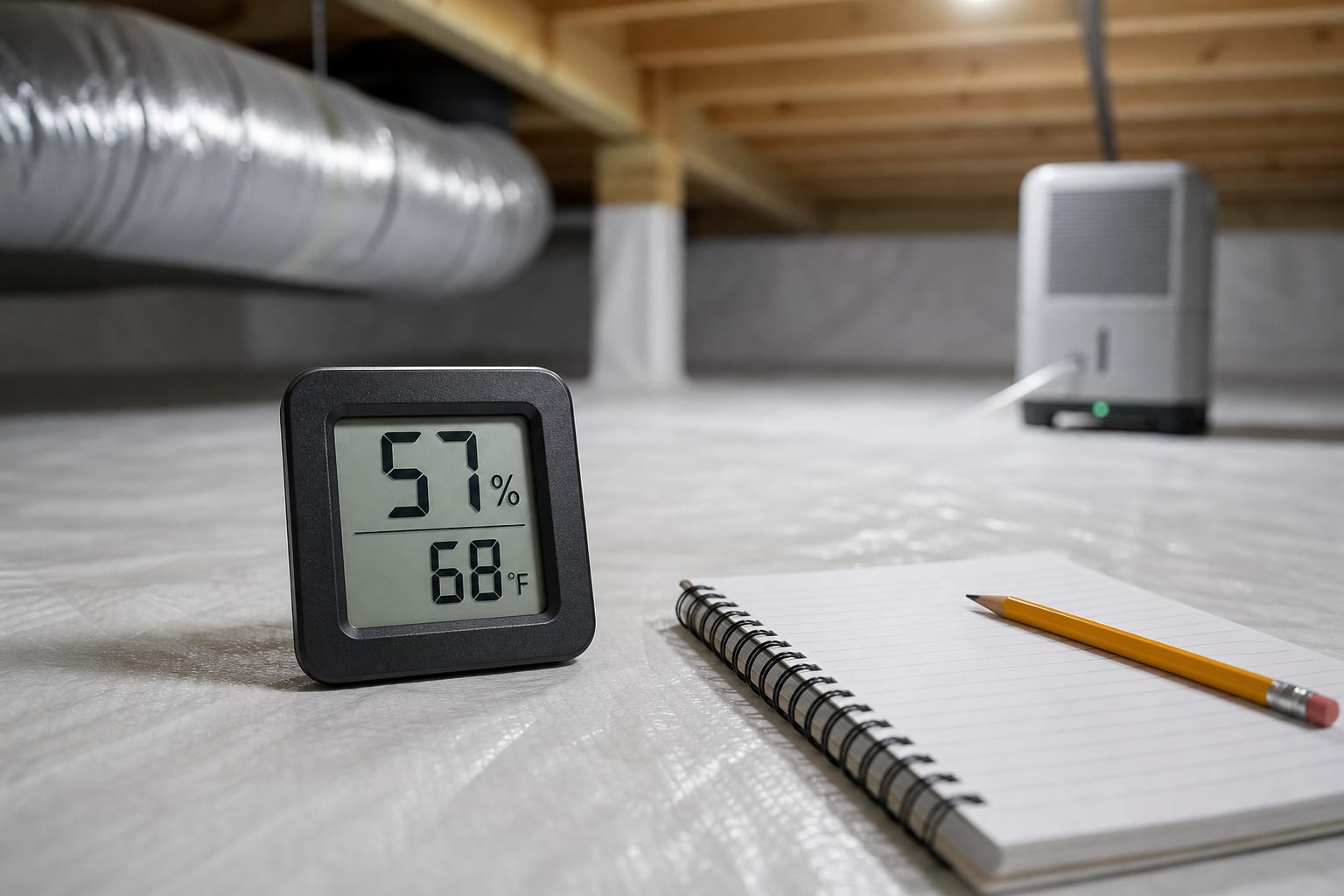
One humidity number is a snapshot. A useful record includes location, time, weather, equipment status, and whether condensation or damp materials are present.
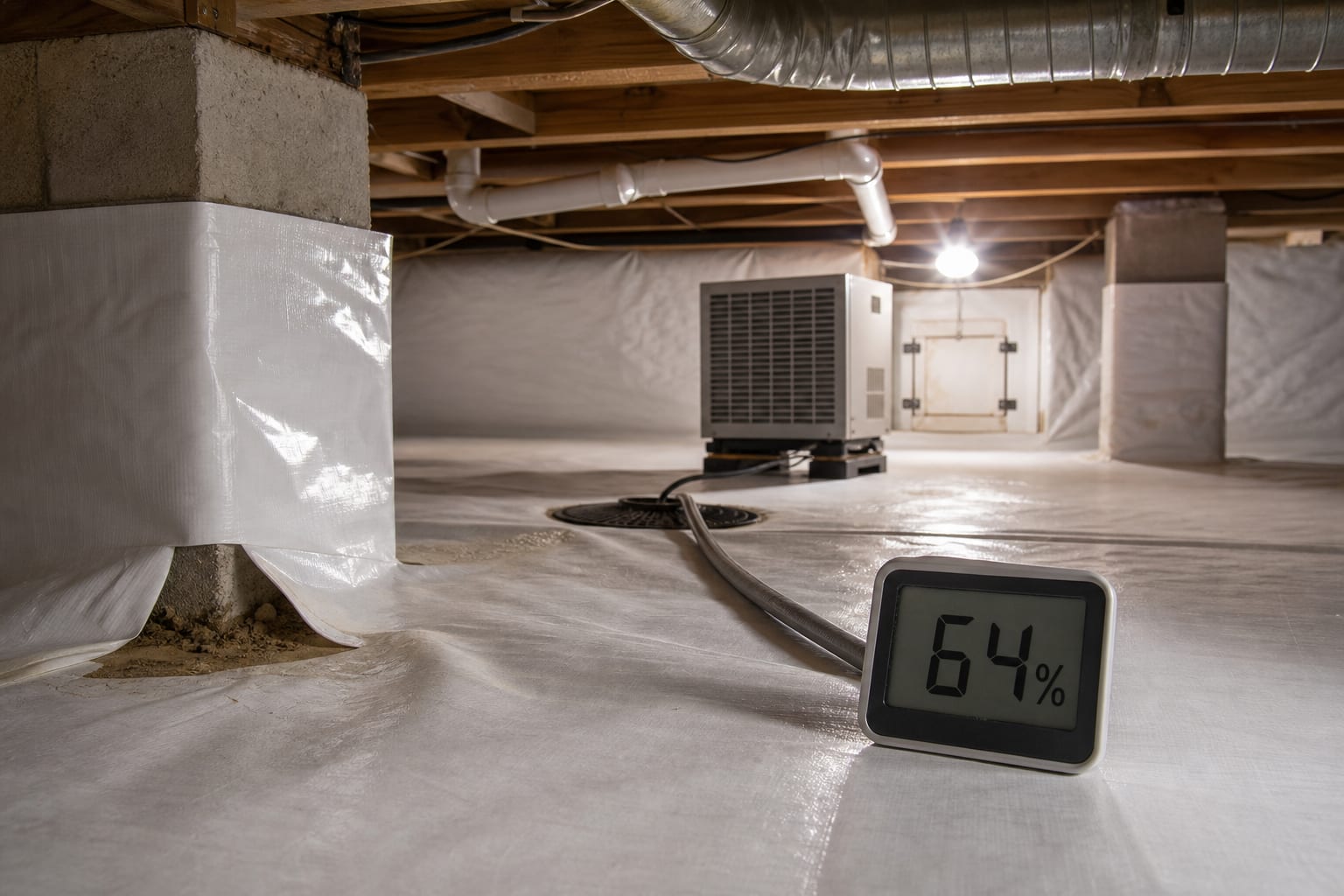
A reading above 60 percent deserves attention, but the number alone does not identify the source. Confirm the measurement, then inspect the system in a consistent order.
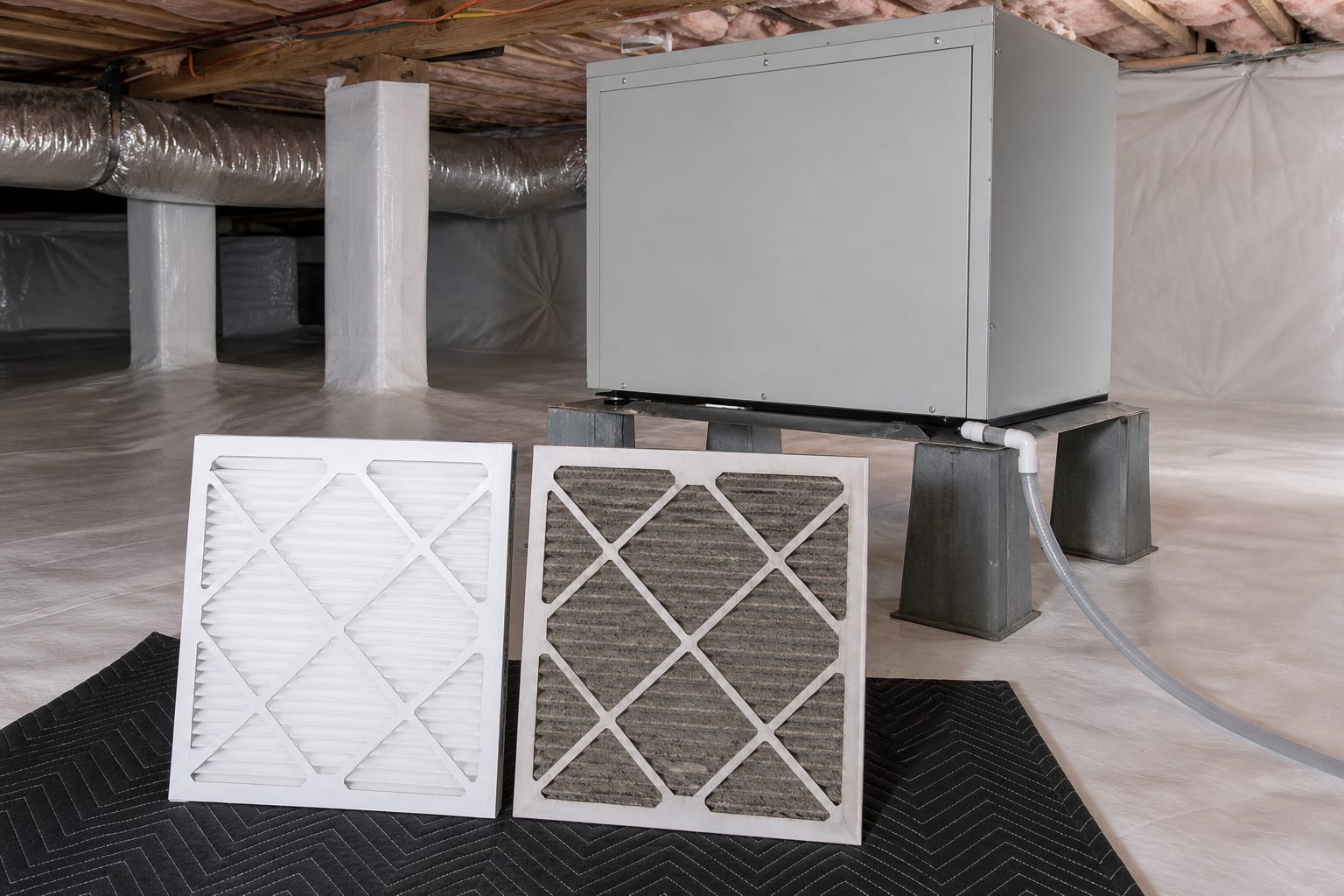
The equipment manual controls the interval. Dust, construction, pest activity, and restricted airflow can make a filter need attention sooner.
A liner can control ground vapor without erasing every earlier moisture condition. Persistent odor is a reason to look for the remaining source, not mask the smell.
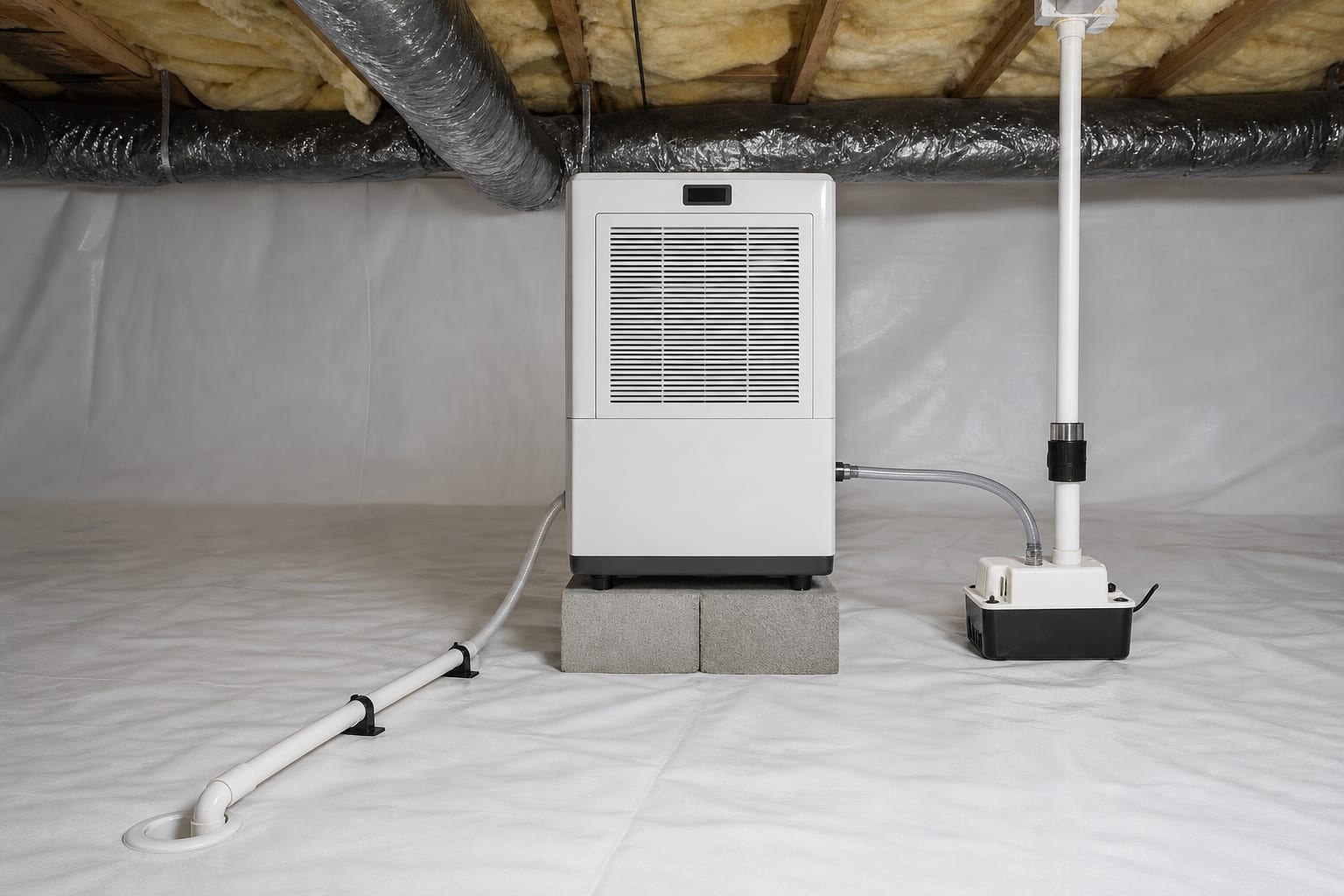
A gravity drain needs continuous fall and a suitable discharge path. A pump can lift water but adds powered equipment and maintenance points.
Start with what can be verified: the location, timing, weather, equipment status, visible material, odor, sound, reading, or change from an earlier condition. Include a photo when it can be taken safely. A clear observation helps an inspector test possible sources without assuming that a familiar symptom has the same cause in every home.
Use the articles in this category to improve that record and prepare questions. Then follow the contextual links to the broader problem, service, guide, cost-factor, or comparison page that owns the primary topic. That structure keeps the article focused on the situation instead of repeating a sales page.
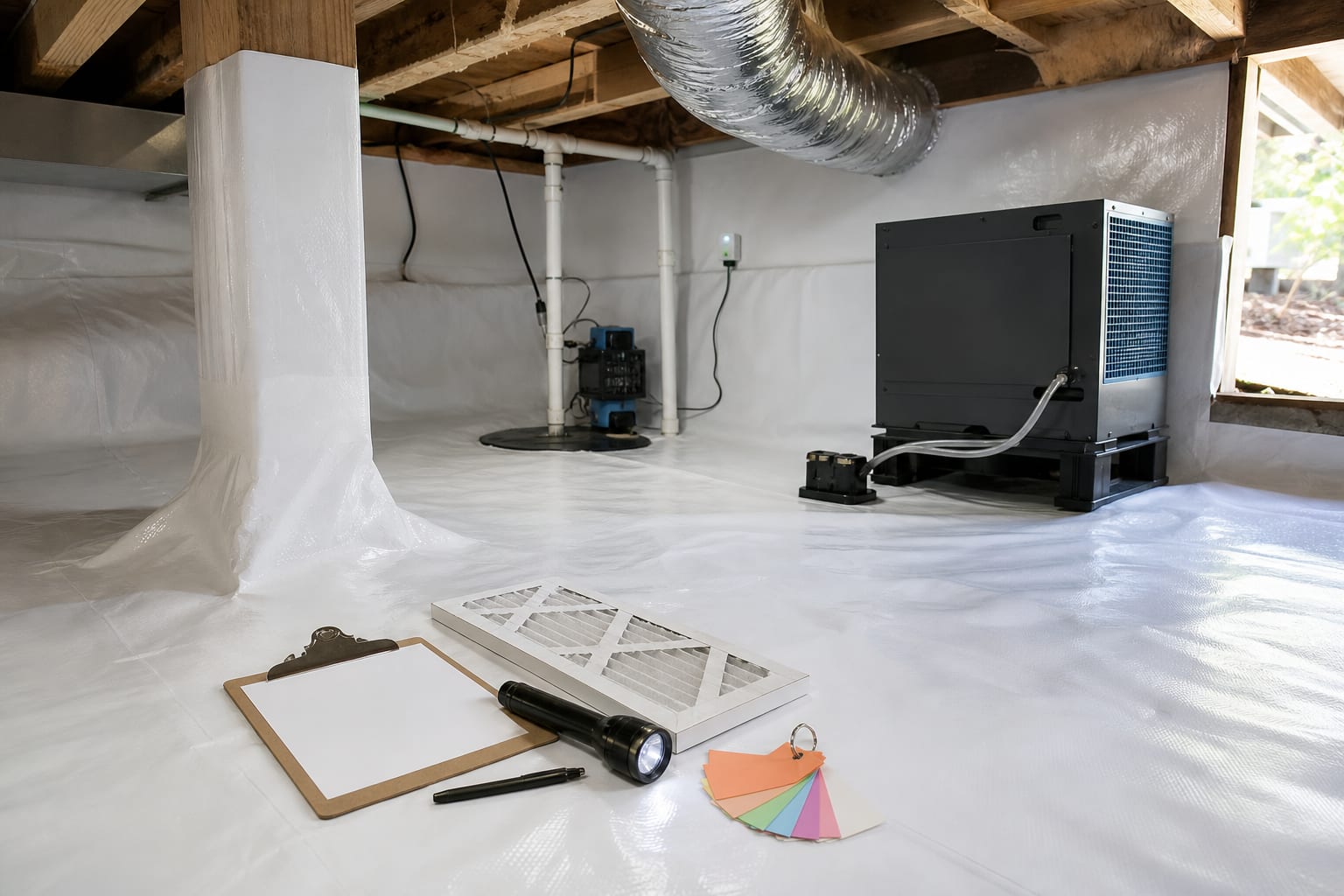
A maintenance record should identify the components that are actually installed. Note the liner, wall and pier transitions, sealed openings, access door, dehumidifier, drain or condensate pump, sump basin, discharge path, humidity sensor, and any alarm. Not every encapsulated crawl space uses the same combination.
Follow the equipment manufacturer’s instructions for filters, cleaning, clearances, drainage, and service. A generic calendar can remind you to look, but it cannot replace the model-specific manual. Keep the model and serial information where it can be found without entering an unsafe space.
Do not enter standing water near electrical equipment, a space with suspected structural instability, sewage, animals, exposed hazards, or another condition that makes access unsafe. Do not disturb suspected mold, insect evidence, wiring, plumbing, combustion equipment, or structural supports to complete a checklist.
General articles cannot determine code compliance, engineering adequacy, pest status, medical risk, insurance coverage, legal duties, or the correct repair scope for a specific property. Use the qualified code official, engineer, pest professional, inspector, licensed trade, attorney, or other specialist whose scope matches the question.
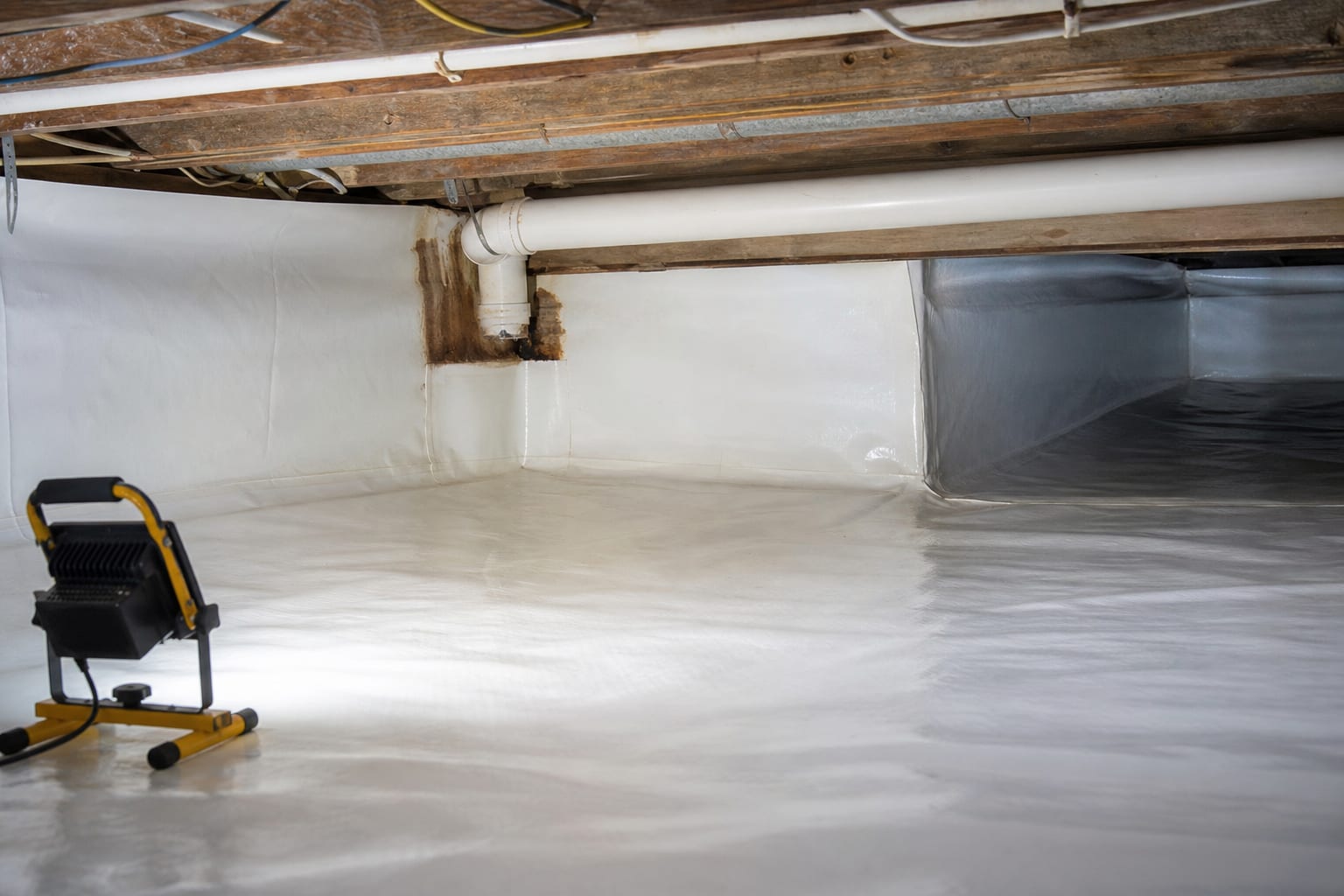
A visual liner check should focus on change. Look for punctures, pulled seams, water beneath or above the material, loose wall attachments, disturbed pier details, and debris left after another trade entered. Avoid moving equipment or opening electrical components as part of a homeowner check.
Exterior water management remains relevant after encapsulation. Gutters, downspouts, grade, plumbing, and foundation entry points can continue sending liquid water toward the crawl space. A sealed system manages moisture, but it does not make every outside water source disappear.

Keep one simple maintenance log for the entire system. Record humidity, filter service, drain observations, sump or alarm checks, liner repairs, exterior drainage changes, and any trade that entered. A short consistent log is more useful than a collection of readings without dates or locations.
When something changes, compare the current condition with the most recent normal entry. Note whether the access was left open, a filter was changed, power was interrupted, plumbing or HVAC work occurred, or heavy rain preceded the change. That sequence often narrows the inspection faster than replacing equipment by guesswork.
Maintenance should preserve access and visibility. Do not cover drains, block airflow, store materials against equipment, or hide wall and pier transitions. The system must remain inspectable so a later concern can be traced without dismantling unrelated work.
Bring the record forward instead of starting over at every visit. Save the original observation, the photos, the dates, any measurements, the written scope, and what changed afterward. When the condition returns, compare it with the earlier event using the same locations and terms. That continuity helps distinguish a recurring source from a new issue and helps each professional understand what the previous person actually observed. The goal of this category is not to turn a homeowner into the inspector or designer. It is to make the handoff from observation to qualified review clearer, safer, and easier to verify.
A free inspection connects general guidance to the conditions beneath your home.