Carolina Encapsulation Company logo Carolina Encapsulation
Blog Category

Home Buying and Selling

Browse home buying and selling crawl space articles for North Carolina homeowners, ordered from newest to oldest.

What this category covers

Crawl space questions during a home transaction are often documentation questions. Buyers and sellers need to understand the observed condition, prior scope, permits where applicable, equipment, drains, maintenance, pest access, and what records transfer.

These articles are general educational material, not legal, contract, real-estate, pest-control, or engineering advice. Use them to organize questions within the deadlines and professional scopes that apply to the transaction.

Newest to Oldest

All Home Buying and Selling articles

Use the Category Well

Turn general guidance into a better property record

Record the observation before choosing a label

Start with what can be verified: the location, timing, weather, equipment status, visible material, odor, sound, reading, or change from an earlier condition. Include a photo when it can be taken safely. A clear observation helps an inspector test possible sources without assuming that a familiar symptom has the same cause in every home.

Use the articles in this category to improve that record and prepare questions. Then follow the contextual links to the broader problem, service, guide, cost-factor, or comparison page that owns the primary topic. That structure keeps the article focused on the situation instead of repeating a sales page.

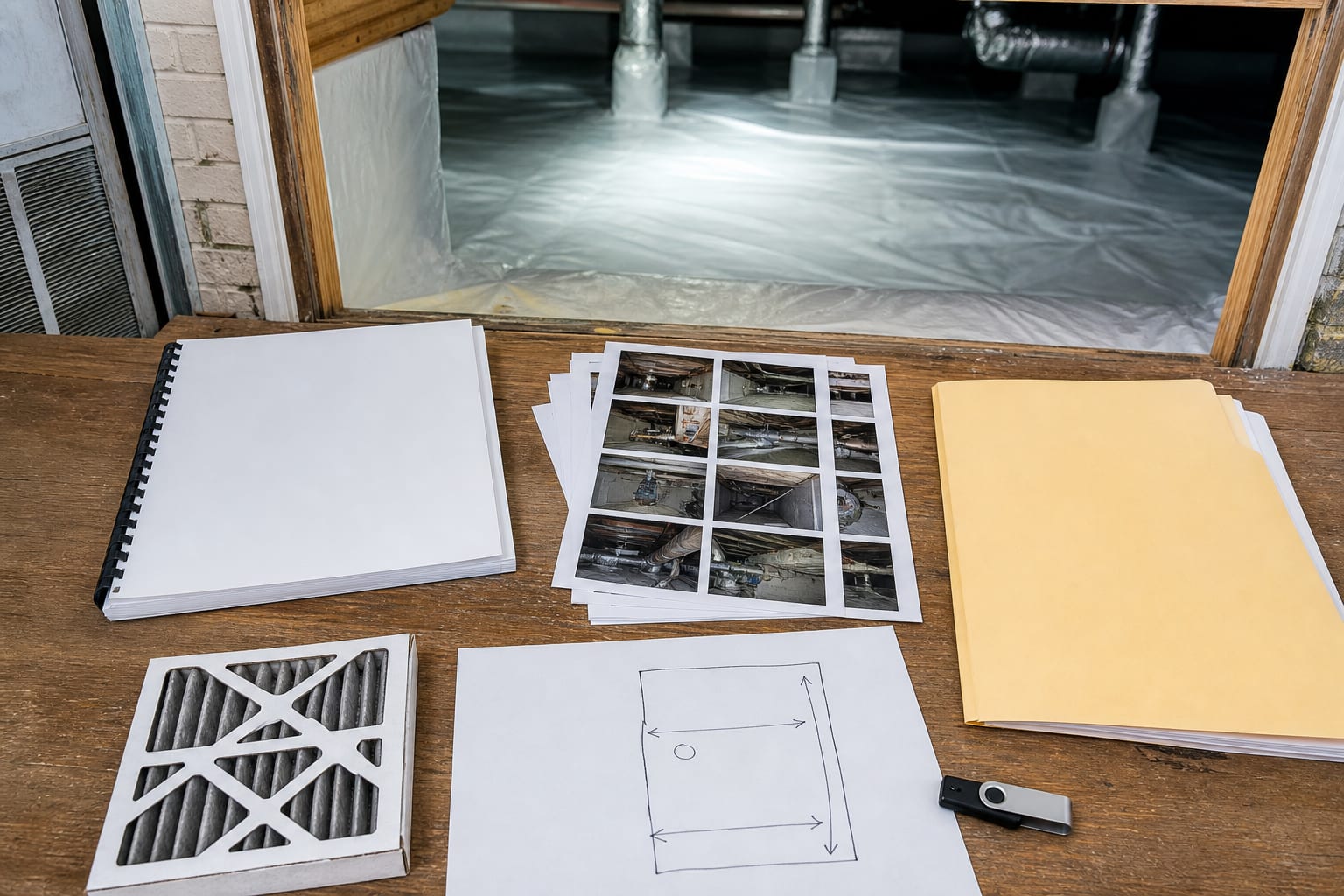
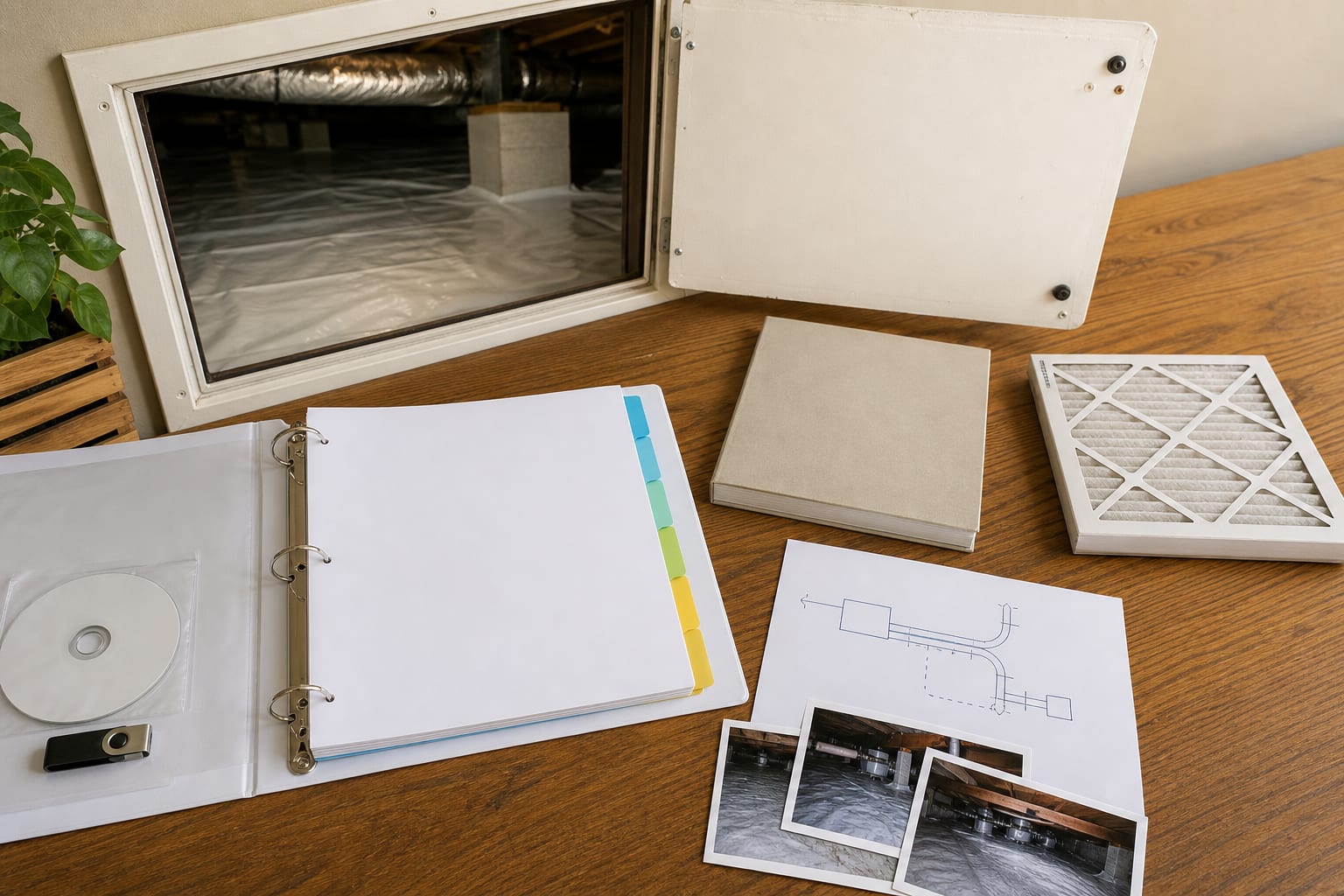
Build the property record before trying to interpret it. Useful documents may include inspection reports, the written scope, permits when applicable, equipment manuals, model information, maintenance records, pest reports, repair invoices, dated photos, and a diagram showing drains or discharge locations.

Ask what condition prompted the work and what changed afterward. A clean liner does not reveal whether the original issue was ground vapor, roof runoff, a plumbing leak, bulk water, damaged insulation, surface growth, or structural concern. The earlier report and scope may provide that missing context.

Know where a homeowner check should stop

Do not enter standing water near electrical equipment, a space with suspected structural instability, sewage, animals, exposed hazards, or another condition that makes access unsafe. Do not disturb suspected mold, insect evidence, wiring, plumbing, combustion equipment, or structural supports to complete a checklist.

General articles cannot determine code compliance, engineering adequacy, pest status, medical risk, insurance coverage, legal duties, or the correct repair scope for a specific property. Use the qualified code official, engineer, pest professional, inspector, licensed trade, attorney, or other specialist whose scope matches the question.

Keep professional scopes separate. A home inspection, wood-destroying-insect report, structural evaluation, code inspection, and crawl space moisture inspection do not answer identical questions. When one report notes a limitation or recommends another discipline, follow the issue into the appropriate scope.

Transaction deadlines and disclosure duties depend on the contract, the professionals involved, and applicable law. These articles provide a question framework only. Buyers and sellers should rely on their real-estate, legal, inspection, pest, engineering, and code professionals for decisions within those roles.

A repeatable workflow for home buying and selling

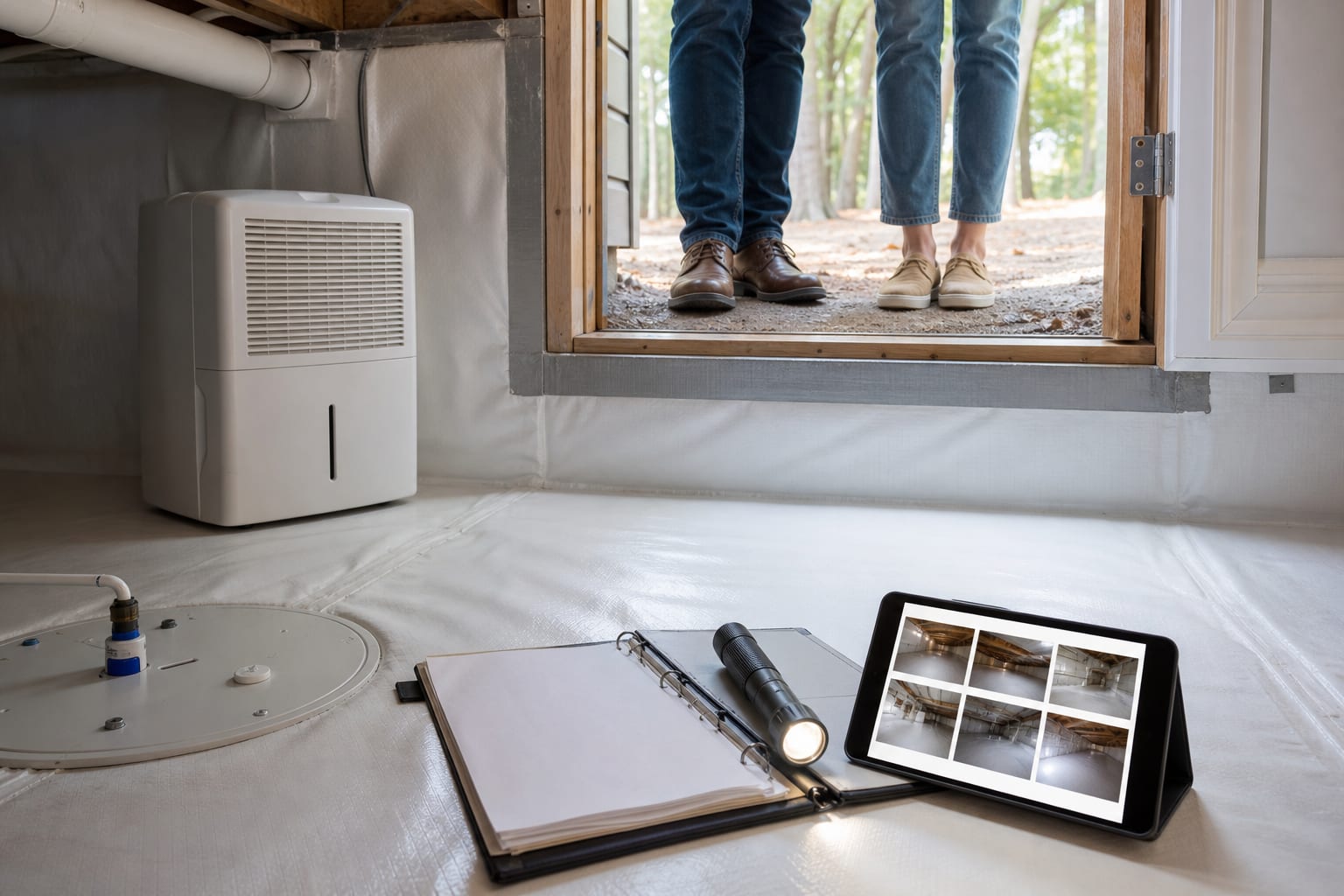
Organize transaction questions into three columns: original condition, completed work, and ongoing responsibility. Place each record in one of those columns. Missing information then becomes easier to identify, whether it is a before photo, final scope, permit status, equipment manual, drain outlet, or maintenance date.

Ask the inspector to state access limitations plainly. Encapsulation can make a space cleaner to enter, but equipment, low clearance, stored items, liner placement, insulation, and sealed surfaces can still limit what is visible. A limitation should lead to a specific follow-up question rather than a blanket conclusion.

At handoff, the new owner should know what to look at after heavy rain, where humidity is measured, what filters or batteries require attention, where water discharges, and which professional scopes remain separate. That information supports future maintenance without promising a particular property outcome.

Bring the record forward instead of starting over at every visit. Save the original observation, the photos, the dates, any measurements, the written scope, and what changed afterward. When the condition returns, compare it with the earlier event using the same locations and terms. That continuity helps distinguish a recurring source from a new issue and helps each professional understand what the previous person actually observed. The goal of this category is not to turn a homeowner into the inspector or designer. It is to make the handoff from observation to qualified review clearer, safer, and easier to verify.

Need Help With What You Found?

A free inspection connects general guidance to the conditions beneath your home.

Call 704-207-9348
Call Free Inspection