Record the observation before choosing a label
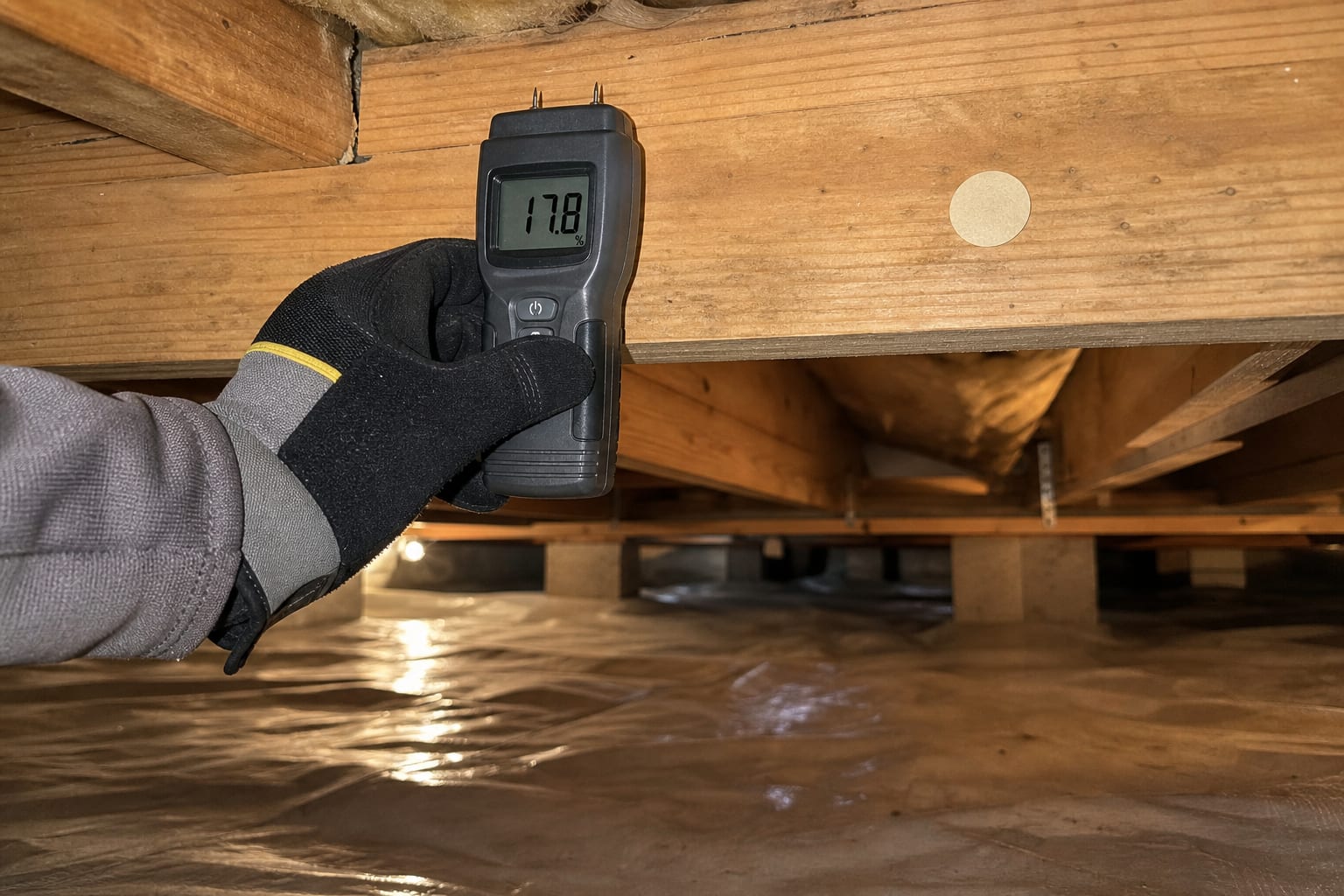
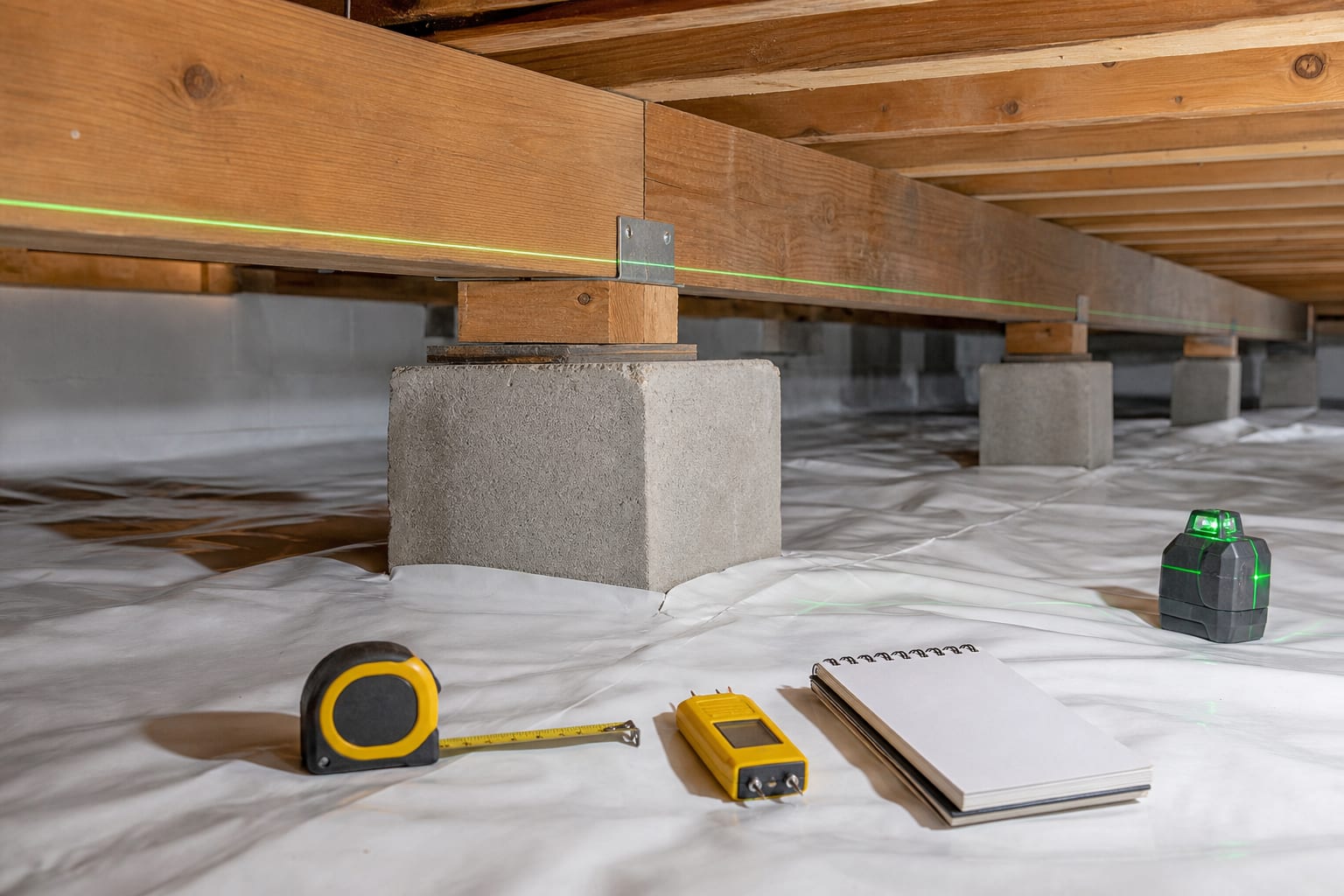
Start with what can be verified: the location, timing, weather, equipment status, visible material, odor, sound, reading, or change from an earlier condition. Include a photo when it can be taken safely. A clear observation helps an inspector test possible sources without assuming that a familiar symptom has the same cause in every home.
Use the articles in this category to improve that record and prepare questions. Then follow the contextual links to the broader problem, service, guide, cost-factor, or comparison page that owns the primary topic. That structure keeps the article focused on the situation instead of repeating a sales page.
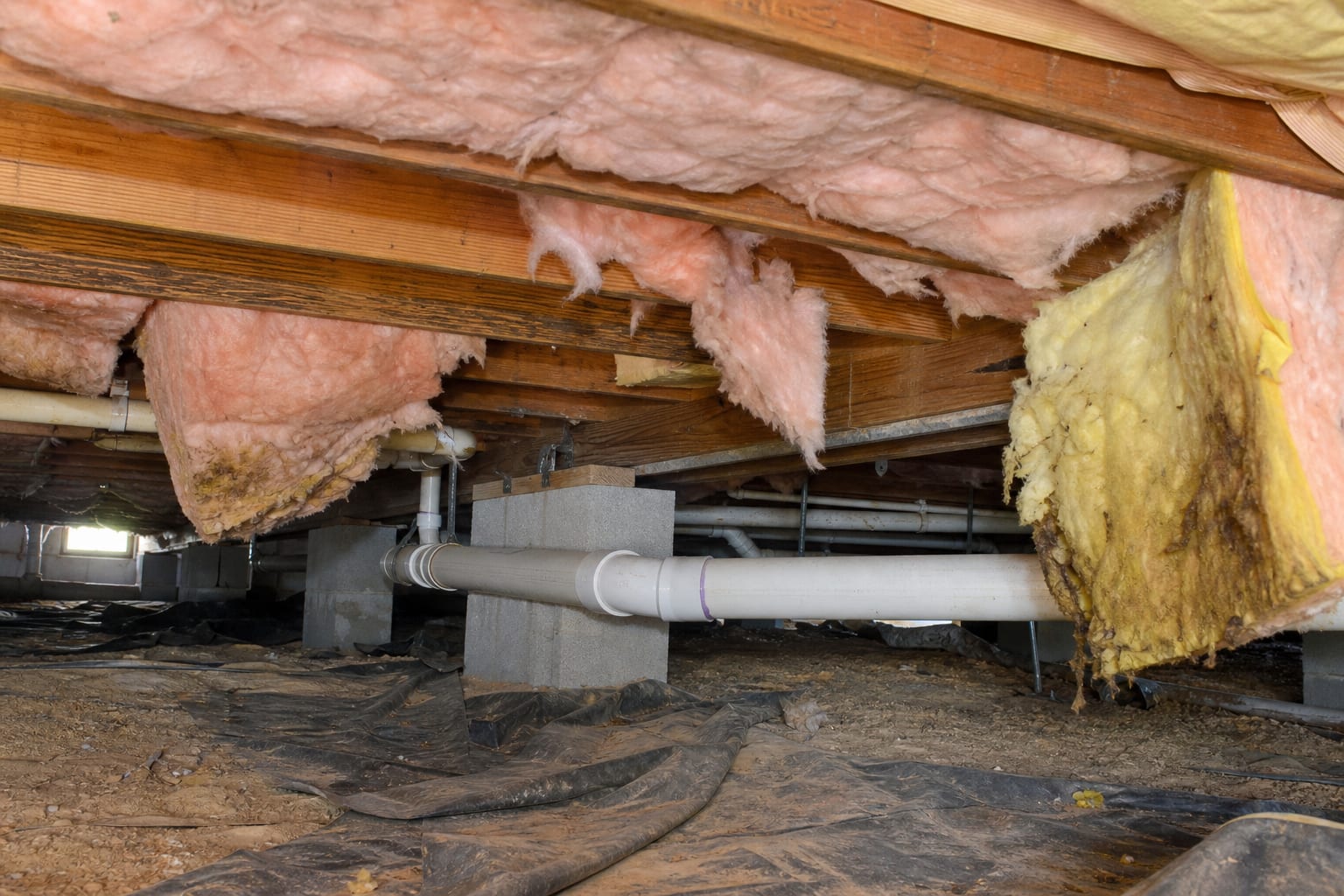
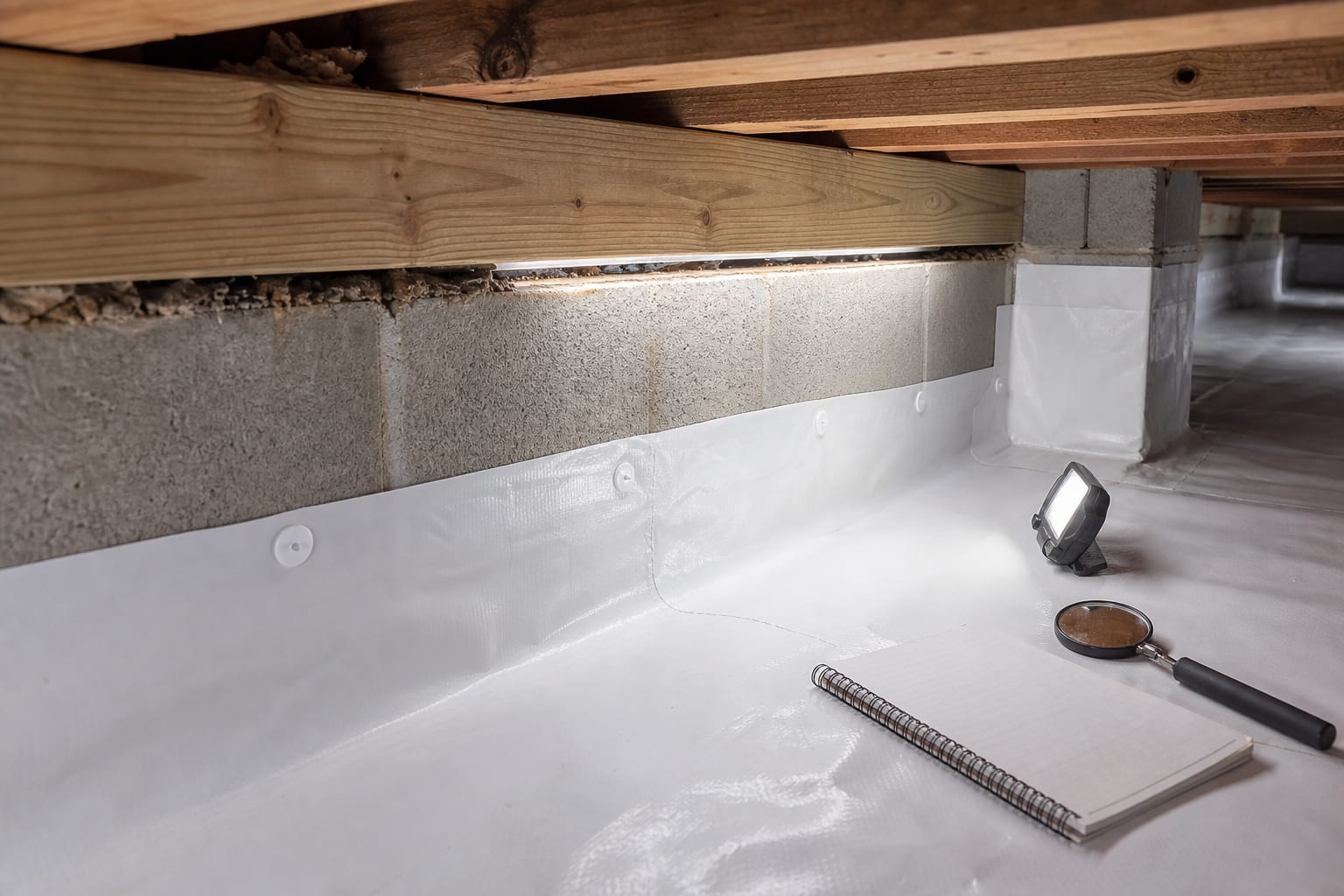
Connect the symptom above the floor to the exact location below it. Mark where movement, cold flooring, odor, or staining is noticed in the living space, then compare that location with joists, beams, supports, plumbing, ducts, insulation, and moisture conditions in the crawl space.
Material condition and moisture evidence should be documented separately. Wood can show stains, checking, prior repairs, insect evidence, or visible deterioration without all of those observations having the same cause. A qualified professional should determine what the material can support and whether repair is needed.
Know where a homeowner check should stop
Do not enter standing water near electrical equipment, a space with suspected structural instability, sewage, animals, exposed hazards, or another condition that makes access unsafe. Do not disturb suspected mold, insect evidence, wiring, plumbing, combustion equipment, or structural supports to complete a checklist.
General articles cannot determine code compliance, engineering adequacy, pest status, medical risk, insurance coverage, legal duties, or the correct repair scope for a specific property. Use the qualified code official, engineer, pest professional, inspector, licensed trade, attorney, or other specialist whose scope matches the question.
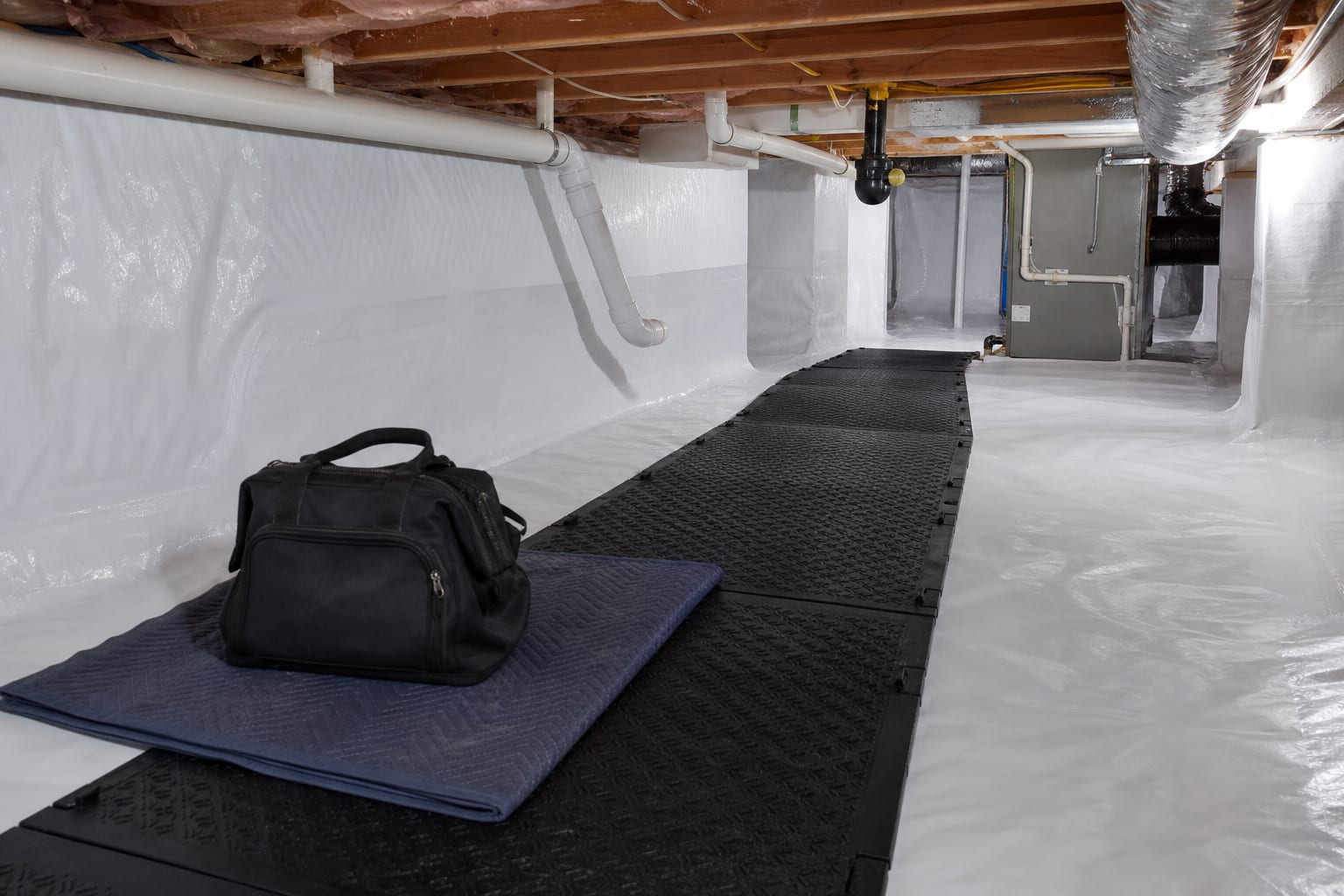
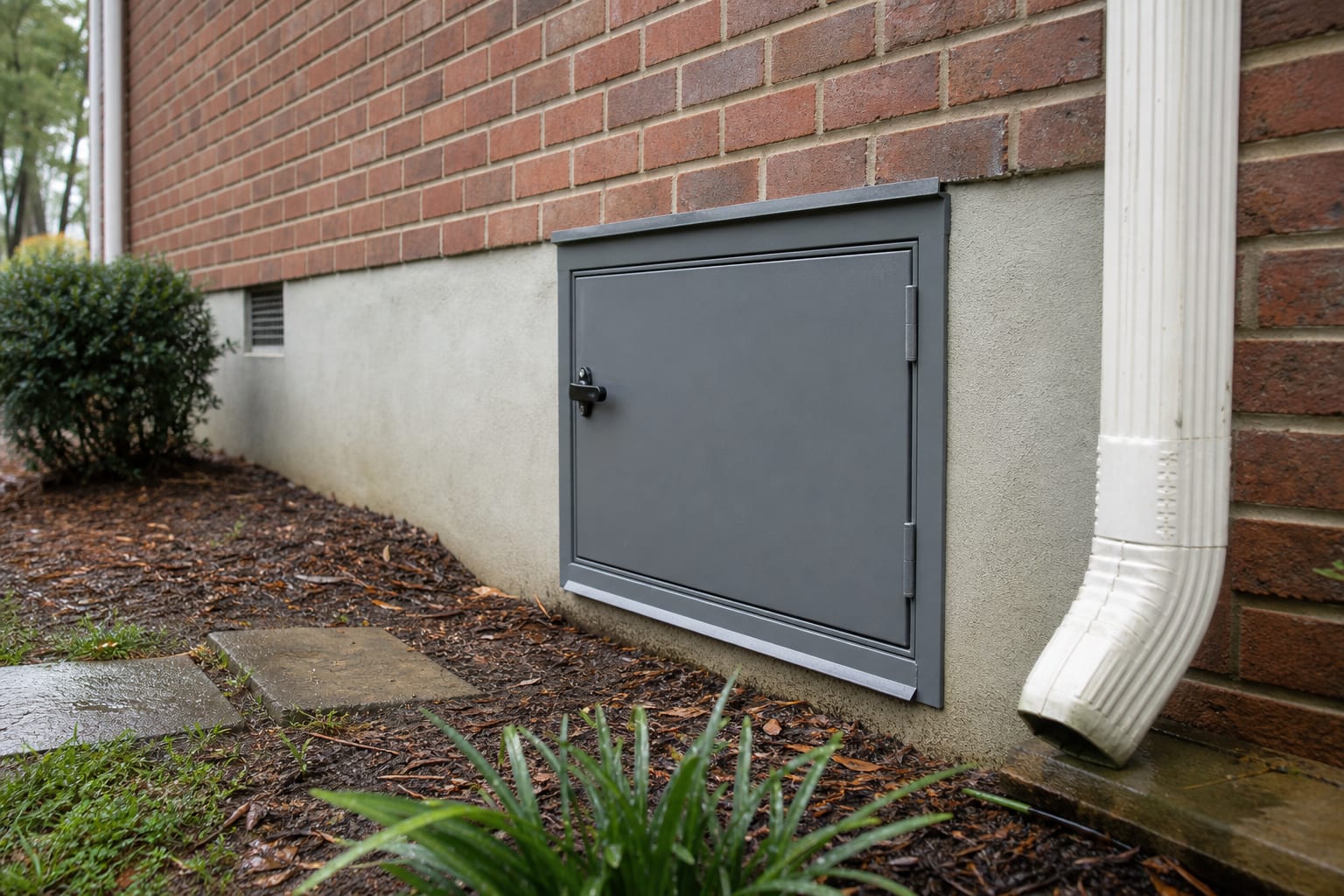
Access is a system requirement, not an afterthought. The opening must allow inspection and service while the door or hatch remains part of the enclosure. Inside the space, equipment, drains, termite inspection areas, and important transitions should remain reachable and visible to the professionals who need them.
Plan for future trade work. Plumbers, HVAC technicians, electricians, pest professionals, and inspectors may need to enter after encapsulation. A protected route, clear instructions, photos before and after, and a final liner check can reduce accidental damage and preserve the maintenance record.