Record the observation before choosing a label
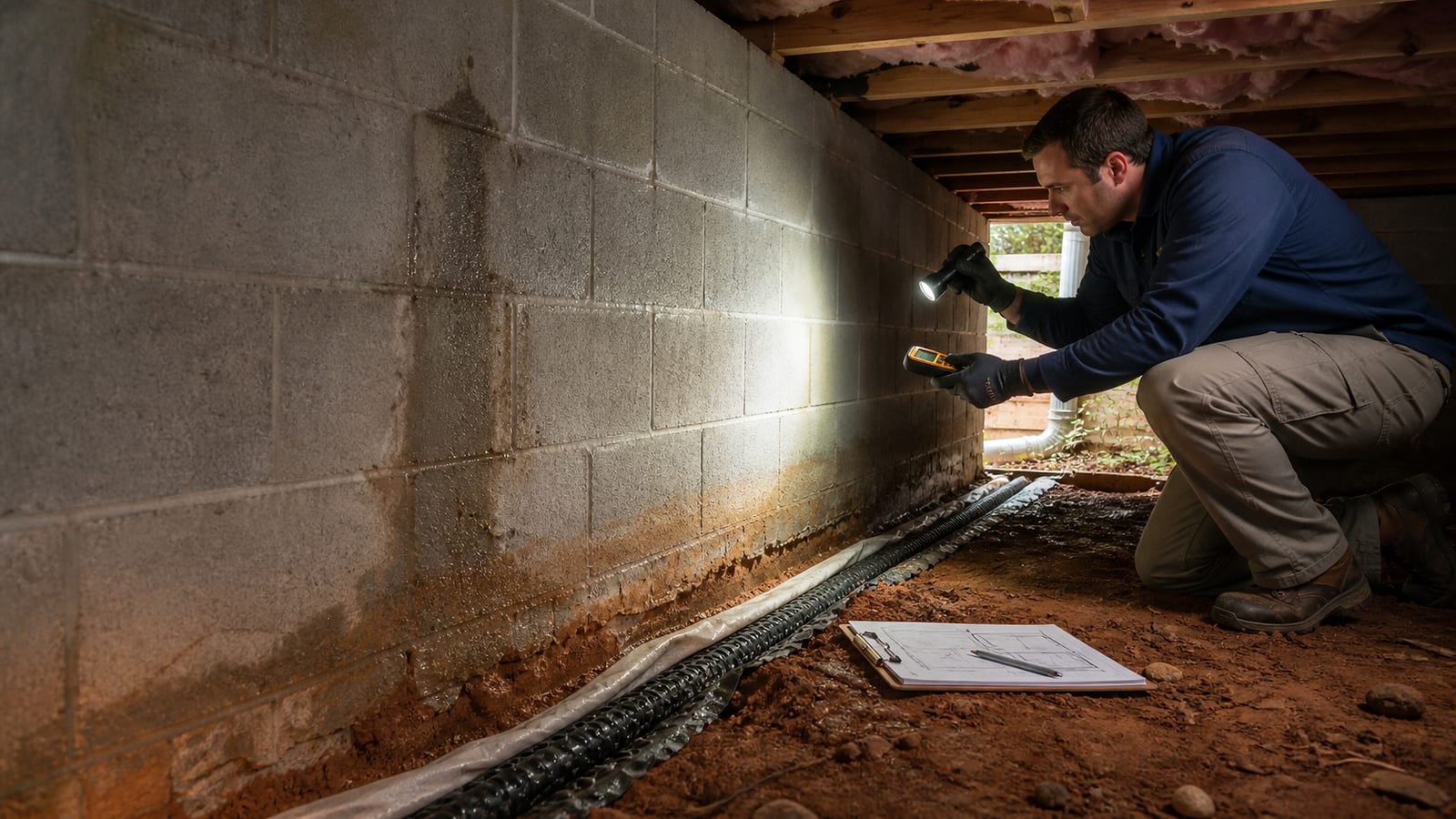
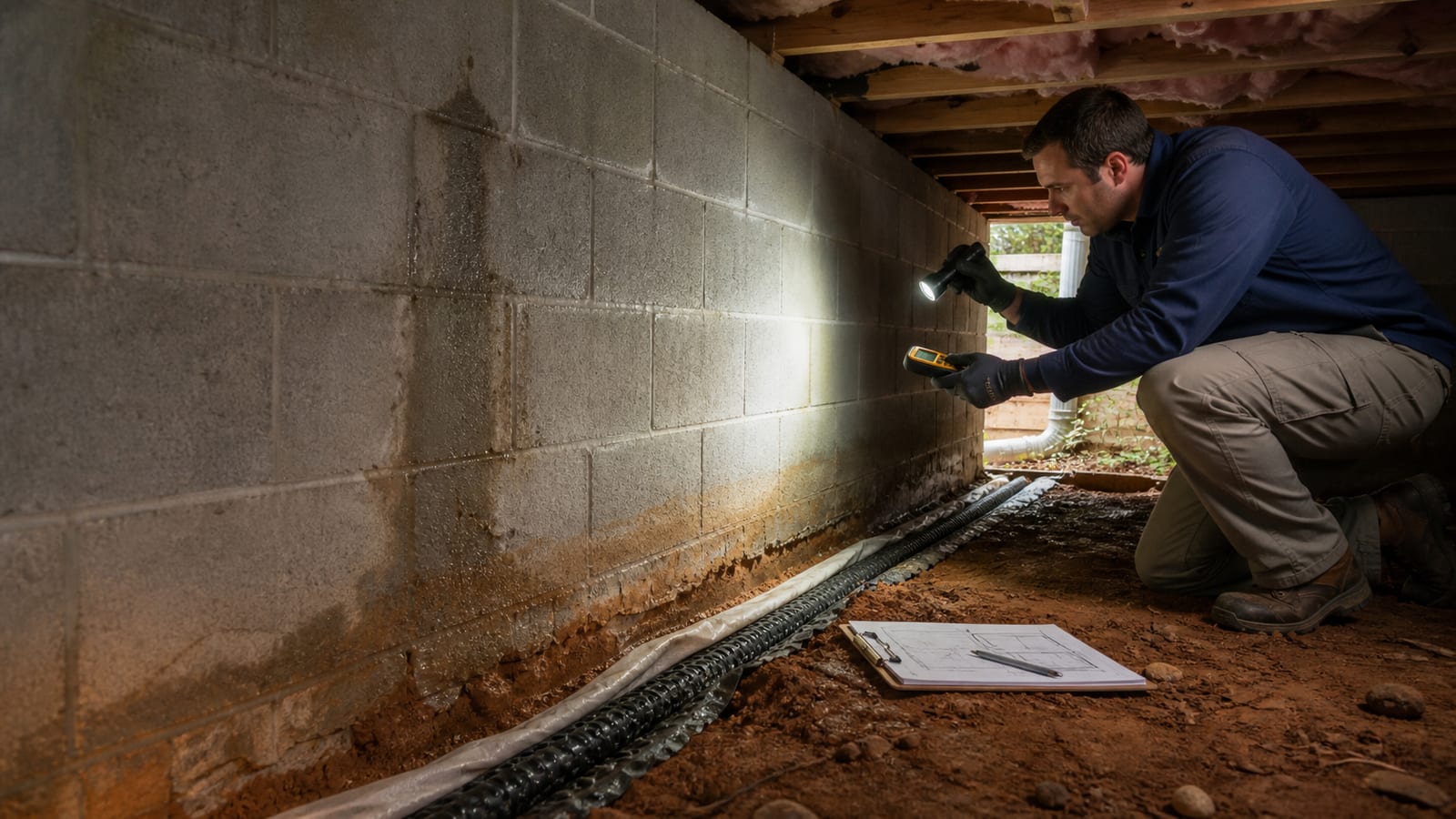
Start with what can be verified: the location, timing, weather, equipment status, visible material, odor, sound, reading, or change from an earlier condition. Include a photo when it can be taken safely. A clear observation helps an inspector test possible sources without assuming that a familiar symptom has the same cause in every home.
Use the articles in this category to improve that record and prepare questions. Then follow the contextual links to the broader problem, service, guide, cost-factor, or comparison page that owns the primary topic. That structure keeps the article focused on the situation instead of repeating a sales page.
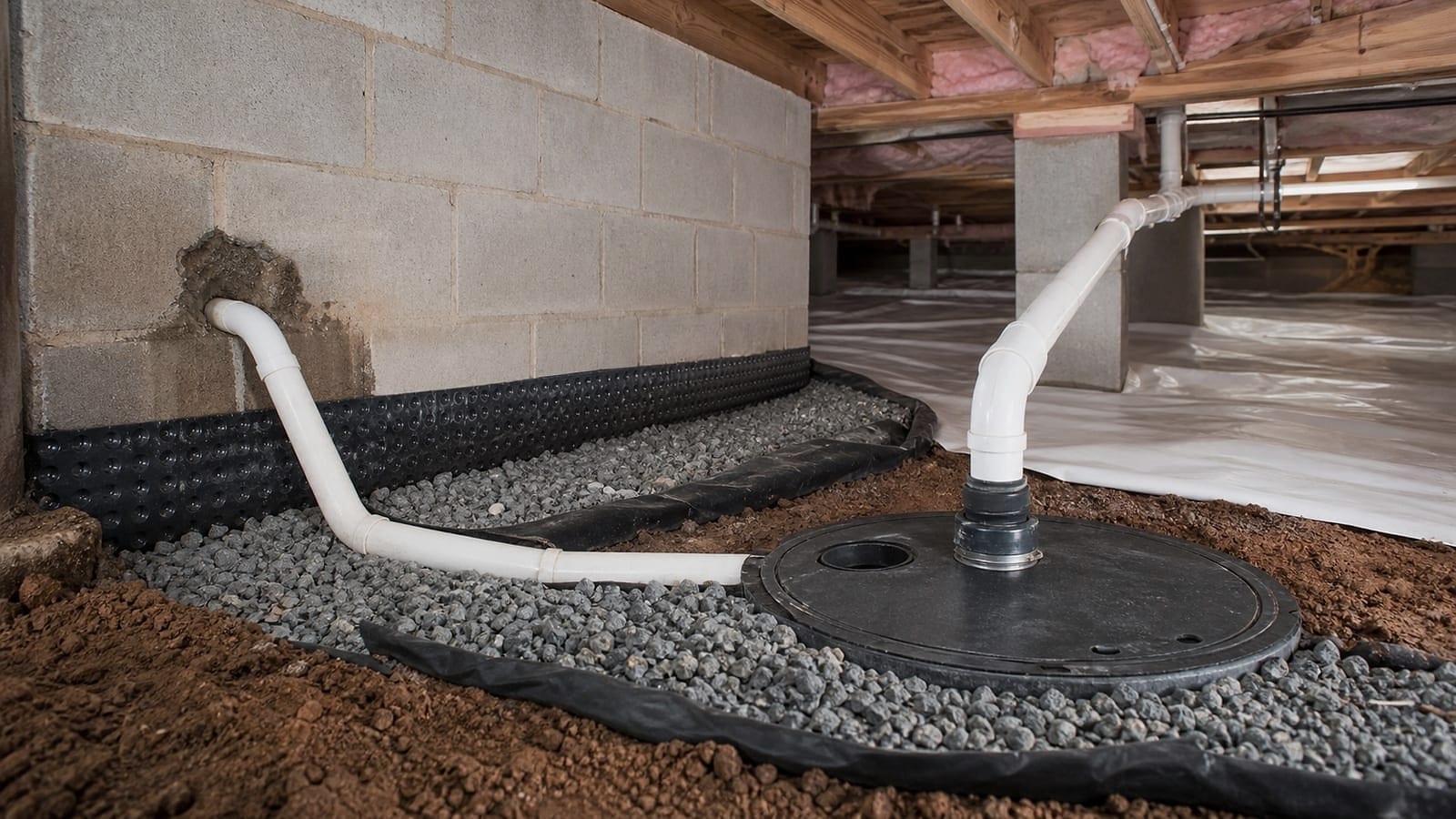
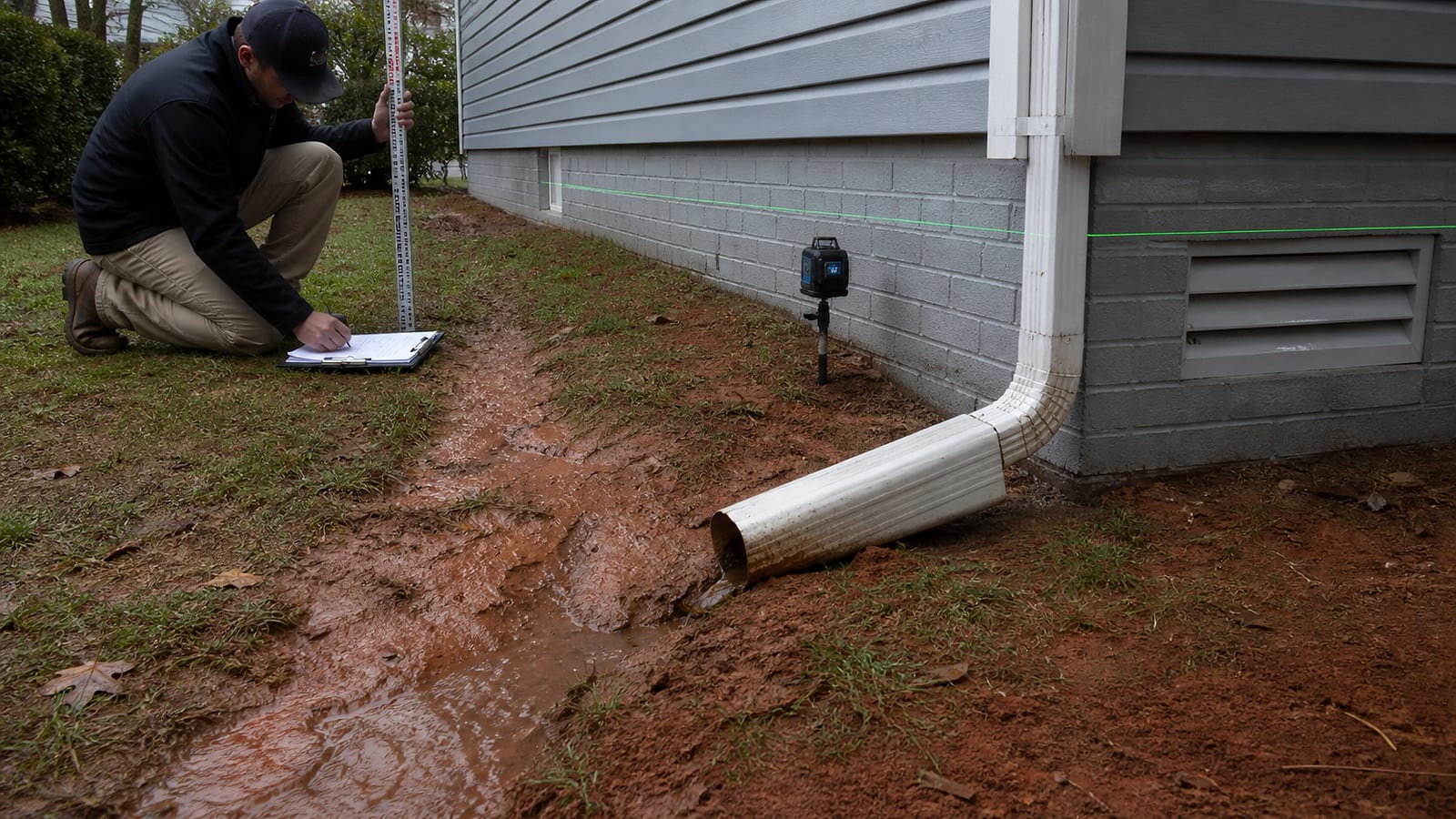
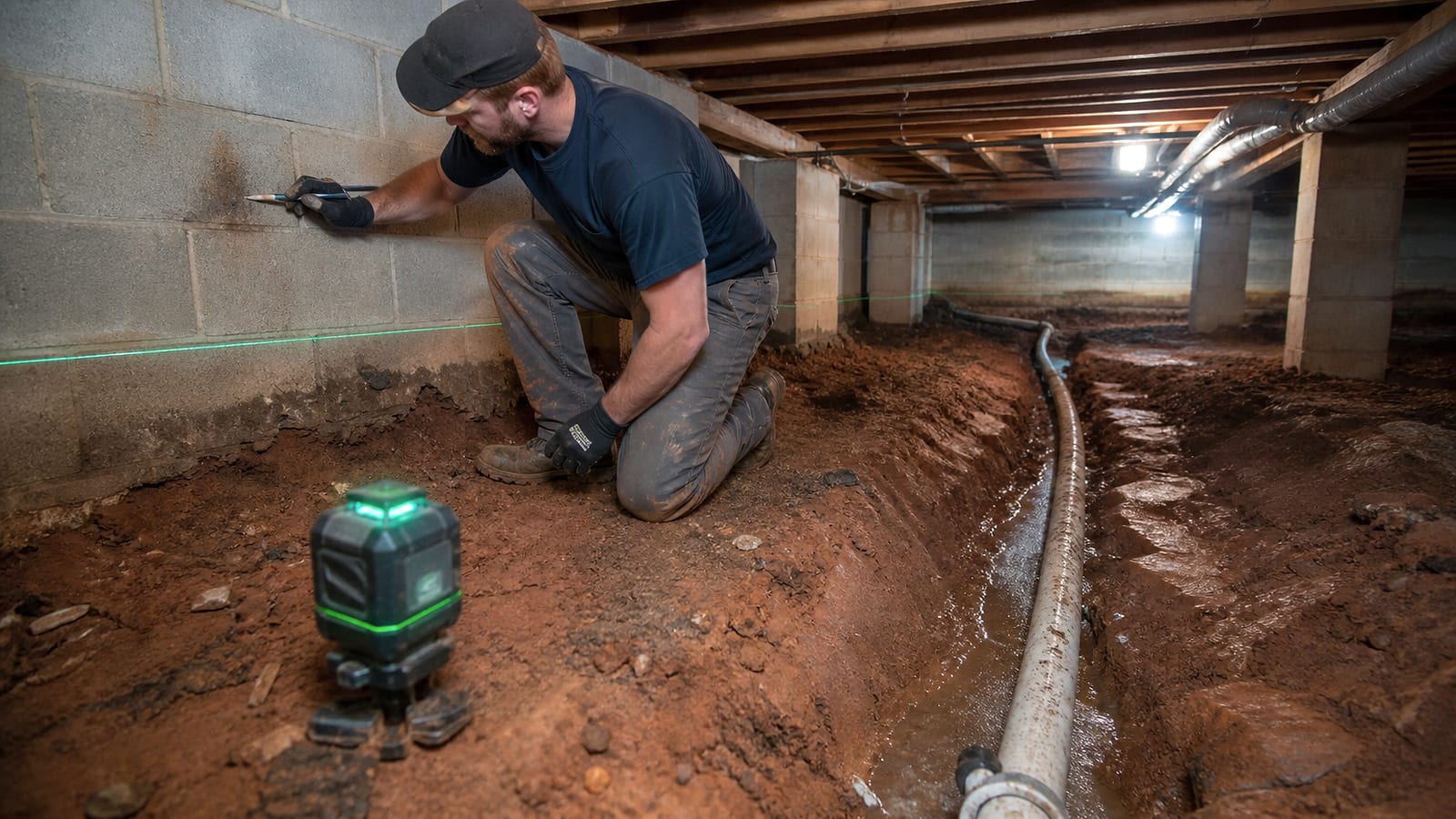
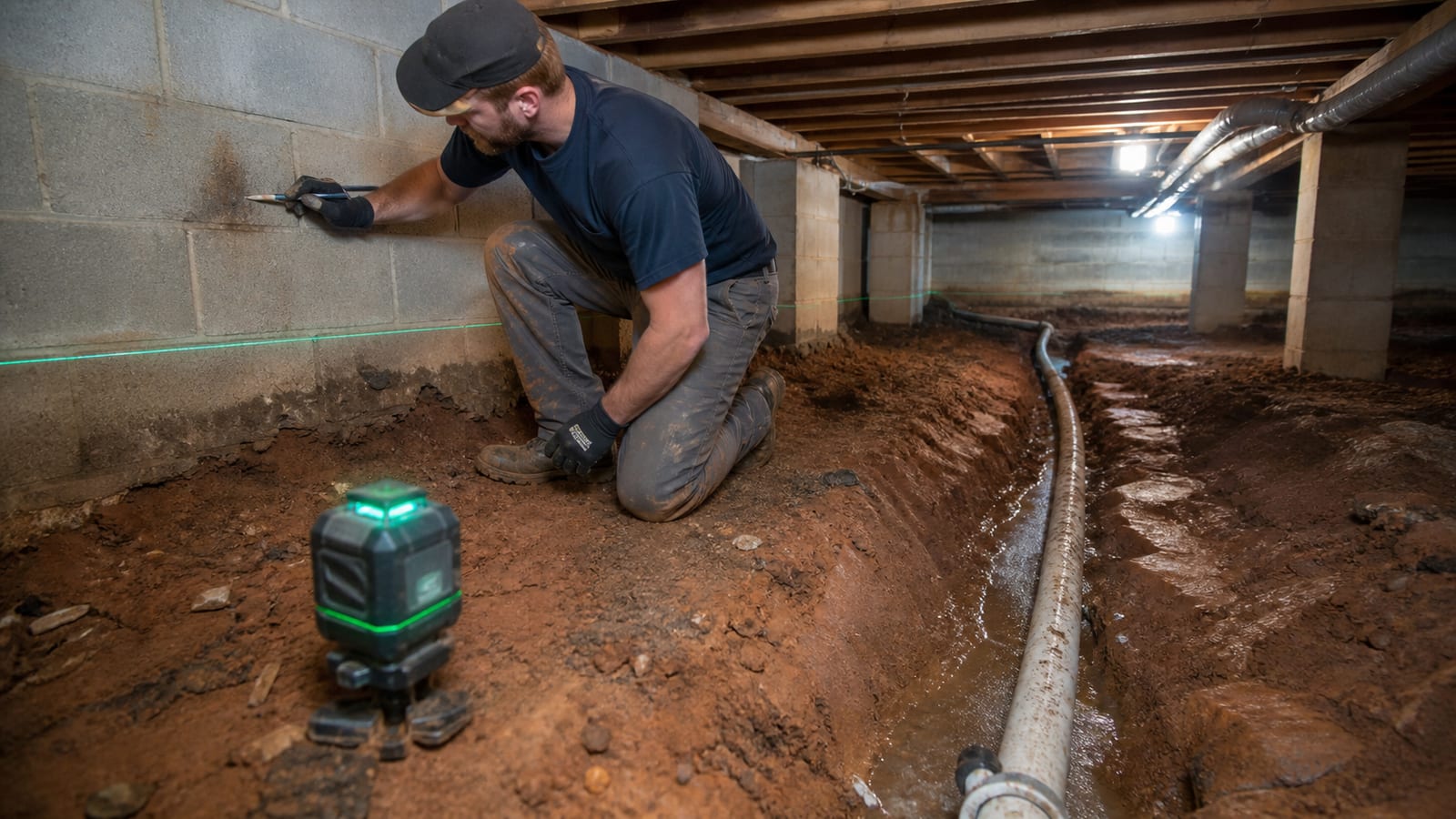
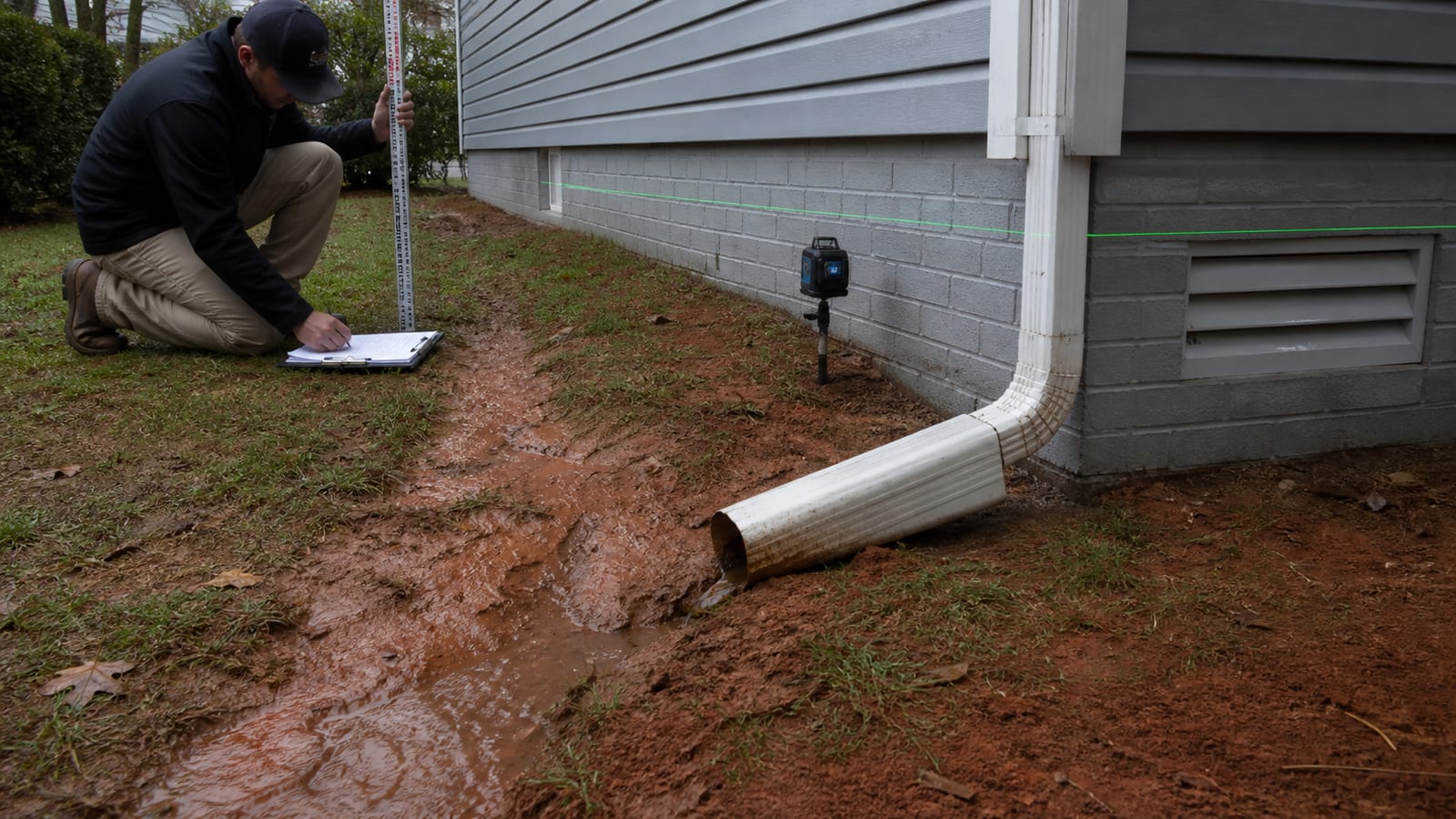
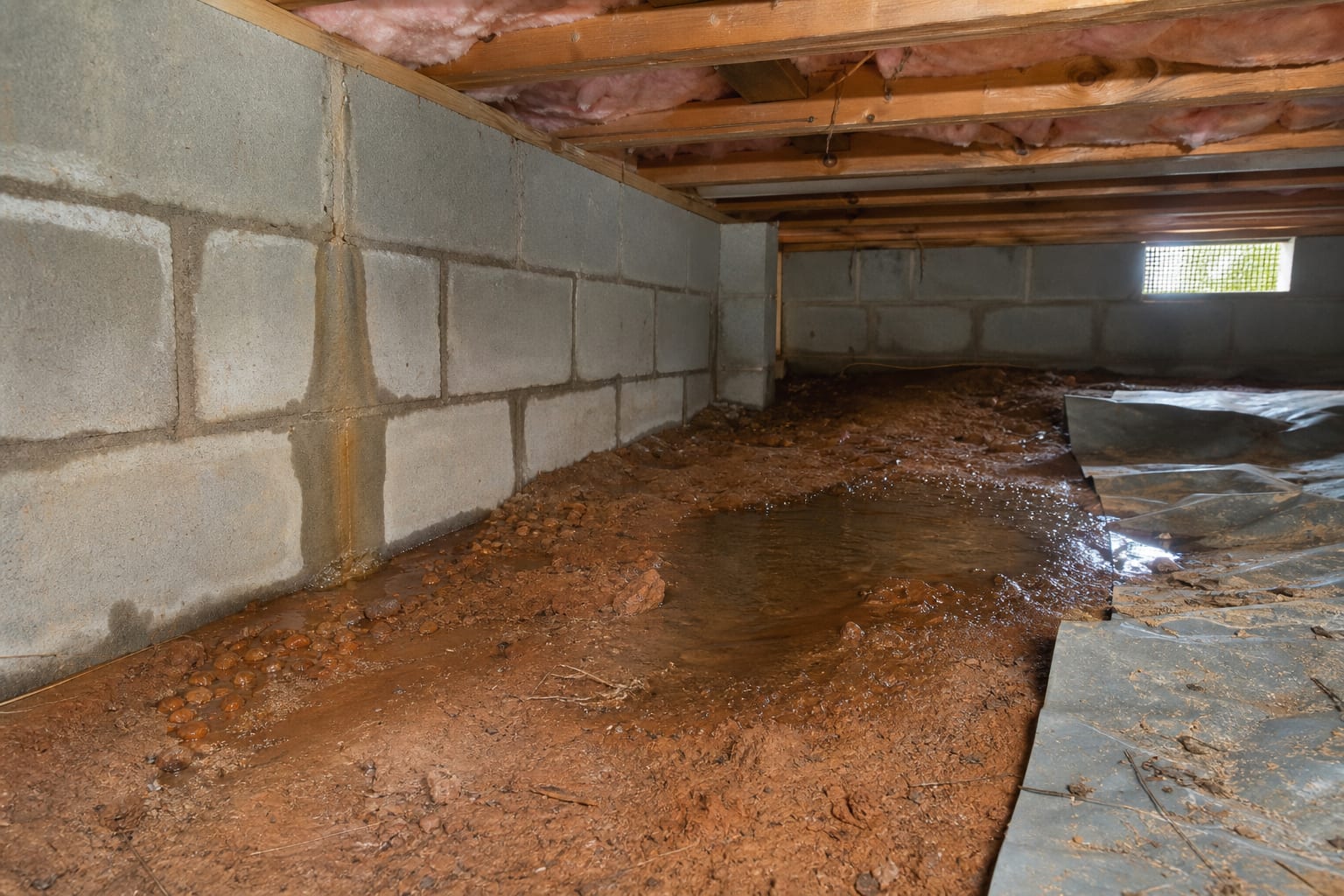
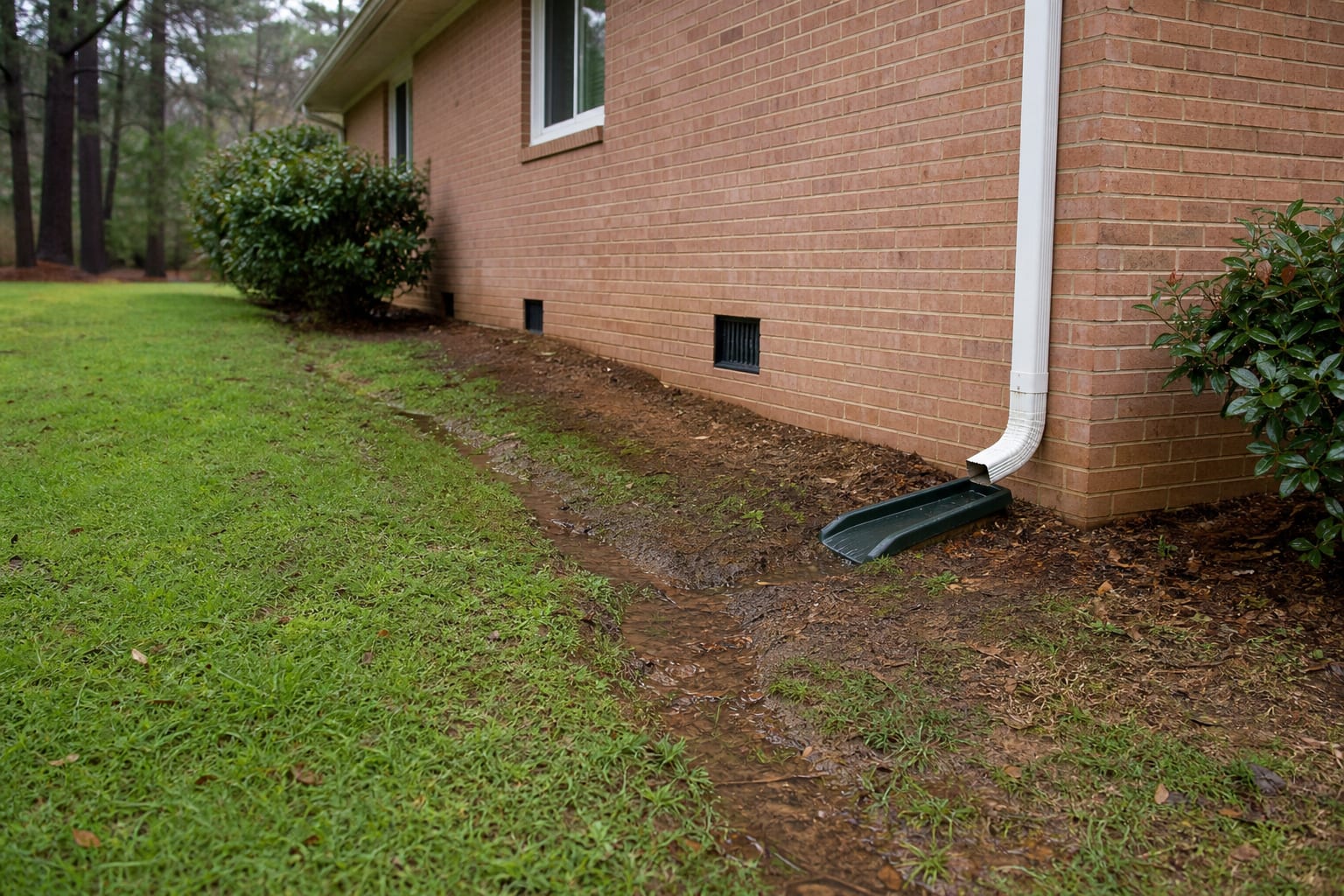
Trace water before naming the repair. Record whether it begins at a wall, pipe, low point, access opening, drain, sump basin, or cold mechanical surface. Note whether it appears during fixture use, only during rain, after the ground is saturated, or when air-conditioning equipment is running.
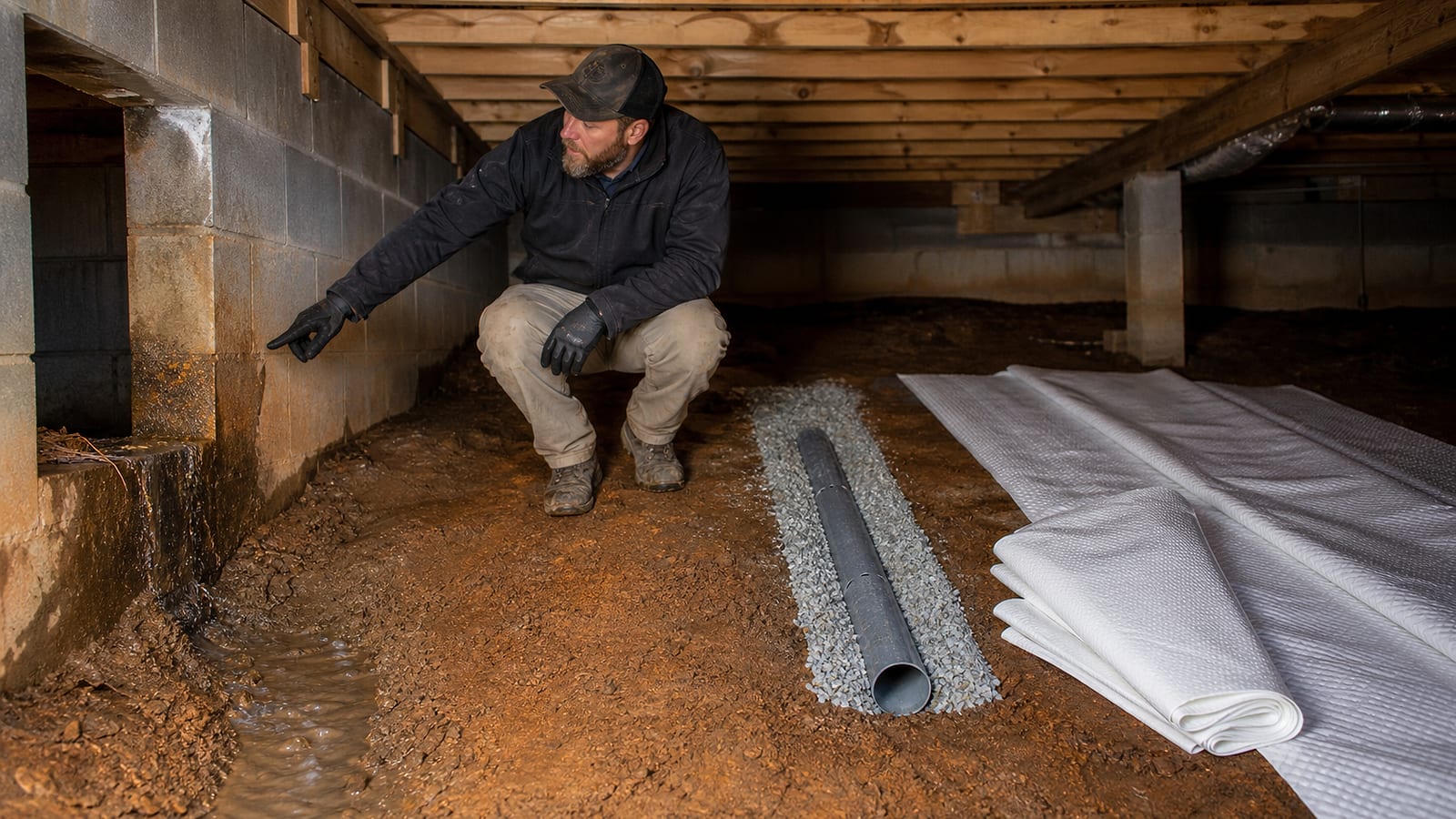
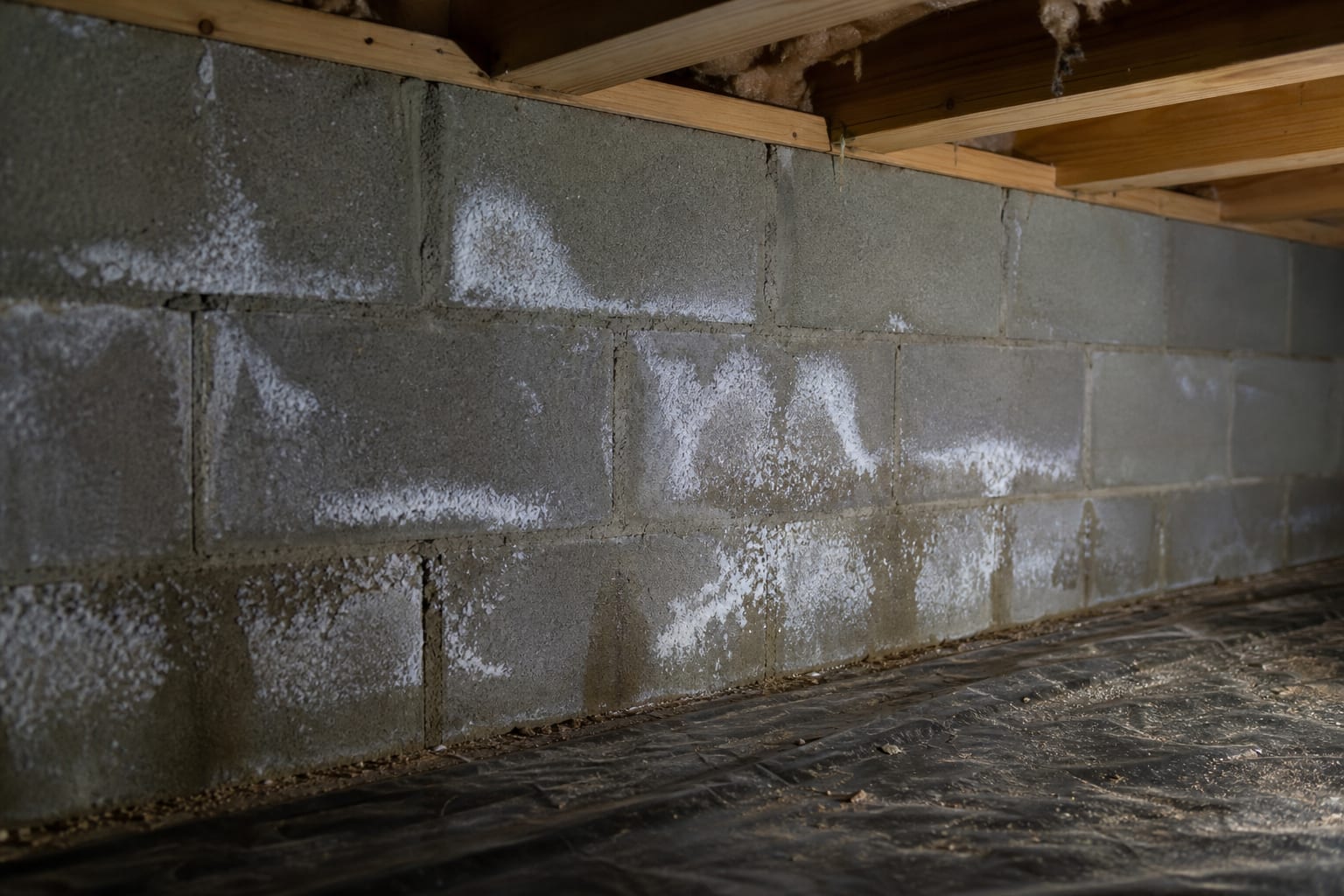
Separate collection from source. A puddle forms at a low point, but that may not be where water entered. Stains, sediment, erosion marks, wet insulation, wall deposits, and the direction of the floor slope can help an inspector work backward from the collection point.
Know where a homeowner check should stop
Do not enter standing water near electrical equipment, a space with suspected structural instability, sewage, animals, exposed hazards, or another condition that makes access unsafe. Do not disturb suspected mold, insect evidence, wiring, plumbing, combustion equipment, or structural supports to complete a checklist.
General articles cannot determine code compliance, engineering adequacy, pest status, medical risk, insurance coverage, legal duties, or the correct repair scope for a specific property. Use the qualified code official, engineer, pest professional, inspector, licensed trade, attorney, or other specialist whose scope matches the question.
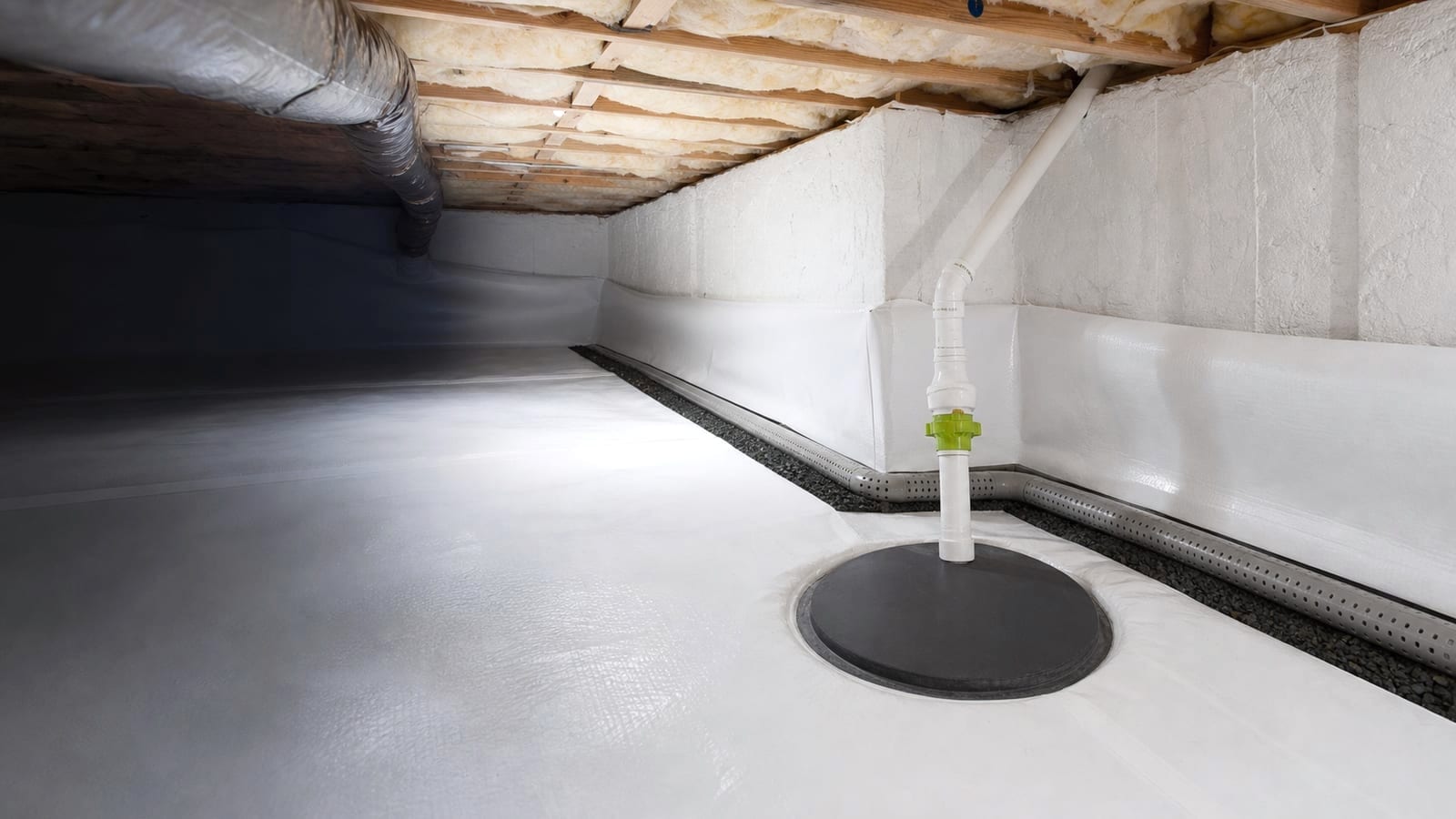
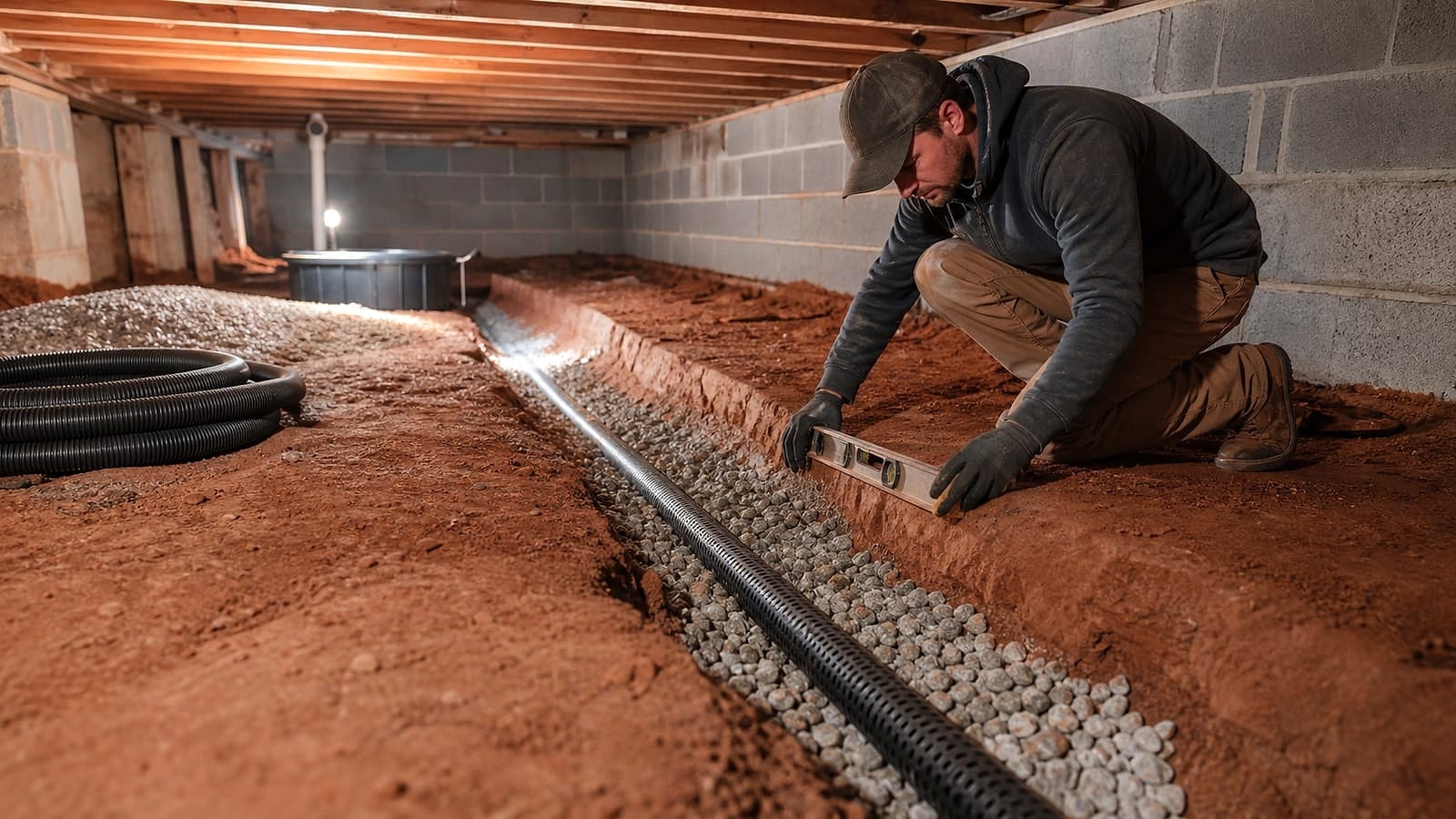
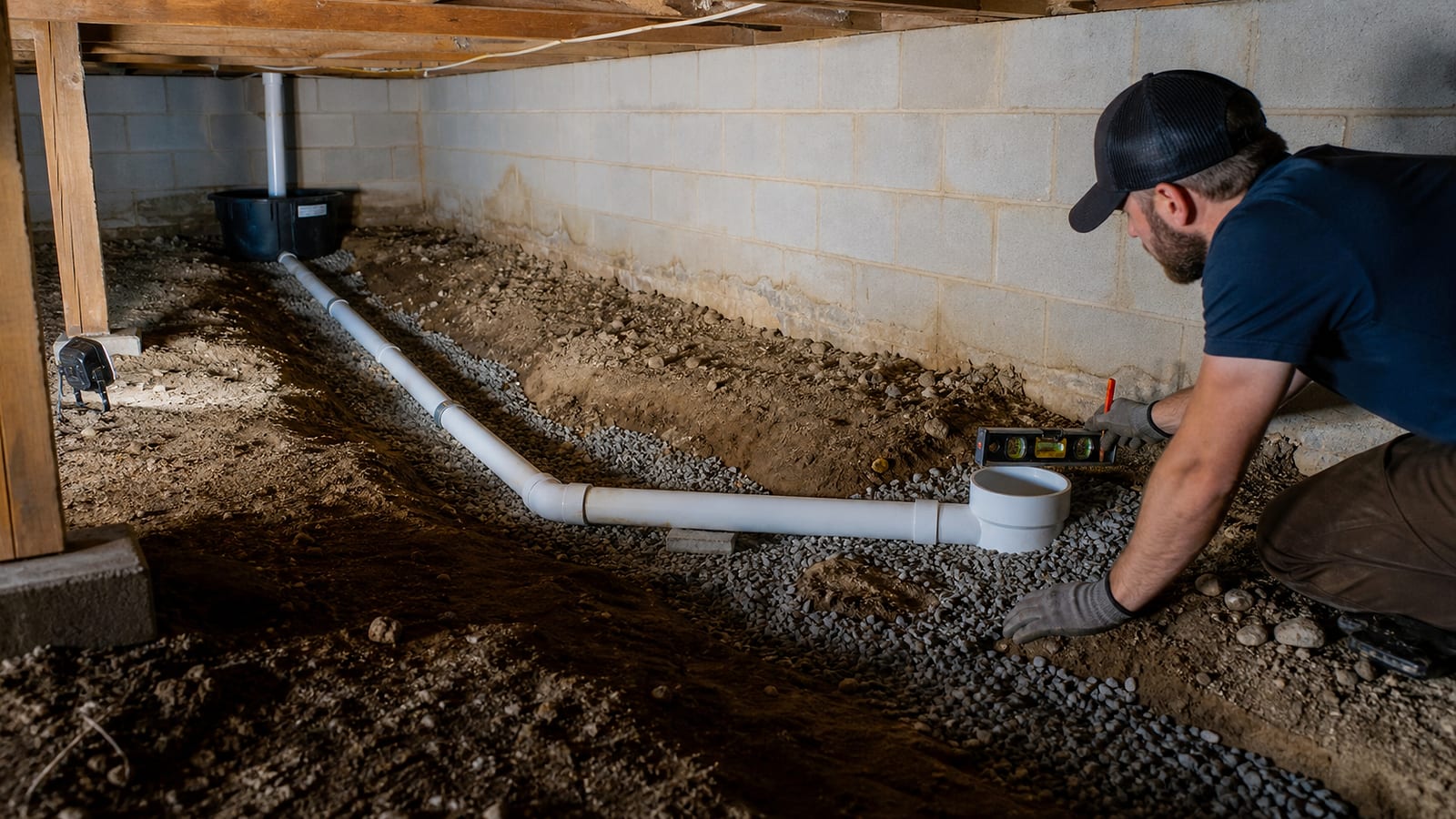
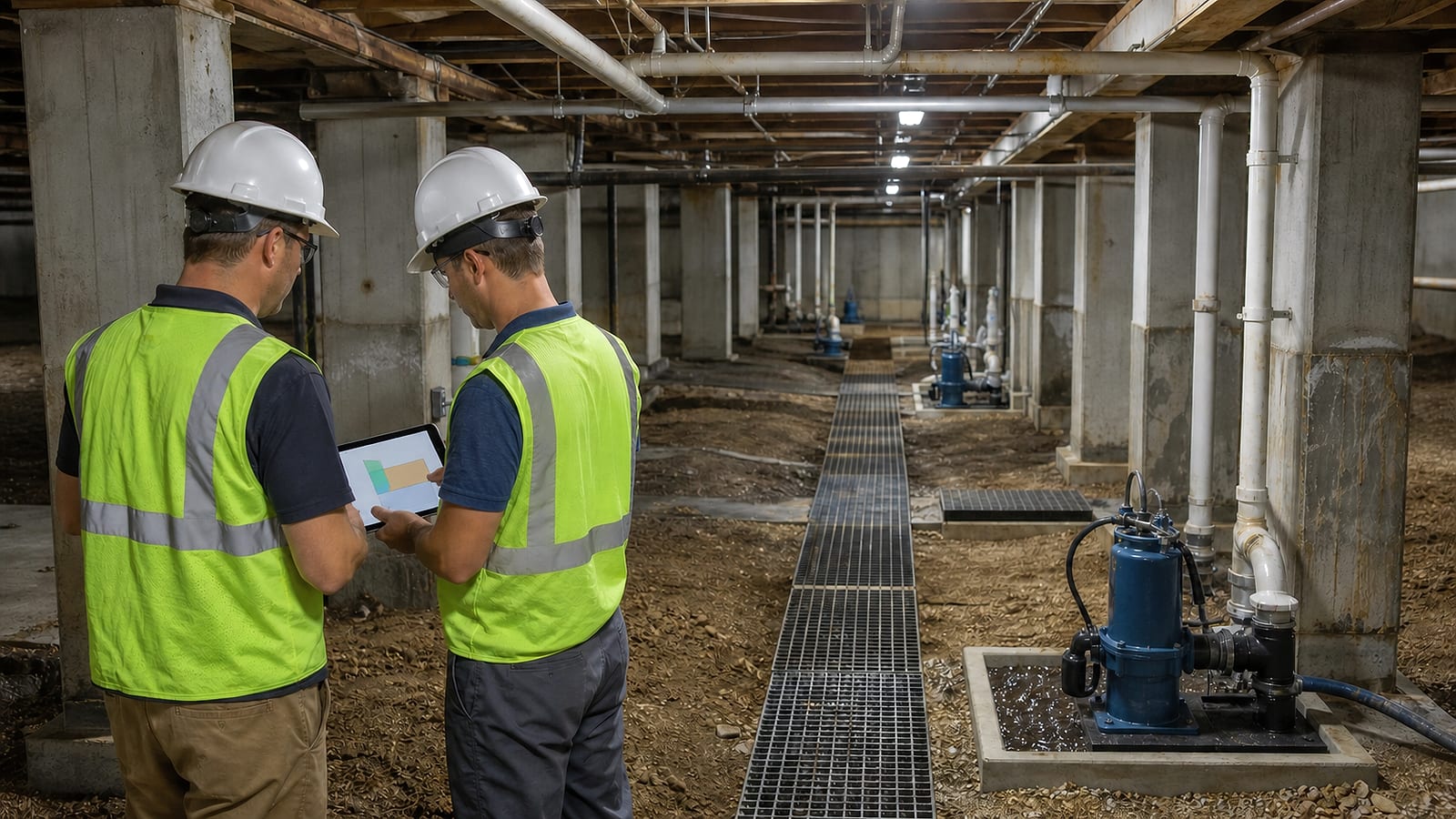
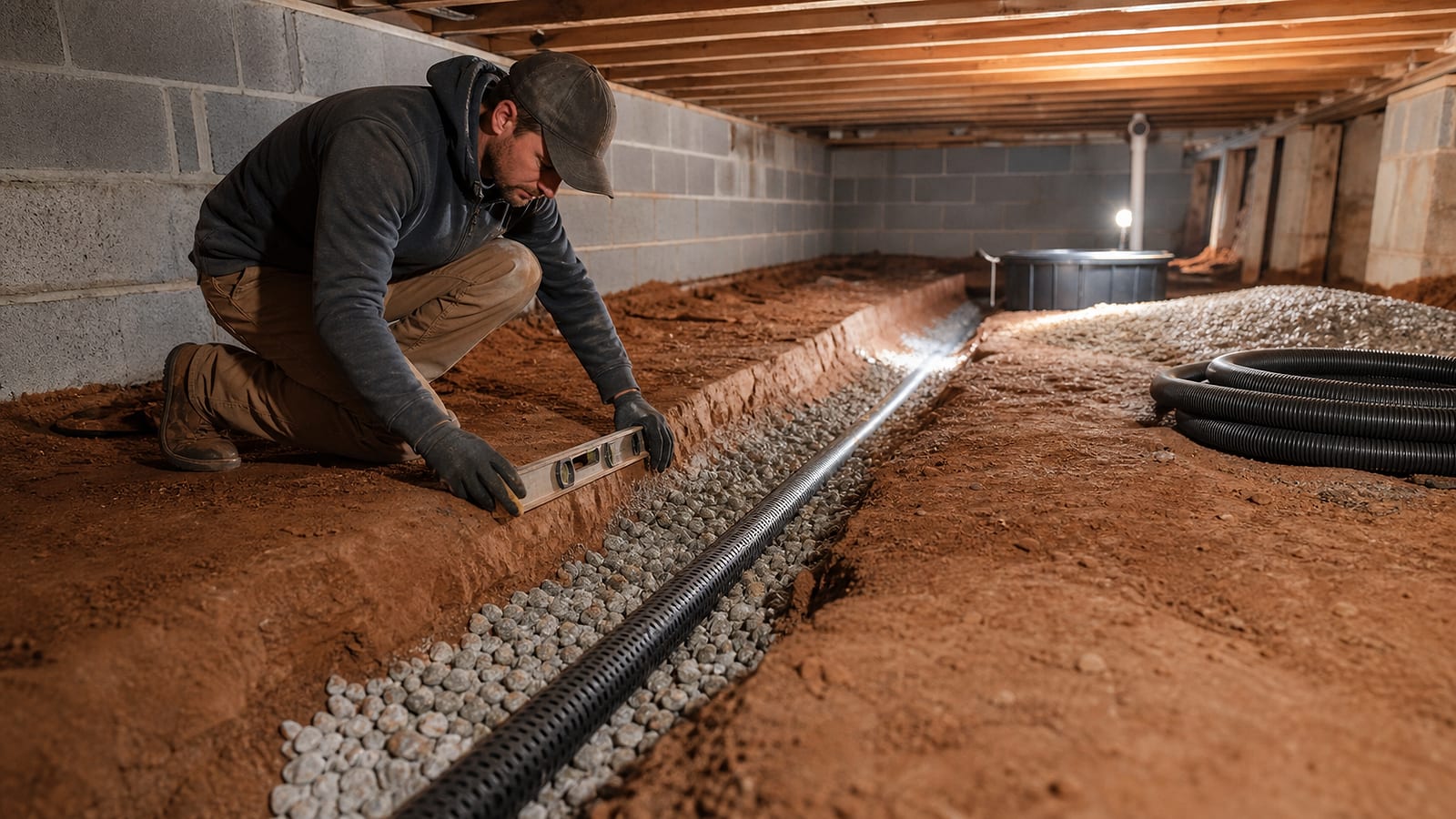
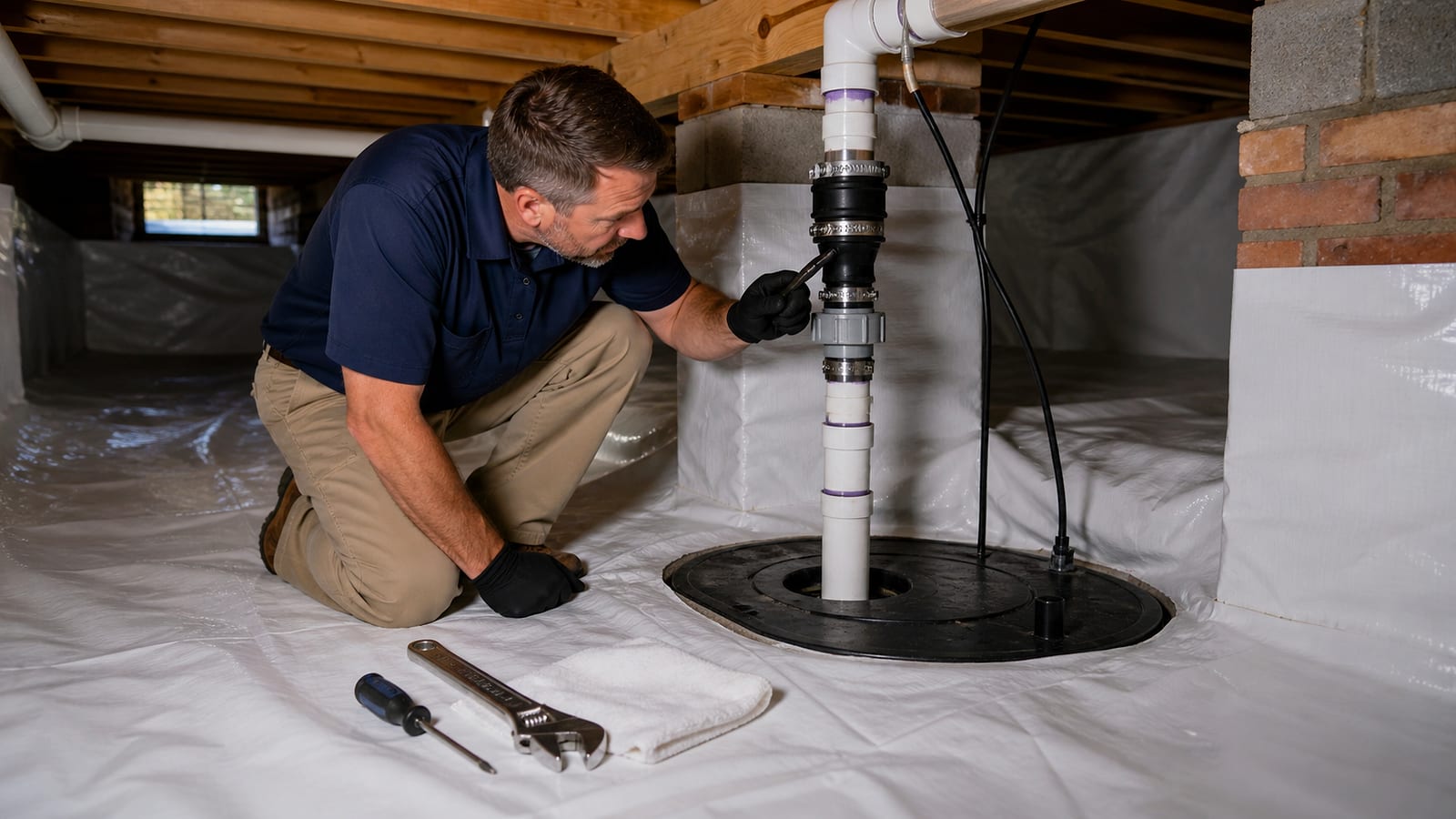
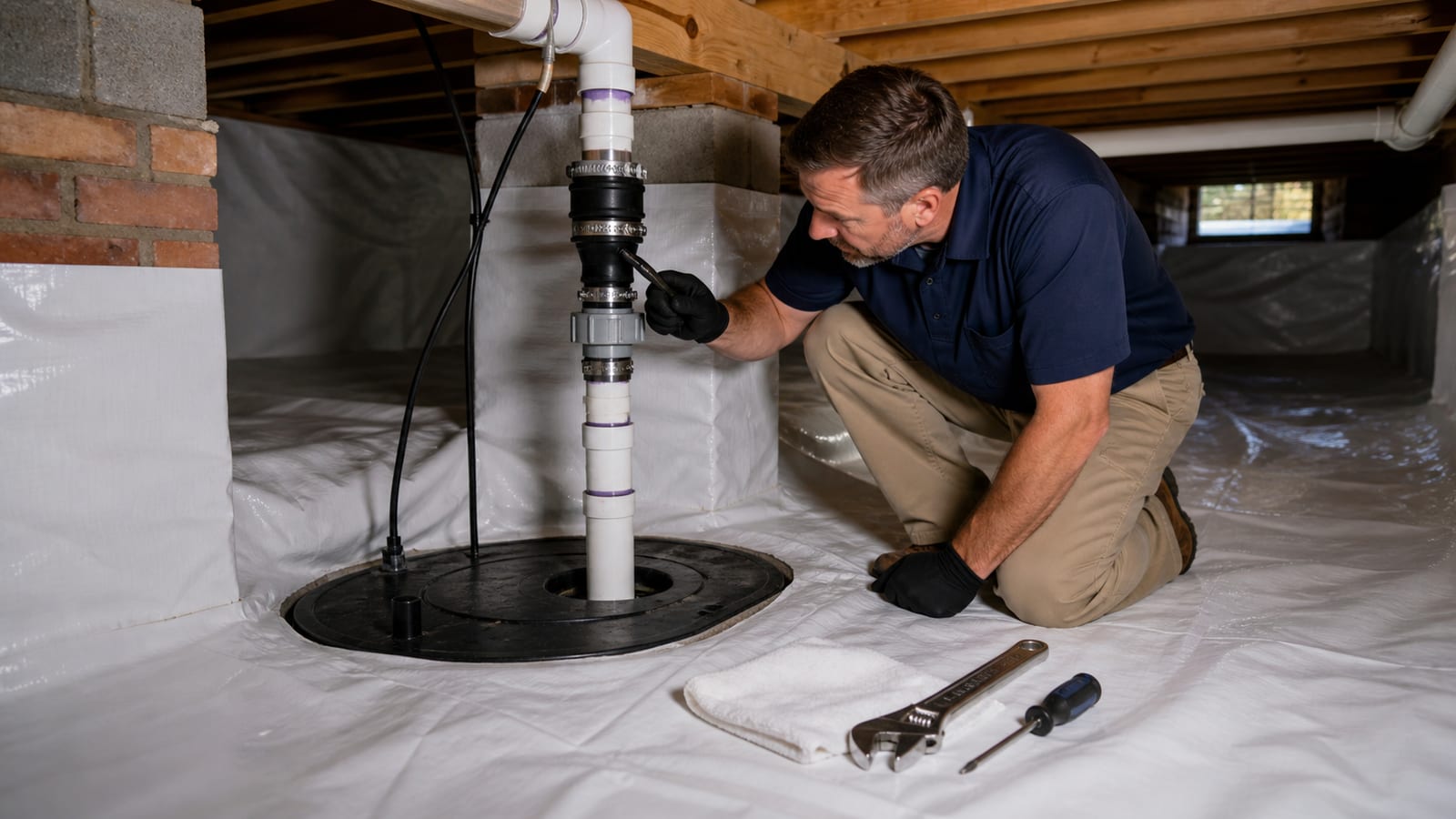
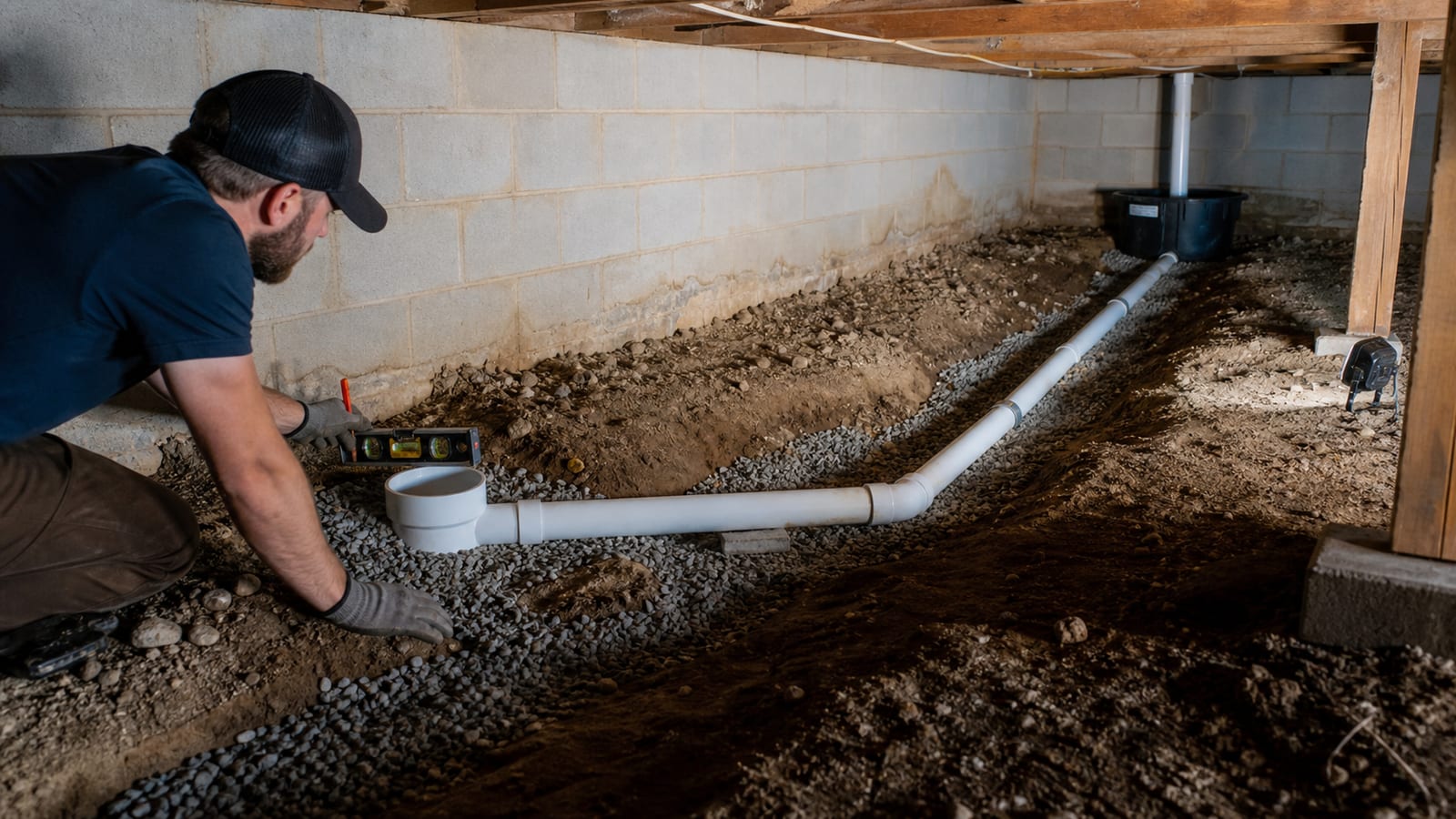
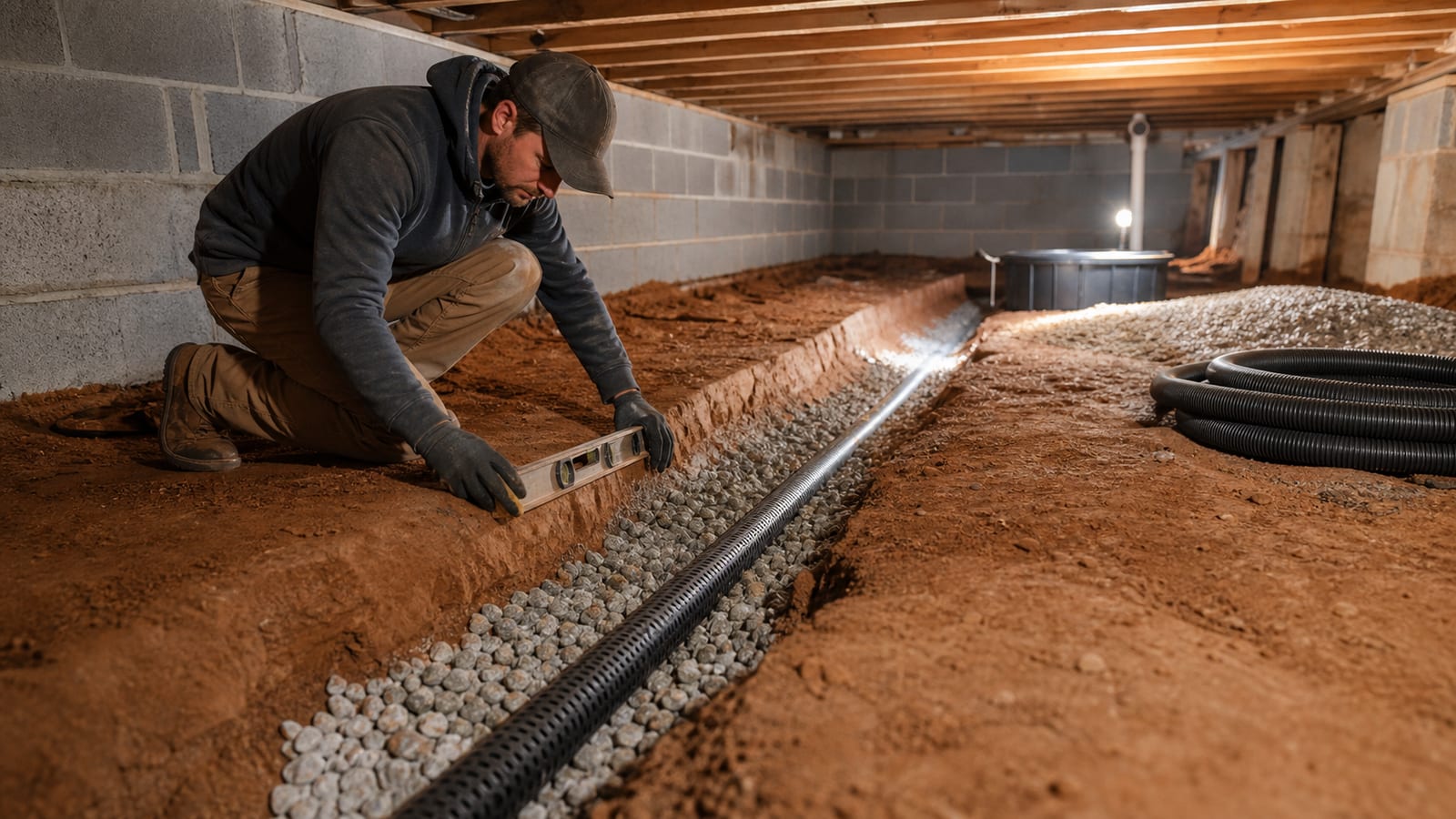
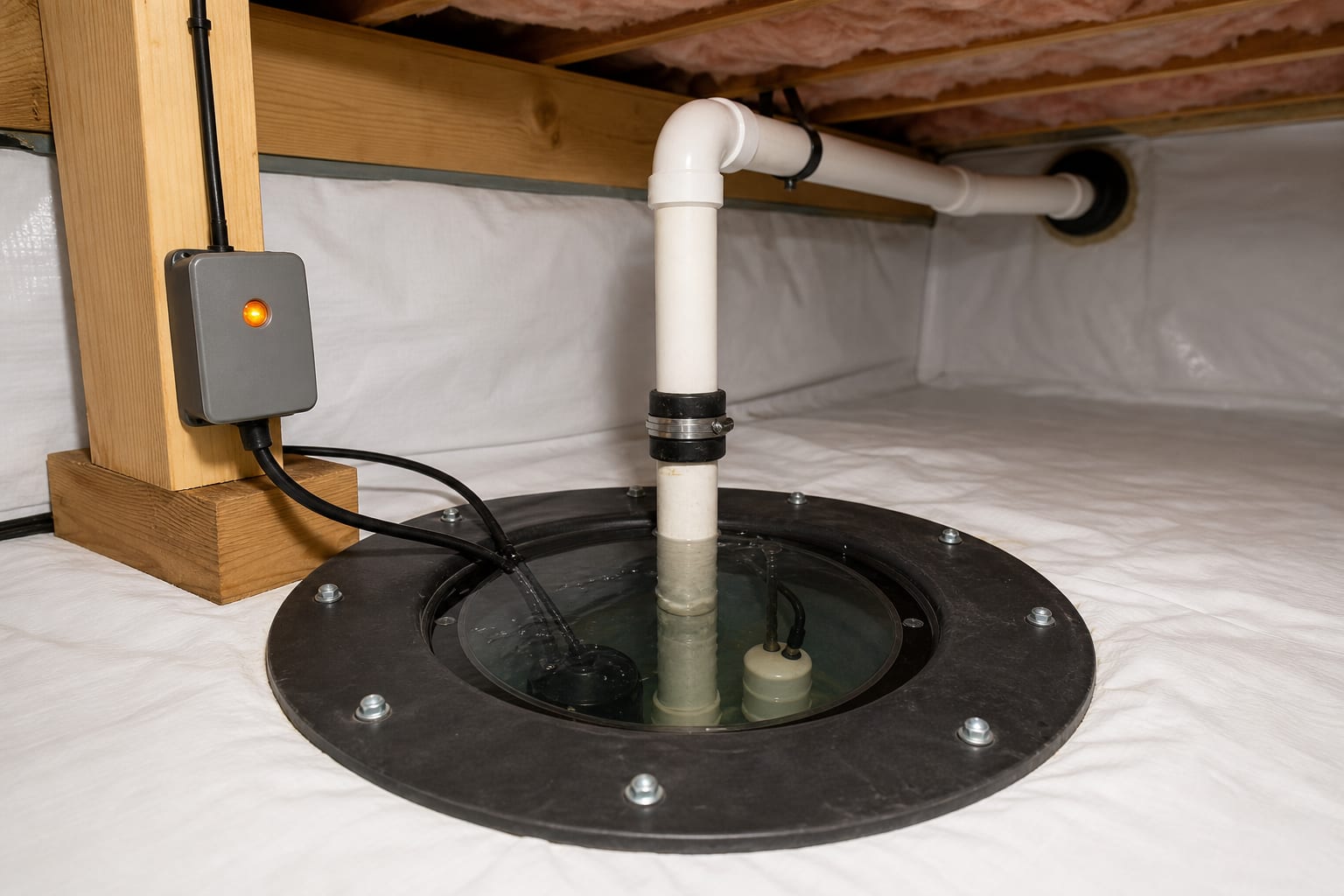
The discharge path matters as much as the collection point. Water moved by a drain or sump should have a suitable place to go without immediately returning toward the foundation. Local requirements and property conditions can affect what is appropriate, so the route must be evaluated on site.
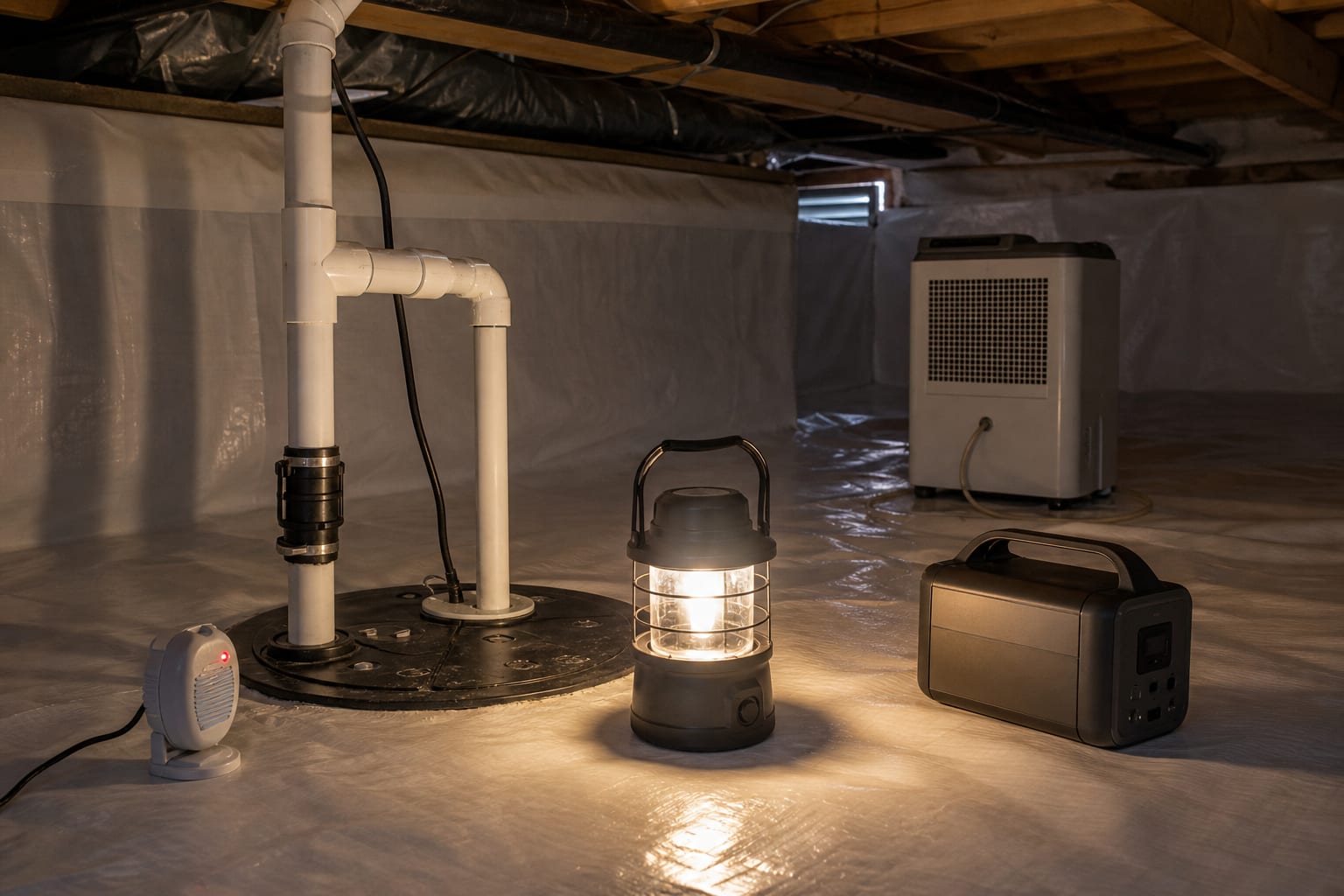
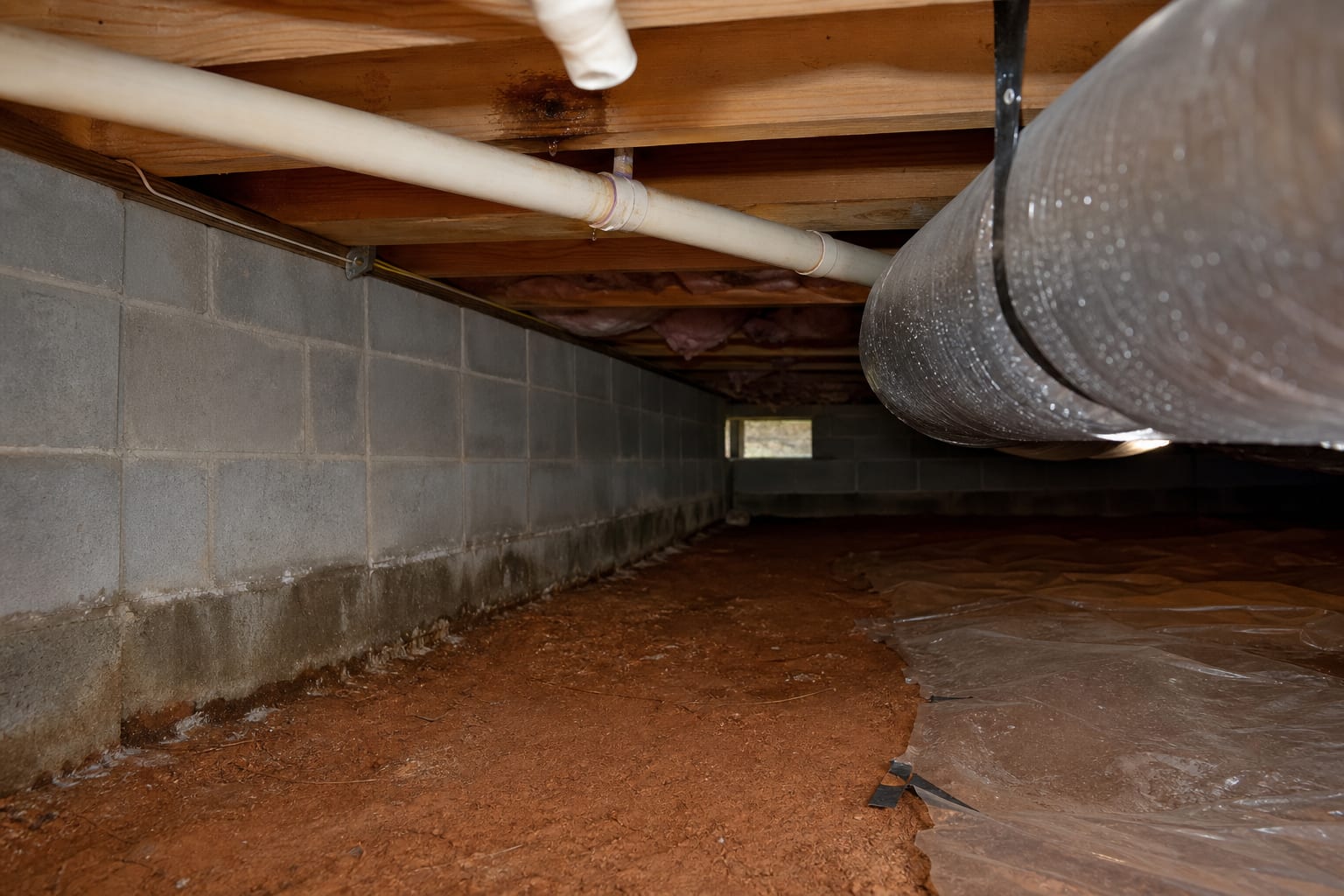
Drying and drainage are related but different. Removing bulk water addresses the immediate accumulation. Correcting the source and providing a reliable path addresses recurrence. Humidity control and ground-vapor control may still be needed after liquid water is managed.