A Crawl Space Check After a Tropical Storm or Days of Heavy Rain in Raleigh, NC
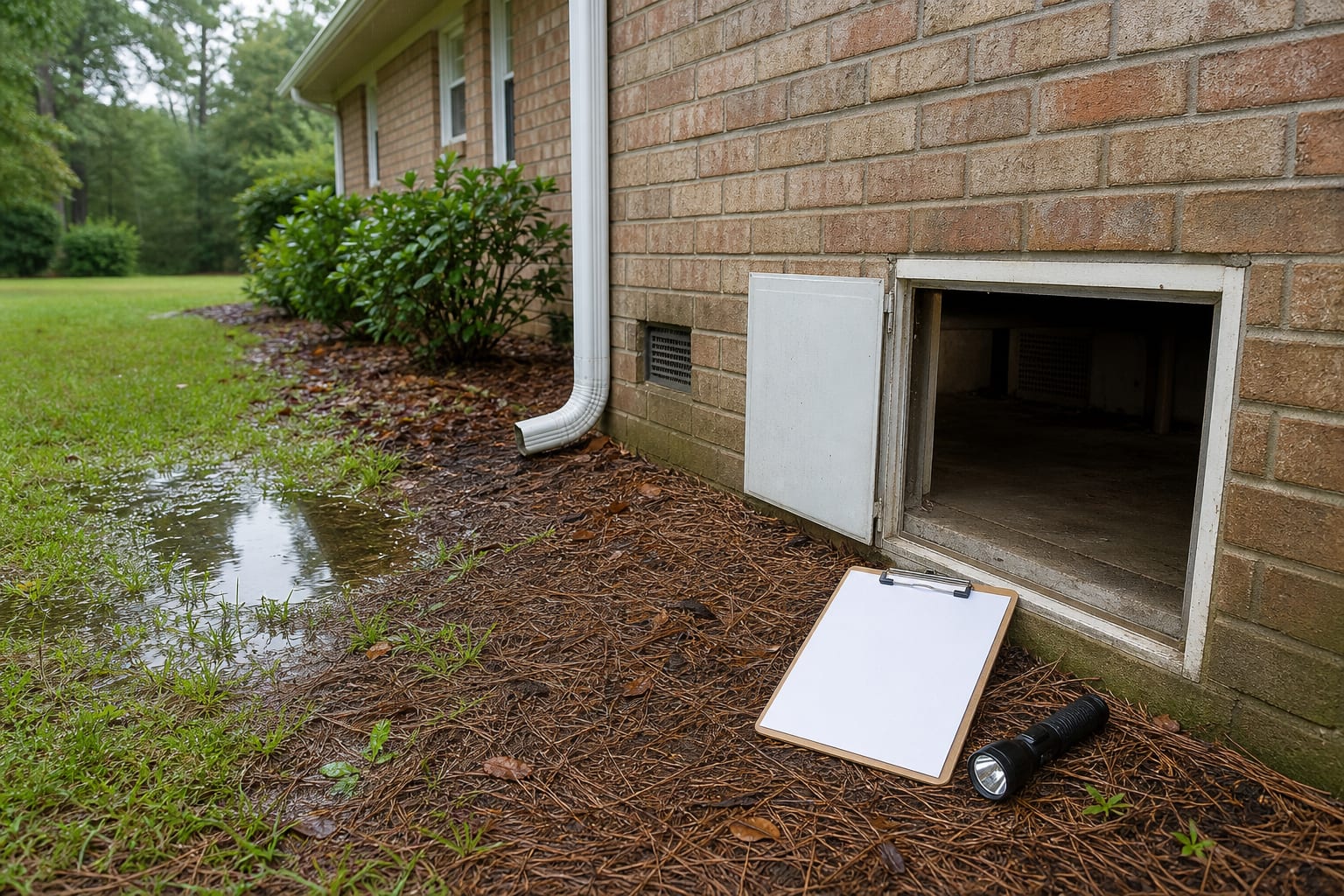
A post-storm check is most useful when it records what changed, where water appeared, and whether equipment or drains are functioning. Safety comes before entry.
More homeowner guides from the full article library, kept in newest-to-oldest order.
Educational guidance is not a remote diagnosis. Property-specific recommendations begin with an inspection of the water, moisture, materials, access, equipment, and framing actually present.
About the authorPage 23 of 27. Every published article remains available through this chronological archive.
A post-storm check is most useful when it records what changed, where water appeared, and whether equipment or drains are functioning. Safety comes before entry.
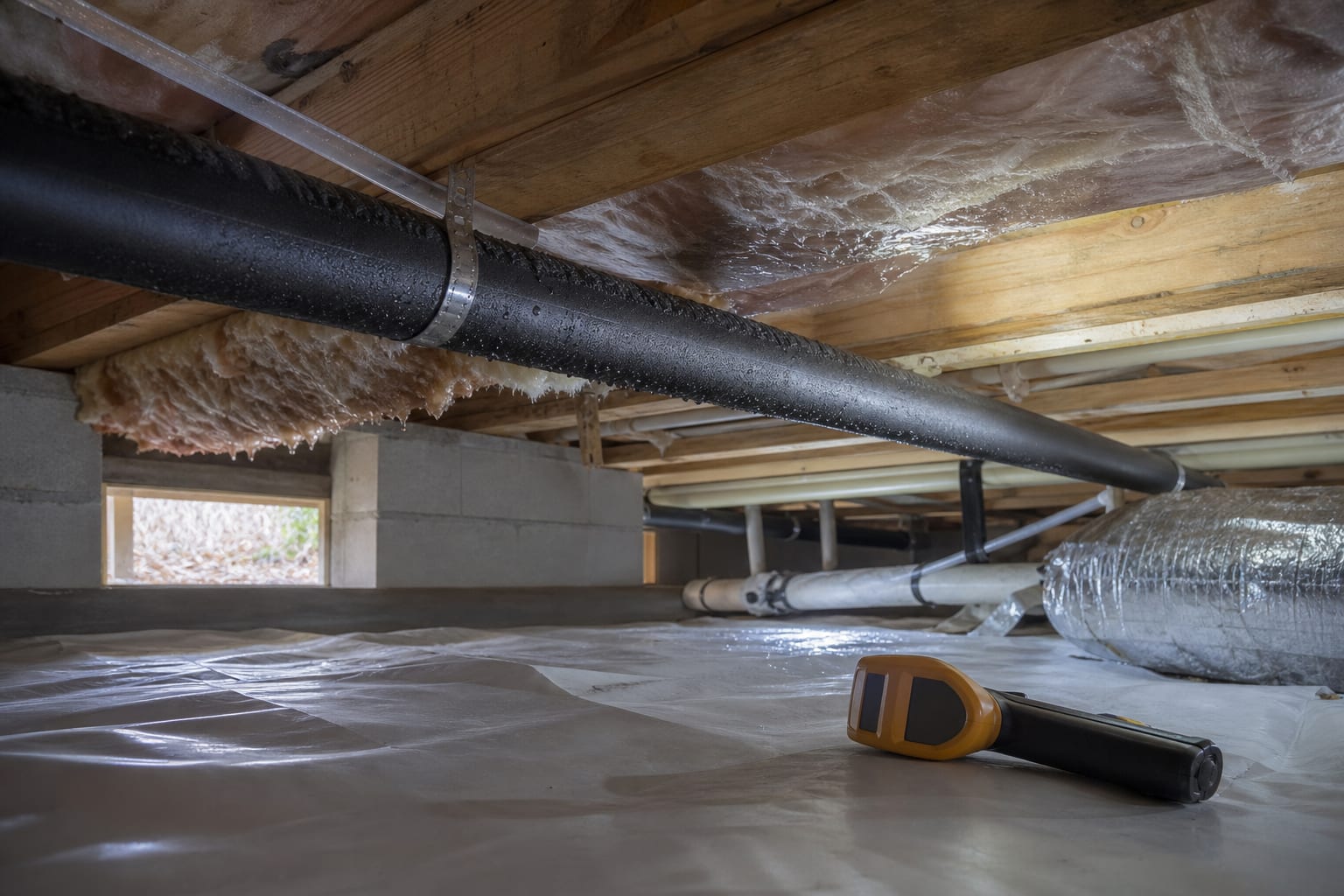
Winter does not eliminate crawl space moisture. Cold surfaces can reveal air leaks, wet insulation, plumbing condensation, or a moisture source that needs to be traced.
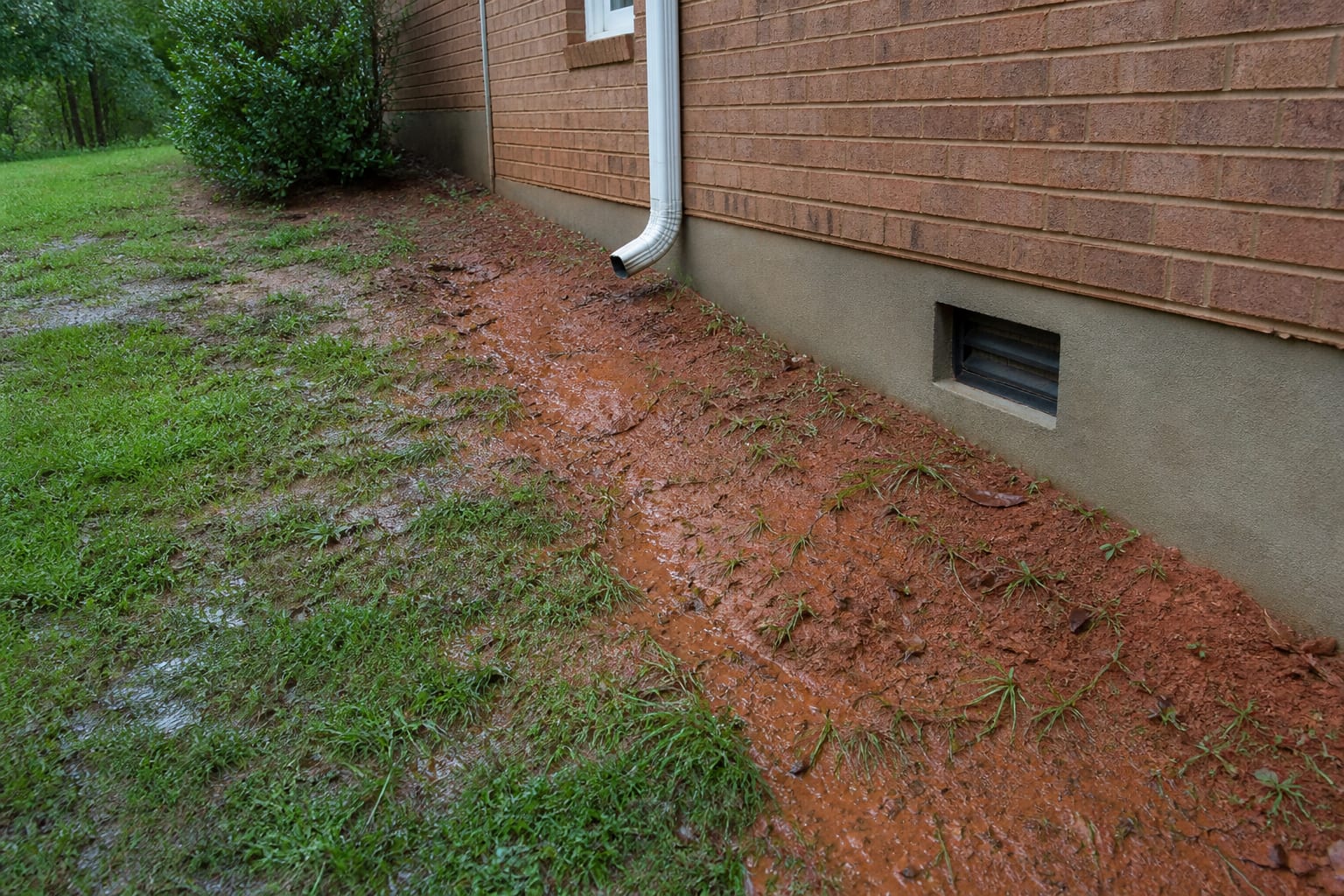
Clay-rich soil can hold water near a foundation longer than fast-draining soil. That does not identify the repair by itself, but it changes what an inspection should trace.
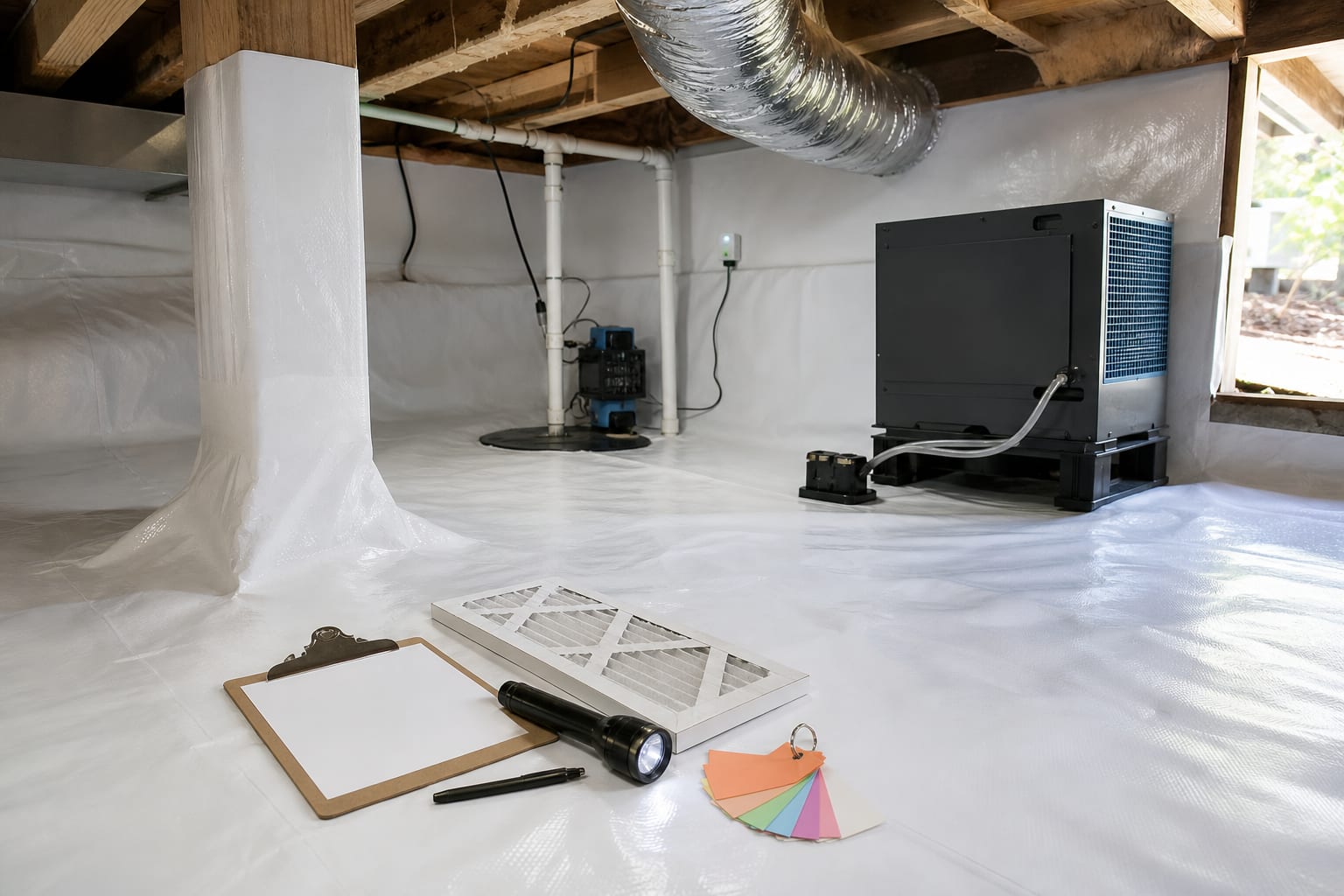
Encapsulation is a system, not a surface that can be forgotten. A short seasonal routine helps identify changes before a small maintenance item becomes a larger moisture problem.
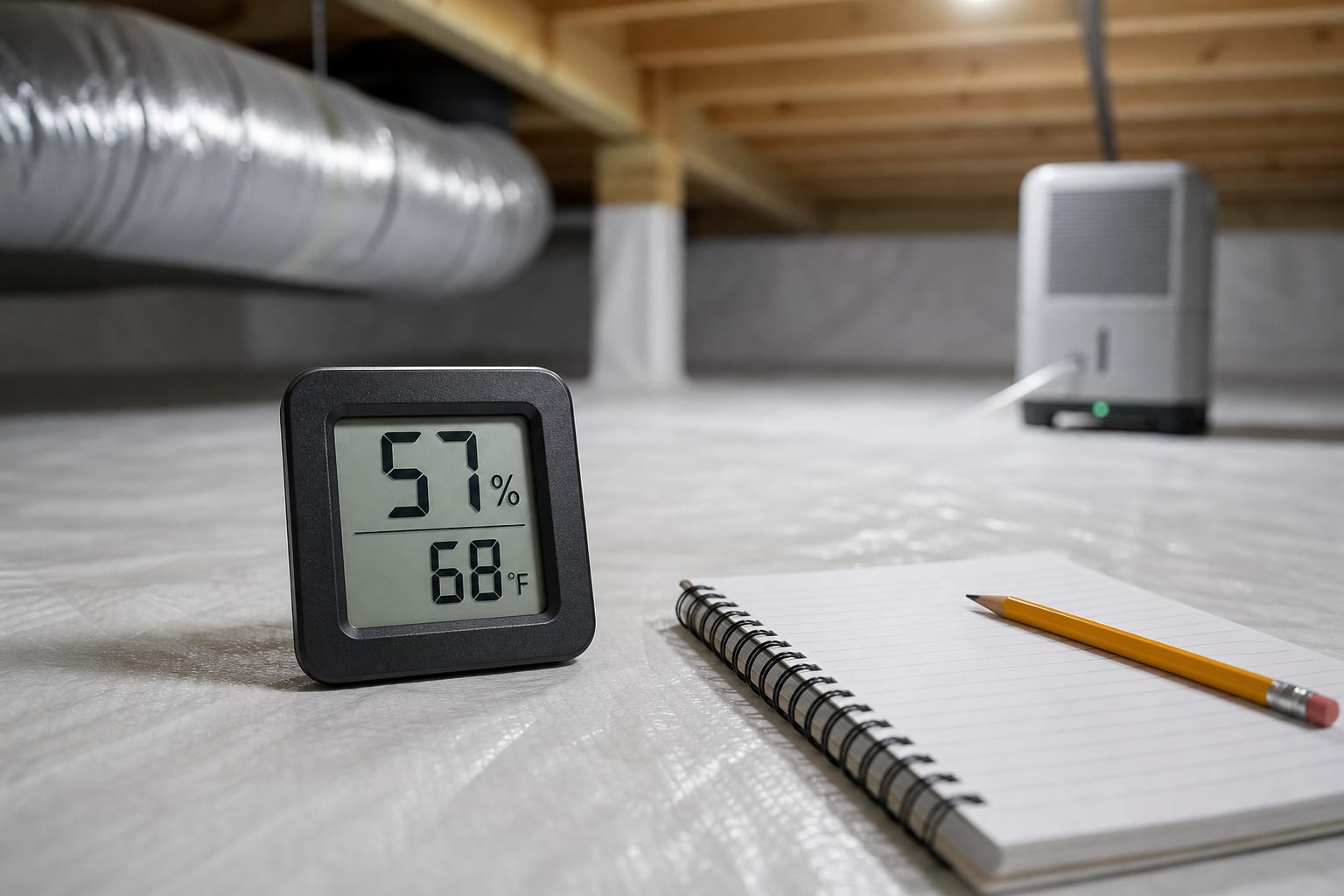
One humidity number is a snapshot. A useful record includes location, time, weather, equipment status, and whether condensation or damp materials are present.
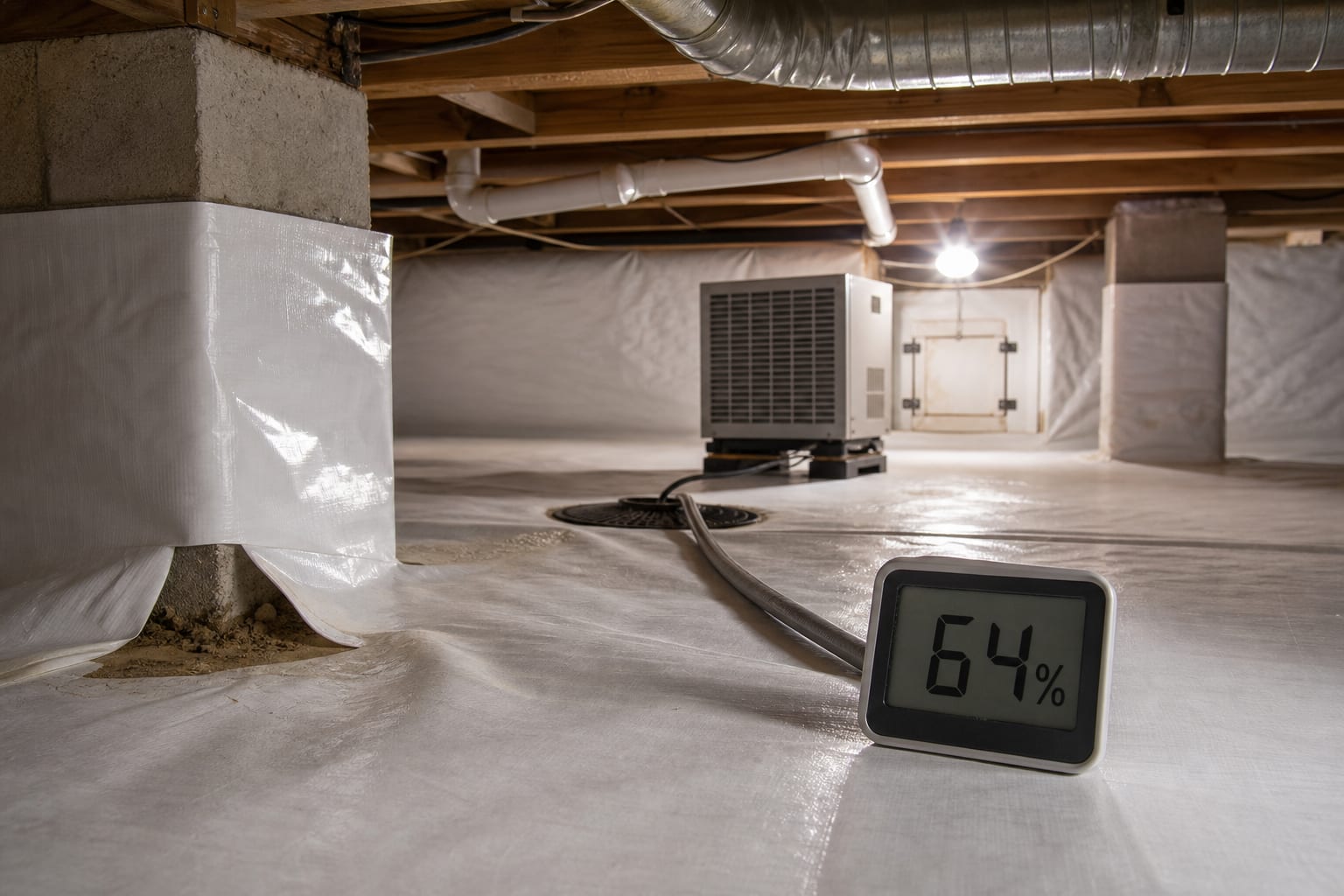
A reading above 60 percent deserves attention, but the number alone does not identify the source. Confirm the measurement, then inspect the system in a consistent order.
Book a free inspection so the next step can be based on the conditions beneath your home.