A crawl space insulation quote should begin with conditions, not only material. The proposal needs to identify where insulation is intended to go, what existing material is present, whether it is dry and serviceable, how moisture and air movement are being considered, what preparation or removal is included, and how access will remain possible.
That matters because insulation can be part of very different crawl space plans. One home may have fallen or wet insulation beneath the floor. Another may need an evaluation of the thermal boundary after a crawl space design changes. Another may have air leaks, exposed soil, or active water that need attention before new material is added. The same broad material term does not make the work equivalent.
The crawl space insulation installation cost-factors page covers the commercial scope. This guide focuses on the questions that help you compare a proposal before making a price decision.
What should a crawl space insulation quote explain?
A crawl space insulation quote should explain the existing material condition, intended insulation location, moisture and air observations, removal or preparation work, access limits, and how the insulation fits the broader crawl space system. It should identify what is included rather than relying on a material name alone.
Record existing material before removal
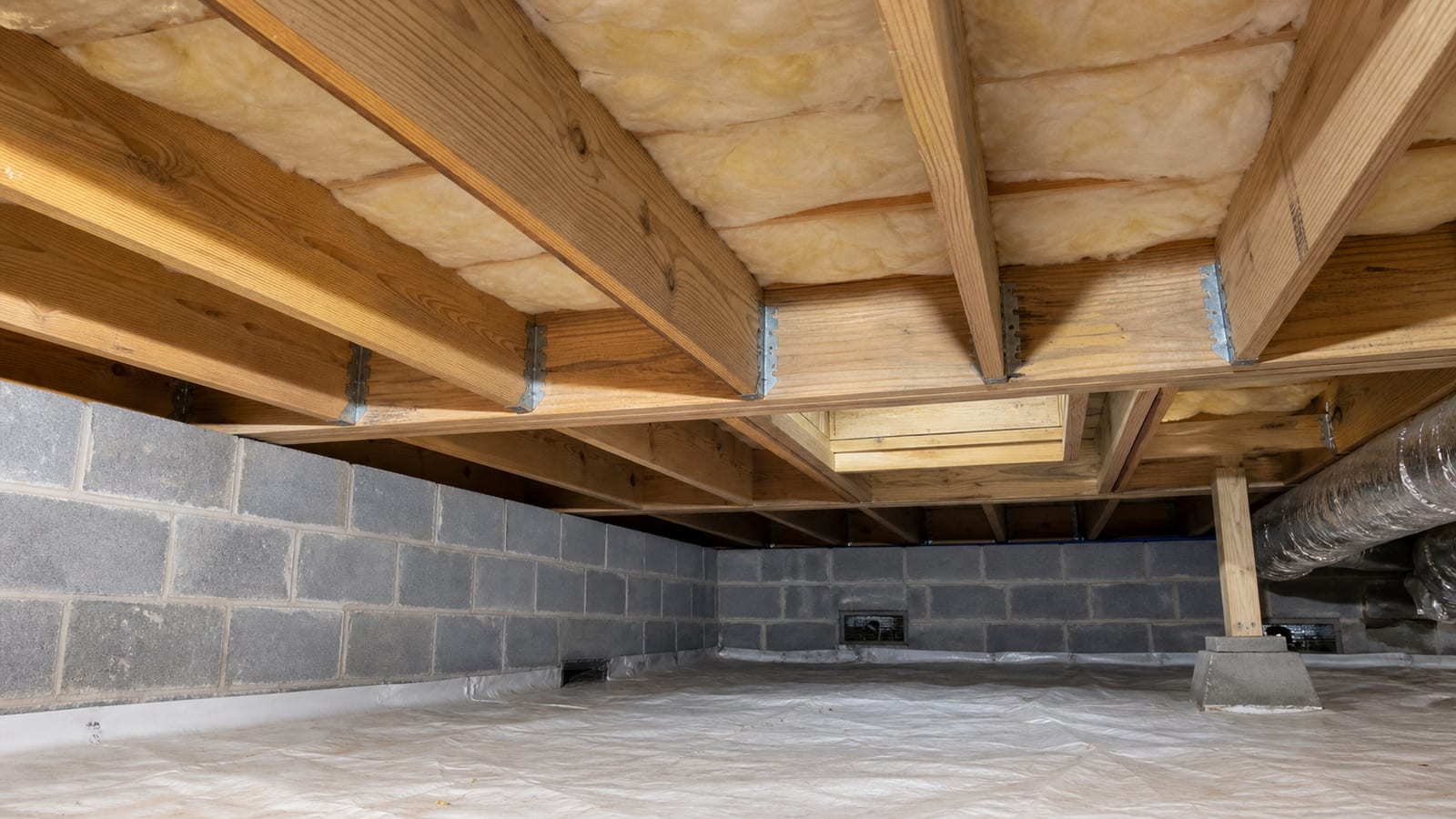
Before anything is moved, record what is visible. Note whether insulation is sagging, compressed, missing, wet, dirty, loose, blocked by ducts or plumbing, or covering an area that needs inspection. Take wide photographs that show the framing and location, then close photographs of a specific condition. Record odors, water history, humidity observations, and whether the issue changes after rain or a seasonal weather shift.
North Carolina State Extension advises checking crawl spaces for moisture leaks, visible material concerns, and humidity conditions. That supports a simple rule: moisture should be investigated before new insulation is treated as the full solution. Insulation can affect heat flow, but it does not drain standing water, repair a leak, or establish whether a material became wet from ground vapor, air movement, plumbing, or bulk water.
State the intended location
Ask where new insulation is proposed and why. The location depends on the crawl space design and the full scope of work. A proposal should identify the surfaces involved, the parts that remain visible, the access route, and any other system details that influence the recommendation.
Do not assume that a familiar installation pattern applies to every home. The crawl space insulation guide for North Carolina provides educational context about design questions, while a site inspection connects those questions to the actual space. The written scope should be specific enough to show where material belongs without making claims about unobserved conditions.
Define preparation and removal
Preparation can include access protection, existing-material handling, surface review, coordination with another trade, and keeping drains, utilities, equipment, and inspection areas accessible. If removal is part of the work, ask what material is included, how the scope handles visible concerns, and what conditions require a separate cleaning, repair, or professional evaluation.
The crawl space insulation removal service page is helpful for separating removal from installation. A proposal can include both, but they should not be collapsed into one vague phrase. The homeowner needs to know what is being removed, why it is being removed, and what conditions need attention before replacement material is installed.
Why do moisture and air conditions affect insulation scope?
Moisture and air conditions affect insulation scope because they influence existing material condition and the location where insulation can perform its intended role. A quote should identify whether water, humidity, openings, ground vapor, or air movement are part of the condition before treating insulation as a separate project.
Active water and damp materials
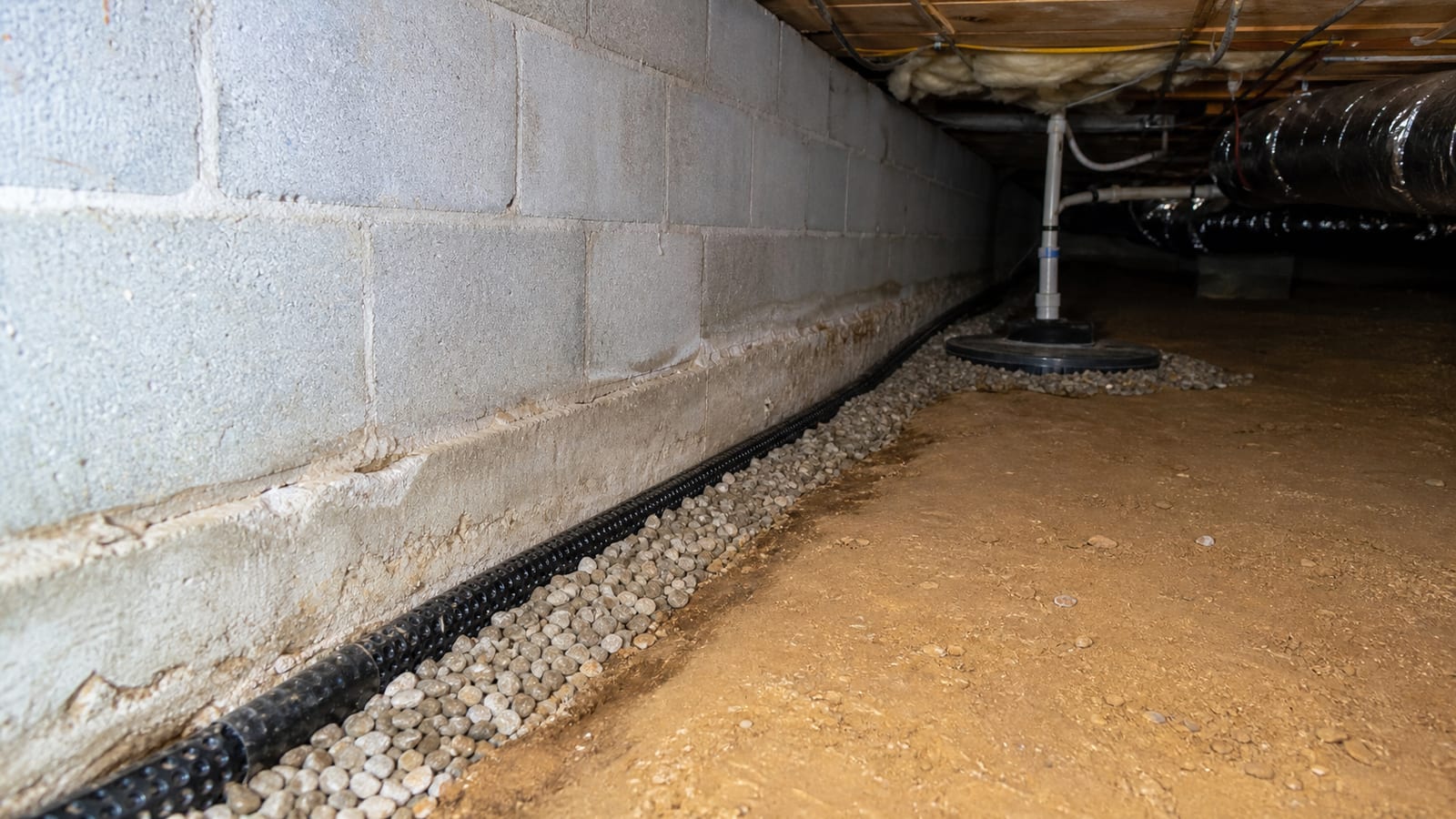
If water is visible, soil is wet, or insulation is damp, ask what evidence supports the water path and which part of the project addresses it. Drainage, a plumbing repair, exterior water management, or a different moisture-control step may be needed before new insulation is installed. The crawl space drainage systems page describes the separate liquid-water function.
The U.S. Environmental Protection Agency explains that controlling moisture is fundamental to controlling mold. This does not mean every material concern is mold or that a general page can diagnose a specific home. It reinforces why a proposal should identify moisture conditions rather than cover them with new material.
Ground vapor and crawl space design
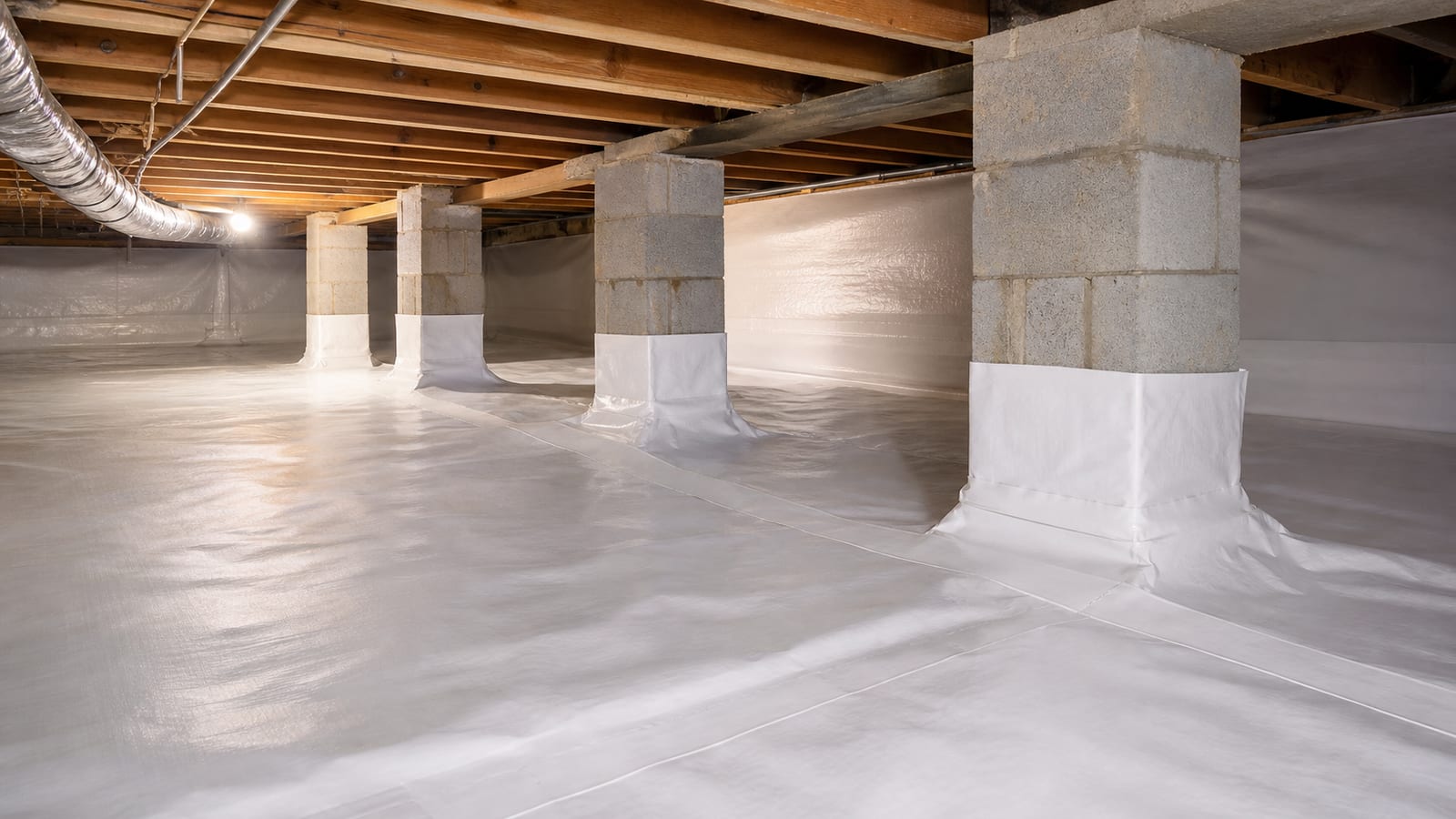
Exposed soil, ground cover condition, wall and pier transitions, access openings, and the intended crawl space design can all affect the broader scope. A liner may be part of ground-vapor control, while insulation affects heat flow. The functions are related but different. The encapsulation versus vapor barrier comparison helps keep them separate when a proposal includes more than one category.
The U.S. Department of Energy’s unvented, conditioned crawl space research gives background on why crawl space design and humidity are connected. It does not choose the right insulation location or system for an individual property. Existing conditions, local requirements, equipment, access, and the final scope still require review.
Air leakage and access openings
Openings, access doors, penetrations, and gaps can affect air movement and how the crawl space behaves. A proposal should state whether it includes air-sealing work, what its purpose is, and how future access remains possible. Insulation should not be treated as a substitute for defining the air boundary.
The vent sealing and air sealing service page is the appropriate internal path for that discussion. Ask the inspector to distinguish insulation work from air-control details rather than assuming a single material solves both functions.
How does access affect insulation installation cost factors?
Access affects insulation installation because it changes how materials are moved, existing material is inspected, surfaces are reached, and future maintenance is performed. Low clearance, a small access opening, ducts, pipes, wiring, structural supports, and a crowded route can all change the amount and sequence of work.
Working room and material movement
An open crawl space with straightforward entry can require different preparation from a tight space with low clearance and multiple obstacles. The scope should identify known access constraints and tell you whether material movement, protection, and cleanup are included. It should also state when an access or safety limitation prevents a complete observation.
This is not a reason to assume a higher or lower price is justified. It is a reason to compare work functions. A short proposal may not mention access even when access will affect installation. Ask for a plain-language explanation of how the crew reaches the work area and what needs to remain protected.
Future service and inspection
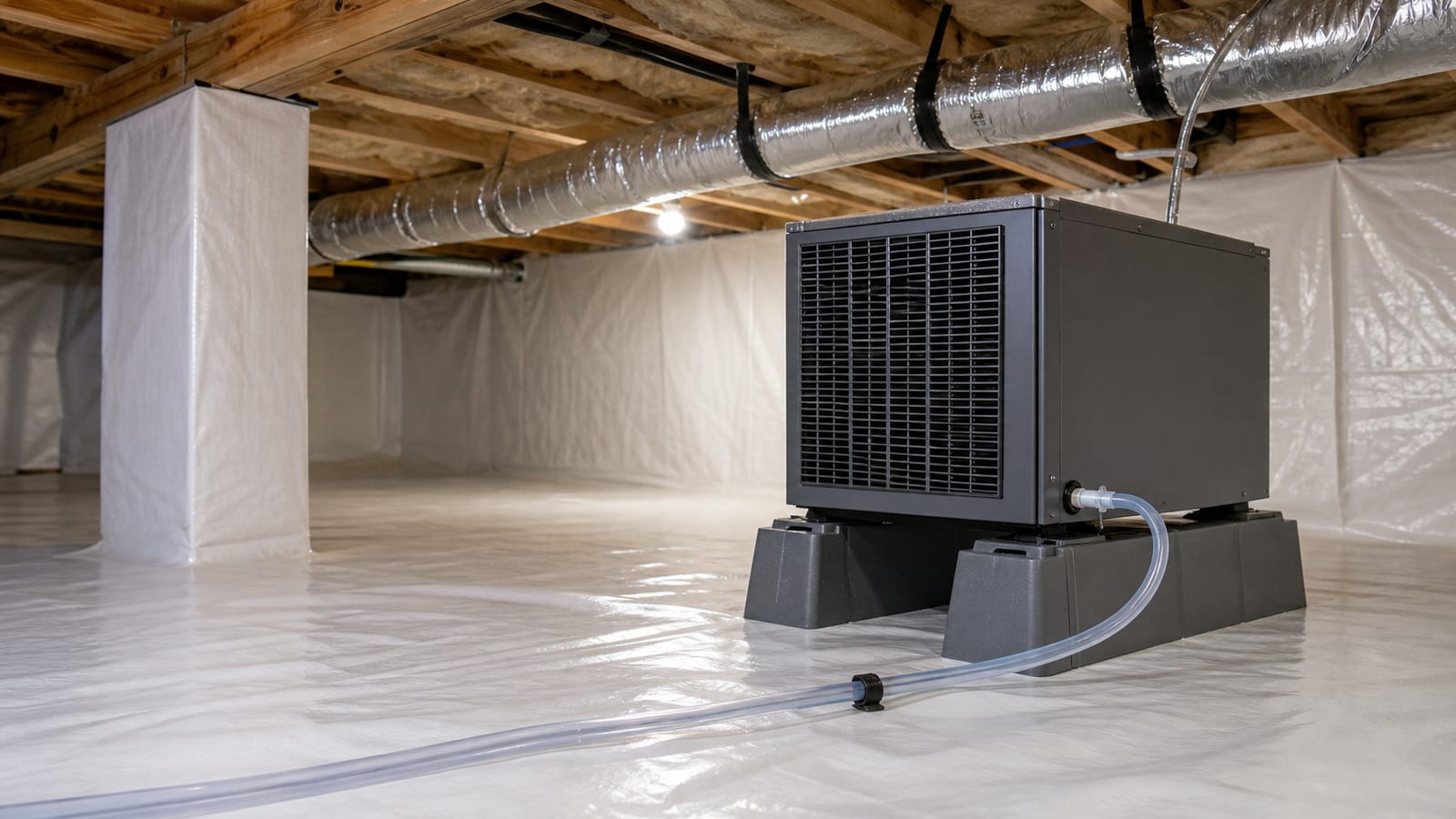
New insulation should not make drains, equipment, electrical components, access paths, or required inspection areas impossible to reach. Ask how filter service, condensate routing, plumbing and HVAC work, and future inspections are expected to occur after completion. The answer should connect to the finished layout, not only the installation day.
The protecting an encapsulation liner during trade work guide is relevant when insulation is part of a larger finished crawl space system. It reminds homeowners that later trades may need a defined route and clear instructions.
How should I compare insulation proposals?
Compare the existing condition, intended location, removal, preparation, moisture or air questions, access, and exclusions before comparing totals. The proposal should make clear whether it addresses only installation or also material removal, moisture-control coordination, air details, and future access.
Use these questions:
- What existing insulation or material condition was observed?
- Where is new insulation intended to go, and what supports that location?
- Is removal included, and what material is covered by that scope?
- What water, humidity, vapor, or air conditions are being addressed separately?
- How will the crew work around ducts, pipes, wiring, and structural members?
- What access remains for equipment service and future inspection?
- Which items require another trade, additional evaluation, or a separate quote?
The crawl space cost-planning pillar can help you place insulation beside drainage, dehumidification, liner work, and repair without merging those functions into one number. Ask the contractor to tie every major recommendation to an observation made in the space, including its location, timing, and any access limitation noted during the visit.
When should an insulation quote wait for more inspection?
More inspection is appropriate when existing material is wet, damaged, or obstructing an important view; when there is active water or an unresolved musty odor; when framing or supports appear affected; when the intended crawl space design is unclear; or when a proposal cannot explain its insulation location, removal, or access plan.
Do not pull down insulation near electrical components, disturb suspected mold, move structural supports, or enter an unsafe crawl space to answer these questions yourself. Record what is visible, then request a free inspection to connect the material condition to a property-specific scope. The insulation installation service page provides the service context.
Frequently asked questions
Does new insulation fix crawl space moisture?
No. Insulation affects heat flow but does not identify or correct a water path, plumbing leak, standing water, exposed soil, or air opening by itself. If moisture is present, the quote should explain how it is evaluated and which separate work addresses the source.
Should old crawl space insulation be removed before new insulation is installed?
It depends on the existing material condition and the final scope. Ask whether the material is dry, serviceable, damaged, contaminated, blocking inspection, or incompatible with the recommended work. The proposal should state what removal is included and why it is needed.
Why does insulation location matter?
The intended location is connected to the crawl space design, surfaces, air boundary, moisture conditions, and access. A broad material label does not explain those choices. A clear proposal identifies the surfaces involved and how the material fits the rest of the system.
Can I compare insulation quotes by square footage?
Square footage is only one factor. Existing material removal, access, preparation, moisture conditions, obstacles, the intended location, and future service access can change the work. Compare the written scope and exclusions before deciding whether two totals represent the same function.
Does insulation installation include air sealing?
It may or may not. Ask the contractor to state whether air-sealing work is included, which openings or penetrations are addressed, and how access remains possible. Insulation and air sealing can be coordinated, but they are distinct functions that should be visible in the scope.
Sources and further reading
- North Carolina State Extension: Mold and Moisture Checklist
- U.S. Environmental Protection Agency: A Brief Guide to Mold, Moisture and Your Home
- U.S. Department of Energy: Unvented, Conditioned Crawlspaces
How this applies in Apex, NC
For homeowners in Apex, NC, use this topic as a way to organize observations before selecting work. Carolina Encapsulation Company serves Apex, NC and surrounding Triangle communities, but the appropriate scope still depends on the water, moisture, materials, access, and equipment found at the property. Compare the crawl space insulation installation cost with the Crawl Space Cost Planning in North Carolina: How to Compare Scope Before Price in Sanford, NC before choosing a property-specific next step.