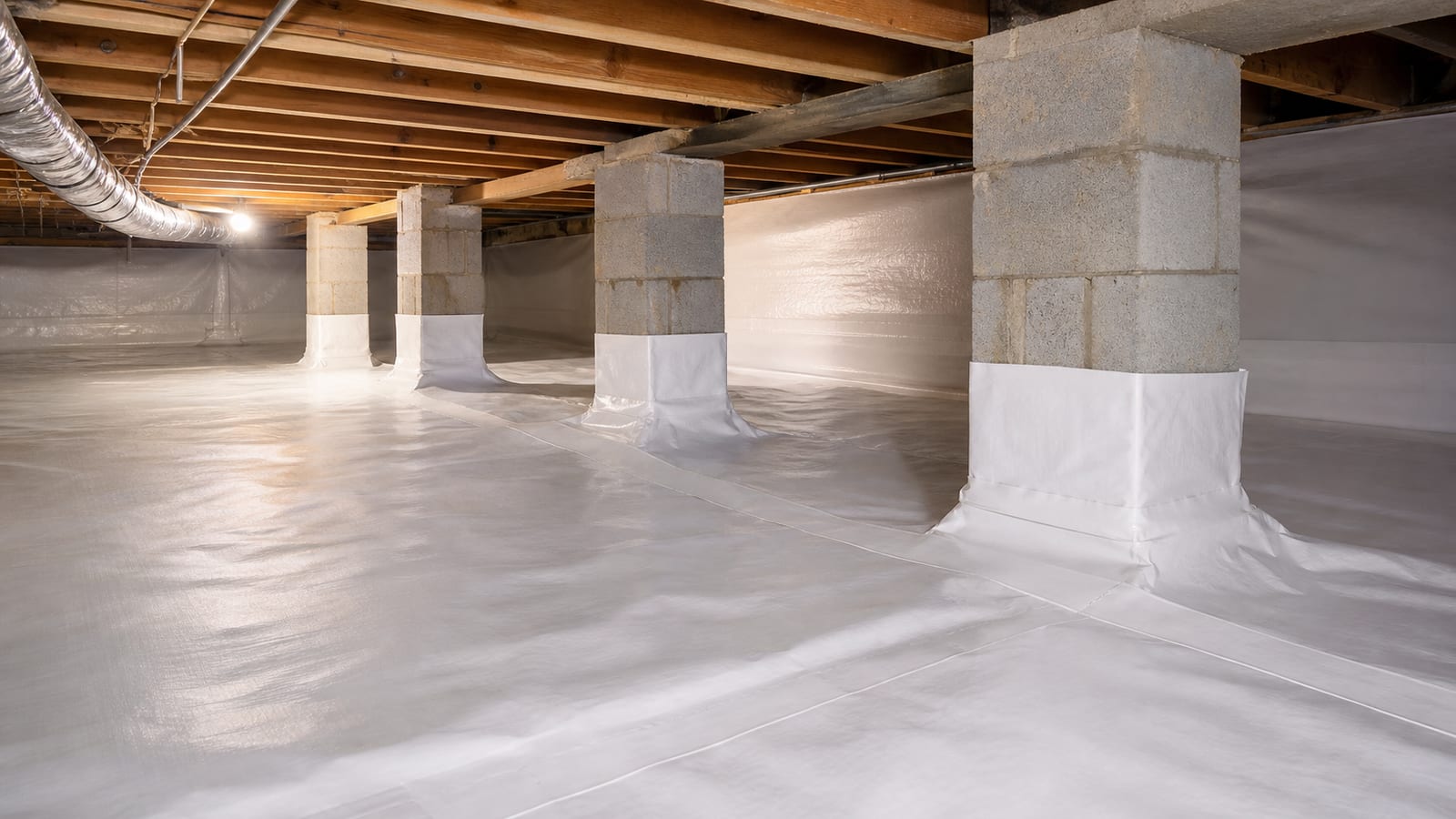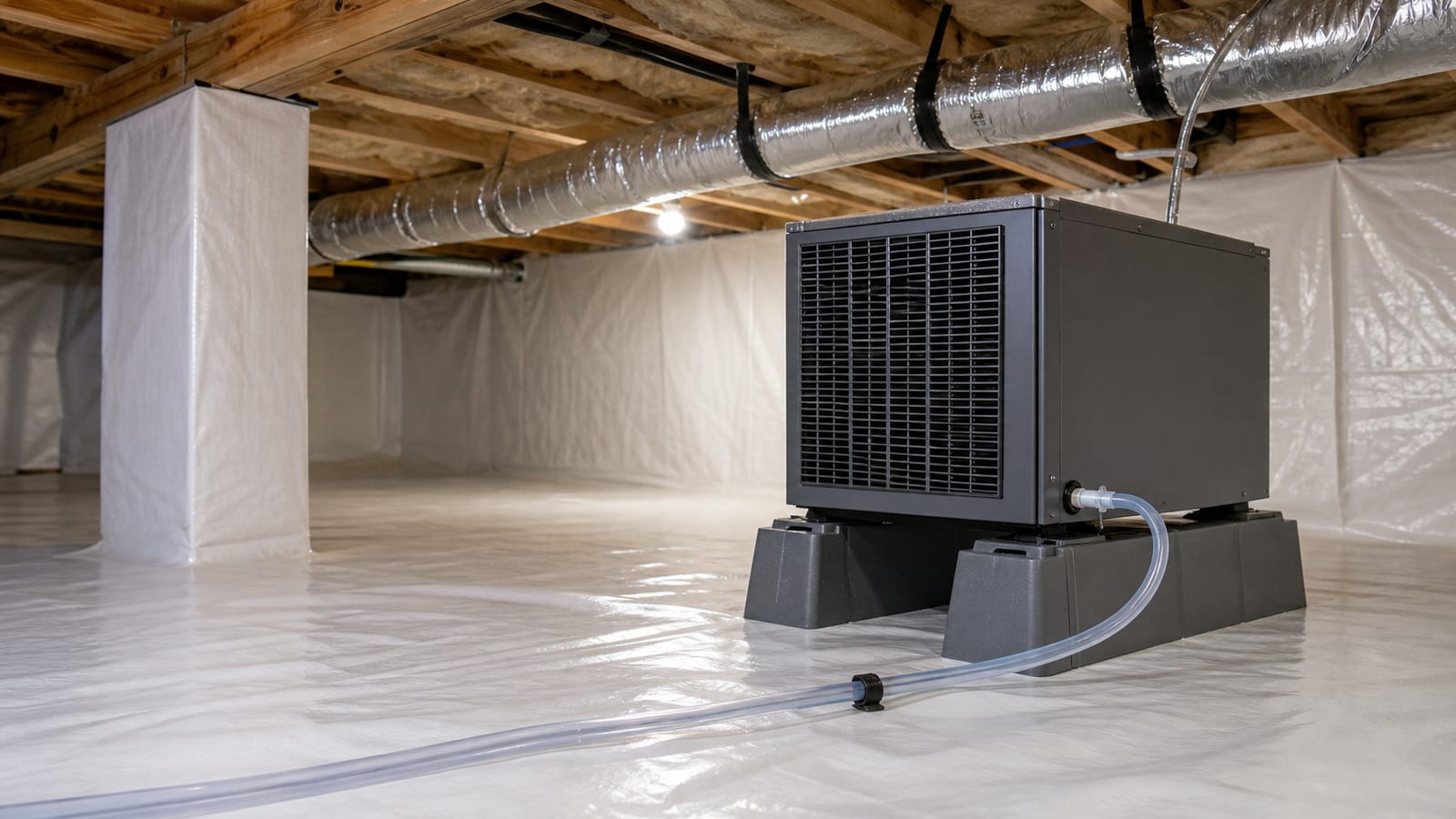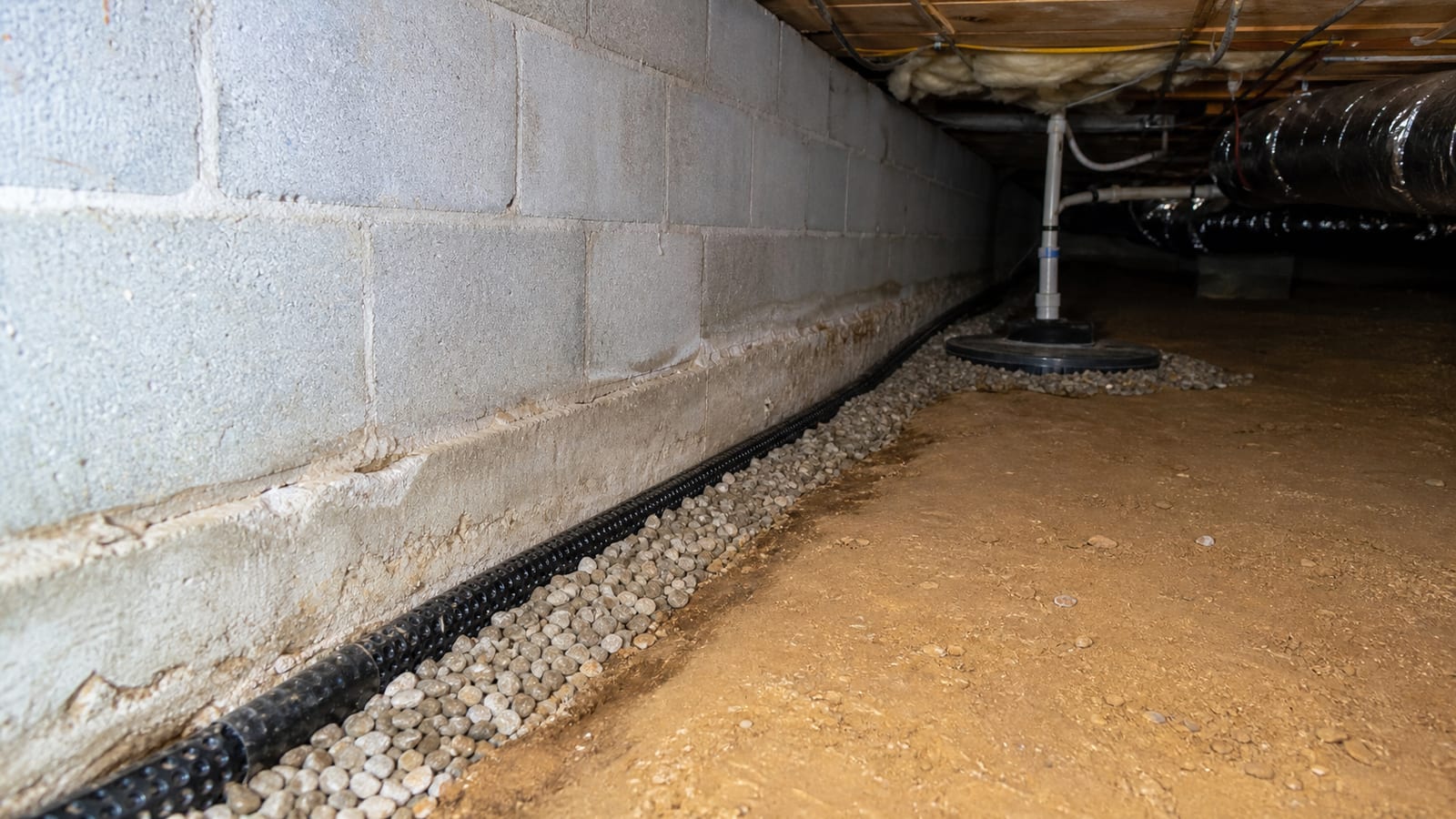
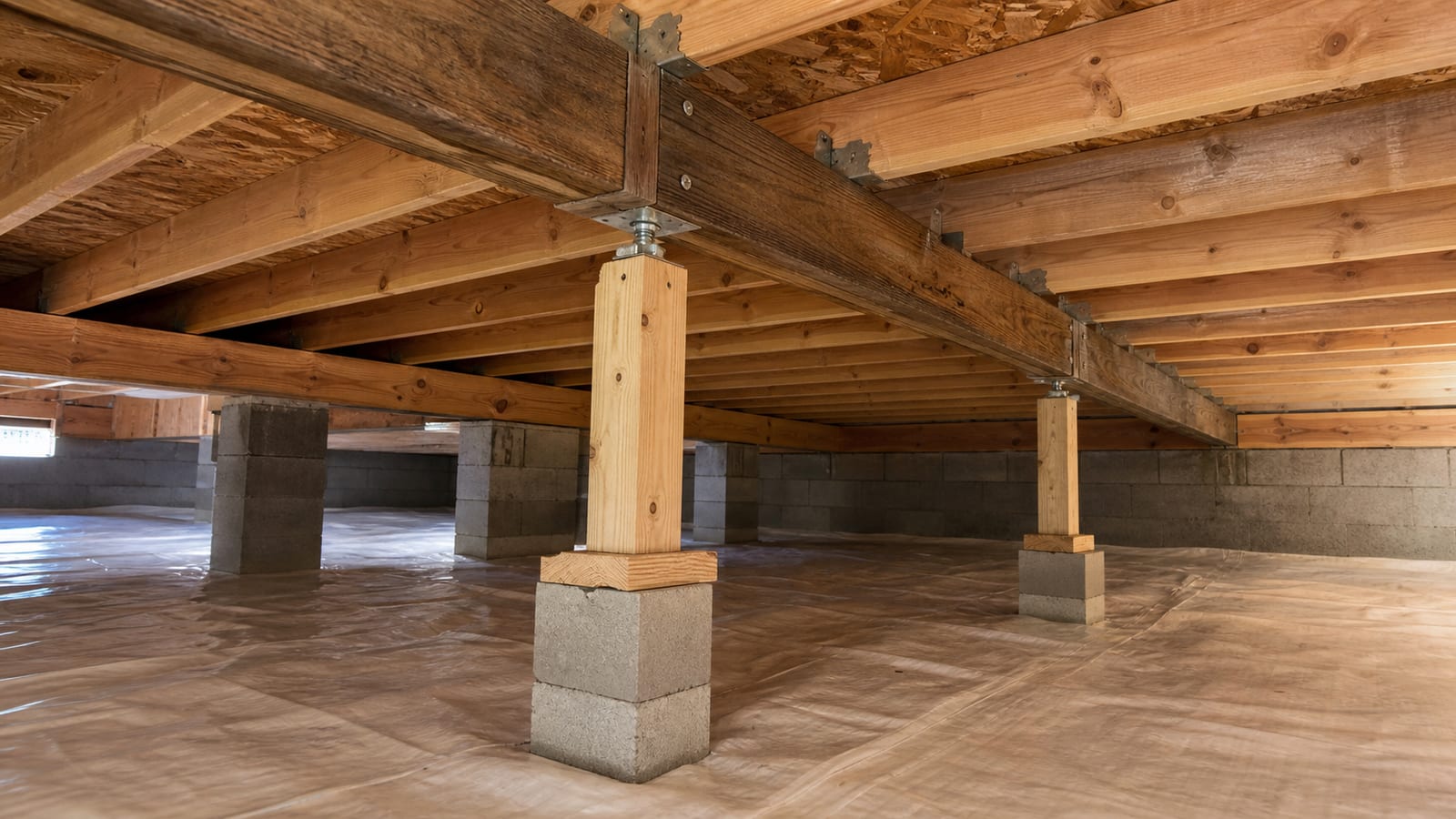
A crawl space structural repair quote should separate the visible framing or support condition from the moisture or water conditions that may be related to it. A soft floor, movement, stain, damaged member, or altered support is an observation. The written scope needs to identify where it was found, what work is proposed, what remains uncertain, and which other work must be addressed before or alongside repair.
That distinction matters when comparing quotes. A proposal focused on a visible joist or beam may not include the drainage, moisture control, material removal, engineering review, or access work that another proposal identifies. A total cannot tell you whether those scopes solve the same problem. The evidence and sequence have to be visible first.
The crawl space structural repair cost-factors page covers the commercial scope. This guide helps you prepare questions without trying to diagnose capacity or prescribe a repair from a symptom.
What should a structural repair quote explain?
A structural repair quote should explain the visible member or support condition, location, proposed work, access constraints, moisture or water observations, sequence, and any need for additional qualified evaluation. It should distinguish what was observed from conclusions that require engineering, code, pest, or other professional review.
Start with an exact location
Begin above the crawl space. Mark the room, doorway, wall, or floor area where you noticed movement, a soft spot, a change in level, or another concern. Then connect that location to the framing, beam, pier, support, plumbing, duct, or insulation below it. A simple sketch and wide photographs can help an inspection focus on the relevant area rather than searching the entire crawl space without context.
Record what changed and when. Did the condition appear after a water event, remodel, plumbing issue, seasonal change, or long period without an obvious trigger? That timing may be useful, but it does not establish the cause or structural capacity. The bouncy floor and moisture-damage guide provides a careful question framework.
Describe visible condition without overreaching
A good proposal identifies the member or support that is visible, the location of the observation, access limitations, and the work it proposes. It should also state when a condition cannot be fully seen or when a question belongs to an engineer, code official, pest professional, or other qualified person.
Do not treat a photo, stain, floor symptom, or past repair as proof of the correct structural remedy. Similar symptoms can have different causes. The value of an inspection is that it can link the surface symptom to the actual members, supports, moisture evidence, and limitations visible beneath the home.
Keep repair and moisture work in separate lines
If moisture, water, damaged insulation, visible surface growth, or drainage concerns appear near the repair area, ask how they are handled in the scope. Repairing visible material without identifying the moisture condition can leave an important part of the project unresolved. At the same time, moisture control should not be described as proof that a structural concern is solved without the appropriate review.
The crawl space moisture-control service page and drainage systems service page are useful adjacent paths. They keep water and moisture functions visible beside the repair scope instead of hiding them inside a broad repair label.
Why does moisture affect a structural repair quote?
Moisture affects a structural repair quote because water, humidity, leaks, and material conditions can be relevant to the observed area and the sequence of work. The proposal should state what moisture evidence was found and which part of the project addresses it, without claiming a specific cause that has not been verified.
Bulk water and drainage
Standing water, wet soil, a leaking pipe, or a rain-triggered water path should be evaluated as water-management questions. A drain, sump system, plumbing repair, exterior runoff correction, or other scope may be needed depending on the conditions. The crawl space drainage cost-factors page helps separate liquid-water work from framing repair.
Ask whether the repair proposal assumes the water issue is already addressed, includes it, or leaves it to a separate professional. That answer makes a large difference when comparing estimates. It also prevents a homeowner from assuming that a new support or repaired member resolves every condition that contributed to the concern.
Humidity, ground vapor, and material condition
Humidity, exposed soil, liner condition, air openings, and equipment can influence crawl space moisture. The U.S. Environmental Protection Agency explains that moisture control is essential to mold control. That general principle supports tracing moisture conditions, but it does not identify a material, species, health outcome, or repair requirement at a specific home.
The vapor barrier cost-factors page and dehumidifier installation cost-factors page help compare those separate functions when they appear beside a repair recommendation. Ask what role each item performs and what visible observation supports it.
Material and support visibility
Insulation, ducts, plumbing, existing repairs, liner, and access limitations can block the view of important areas. A quote should state when an observation is limited and whether removal, further inspection, or another professional’s review is needed. It should not imply that a hidden area was evaluated if it was not accessible.
Preserving that limitation is good practice. It makes the scope more honest, provides a clear reason for follow-up, and helps the homeowner understand which question remains open. The crawl space inspection checklist can help organize the photos and location notes that support the next step.
What access conditions can change structural repair scope?
Access conditions can change structural repair scope because they affect how a professional can observe the framing, move materials, place support, coordinate with other systems, and preserve a safe work route. Low clearance, narrow entry, utilities, wet conditions, and obstructions should be identified rather than treated as an invisible detail.
Working space and safety
Ask how the proposed work area is reached, whether temporary protection or access preparation is included, and what safety conditions limit a full view. Do not enter a crawl space with standing water, exposed electrical hazards, suspected structural instability, animals, sewage, or another condition that makes access unsafe. A qualified professional should determine how to proceed.
The scope should also state what happens if a hidden condition appears during work. It may be appropriate to identify a review point or separate authorization instead of guessing about conditions that are not visible. That is different from using uncertainty to make an unsupported claim. It is a transparent description of the limits of the current observation.
Coordination with plumbing, HVAC, and electrical systems
Framing work may take place near pipes, ducts, wiring, and equipment. Ask which systems are present, whether another trade needs to be involved, and how the final work preserves service access. No one should assume a structural repair scope includes work assigned to a different licensed trade unless the proposal says so.
Protect the crawl space record during that coordination. Keep photos before material is moved, mark the work area, retain the written scope, and record any later trade that enters. The liner-protection guide for plumbers and HVAC crews is a useful reminder that future access is part of a durable plan.
How should I compare structural repair quotes?
Compare the exact location, visible evidence, proposed repair, moisture or water scope, access, exclusions, and need for additional evaluation before comparing totals. The answer should show whether both proposals address the same members and the same related conditions.
Use these questions:
- Which member, support, or area was observed, and where is it located?
- What visible evidence supports the proposed repair?
- What work is included, and what does the repair not address?
- Are water, humidity, drainage, insulation, or cleaning conditions included or separate?
- What access limits, utilities, or other trades affect the work?
- Is additional engineering, code, pest, or other qualified review recommended?
- What documentation will show the final scope and future maintenance or inspection path?
The crawl space cost-planning pillar helps position these questions beside the other system functions. A complete project may have several scopes. The important thing is that they remain clear enough to compare and verify.
When should a structural concern receive more qualified review?
More qualified review is appropriate when the concern involves apparent movement, support alignment, bearing, significant visible deterioration, a change in floor level, uncertain load path, inaccessible framing, a safety risk, or a proposal that cannot explain the visible evidence and repair sequence. The appropriate professional depends on the question and local requirements.
A homeowner can document location, timing, and safe visible conditions. Do not cut, remove, sister, jack, shim, move, or support framing based on a general guide. Do not treat an article as an engineering opinion. You can request a free inspection to document crawl space conditions and learn what the next appropriate scope is. See structural repair services for the company’s service path.
Frequently asked questions
Can a bouncy floor tell me exactly what structural repair is needed?
No. A floor symptom may relate to framing, support, subfloor, moisture, plumbing, prior alterations, or another condition. The exact location, members below, access, material condition, and professional scope need review before a repair can be defined responsibly.
Should a structural repair quote include moisture control?
It depends on the conditions observed. If moisture or water is relevant, the proposal should state whether it includes a separate drainage, moisture-control, or material scope, assumes it is already corrected, or recommends another professional. Keep the repair and moisture functions visible rather than combining them vaguely.
Why does crawl space access affect structural repair?
Access affects what can be inspected, how materials and equipment move through the space, and how the finished work can be reviewed later. Low clearance, utilities, wet conditions, and obstructions can change the scope. A clear proposal identifies known limitations instead of treating them as unmentioned details.
Can I repair a crawl space support myself?
Do not alter supports, beams, joists, or load paths based on general educational material. Structural work can involve safety, engineering, code, utility, and access issues that require qualified review. Document the concern and seek the professional scope appropriate to the observed condition.
Does a new vapor barrier repair damaged framing?
No. A vapor barrier addresses ground moisture as one part of a crawl space system. It does not repair a framing member or determine its capacity. If repair is recommended, the written scope should state what visible condition it addresses and how related moisture conditions are handled.
Sources and further reading
- U.S. Environmental Protection Agency: A Brief Guide to Mold, Moisture and Your Home
- North Carolina State Extension: Mold and Moisture Checklist
- U.S. Department of Energy: Unvented, Conditioned Crawlspaces
How this applies in Garner, NC
For homeowners in Garner, NC, use this topic as a way to organize observations before selecting work. Carolina Encapsulation Company serves Garner, NC and surrounding Triangle communities, but the appropriate scope still depends on the water, moisture, materials, access, and equipment found at the property. Compare the crawl space structural repair cost with the Crawl Space Cost Planning in North Carolina: How to Compare Scope Before Price in Sanford, NC before choosing a property-specific next step.